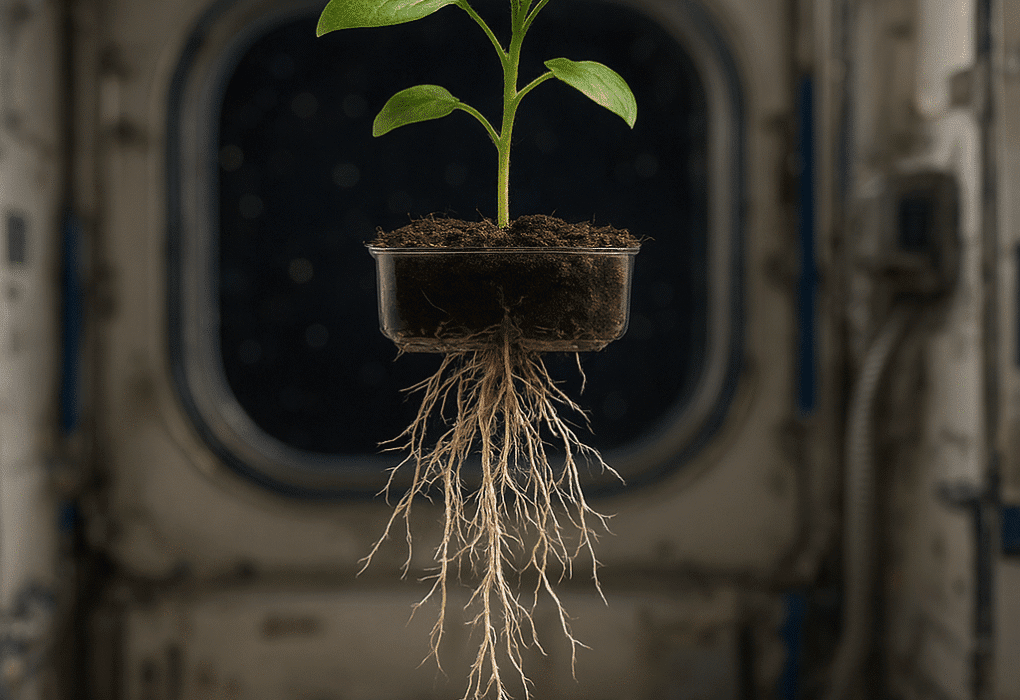
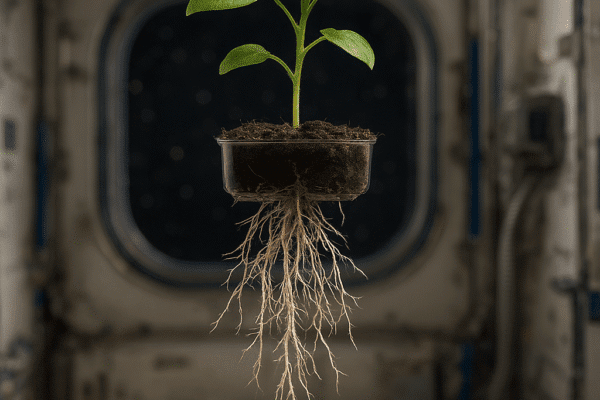
The Importance of Root Systems in Microgravity
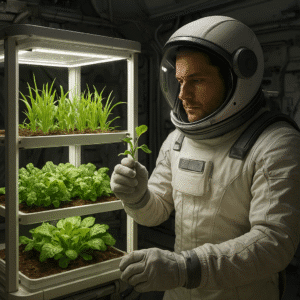
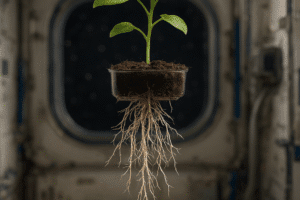
Exploring the underground world of plants in weightless environments reveals a complex interplay of biology, engineering, and innovation. As humanity…
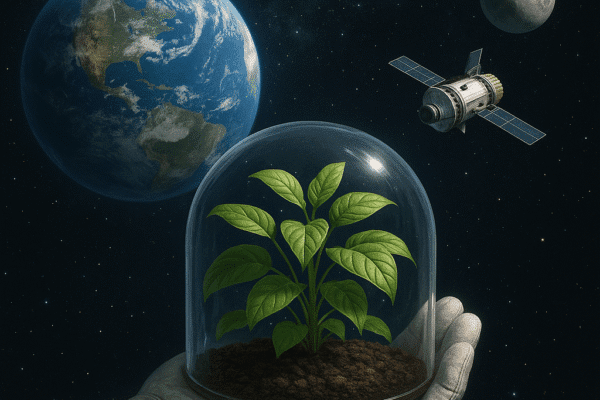
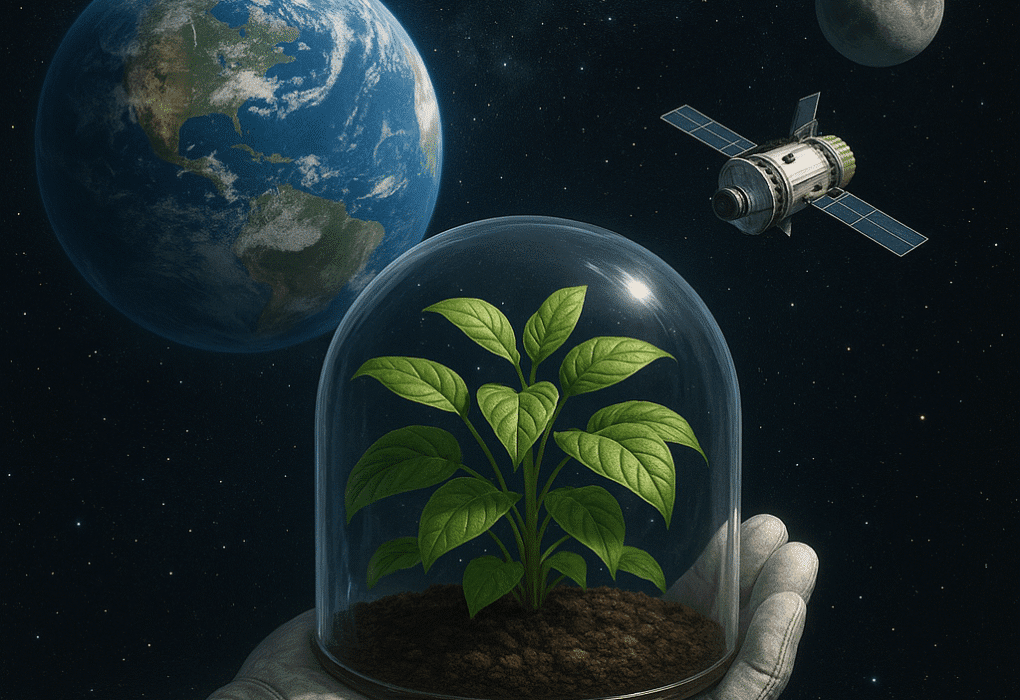
Recycling Carbon Dioxide Through Space Plants
Space farming represents a pivotal frontier in human exploration, marrying biology with engineering to transform habitats into self-sufficient ecosystems. Through…
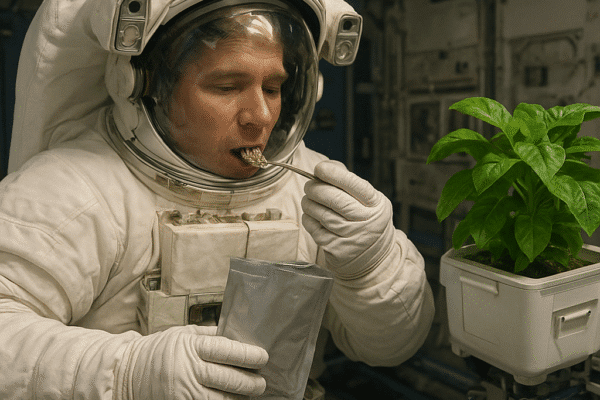
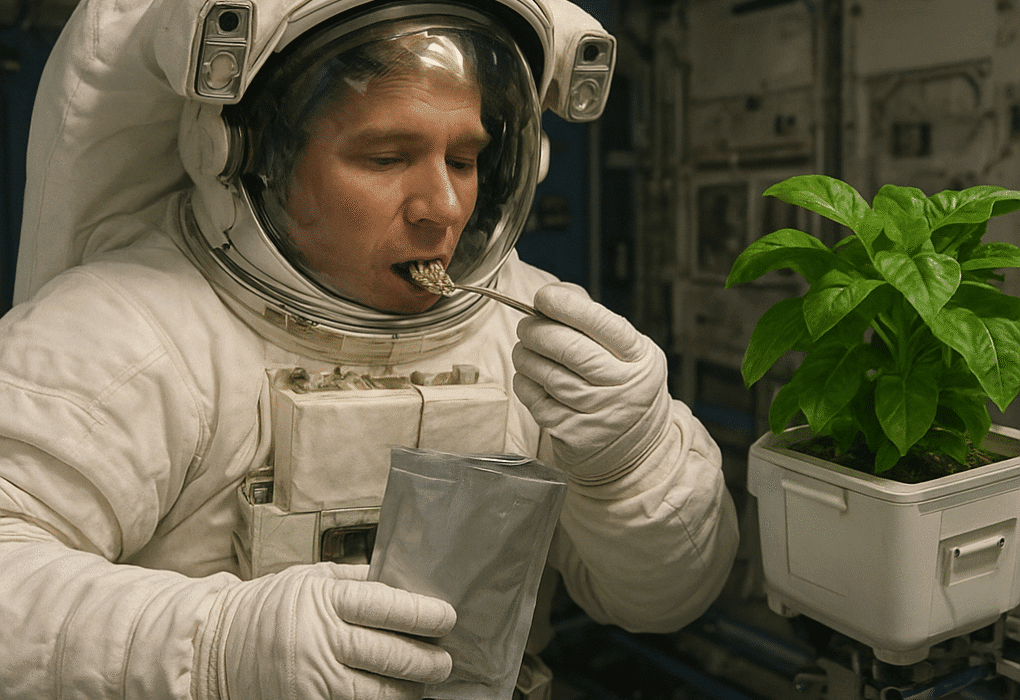
How Astronauts Eat: From Freeze-Dried Meals to Fresh Crops
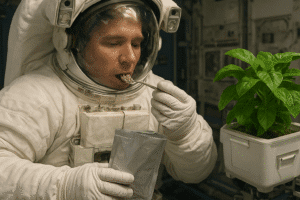
The way crews onboard the International Space Station and future explorers on lunar and Martian outposts sustain themselves combines cutting-edge…
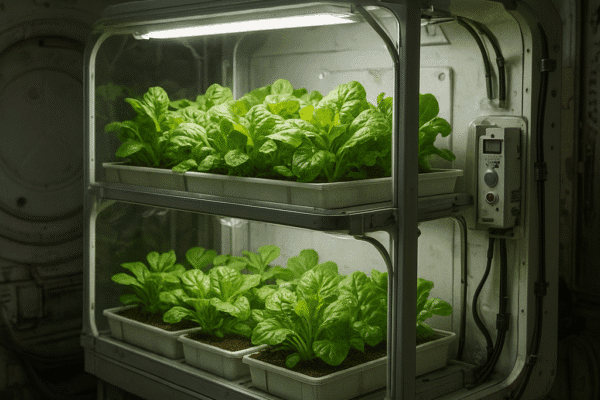
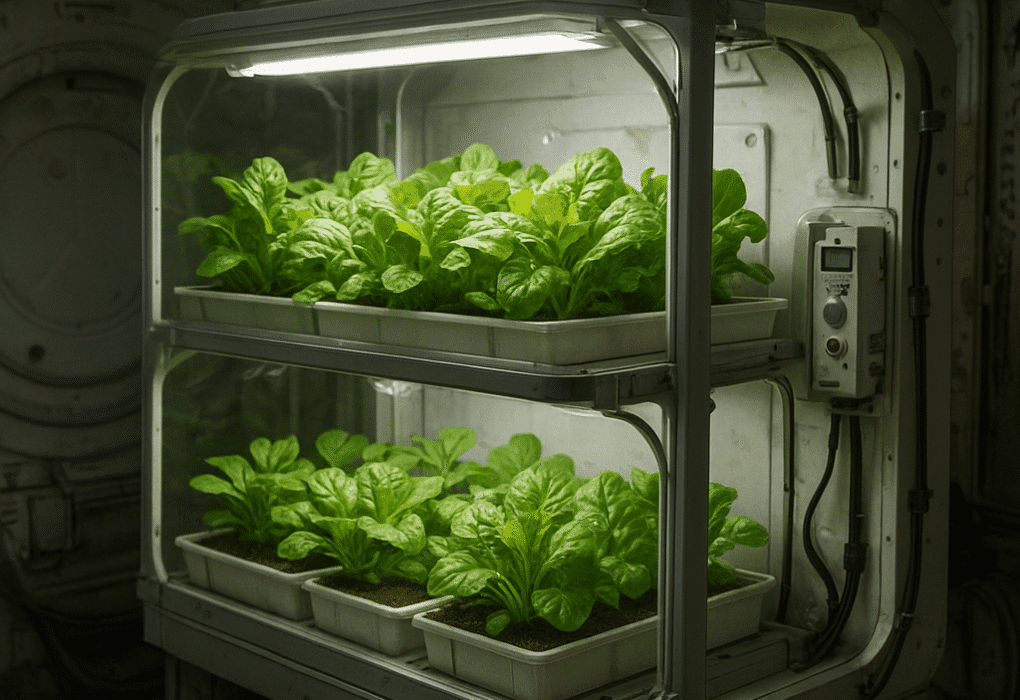
Developing Compact Farming Modules for Spacecraft
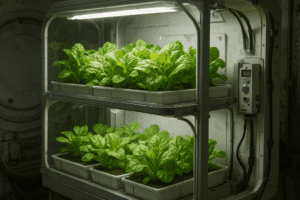
In the pursuit of long-duration missions and off-world colonization, the development of compact farming modules aboard spacecraft has emerged as…
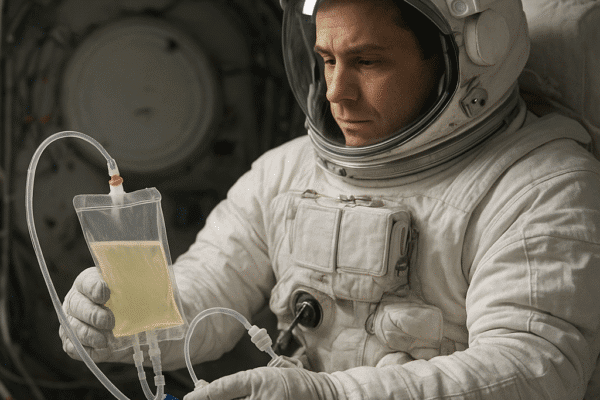
Nutrient Delivery Methods in Microgravity Environments
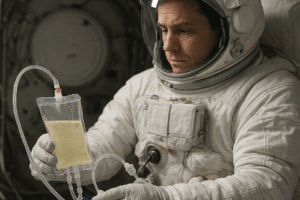
Space exploration demands innovative solutions for sustaining human life beyond Earth. One of the most critical aspects of off-world habitation…
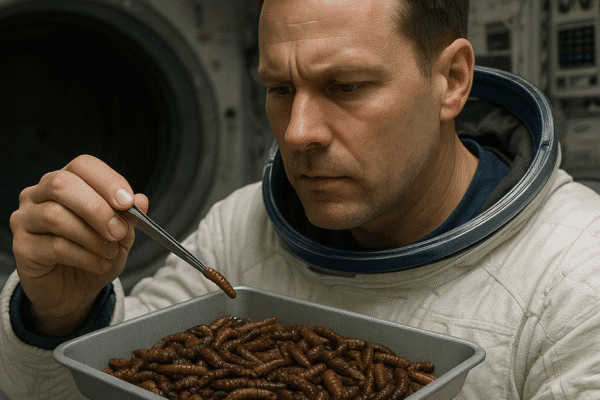
Can Insects Be a Sustainable Protein Source in Space?
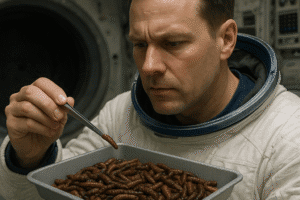
The prospect of rearing insects for food on long-duration space missions and extraterrestrial colonies is gaining momentum among researchers focused…
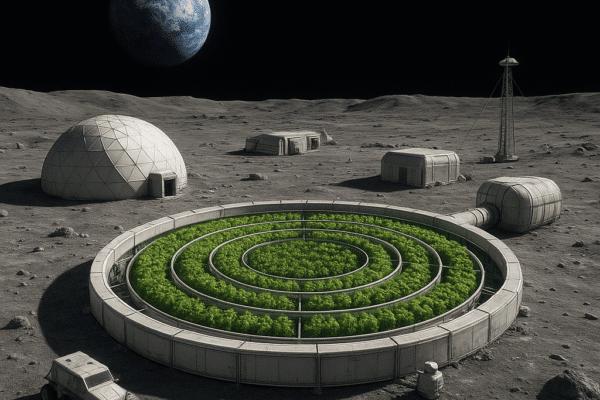
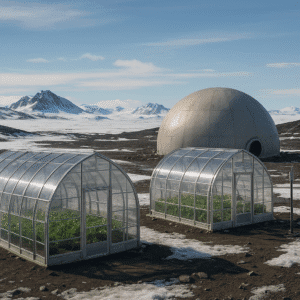
Circular Food Systems for Lunar Bases
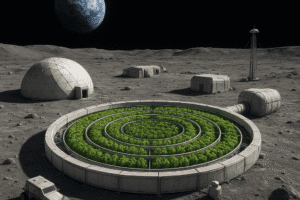
Establishing a reliable food supply on the Moon requires innovative approaches that combine advanced engineering, biology, and systems integration. This…
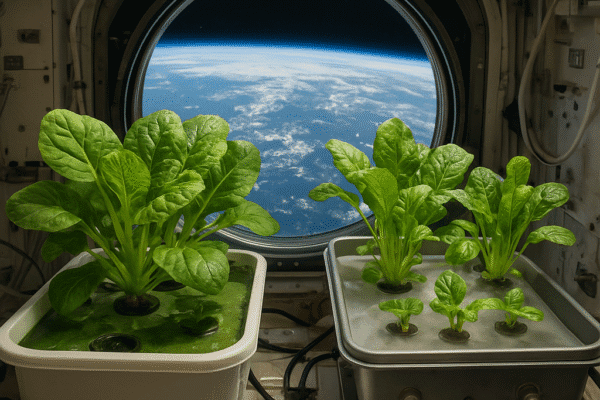
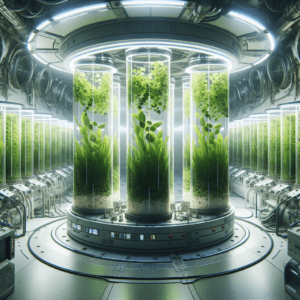
Hydroponic vs Aeroponic Systems in Space
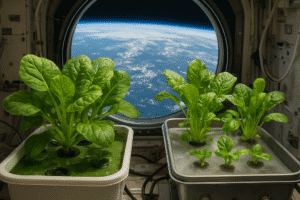
Space missions increasingly depend on closed-loop systems to produce fresh food, recycle water, and sustain human crews for extended periods….
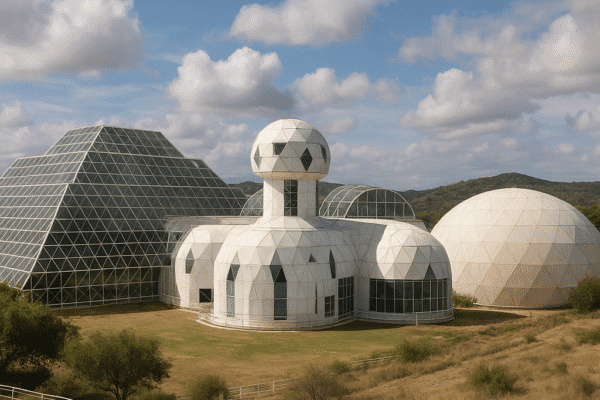
Learning from Biosphere 2: Mistakes and Successes
The ambitious Biosphere 2 project in Oracle, Arizona, remains a landmark experiment that reshaped our understanding of closed ecological systems…
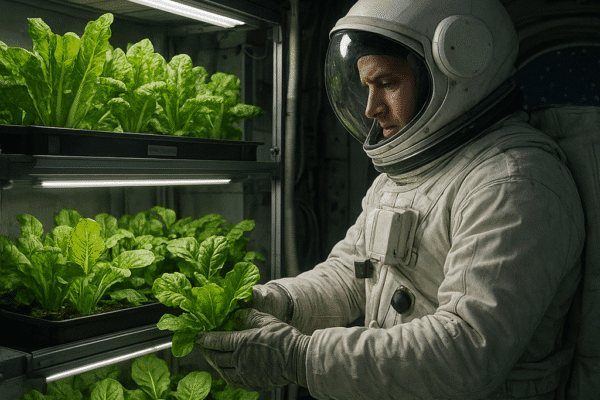
Space-Based Food Production for Deep Space Missions
Space exploration is rapidly evolving from short orbital visits to ambitious missions targeting Mars, asteroids, and beyond. As travel durations…