The vision of cultivating lush green gardens on other planets is shifting from science fiction to tangible reality. Advances in innovation and robust research into extraterrestrial ecosystems are laying the groundwork for sustainable food production in orbit and on planetary surfaces. These developments will play a pivotal role in enabling long-term colonization efforts, reducing supply chain dependency on Earth, and enhancing crew resilience during extended missions.
Agro-Systems Beyond Earth
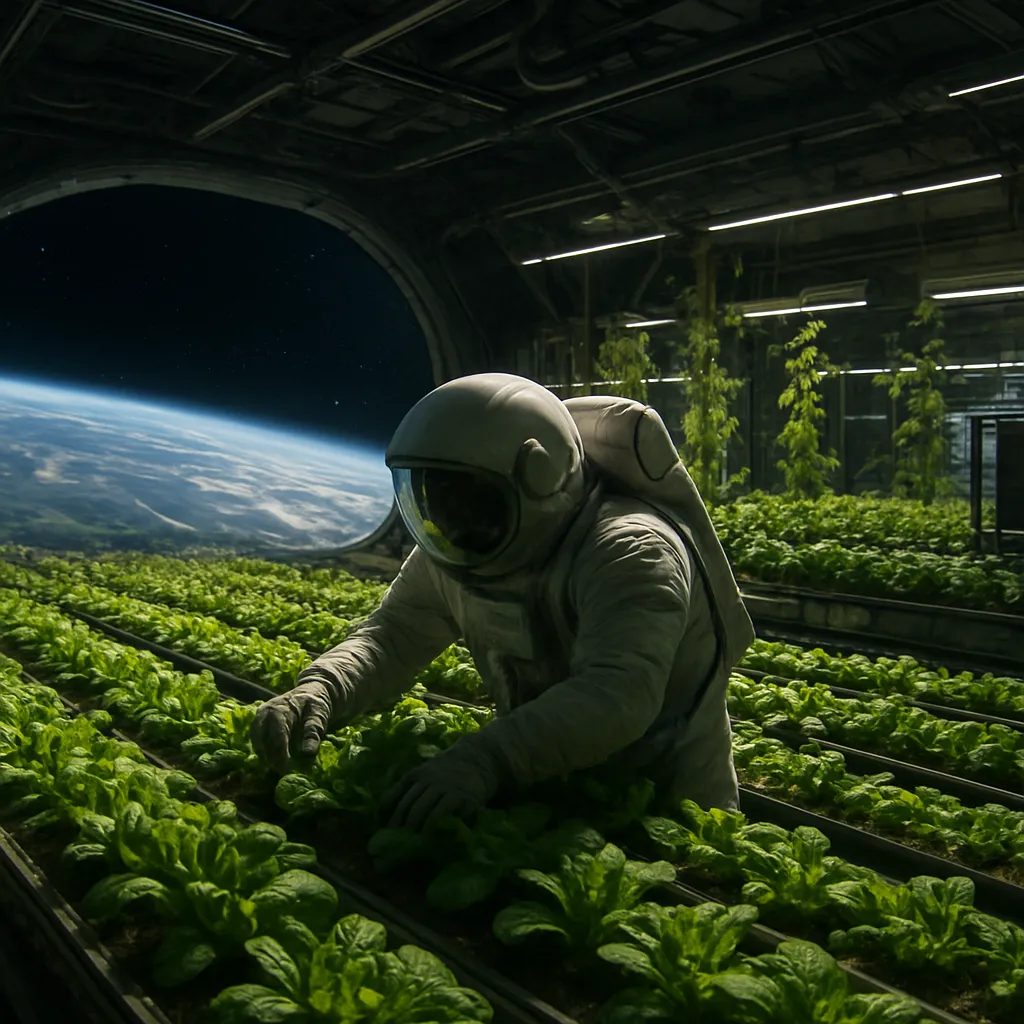
Adapting terrestrial farming techniques for space involves overcoming unique environmental constraints. The absence of natural soil, low atmospheric pressure, and altered light cycles demand radical rethinking of traditional agriculture. Early experiments in closed-environment chambers and on the International Space Station have demonstrated the feasibility of hydroponic and aeroponic setups. Researchers are exploring hydroponics to deliver water and essential nutrient solutions directly to plant roots, minimizing waste and optimizing growth rates under artificial lighting. Another promising approach is bioregenerative life support, which integrates plants into habitat systems to recycle carbon dioxide and produce oxygen.
The incorporation of closed-loop systems is essential to ensure resource efficiency. Key components include:
- Water reclamation and purification modules
- LED lighting arrays tuned to maximize photosynthesis
- Automated nutrient delivery controllers
- Microbial biofilters to process waste
Such integrated frameworks aim to create near self-sufficiency, reducing resupply missions from Earth and paving the way for permanent settlements on the Moon, Mars, and beyond.
Technologies Driving Space Farming
Space-agriculture relies on tailored technologies designed to operate under microgravity and radiation exposure. Magnetic shields and advanced materials protect crops from harmful cosmic rays, while 3D-printed growth chambers provide customizable interior layouts. Key innovations include:
- Vertical farming racks with rotating platforms to simulate gravity for root orientation
- Sensor networks monitoring humidity, pH, and nutrient concentrations in real time
- Robotic pollinators and drones that assist in flower fertilization and seed distribution
- Genetically optimized plant strains increased for stress tolerance and yield
Cutting-edge bioreactors harness algae and cyanobacteria to supplement oxygen production and serve as protein-rich feedstock. Scientists are also engineering extremophile microbes to accelerate decomposition of organic waste, closing the loop on biomass conversion. By merging biological and mechanical systems, these technologies aim to sustain crew health while mitigating operational risks.
Challenges and Solutions for Long-Duration Missions
Despite rapid progress, significant challenges remain. Reduced gravity affects fluid dynamics, leading to uneven water distribution and increased root rot risk. Radiation can damage plant DNA, lowering seed viability and yield. Psychological well-being of astronauts also depends on reliable access to fresh produce. To address these issues, researchers are pursuing multi-faceted strategies:
- Implementing rotating centrifuges or aeroponic misting to simulate gravity effects
- Developing bio-shielding fabrics laden with hydrogen-rich compounds to block galactic radiation
- Exploring plant varieties with naturally robust antioxidant pathways
- Integrating communal gardening spaces to foster social interaction and mental health
Another fundamental approach involves leveraging in-situ resources. On Mars, regolith can be processed to extract minerals and binders for substrate development. Lunar dust can be combined with hydrogel matrices to create growing media that retains moisture and anchors root systems. By tapping into these local materials, missions can minimize cargo mass from Earth and achieve true sustainability in remote environments.
Future Prospects for Interplanetary Civilization
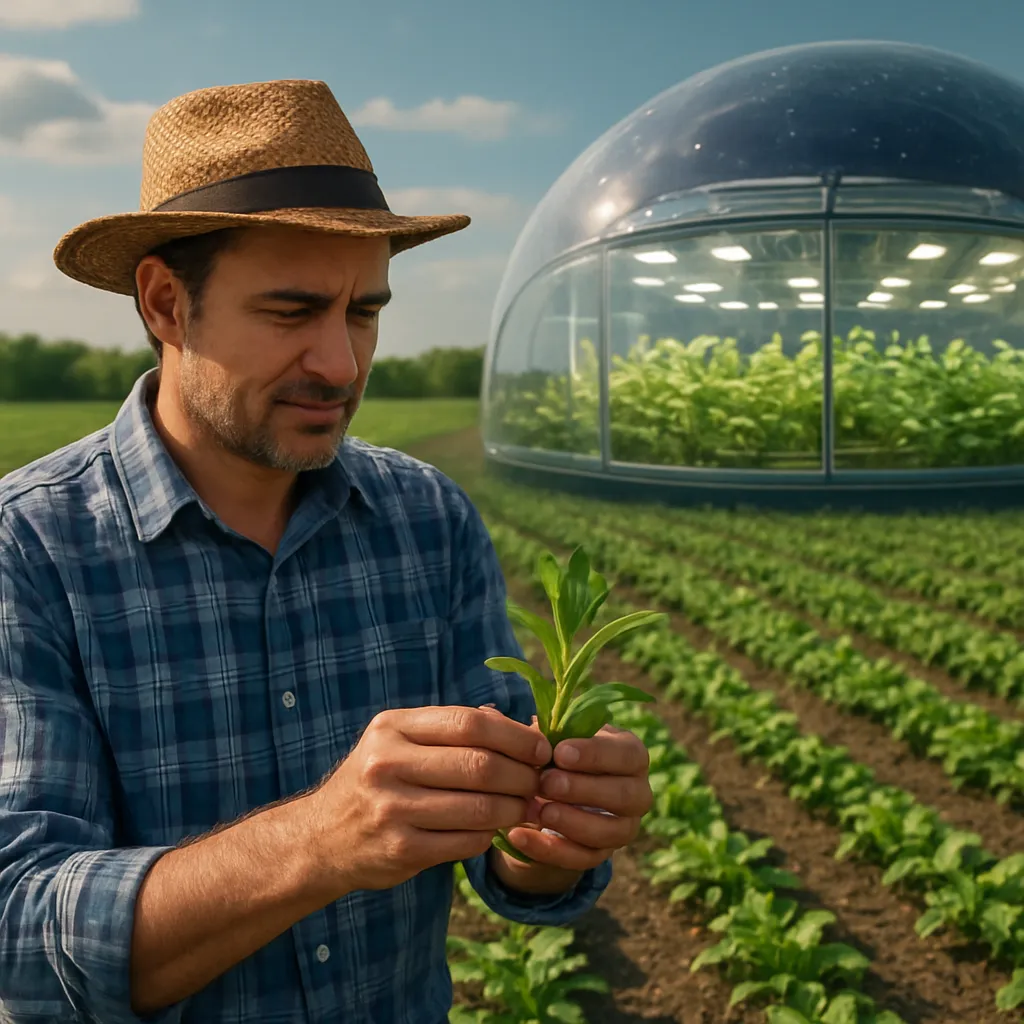
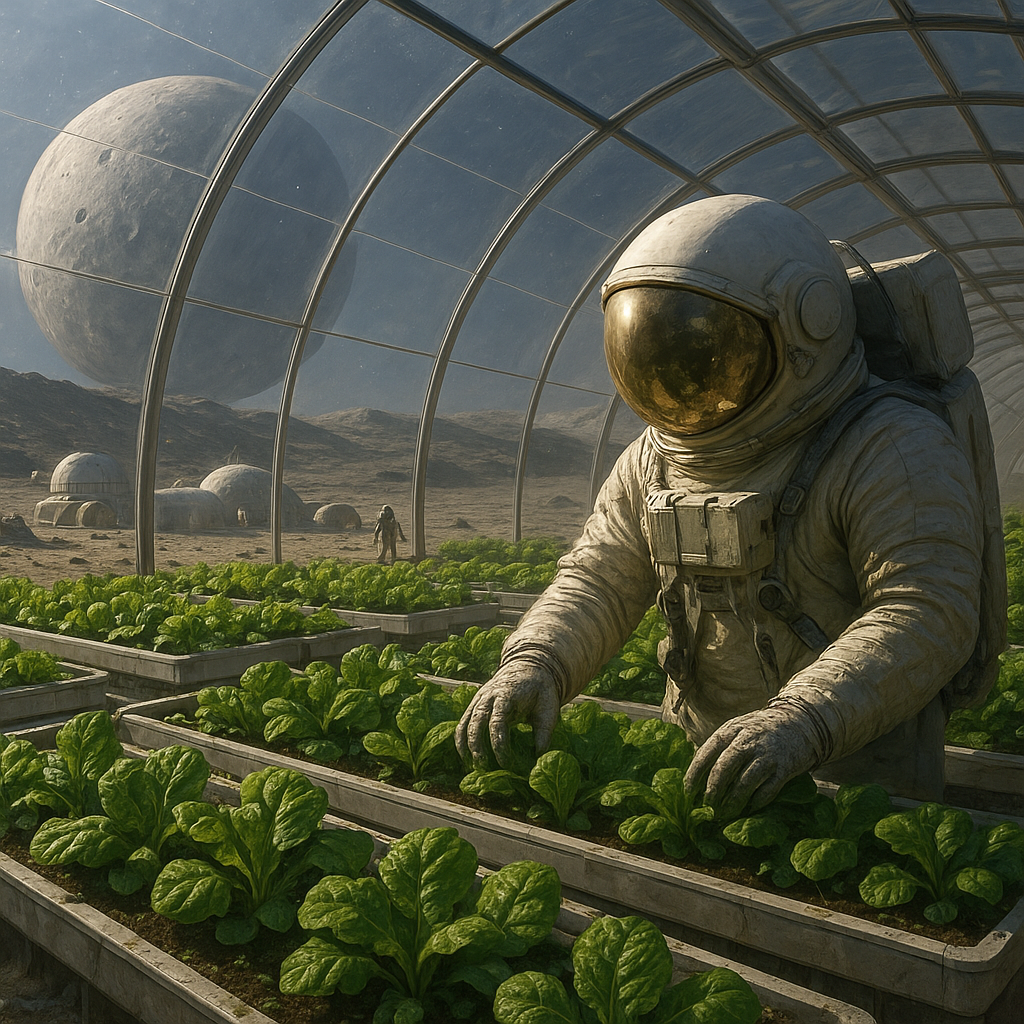
Looking ahead, the ambition to establish off-world farms extends beyond mere survival. Pioneers envision sprawling greenhouses beneath Martian domes and biodomes on the Moon teeming with heirloom crops. Advances in synthetic biology may soon enable designer plants that produce pharmaceuticals, biofuels, and raw materials in situ. Crop portfolios might include:
- High-yield grains fortified with essential vitamins
- Leafy vegetables engineered for rapid harvest cycles
- Fruit trees adapted for compact growth and early fruiting
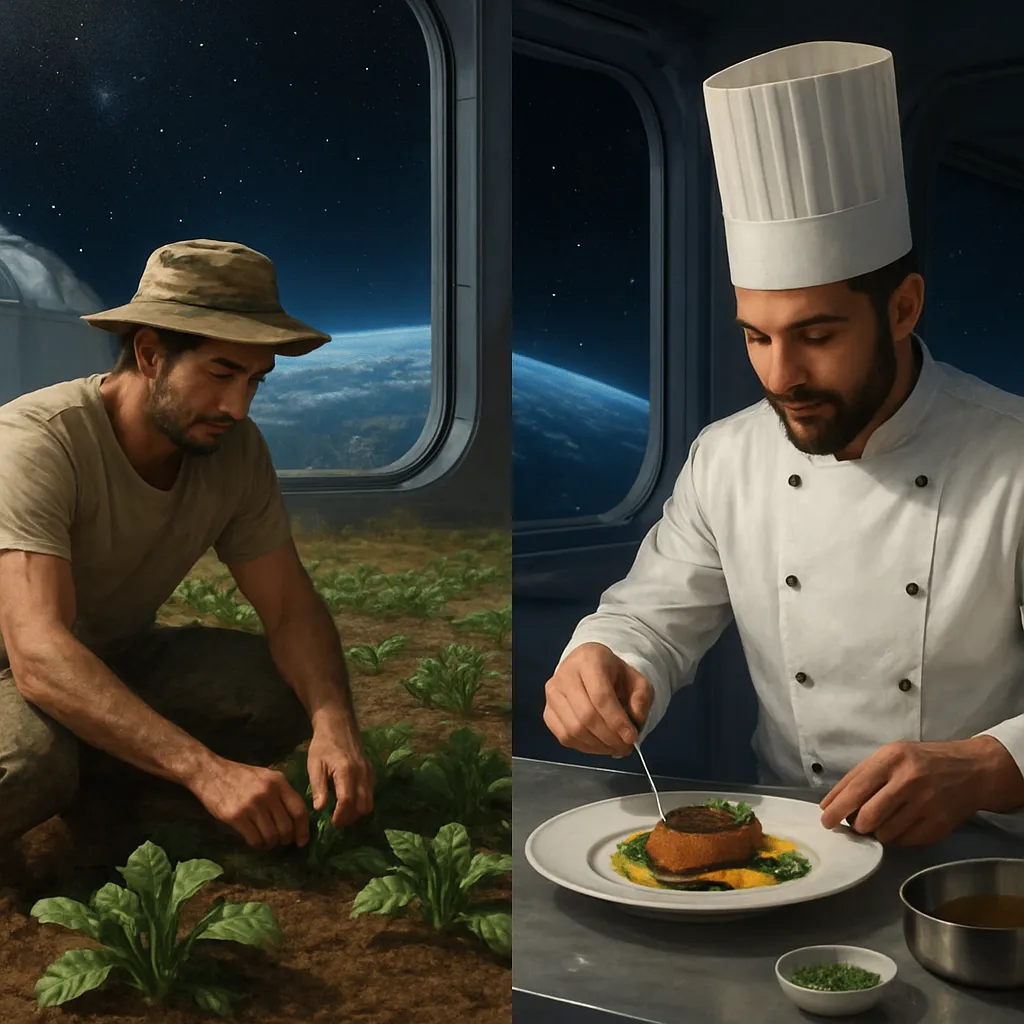
- Herbs with enhanced aromatic compounds for culinary diversity
Beyond Mars, the concept of terraforming looms on the horizon. By releasing greenhouse gases from local ice reserves or altering atmospheric composition via microbial consortia, long-term transformation of planetary climates could become achievable. Though this remains speculative, incremental steps in space agriculture represent critical milestones toward civilization’s expansion into the cosmos.