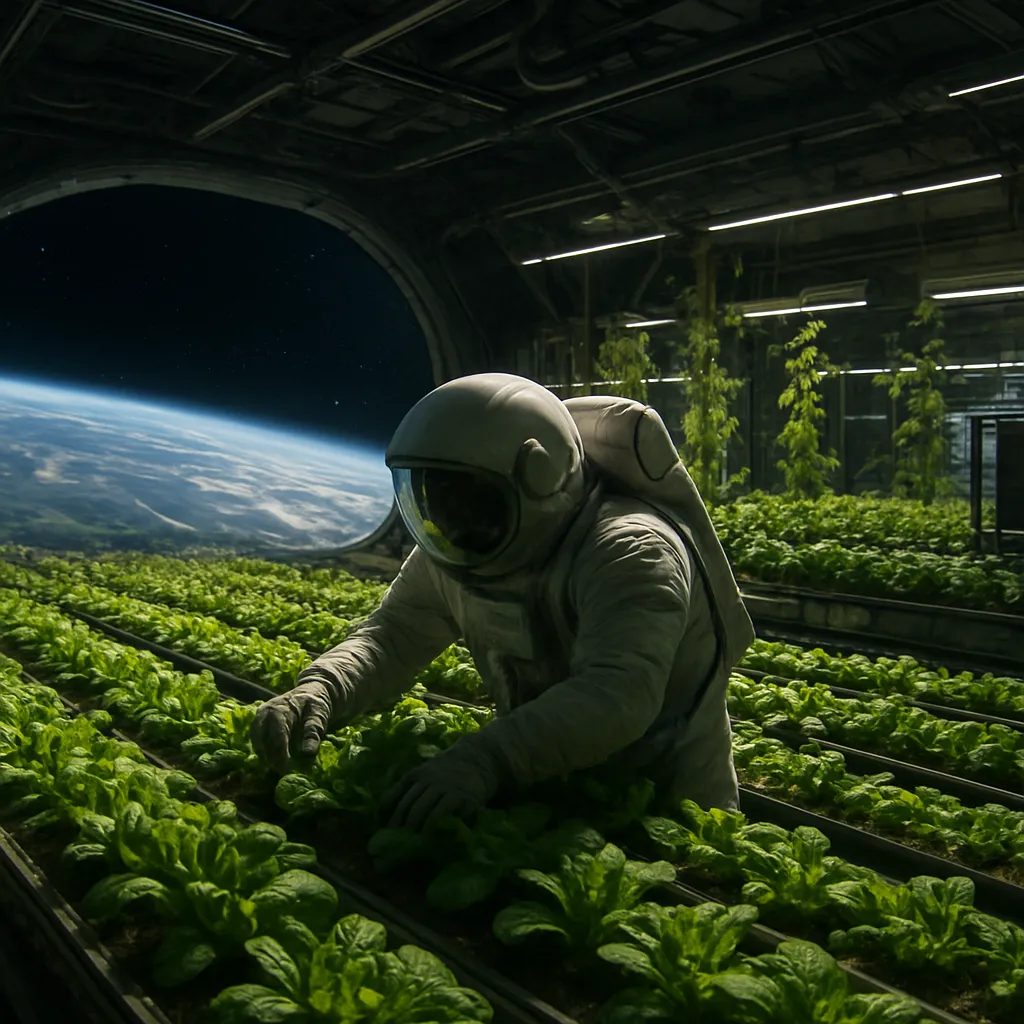
The quest to cultivate crops beyond Earth’s atmosphere demands innovative solutions for every resource, none more critical than water. In orbit or on planetary surfaces, astronauts must rely on systems that recover, purify and recycle water with minimal loss. Integrating plant production with advanced purification technologies creates a truly sustainable environment where every drop counts. This article explores cutting-edge approaches and design principles that enable efficient water reclamation within space-based agriculture.
System Architecture for Water Recycling
Designing a reliable water management system in space hinges on establishing a robust closed-loop infrastructure. This architecture typically consists of multiple interconnected layers, each performing a specialized function:
- Pre-treatment and solids separation
- Advanced treatment modules
- Biological integration zones
- Distribution to plant growth chambers
In many proven concepts, wastewater from crew hygiene and habitat activities is first directed through a finely meshed screen to remove particulates. The clarified stream then flows into a series of modular units, such as membrane bioreactors and catalytic oxidation chambers, which remove dissolved organics and pathogens.
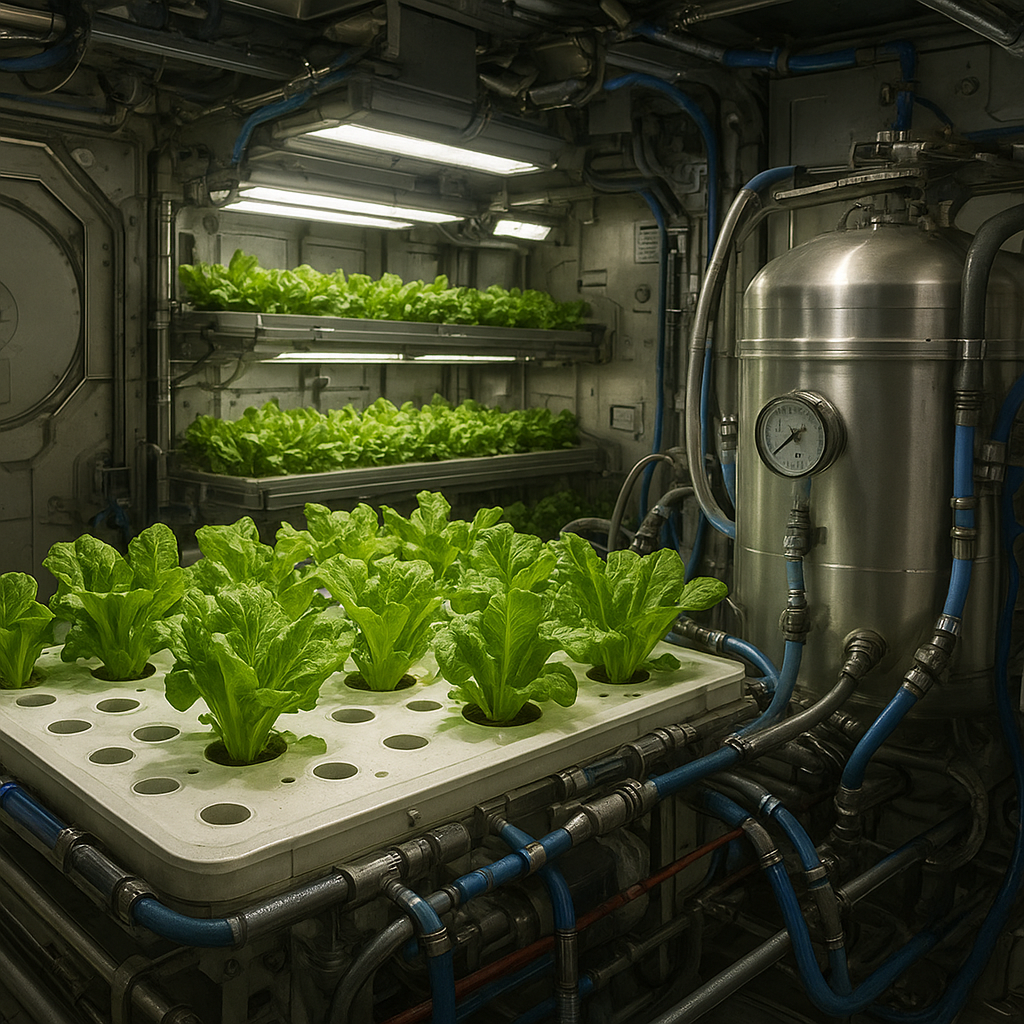
After advanced removal steps, the water undergoes final polishing using ultrafiltration or reverse osmosis membranes. At this stage, the goal is to achieve potable-grade quality that can be safely supplied to the greenhouse environment. All recovered water is then mixed with nutrient concentrates and delivered to hydroponic racks, completing the loop from waste discharge back to plant uptake.
Biological Filtration and Plant Integration
Bioreactors that leverage living organisms are pivotal for converting residual waste into forms usable by crops. Two primary methods dominate current research:
- Hydroponics systems optimized for nutrient uptake efficiency
- Aquaponics arrangements combining fish culture with cycling of nutrients
In hydroponic cultivation, roots are suspended in nutrient solutions, removing the need for soil. This approach isolates plant uptake from contamination risks. Nutrient delivery can be precisely controlled, ensuring minimal excess that would otherwise burden the recycling loop. By adjusting pH and electrical conductivity, operators can fine-tune the nutrient profile for each crop species.
Aquaponic systems introduce an additional biological layer. Fish excrete ammonia, which beneficial bacteria convert into nitrate. Plants absorb nitrate as a primary nitrogen source, while offering biofiltration that keeps water safe for fish. This synergy reduces external nutrient inputs and enhances overall efficiency of the recycling cycle.
Advanced Technologies in Closed-Loop Water Management
Pioneering research in space agriculture has produced several promising technologies designed to maximize recovery rates and minimize mass and power requirements:
Photocatalytic Oxidation
Utilizing ultraviolet light combined with titanium dioxide catalysts, photocatalytic reactors break down complex organic molecules into simpler compounds and ultimately into carbon dioxide and water. This process targets trace organic contaminants that resist conventional treatment, supporting near-total recovery of water in microgravity environments.
Forward Osmosis Modules
Unlike pressure-driven reverse osmosis, forward osmosis relies on osmotic gradients to draw water across a semi-permeable membrane into a draw solution. After separation, the draw solution is regenerated, releasing ultra-pure water. This technique offers reduced energy consumption and less potential membrane fouling, crucial for microgravity operations.
Algal Photobioreactors
Microalgae serve dual roles as biological filtration agents and as potential biomass for food or biofuel feedstock. In closed photobioreactors, algae assimilate carbon dioxide exhaled by crew and convert nutrients into cellular matter. Harvested biomass can be processed into nutrient-dense supplements, closing nutritional loops while cleaning water.
Challenges and Future Directions
While remarkable progress has been made, several challenges remain before fully autonomous space-based agriculture becomes routine:
- Managing microbial communities to prevent biofilm formation and system clogging
- Balancing nutrient ratios in dynamic growth cycles without human intervention
- Designing lightweight, durable materials that withstand radiation and mechanical stresses
- Scaling systems for larger crew sizes or longer mission durations
Emerging research focuses on hybrid solutions that combine physical, chemical and biological processes. Integration of real-time sensors and machine learning controllers will enable adaptive management of water chemistry and flow rates. Novel biopolymer membranes infused with antimicrobial peptides may reduce biofouling and extend maintenance intervals.
In the coming decades, these systems will evolve toward higher water recovery rates, greater automation and lower resource footprints. As humanity ventures farther into deep space and establishes permanent settlements, advanced water recycling will underpin our ability to thrive off-world. By merging innovative engineering with ecological design principles, space-based agriculture can achieve a level of resilience and nutrient efficiency that transforms life support for future explorers.