As humanity sets its sights on Mars, the Moon and beyond, sustainable life support systems stand at the forefront of mission success. Leveraging the remarkable capabilities of cyanobacteria, researchers envision creating closed-loop habitats that generate breathable air, safe drinking water and nutrient-rich food. The integration of these microscopic powerhouses into spacecraft and planetary bases could transform long-duration missions by ensuring reliable resource regeneration without constant resupply from Earth.
Benefits of Cyanobacteria in Space Life Support
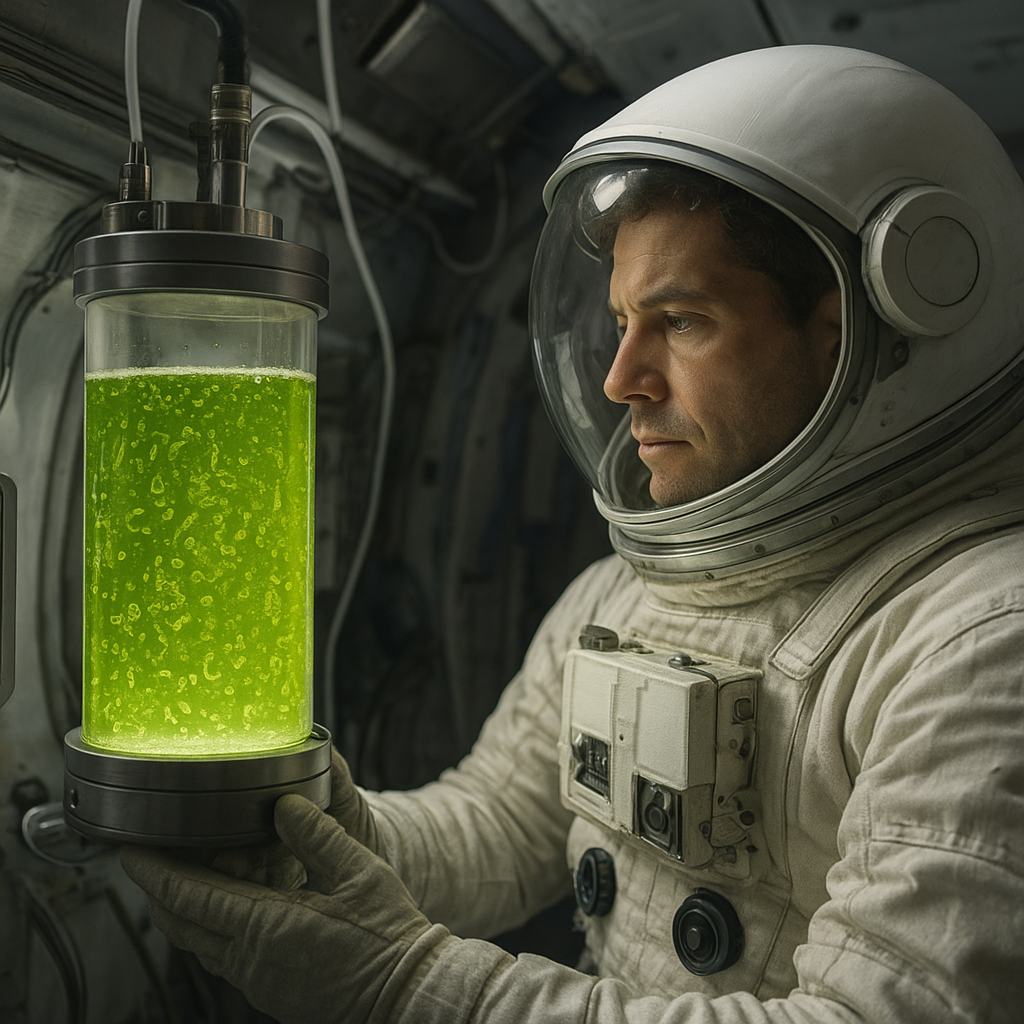
Cultivating cyanobacteria in orbit or on planetary surfaces offers multiple advantages over conventional physicochemical systems. First, these organisms carry out photosynthesis, consuming carbon dioxide and releasing molecular oxygen. This biological process reduces the mass and complexity of onboard oxygen tanks, replacing them with compact culture vessels. Second, certain strains produce essential vitamins, proteins and lipids, serving as an edible biomass that supplements astronauts’ diets. Third, by metabolizing waste gases and organic residues, cyanobacterial cultures function as a living bioregenerative support network capable of handling variable crew loads and mission durations.
- Oxygen generation through natural photosynthetic pathways
- Biomass production for food and animal feed supplements
- Waste valorization via carbon and nitrogen fixation
Integrating cyanobacteria into spacecraft architecture could decrease overall payload weight and enhance mission resilience. By tapping into self-regulating biological cycles, crews gain a degree of autonomy previously unattainable with pure chemical systems.
Photosynthetic Mechanisms in Microgravity
Microgravity environments present unique challenges and opportunities for photosynthetic microorganisms. The absence of buoyancy-driven convection alters nutrient distribution and gas exchange within culture vessels. To ensure consistent growth, designers explore both static and rotating photobioreactor configurations that promote uniform light exposure and mixing. Recent experiments aboard the International Space Station have demonstrated that certain filamentous strains adapt well to low-shear conditions, maintaining high rates of oxygen evolution and biomass accumulation.
- Optimization of light spectra to match cyanobacterial absorption peaks
- Control of gas-liquid interfaces to maximize CO2 uptake
- Use of microfluidic channels to mimic Earth-like circulation patterns
Understanding how gravity influences cell morphology, pigment production and metabolic activity is crucial for scaling up operations. Ongoing research focuses on developing robust cultivation protocols that withstand launch stresses and long-duration stays in orbit or on lunar outposts.
Engineering Bioreactors for Spacecraft
Translating laboratory cultures into flight-ready systems demands innovative bioreactor designs. These units must be lightweight, energy-efficient and easy to maintain under restrictive spacecraft conditions. Key considerations include light delivery, thermal management and automated control of pH, temperature and dissolved gases. Advances in LED technology allow adjustable light schedules and intensities that optimize photosynthetic efficiency while minimizing power draw.
- Compact modular trays compatible with rack-mounted architecture
- Sensor arrays for real-time monitoring of biomass density and gas composition
- Automated harvesting and media replenishment routines
Materials selection is equally critical: transparent polymers resistant to radiation and biofouling ensure long service life. Integration with existing life support hardware—such as water recyclers and air processing units—creates a truly interconnected ecosystem that supports healthy crew environments.
Nutrient Recycling and Waste Management
Closing the loop on resource use necessitates efficient nutrient recycling strategies. Cyanobacteria can assimilate nitrogenous wastes from human urine, greywater and organic detritus, converting them into high-value biomass. This approach reduces reliance on Earth-sourced fertilizers and mitigates the accumulation of toxic byproducts aboard spacecraft.
- Pre-treatment of waste streams to remove inhibitors and heavy metals
- Sequential cultivation phases to balance nutrient uptake and growth rates
- Integration with higher-plant hydroponic modules for polytrophic systems
By linking microbial and plant-based units, mission architects aim to establish a synergistic agritech platform. Solid and liquid wastes become feedstocks for cyanobacterial farms, which in turn produce oxygen and edible material—closing fundamental loops that sustain crewed operations far from Earth.
Genetic and Biotechnological Enhancements
To maximize performance, scientists pursue genetic engineering of cyanobacterial strains. Modifications may include light-harvesting complex optimization, increased carbon fixation rates and enhanced stress tolerance. Synthetic biology tools enable the introduction of novel metabolic pathways for the biosynthesis of pharmaceuticals, pigments and industrial polymers directly in space.
- CRISPR-based edits to upregulate RuBisCO activity
- Insertion of stress-response genes for radiation and desiccation resistance
- Metabolic rewiring to channel carbon into targeted compounds
By tailoring microorganisms to the unique constraints of extraterrestrial habitats, researchers unlock new dimensions of productivity. Rigorous biosafety assessments ensure that engineered strains perform reliably without posing risks to crew health or planetary environments.
Prospects for Extraterrestrial Agriculture
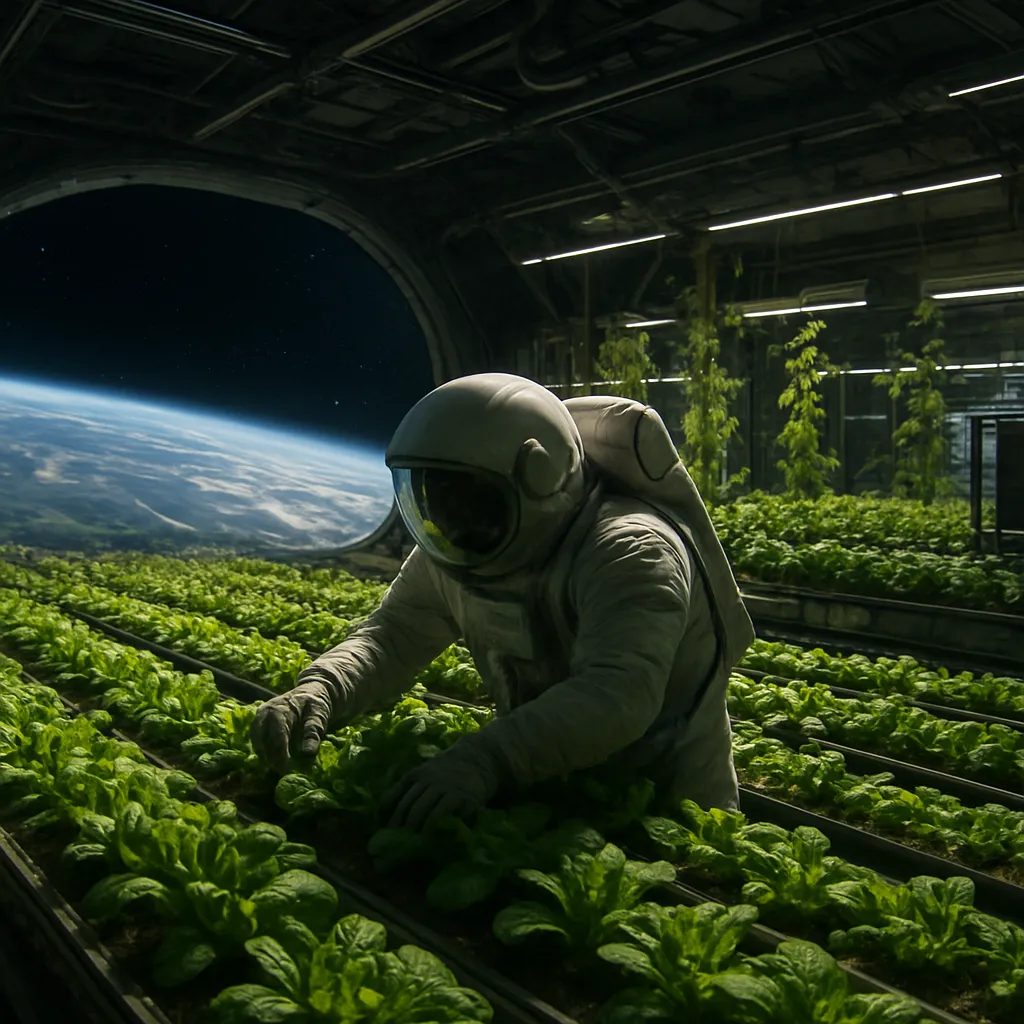
Beyond initial life support, cyanobacteria may pave the way for larger-scale extraterrestrial agriculture. On the Moon and Mars, regolith-based cultivation systems enriched with microbial biofertilizers could support leafy greens, tubers and grains. The extraterrestrial agronomy revolution envisions integrated farms where closed-loop cycles of air, water and nutrients operate in harmony.
- Soil amendment with cyanobacterial biomass to improve regolith structure
- Co-cultivation schemes pairing microbes with algae and higher plants
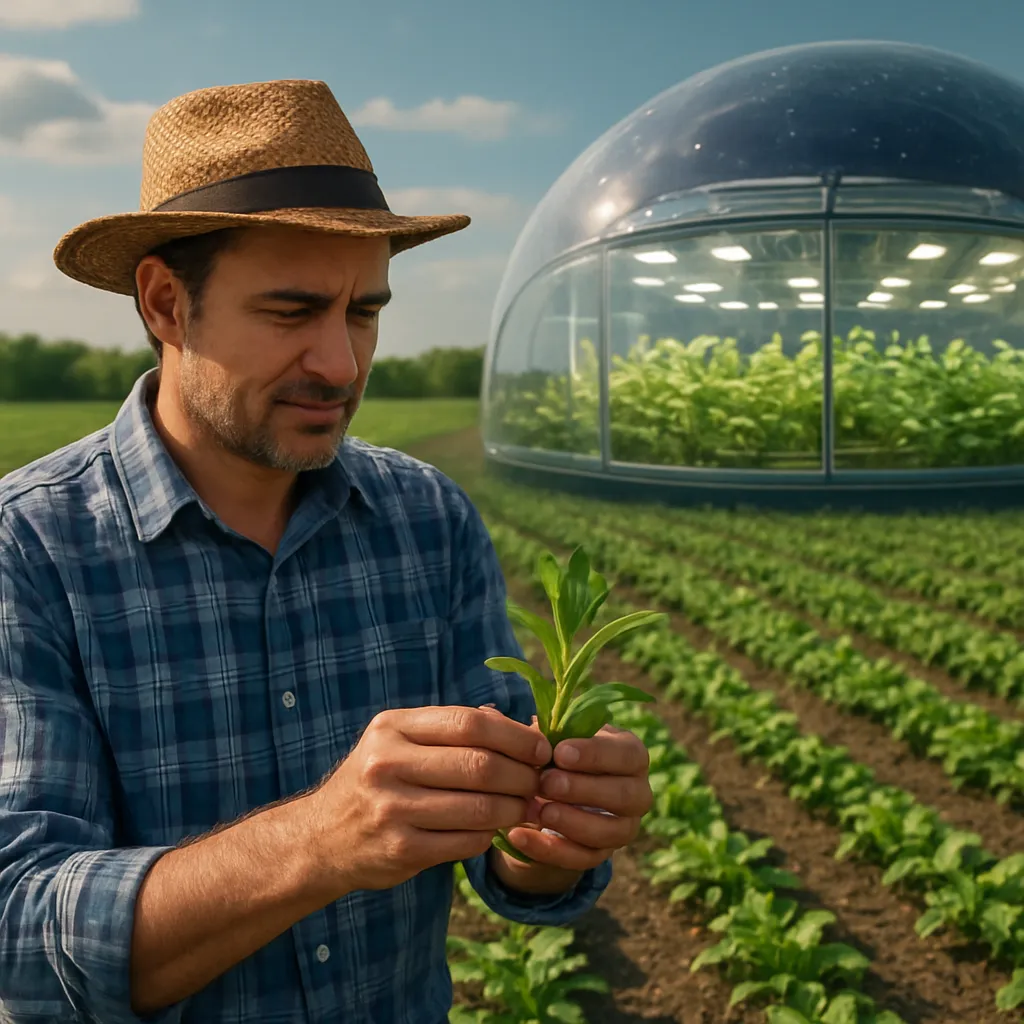
- Automated greenhouses powered by solar arrays and LED lighting
Deploying such habitats will demand rigorous field testing in analog environments on Earth, from desert outposts to polar stations. Success in these trials will build confidence for establishing self-sufficient bases on our nearest neighbors.