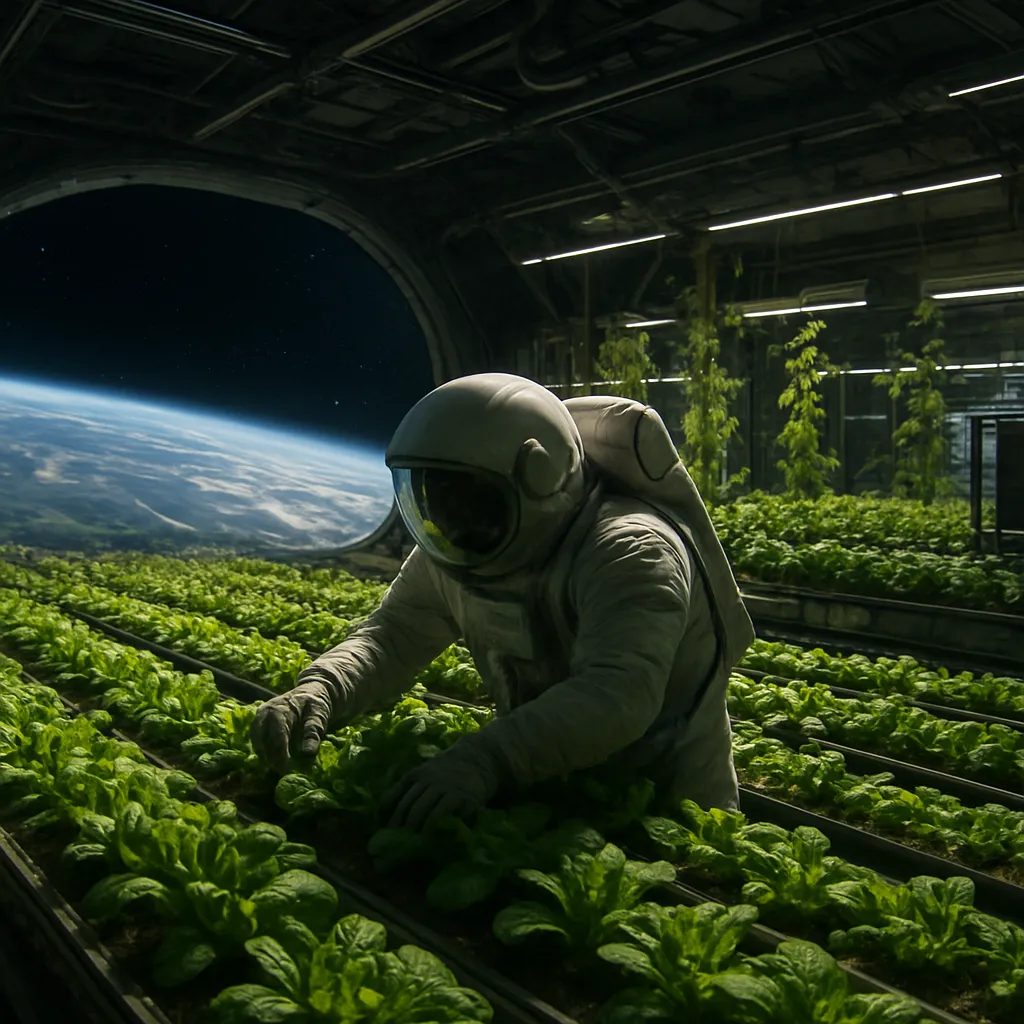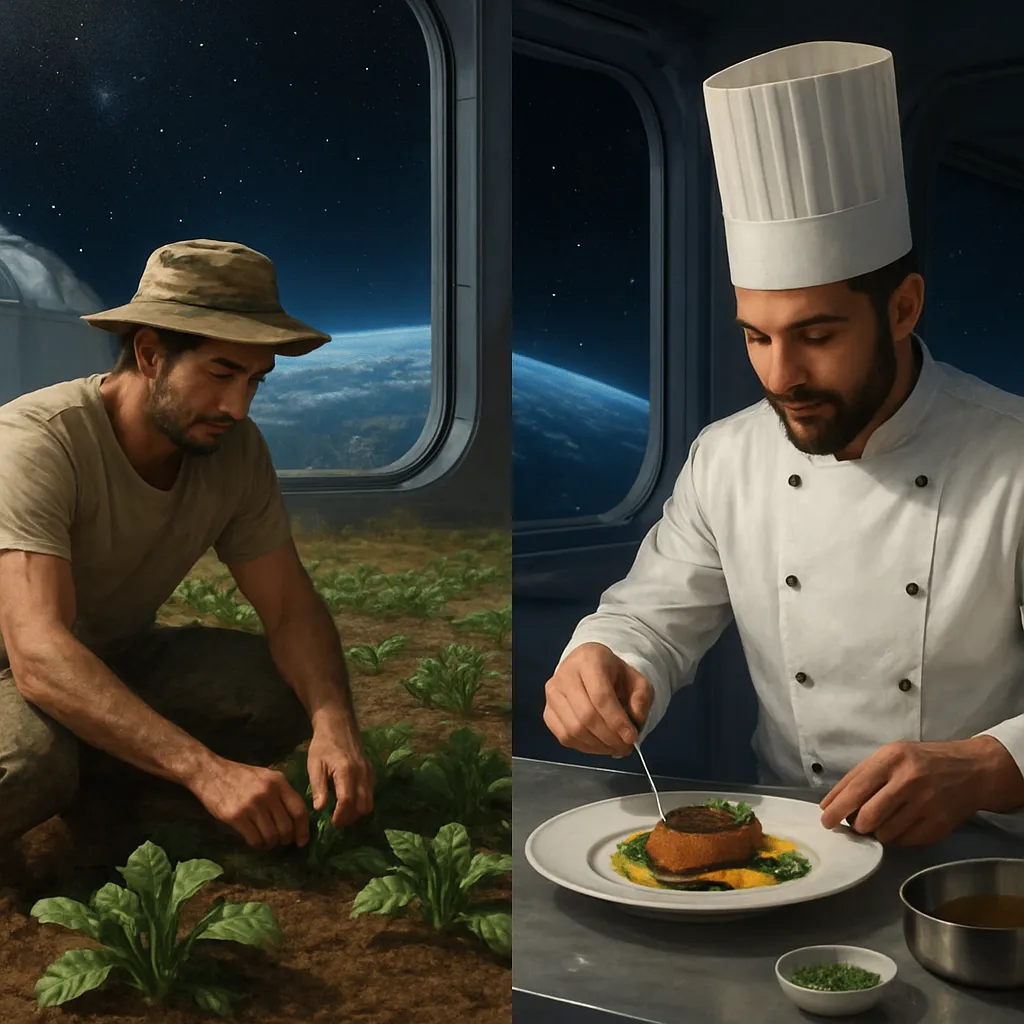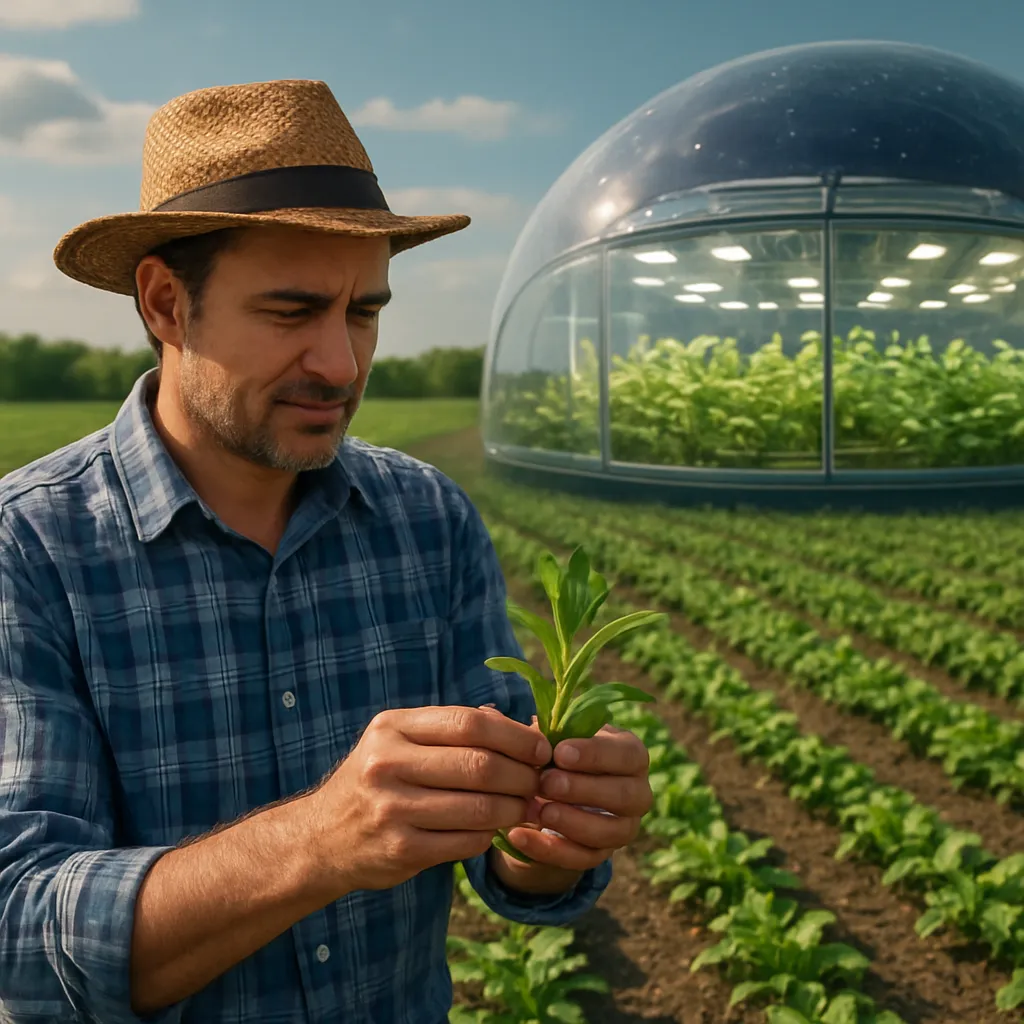
Space agriculture represents a pivotal frontier in human exploration beyond Earth, where cultivating crops under extraterrestrial conditions demands radical rethinking of energy management, resource cycles, and technological integration. This article examines the critical components and breakthroughs that enhance energy efficiency in enclosed agricultural modules orbiting Earth or situated on lunar and Martian surfaces. Key considerations include optimizing lighting, climate control, and resource recycling to sustain continuous crop production with minimal external inputs.
System Designs for Space Agriculture
Environment Control and Energy Flows
Maintaining a stable atmosphere and temperature within a growth chamber is essential for plant viability. Traditional greenhouses on Earth rely on passive insulation and abundant sunlight, but space habitats must contend with vacuum, radiation, and extreme temperature swings. Engineers use multi-layered insulation panels, active thermal regulation loops, and phase-change materials to balance heat absorbed from LED lighting with heat lost to the surrounding environment. Key strategies include:
- Integration of heat exchangers coupled with radiators to dump excess thermal energy into space.
- Use of thermostatically controlled pumps circulating nutrient solutions at precise temperatures to prevent root-zone stress.
- Deployment of recyclable waste heat streams from other spacecraft systems, such as life-support units, to warm plant beds.
Optimizing Plant Growth in Microgravity
Microgravity impacts the orientation of plant roots and shoots, altering water distribution and nutrient uptake. To counter these challenges, cultivation racks incorporate capillary mats and hydroponic channels that ensure uniform moisture delivery. Research centers on:
- Gravity-independent watering systems using aeroponic misting to maximize root oxygenation.
- Selective breeding and genetic editing to enhance root architecture for improved anchorage and nutrient absorption.
- Modular growth trays designed for quick replacement and minimal energy requirements during maintenance.
Innovations in Energy Sources and Efficiency
Advanced LED Lighting and Photovoltaic Integration
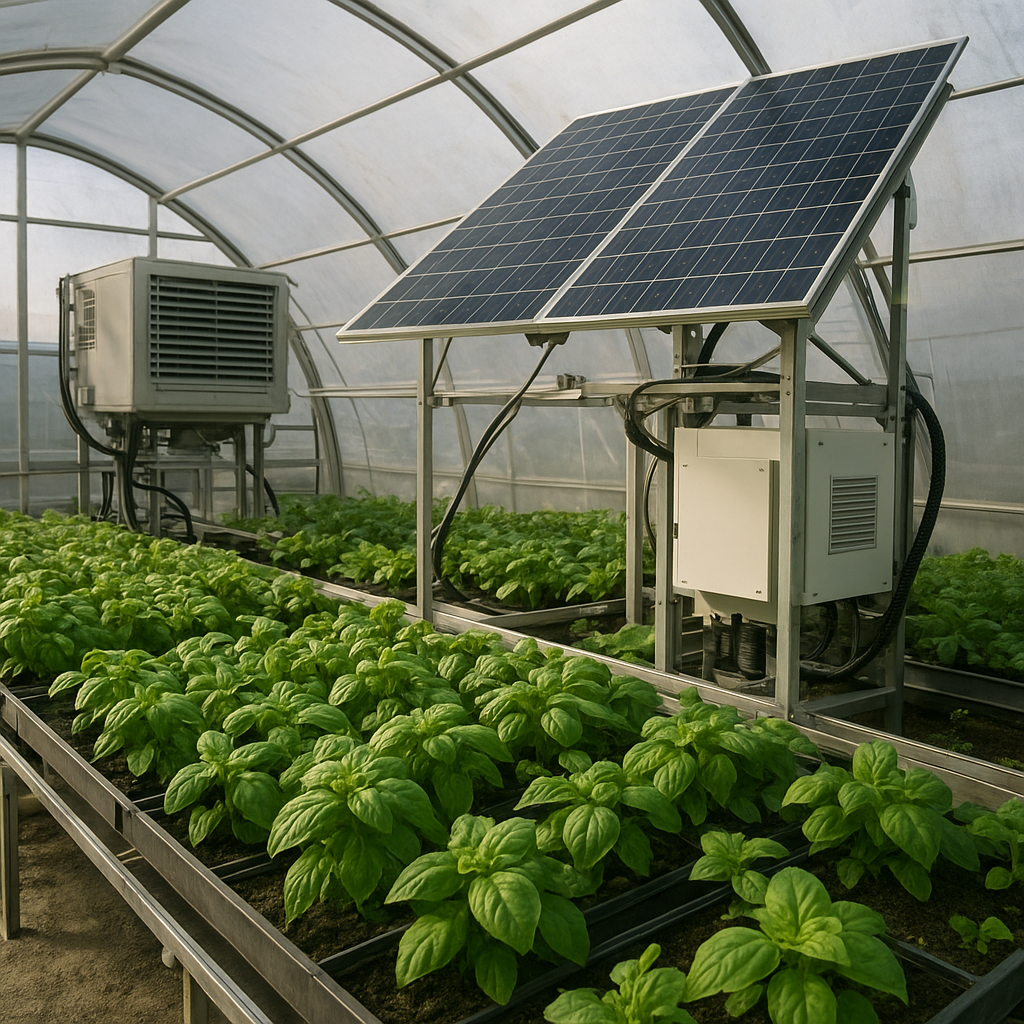
High-efficiency LED lighting arrays have revolutionized plant illumination, offering precise control over light spectra to promote photosynthesis, flowering, and fruiting. Red and blue wavelengths are prioritized, while far-red and green light are adjusted to optimize growth metrics. Integration with photovoltaic panels on external modules enables direct power supply during sunlit periods. Notable advancements include:
- Smart dimming protocols synchronized with plant circadian rhythms, reducing energy consumption during dark cycles.
- Dynamic beam steering to concentrate photons on actively photosynthesizing leaves, rather than illuminating entire chamber uniformly.
- Hybrid solar-thermal collectors that generate electricity and capture waste heat for climate control.
Thermal Regulation and Radiative Cooling
Space habitats employ radiative cooling systems that expel infrared radiation into space, maintaining stable interior temperatures. These include deployable radiators with variable emissivity coatings. Research focuses on:
- Electrochromic surfaces that adjust reflectance in response to solar intensity, reducing thermal load during peak insolation.
- Utilization of phase-change materials within walls to buffer temperature swings by absorbing or releasing latent heat.
- Integration of microfluidic channels filled with high-thermal-capacity fluids circulating between crop beds and radiators.
Sustainability and Resource Management
Closed-Loop Recycling and Waste Minimization
Resource constraints dictate a closed-loop system where water, nutrients, and even carbon dioxide are continuously recycled. Space agriculture modules often connect to life-support systems, enabling:
- Condensation recovery units capturing transpired moisture from leaves, purifying it for re-use in hydroponic solutions.
- Bioreactors converting organic waste—trimmed biomass and inedible plant parts—into microbial feedstock and fertilizer.
- CO₂ enrichment loops that route exhaled gas from astronauts directly into plant chambers, enhancing photosynthetic efficiency.
Automation, AI, and Robotic Assistance
Labor limitations and need for precision drive the integration of automation and artificial intelligence in space farming. Autonomous robots handle seeding, monitoring, and harvesting tasks, thereby reducing manual intervention. Key innovations include:
- Machine vision systems that assess leaf health via multispectral imaging, triggering targeted nutrient or water delivery.
- AI-driven climate control algorithms that learn optimal parameters for each crop variety, continuously refining setpoints to conserve energy.
- Modular robotic arms capable of replacing growth trays or swapping lighting modules without crew assistance, ensuring minimal habitat entry to reduce contamination risks.
Materials and Construction Strategies
Lightweight Composite Structures
Minimizing payload mass is critical for extraterrestrial missions. Growth chambers utilize lightweight composites woven with carbon fibers and embedded with radiation-shielding nanoparticles. Benefits include:
- Structural rigidity to withstand launch loads and pressure differentials.
- Reduced mass enabling larger agricultural footprints per unit launch cost.
- Enhanced durability against micrometeoroid impacts and cosmic radiation.
Modular and Expandable Configurations
Flexibility in system design allows for incremental habitat expansion as mission goals evolve. Modular units connect via standardized interfaces for power, data, and environmental control. This approach ensures:
- Scalability from small experiments aboard the International Space Station to full-scale lunar greenhouses.
- Ease of replacement and upgrading of individual modules without overhauling entire systems.
- Interchangeable power modules combining solar arrays, fuel cells, and battery storage to match mission profiles.
Future Perspectives and Challenges
Scaling to Martian and Lunar Outposts
Transitioning from low Earth orbit to the lunar surface or Mars introduces harsher conditions—lower gravity, increased radiation, and dusty environments. Future designs must incorporate:
- Robust shielding combining regolith-based barriers and synthetic materials to protect both plants and electronics from radiation.
- Dust mitigation strategies such as electrostatic screens to prevent regolith contamination of sensors and trays.
- Adaptive software capable of auto-calibrating systems in response to long communication delays and variable solar cycles.
Enhancing Crop Diversity and Nutrition
Beyond staple greens like lettuce and spinach, researchers aim to cultivate fruiting plants (tomatoes, peppers) and protein-rich legumes. Achieving this diversity requires:
- Customized lighting spectra and photoperiods tailored to flowering and fruit set cycles.
- Advanced nutrient formulations balancing macro- and micronutrients for optimal yields.
- Genetic optimization to develop varieties with shorter lifecycles, higher water-use efficiency, and improved flavor under controlled-environment conditions.
Conclusion of Technological Implications
Although significant progress has been made in designing energy-efficient space agriculture systems, ongoing research must address the integration of heterogeneous technologies within the stringent mass, volume, and power constraints of deep-space missions. Collaborative efforts between aerospace engineers, plant scientists, and AI specialists will drive the next breakthroughs, bringing sustainable off-world farming closer to reality.