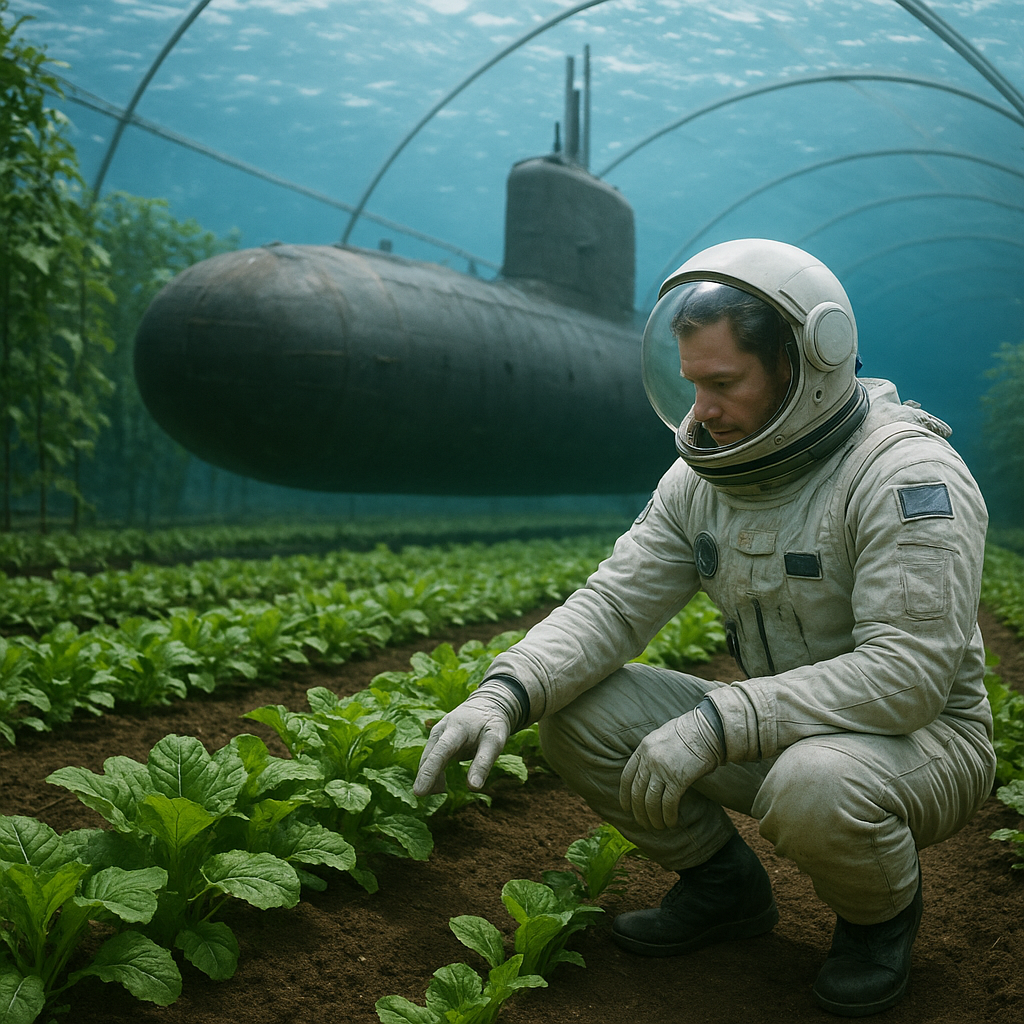
Space missions and underwater voyages share a remarkable similarity: both demand self‐sufficiency in hostile environments. Submarine agriculture has evolved to address extreme isolation, limited resources, and stringent safety protocols. By examining the innovations developed for growing food beneath the waves, space farmers can harness proven strategies to overcome the unique challenges of cultivating crops in microgravity and closed ecosystems. The lessons learned from submarine systems—ranging from precise environmental control to advanced water recycling—offer a blueprint for creating resilient, efficient, and scalable agricultural modules for future space habitats.
Controlled Environment Management
Submarines operate within a sealed hull, where temperature, humidity, and atmospheric composition must be maintained within narrow tolerances. This level of precision directly informs the design of space greenhouses. In both contexts, fluctuations in CO₂ or oxygen levels can impair plant metabolism and endanger crew safety. Submarine farms rely on integrated sensors linked to automated HVAC (Heating, Ventilation, and Air Conditioning) units that adjust environmental parameters in real time. Similarly, space agricultural modules require closed‐loop feedback systems to ensure optimal growth conditions despite external disturbances such as solar radiation or spacecraft maneuvers.
Key strategies borrowed from submarine operations include:
- Networked sensor arrays that monitor microclimate variables (temperature, humidity, gas levels) with minimal human intervention.
- Automated actuators controlling air circulation, shading panels, and nutrient delivery to maintain ideal plant growth zones.
- Fail‐safe redundancies and emergency protocols to handle system malfunctions, reducing risk for both crew and crops.
Water and Nutrient Recycling Systems
Effective water management is arguably the most critical factor in any closed ecosystem. Submarine agriculture utilizes advanced water recovery technologies to reclaim condensation, greywater, and even urine. These feed into multi‐stage filtration and purification units—employing activated carbon, reverse osmosis, and ultraviolet sterilization—to produce irrigation‐grade water. Space farmers can adopt similar modular systems, optimizing them for microgravity by incorporating capillary transport and membrane bioreactors that function without reliance on gravitational settling.
Design elements include:
- Membrane bioreactors that couple microbial colonies with filtration membranes, achieving high removal rates of organic waste and pathogens.
- Electrochemical nutrient generators that recover key ions (nitrate, phosphate, potassium) from treated effluent, minimizing resupply needs.
- Smart distribution networks that meter water directly to plant root zones through porous tubes, reducing evaporation and water loss.
By ensuring nearly 100% water recovery, space habitats can sustain longer missions with minimal cargo mass devoted to consumables.
Lighting and Energy Solutions
Submarine farms face strict energy budgets, especially on conventional diesel‐powered vessels. As a result, they pioneered high‐efficiency LED lighting with dynamic spectral tuning to match plant photosynthetic peaks. These systems adjust light intensity and wavelength distribution to prioritize biomass accumulation, nutritional quality, or flowering stages. For space agriculture, where power is often generated via solar arrays and stored in batteries, adopting submarine‐grade LEDs can reduce draw on limited energy reserves.
- Programmable LED fixtures that shift between blue, red, far‐red, and UV spectra to control photomorphogenesis.
- Reflective growth chamber surfaces coated with highly reflective polymers to maximize light distribution.
- Integration with energy management software that schedules lighting cycles to coincide with periods of peak power availability.
Such optimizations not only conserve power but also enhance plant productivity—critical for sustaining long‐duration missions.
Microbial Management and Biosecurity
Maintaining a sterile environment is paramount in both submarines and spacecraft. Microbial contamination can trigger biofilm formation in piping, compromise water treatment systems, and spread plant pathogens. Submarine agriculture implements stringent biosecurity measures: periodic UV sterilization of air and water channels, HEPA‐grade filtration for incoming air, and onboard microbial monitoring to detect anomalies early. Space farmers can apply these protocols to prevent cross‐contamination between crops, experiments, and crew quarters.
Core practices include:
- Routine swab sampling and DNA‐based assays to track bacterial and fungal populations within growth chambers.
- UV‐C light modules incorporated into water loops and air ducts for continuous disinfection without chemical residues.
- Quarantine procedures for new seeds or plant material introduced into the closed system.
By building on submarine sterilization workflows, space agriculturalists can safeguard plant health and maintain consistent yields over extended mission durations.
Human Factors and Crew Integration
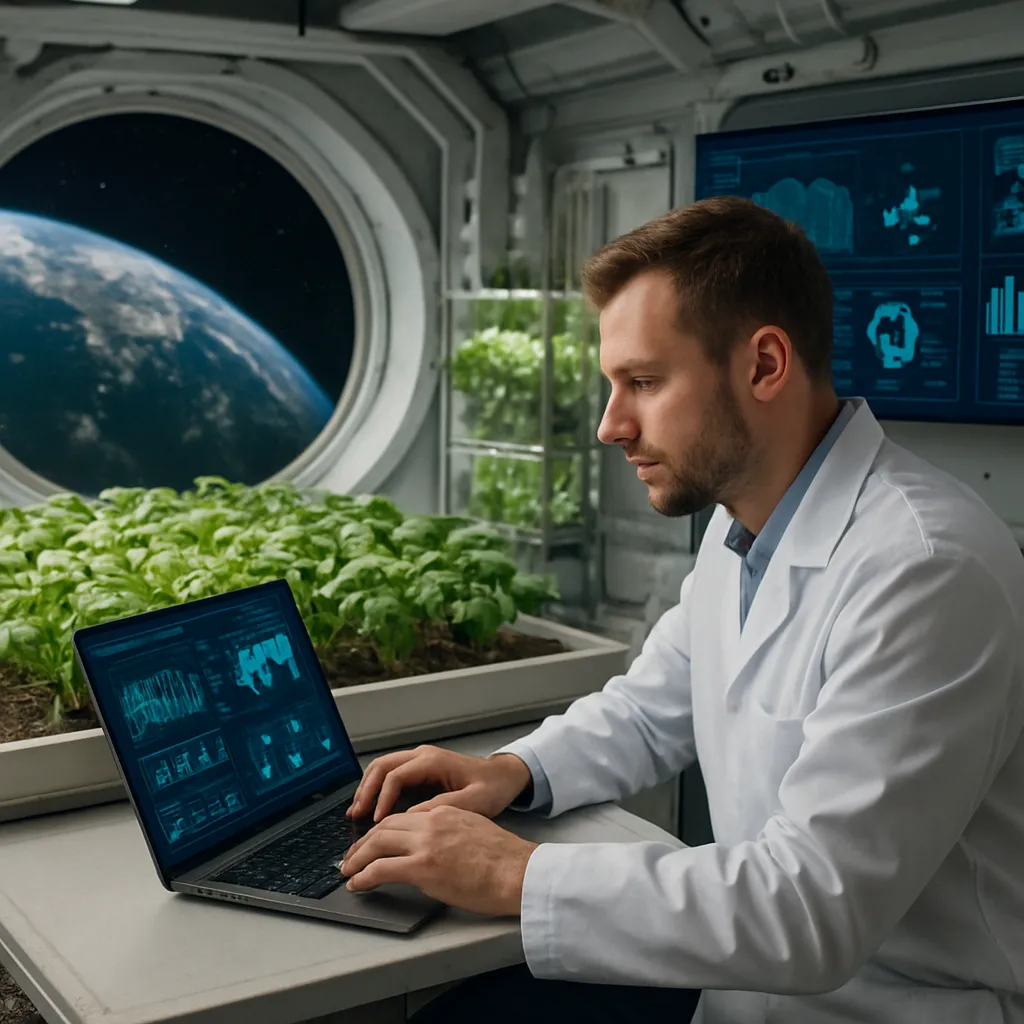
Beyond sustenance, submarine gardens serve as morale boosters, providing tactile interaction with living organisms and psychological relief from confined quarters. Spacefarers face similar stresses—monotony, sensory deprivation, and isolation—making plant cultivation a valuable countermeasure. Submarine programs emphasize ergonomic workstations, user‐friendly interfaces for monitoring growth metrics, and scheduled gardening breaks to foster a sense of purpose. Translating this to orbital outposts involves modular planters integrated into habitation decks, touchscreens that display real‐time growth data, and communal cropping tasks that promote teamwork.
- Adjustable rack heights and angled viewing panels to accommodate diverse crew heights and suit configurations.
- Interactive display systems that gamify agricultural milestones, encouraging engagement and stewardship.
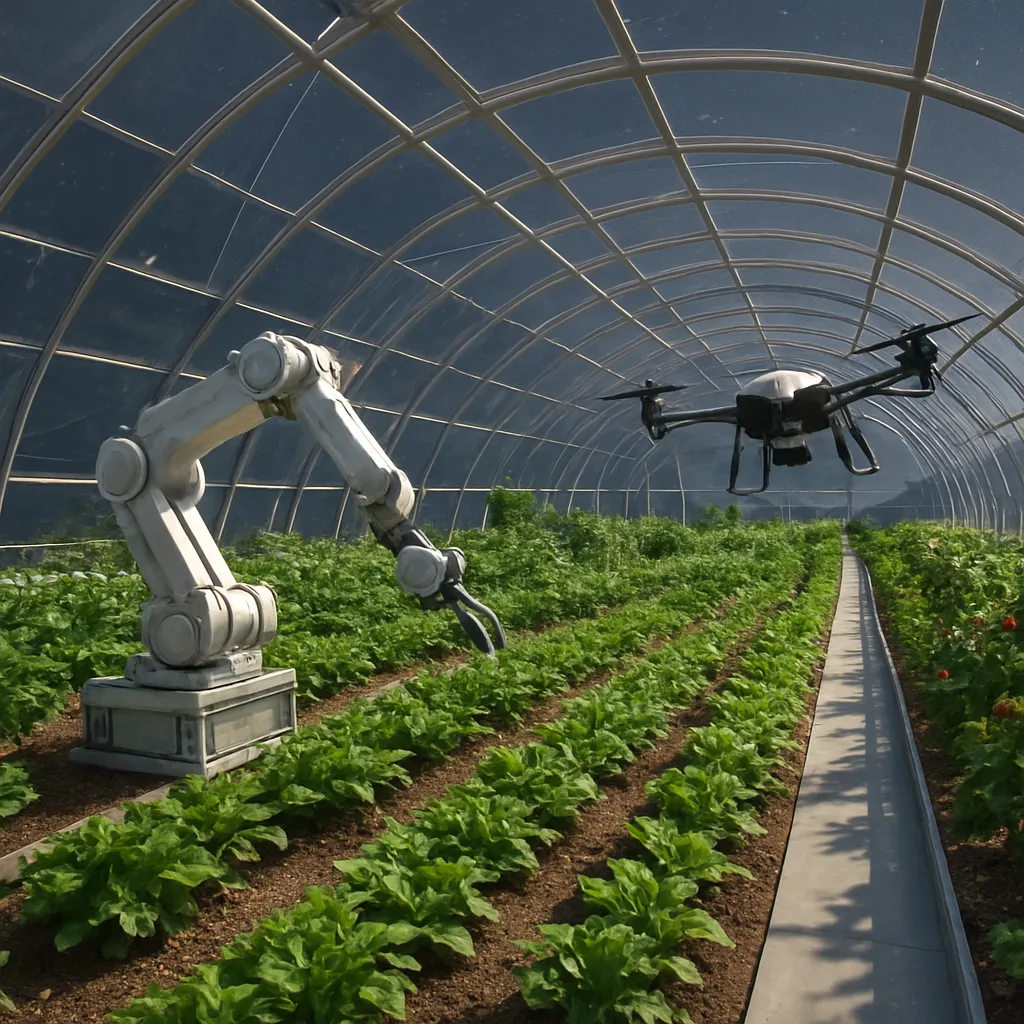
- Hybrid automation, allowing crew members to intervene manually for pruning or pollination, blending robotic precision with human intuition.
From Depths to Orbit: Adapting Submarine Lessons
The convergence of submarine and space agriculture symbolizes the power of cross‐sector innovation. Techniques refined under immense water pressure and isolation can be reengineered for microgravity and cosmic radiation environments. Pilot projects on Earth—such as undersea analog stations—offer testbeds for validating life support integration, refining automation protocols, and assessing crew‐plant interactions. By embracing the spirit of resilience and resourcefulness exemplified by submarine agriculture, space farmers can accelerate the development of reliable, self‐sustaining food systems that will underpin humanity’s expansion beyond our planet.