The pursuit of reliable life support in extraterrestrial settlements has prompted extensive research into plant-based oxygen generation. By leveraging natural photosynthesis and integrating it into engineered habitats, astronauts may benefit from continuous oxygen supply, effective carbon dioxide scrubbing, and food production. This article explores the biological foundations, system designs, environmental challenges, and agricultural integration of plant-driven oxygen systems for space habitats, highlighting critical innovations and actionable strategies.
Biological Mechanisms of Oxygen Production
Photosynthetic organisms, including higher plants and algae, convert CO2 and water into oxygen and biomass using light energy. The efficiency of this process depends on factors such as light intensity, temperature, nutrient availability, and habitat design. Understanding and optimizing these variables is essential in creating robust systems that can sustain human crews for extended missions.
Light-Driven Reactions
- Photosystem I and II: Two protein complexes in chloroplasts that drive electron transport and ATP generation during light absorption.
- Photon flux: Adequate light spectrum and intensity are critical for maximizing net oxygen output per square meter of cultivation area.
- Artificial illumination: LEDs tuned to specific wavelengths (red and blue) can improve energy efficiency in closed environments.
Carbon Fixation Pathways
Different species employ various biochemical routes to sequester carbon. C3 plants dominate terrestrial agriculture, but C4 and CAM plants can exhibit enhanced efficiency under high light or water-limited conditions. Microalgae may surpass terrestrial crops in volumetric oxygen production due to rapid growth rates and high surface-area-to-volume ratios.
Engineering Closed-Loop Life Support Systems
Integration of biological oxygen generators within spacecraft or planetary habitats requires a closed-loop design approach. Critical subsystems include atmosphere control, water management, nutrient delivery, and waste recycling. By coupling plant growth modules with air revitalization units, engineers aim to minimize resupply mass and maximize system resilience.
Photobioreactor Architectures
- Flat-plate reactors: Provide uniform light distribution, suited for phototrophic algae cultures.
- Vertical tubular reactors: Offer scalable volume, which can be wrapped around habitat walls or ceilings.
- Integrated biomass harvesting: Automated pumps or membranes separate biomass for food production or fertilizer processing.
Water and Nutrient Cycling
Water scarcity in space demands efficient recycling. Hydroponic and aeroponic systems reduce water use by up to 90 percent compared to soil-based agriculture. Reclaimed greywater and condensate can be treated and fed back into plant modules, while solid waste can undergo composting or fermentation to release minerals and organic acids, closing the nutrient loop.
Overcoming Extraterrestrial Challenges
Harsh environmental factors on the Moon, Mars, and beyond pose unique obstacles to plant-based life support. Gravity differences, radiation exposure, limited resources, and remote operation call for tailored solutions that ensure continuous oxygen generation under adverse conditions.
Microgravity and Partial Gravity Effects
- Root morphology changes: In microgravity, roots may exhibit altered branching patterns, affecting water uptake and nutrient absorption.
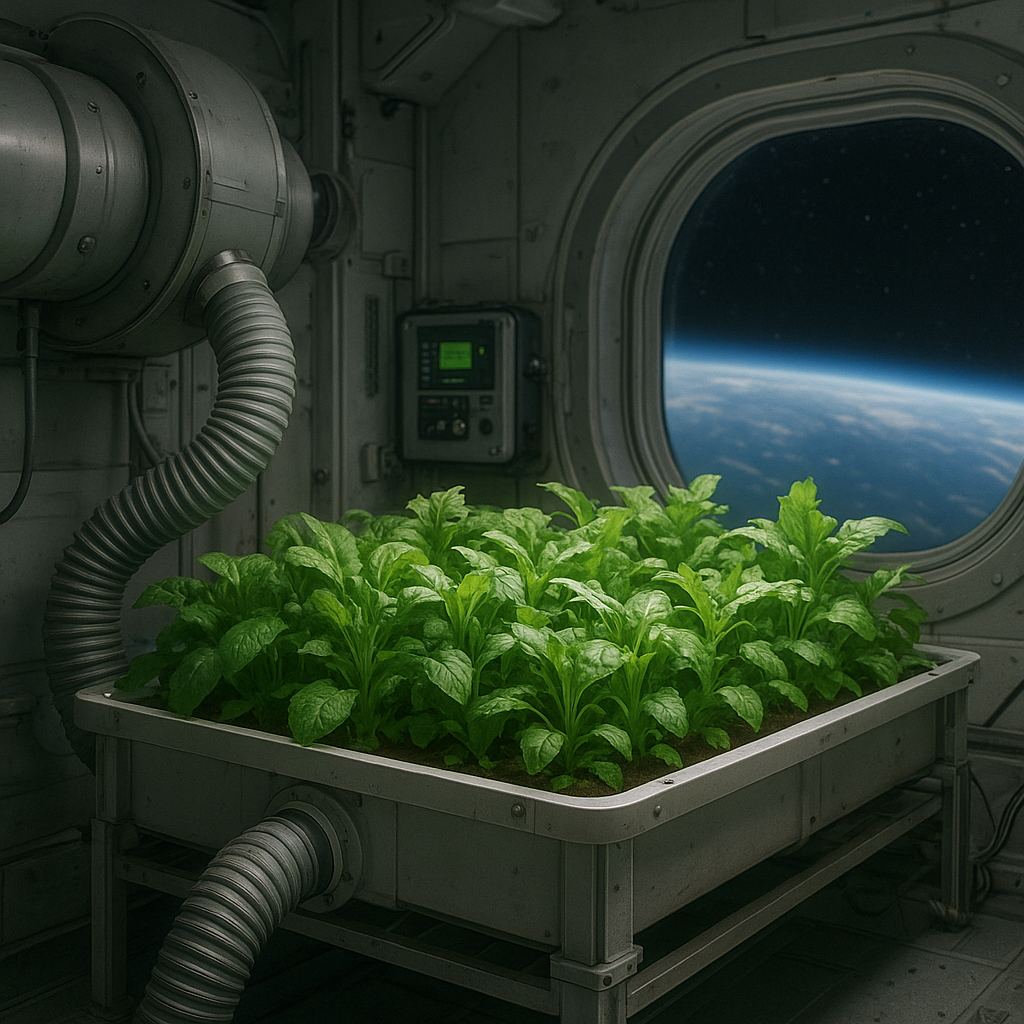
- Fluid dynamics: Convective currents in low gravity hinder gas exchange, necessitating forced aeration systems within growth chambers.
- Mechanical support: Support structures (e.g., foam, mesh) help anchor plants and maintain optimal growth orientation.
Radiation Mitigation Strategies
High-energy cosmic rays and solar particle events can damage plant tissues and reduce metabolic rates. Shielding materials—such as polyethylene composites or regolith-derived bricks—can attenuate radiation flux. Genetic engineering may also enhance regolith-based growth media to supply essential minerals while providing additional radiation protection.
Integration with Space Agriculture
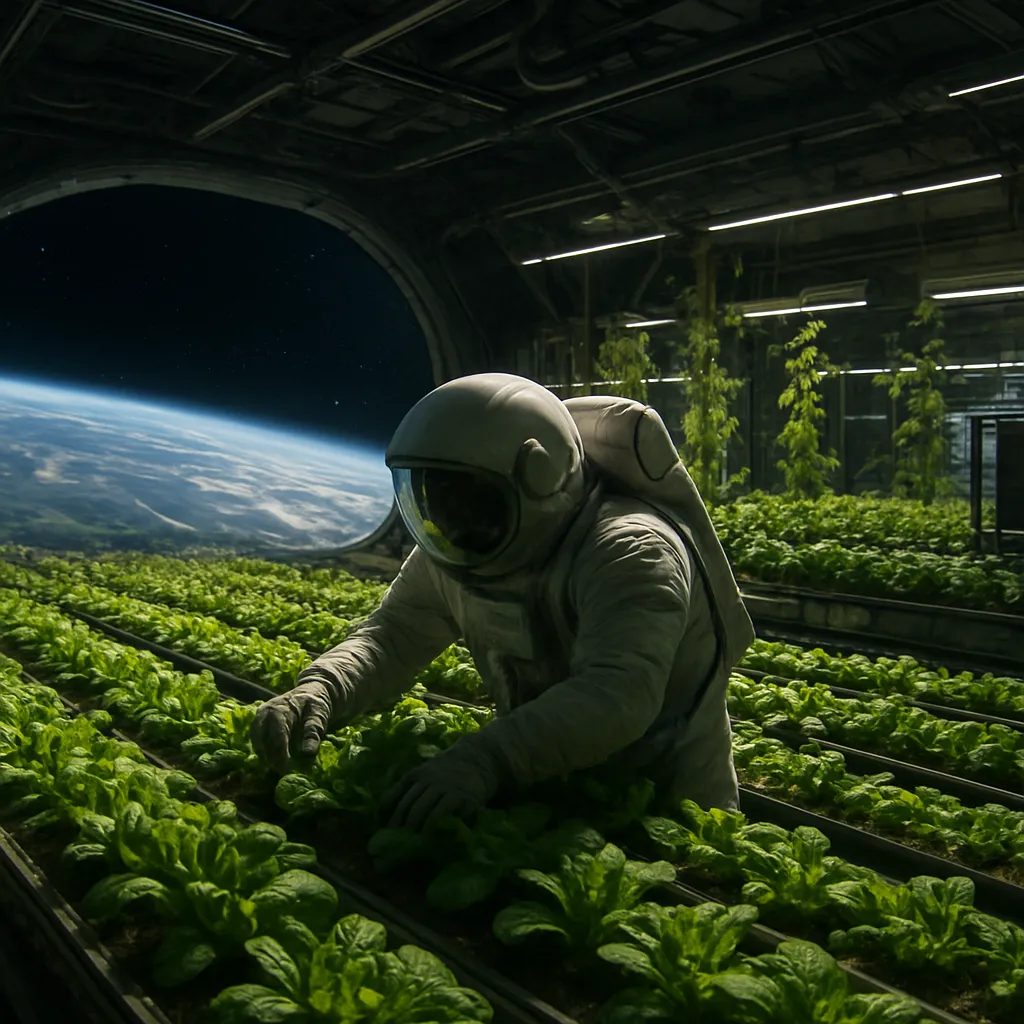
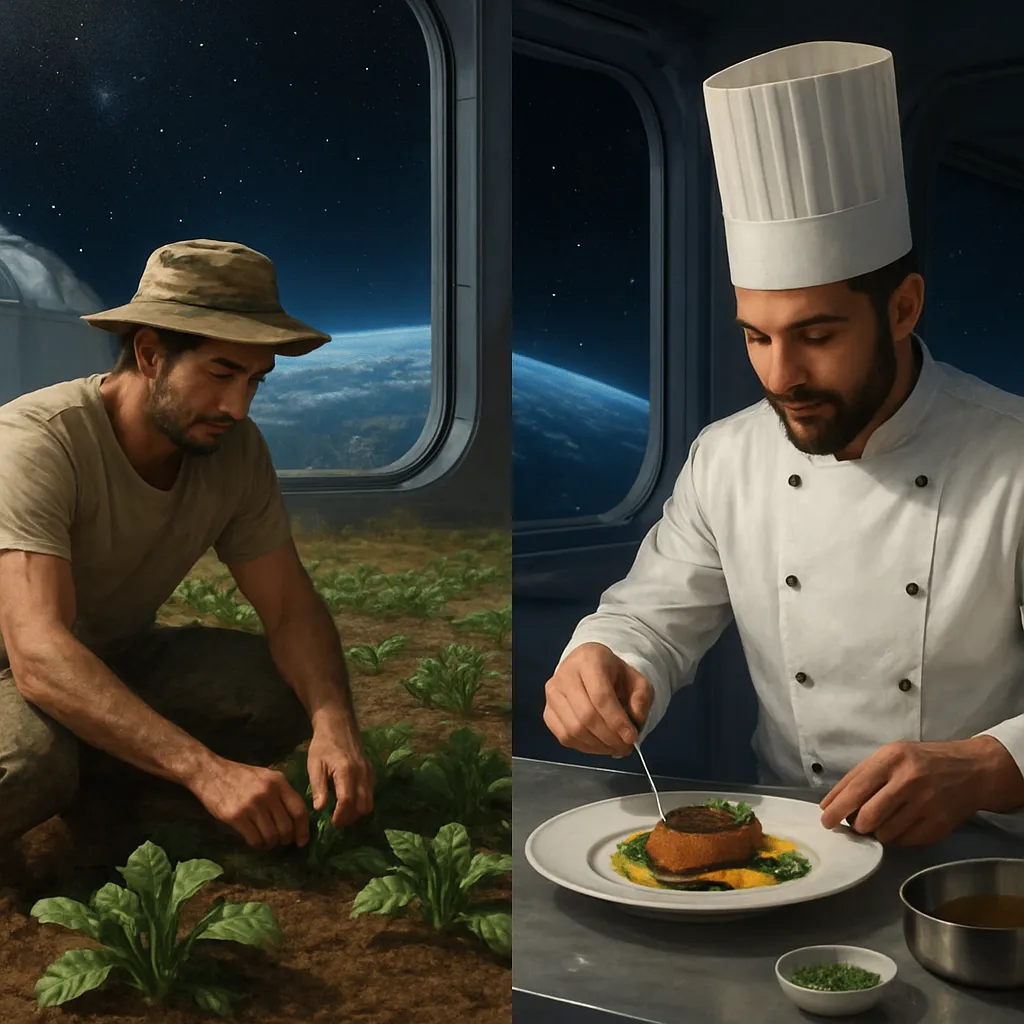
Combining oxygen-generating modules with food crops and biomass production improves overall mission efficiency. Systems that co-cultivate leafy greens, fruiting plants, and microalgae support dietary needs while maintaining atmospheric balance. Prioritizing species with dual functions—nutritional value and high oxygen output—maximizes use of limited habitat volume and power.
Mixed-Cropping Designs
- Vertical farming racks: Layered trays allow sequential light cycles, optimizing daily oxygen fluctuations.
- Algae-phytoplankton reservoirs: Small ponds or transparent vessels generate supplemental O2 and can produce edible biomass rich in protein and omega-3 fatty acids.
- Companion planting: Legumes fix nitrogen, reducing fertilizer needs, while leafy vegetables act as primary O2 producers.
Automation and Monitoring
Sensors and controls overseen by onboard AI ensure stable conditions. Key parameters include O2 and CO2 partial pressures, humidity, pH, nutrient concentrations, and light intensity. Automated nutrient dosing and environmental adjustments respond in real time to crew demands and plant performance, fostering a self-regulating bioregenerative ecosystem.
Future Prospects and Research Directions
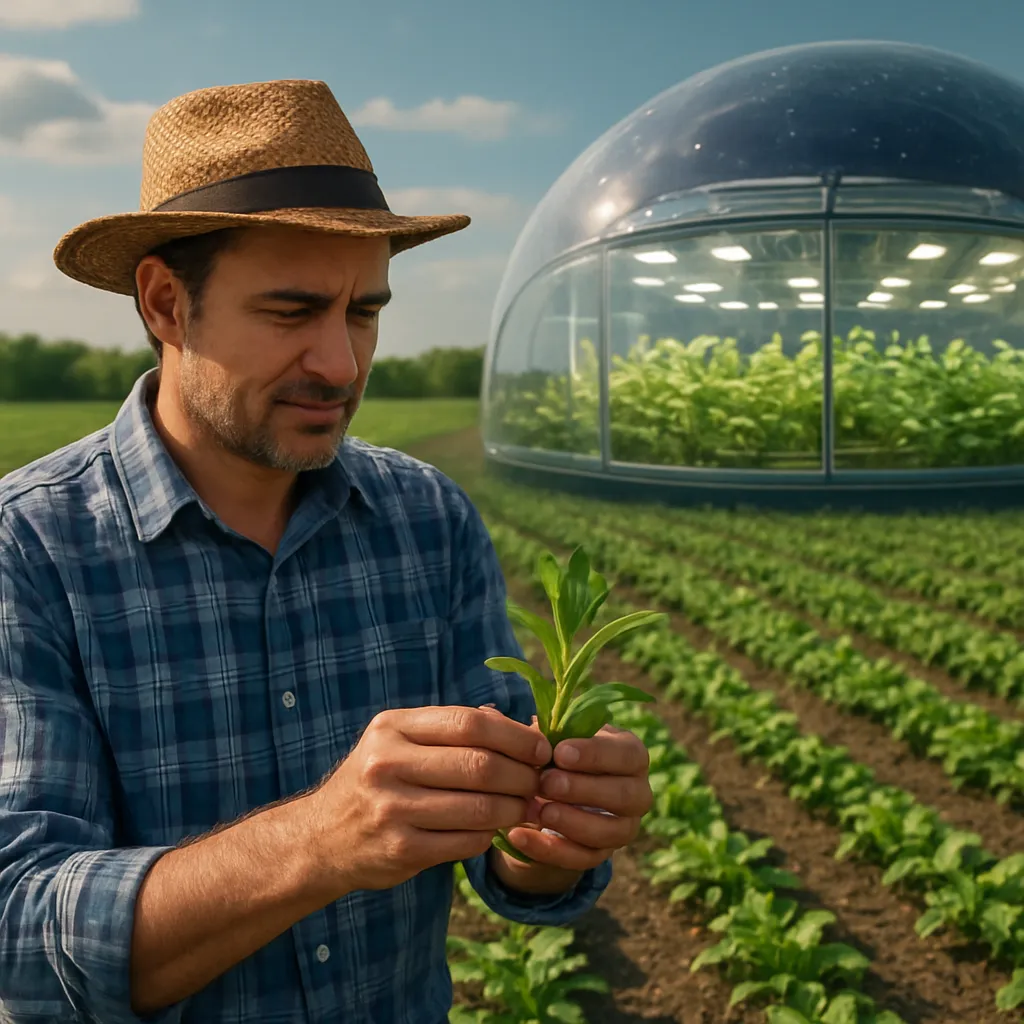
Emerging technologies such as synthetic biology, advanced materials, and machine learning hold promise for further enhancing plant-based life support. For instance, genetically modified strains may exhibit improved photosynthetic rates or greater tolerance to radiation and drought-like conditions. Novel growth substrates derived from in-situ resources could transform local soil into fertile media. Collaborative efforts between space agencies—NASA, ESA, and private industry—will accelerate development and testing of these integrated systems.
As humanity ventures deeper into space, plant-based oxygen generation will play a pivotal role in establishing self-sufficient habitats. Continued interdisciplinary research, rigorous experimentation aboard orbital platforms, and analog missions on Earth will pave the way for sustainable life beyond our planet.