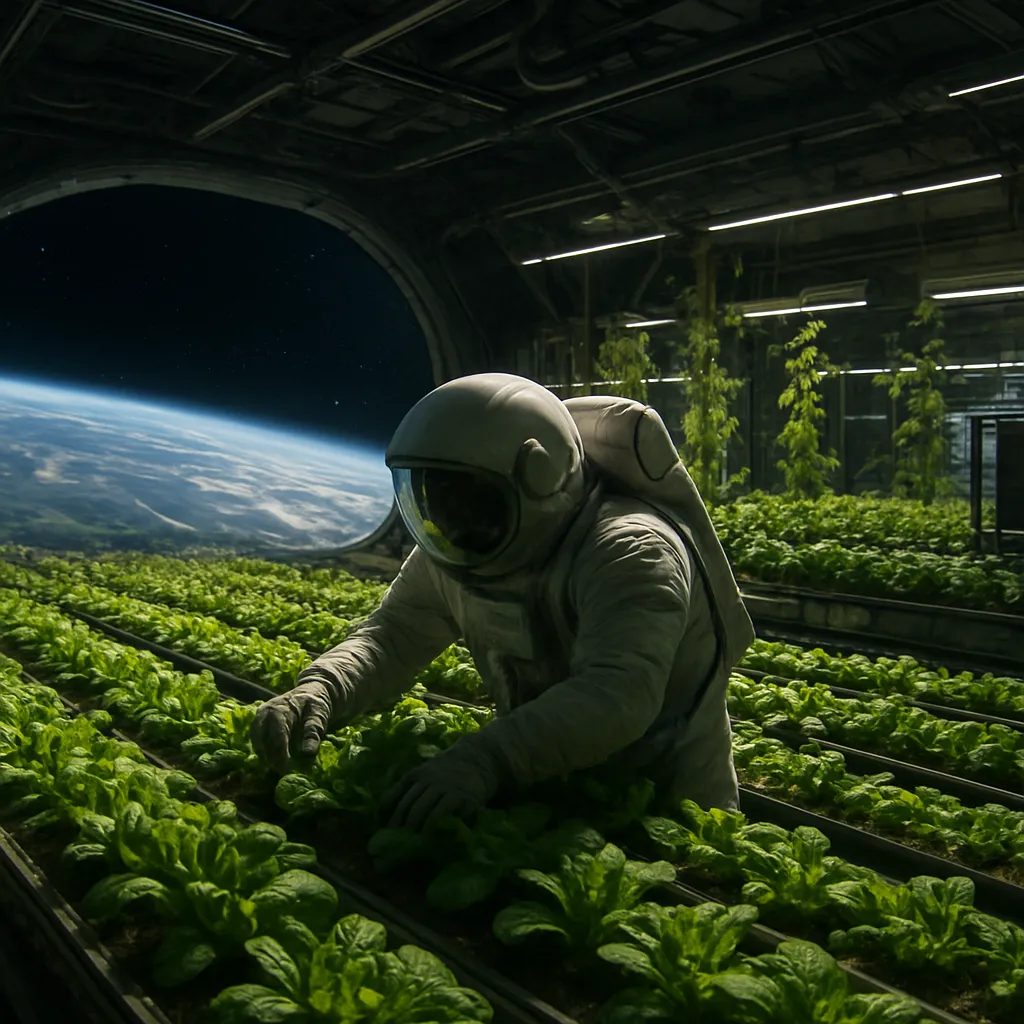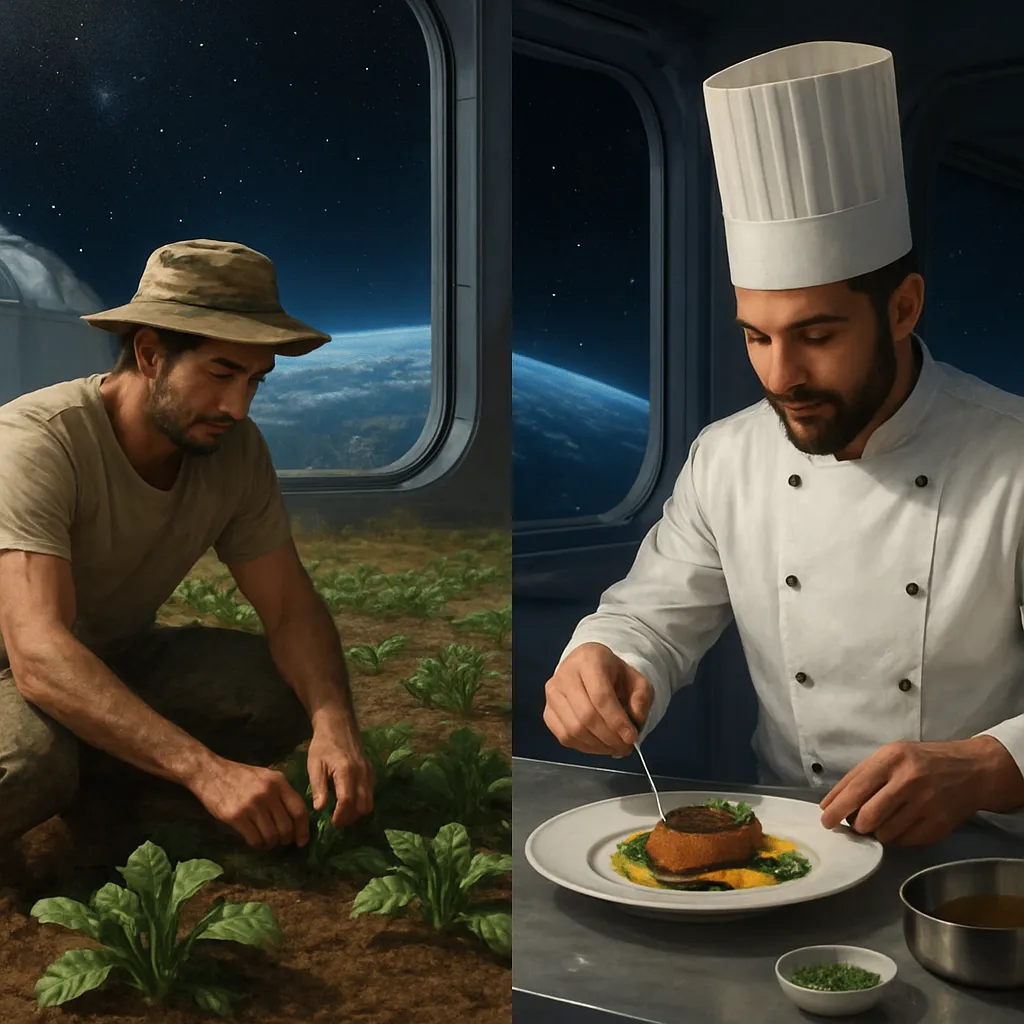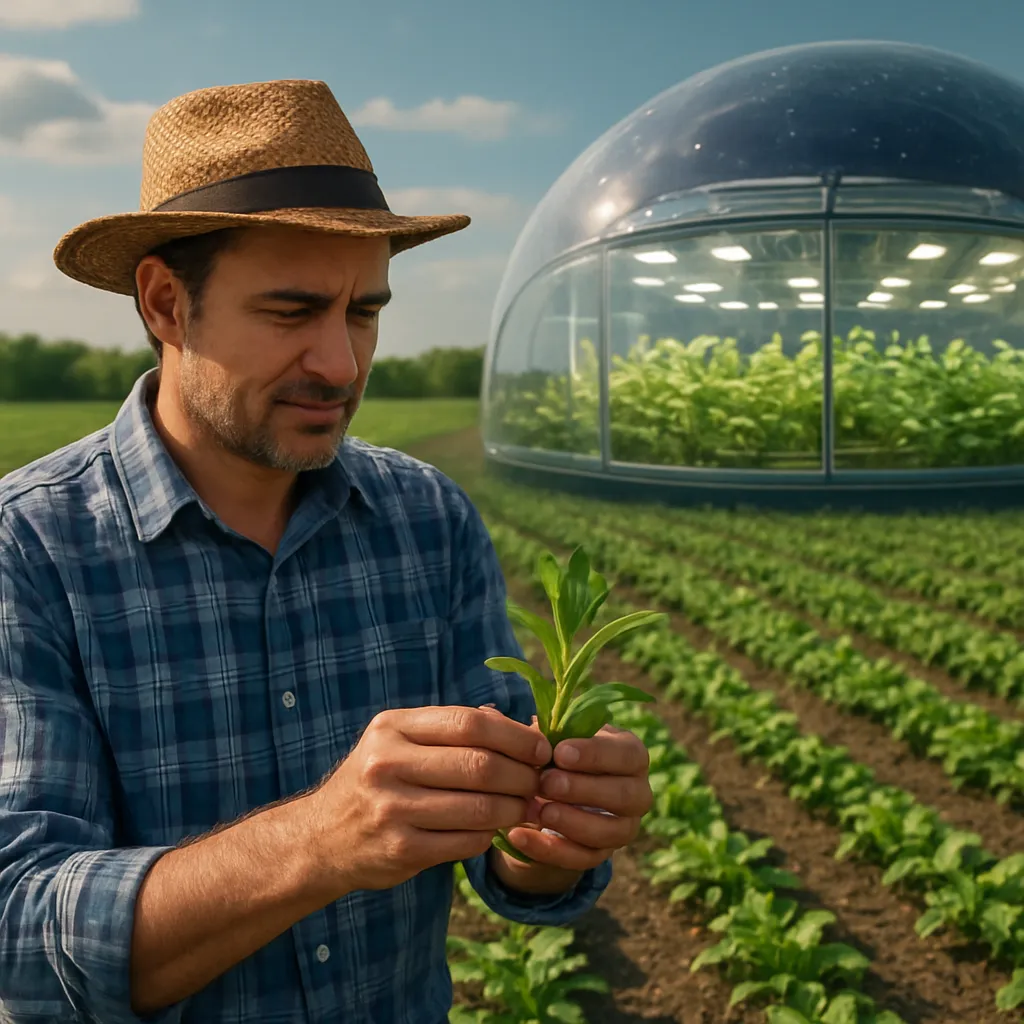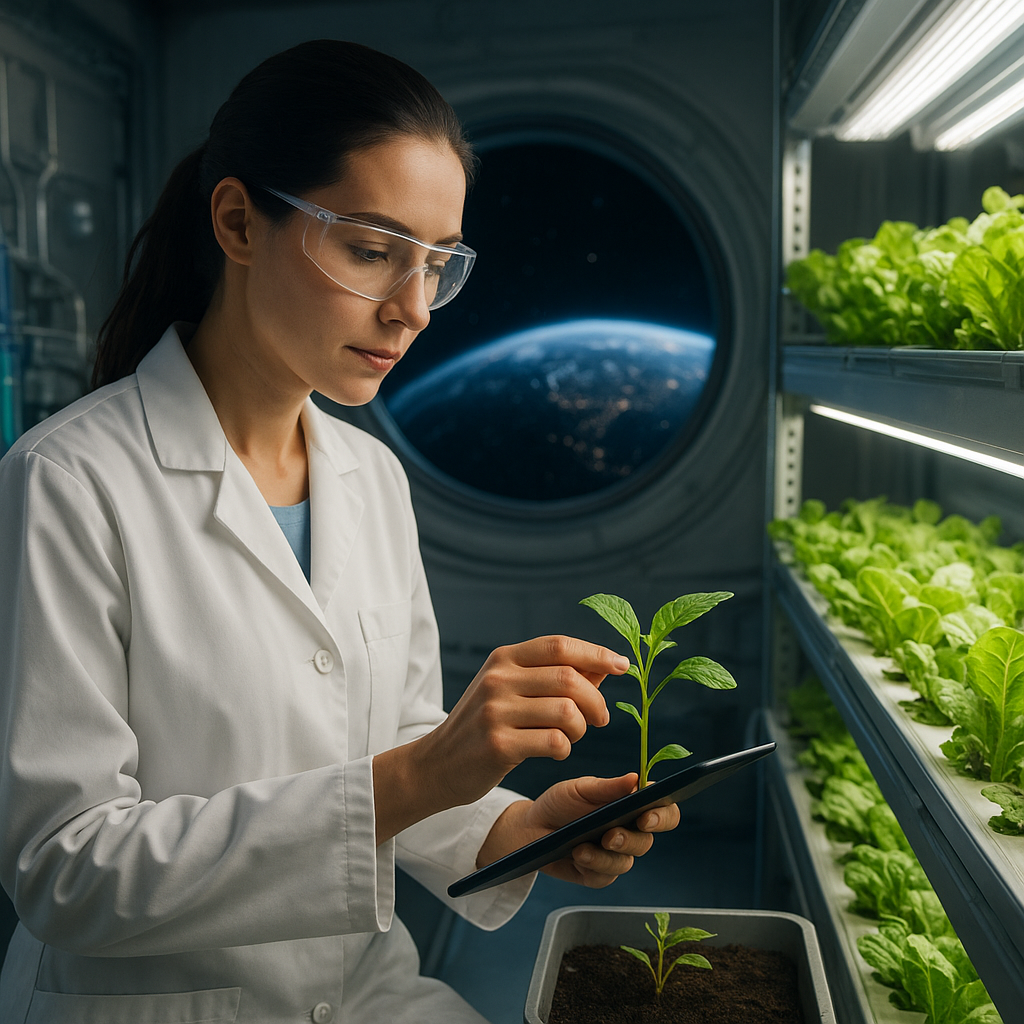
The fusion of biotechnology and space farming is unlocking unprecedented possibilities in sustainable food production beyond Earth. Researchers are harnessing cutting-edge genetic tools, advanced cultivation techniques, and automated systems to grow plants in environments characterized by microgravity, limited resources, and extreme radiation. By integrating biological innovations with aerospace engineering, the quest to establish self-sufficient outposts on the Moon, Mars, and deep-space missions is edging closer to reality.
Biotechnological Innovations for Space Agriculture
Biotechnology plays a pivotal role in tailoring plants to thrive under extraterrestrial conditions. Through gene editing technologies such as CRISPR-Cas9, scientists can introduce beneficial traits into crops, optimizing them for enhanced nutrient content, stress tolerance, and compact growth form. For example, by modifying genes involved in photosynthesis and water-use efficiency, engineered plants can maintain productivity in closed-loop life support systems where every drop of moisture counts.
A key focus area involves leveraging synthetic biology to develop custom microbial consortia that interact symbiotically with plant roots. These microbes can fix atmospheric nitrogen, degrade toxic byproducts, or secrete growth-promoting hormones—minimizing dependence on Earth-supplied fertilizers. The integration of bioinspired membranes and sensors further allows real-time monitoring of plant health, ensuring rapid responses to environmental fluctuations within sealed chambers.
- Hydroponics and aeroponics systems adapted for reduced gravity
- Designer seed banks enriched with enhanced antioxidants
- Bioreactors producing edible proteins via microalgae
- Genetic circuits that enable stress-triggered pigment production
Challenges of Cultivating Plants in Extraterrestrial Environments
Space farmers must contend with a suite of formidable challenges. In microgravity, root orientation and nutrient delivery systems must be redesigned to prevent fluid stratification and ensure uniform growth. Simulated trials aboard orbital platforms have revealed that plant vascular systems respond differently under these conditions, necessitating novel solutions for water distribution and gas exchange.
Additionally, cosmic radiation poses a chronic threat to genomic stability. Without the protection of Earth’s magnetic field, DNA damage can accumulate, undermining both plant health and the integrity of inserted traits. Researchers are experimenting with radioprotective compounds and high-throughput screening methods to identify and cultivate radiation-resistant strains. Protective shielding combined with biological countermeasures offers a dual-layered defense strategy.
Resource Optimization in Closed-Loop Systems
Closed-loop bioregenerative life support systems aim to recycle waste, water, and gases, creating a nearly self-sustaining habitat. Key design considerations include:
- Water reclamation from transpiration and urine processing
- CO2 capture and conversion into plant biomass
- Solid waste composting via microbial digestion
- Energy-efficient LED lighting tuned to optimal spectra
Balancing these subsystems requires advanced modeling and real-time control. Machine learning algorithms analyze growth patterns and predict resource needs, optimizing system performance while reducing crew workload.
Advances in Soil-less Cultivation and Substrate Engineering
Traditional soil-based agriculture is impractical beyond Earth due to mass constraints and contamination risks. As an alternative, researchers employ substrate engineering to create lightweight, nutrient-rich media. Materials such as volcanic regolith simulants combined with biochar and polymeric hydrogels offer structural support and moisture retention. These engineered substrates mimic terrestrial soils, facilitating root anchorage and microbial colonization.
Hydroponic and aeroponic modules further eliminate the need for solid media by delivering nutrient-laden solutions or mists directly to roots. Such systems drastically reduce the total mass of growing chambers and enable fine-tuning of nutrient concentrations. Innovations in capillary-based fluidics and passive nutrient circulation are especially promising for microgravity applications, where pumps add complexity and consume power.
Exploring Mars and Lunar Greenhouses
Designs for extraterrestrial greenhouses incorporate habitat integration, radiation shielding, and modular assembly. On Mars, habitats may leverage in-situ materials—such as regolith—mixed with polymers to form pressurized, translucent structures. These “regolith panes” perform dual functions: protecting crops from harmful radiation and insulating against extreme temperature swings.
Lunar bases face similar challenges. Craters near the poles offer stable low-light conditions and potential access to ice deposits. Greenhouses could be constructed partially below ground to take advantage of natural shielding. Combined with LED arrays optimized for red and blue wavelengths, these structures would support year-round cultivation of leafy greens, legumes, and tubers.
- Automated agricultural robots for planting, harvesting, and pruning
- Deployable inflatable modules for rapid setup
- Modular hydroponic racks for crop rotation
- Integrated environmental control systems for humidity and temperature
Future Prospects and Integration of Autonomous Systems
Looking ahead, the synergy of biotechnology and automation will pave the way for fully autonomous space farms. Robotic platforms, guided by artificial intelligence, will manage seeding, nutrient adjustments, and pest control without human intervention. This level of autonomy is crucial for deep-space missions, where communication delays preclude real-time guidance from Earth.
Continued advancements in omics technologies will deepen our understanding of plant-microbe-environment interactions under off-world conditions. By constructing digital twins of plant systems, researchers can simulate and optimize growth strategies before implementation, reducing risk and accelerating development cycles.
Ultimately, mastering the cultivation of food in extraterrestrial settings will have profound impacts on Earth agriculture. Lessons learned in resource efficiency, waste valorization, and stress resilience can be transferred to sustainable farming practices worldwide, addressing food security and environmental challenges. The collaboration between biotechnologists, agronomists, and aerospace engineers stands as a testament to human ingenuity, driving us toward a future where the stars serve not just as destinations, but as catalysts for innovation.