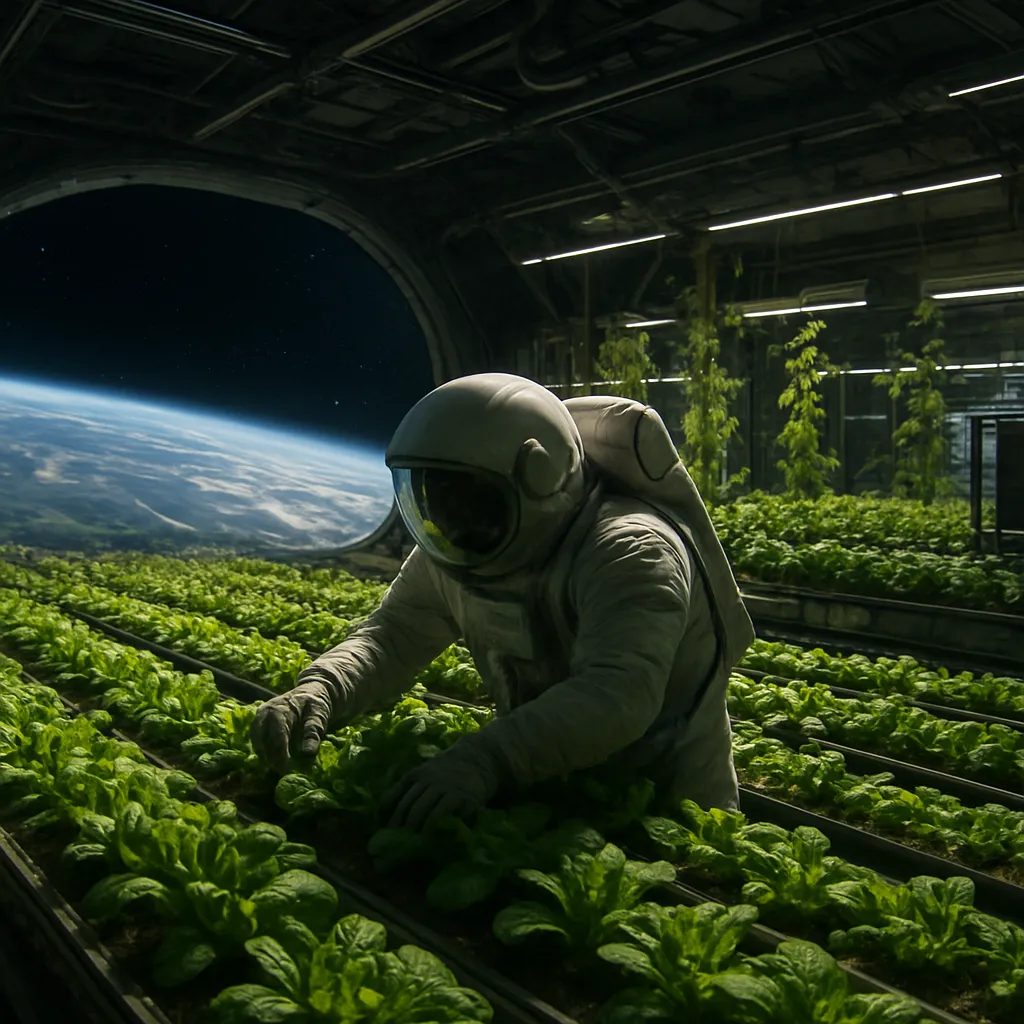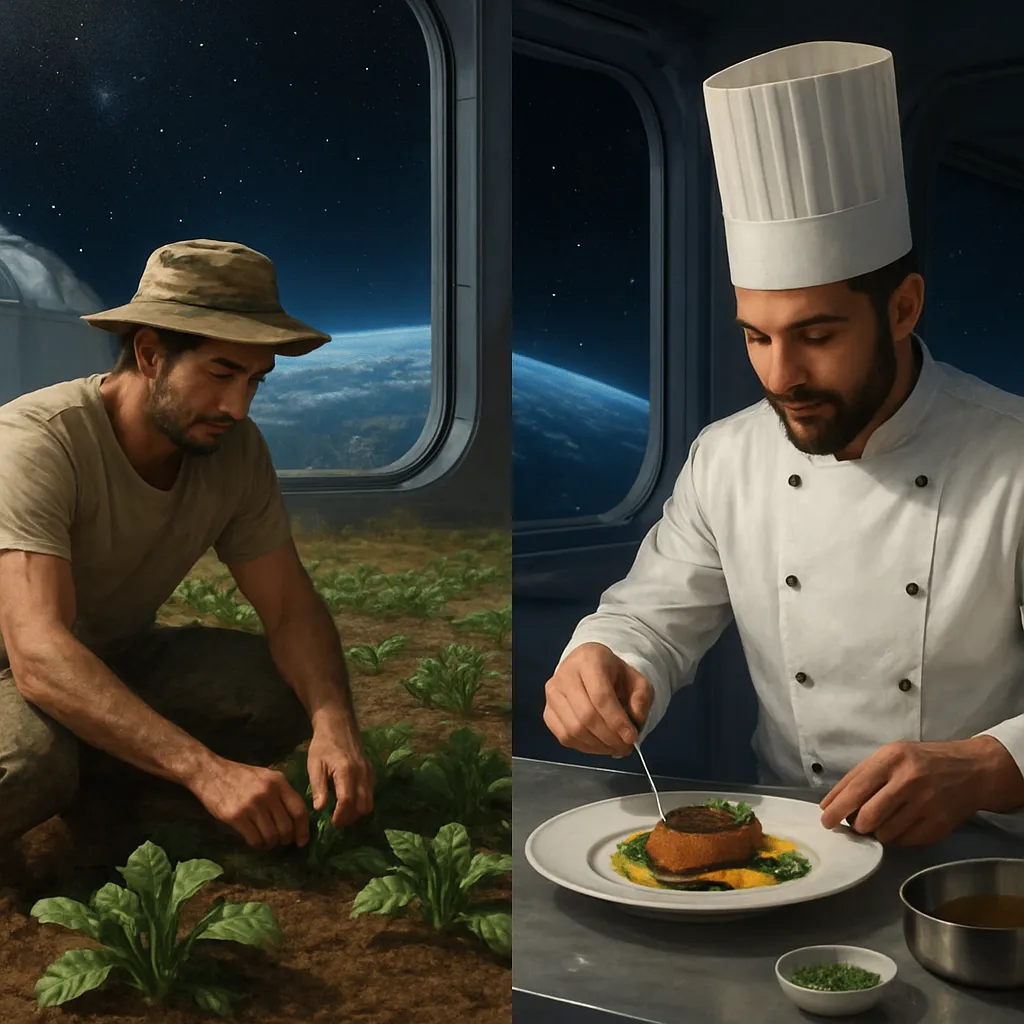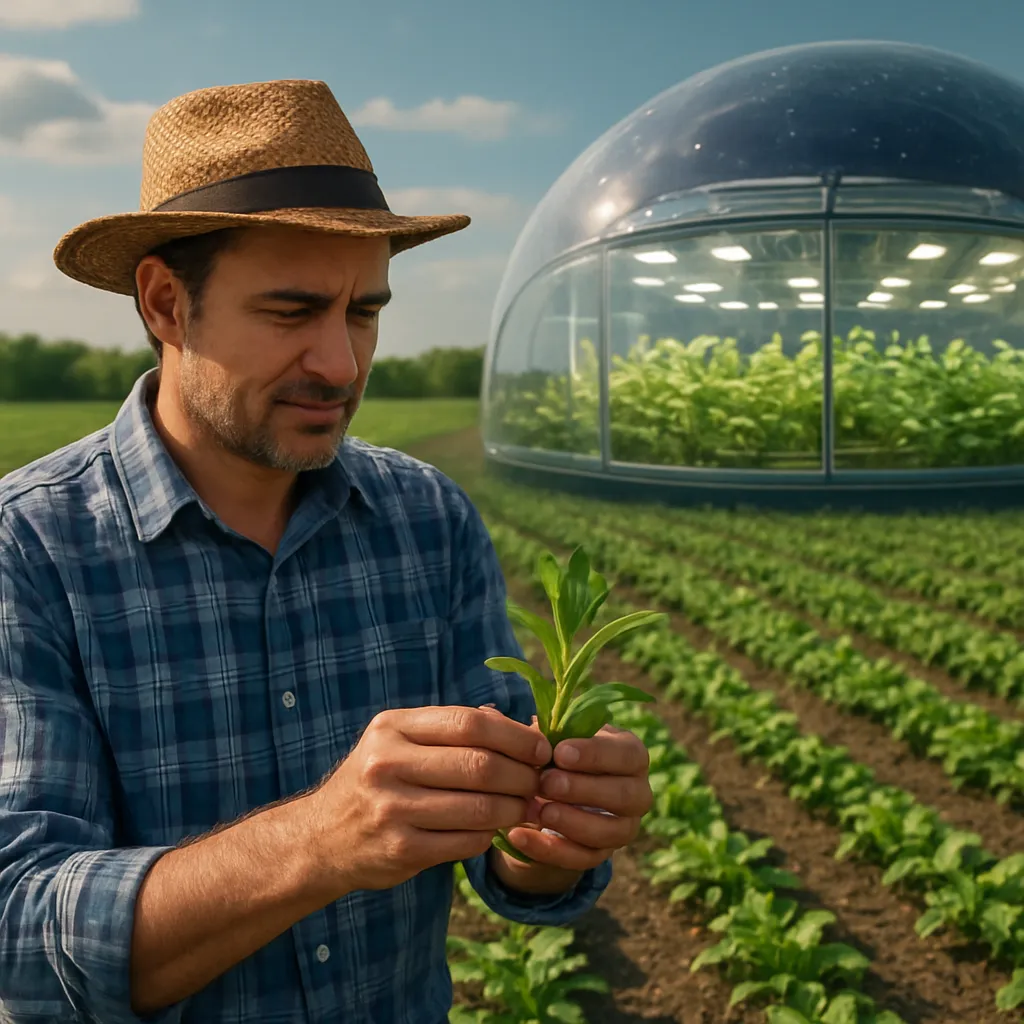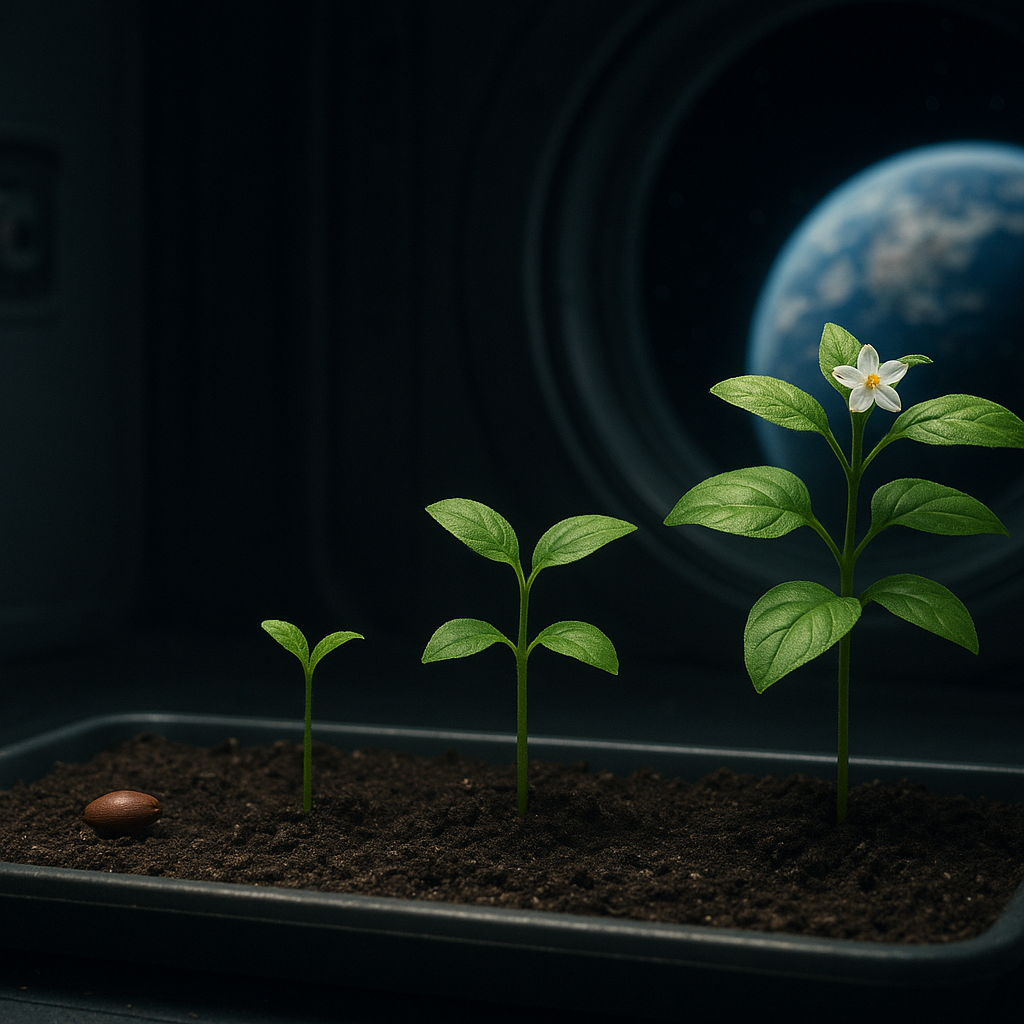
Space agriculture represents a pivotal frontier for extending human presence beyond Earth. By cultivating plants in orbiting laboratories and future habitats on the Moon or Mars, researchers aim to secure a reliable source of fresh food, recycle life-support resources, and study how life adapts to extraterrestrial environments. Understanding the life cycle of space-grown plants requires a holistic examination of every phase—from the moment a seed is selected to the final harvesting of edible produce. This article explores the critical stages of space farming, highlights technological innovations, and examines the broader implications for long-duration missions and planetary colonization.
Seed Selection and Germination under Microgravity
Effective space farming begins with choosing robust seed varieties and overcoming the challenges of germination when gravitational cues are absent or reduced. Seed selection influences not only the nutritional quality of the crop but also its response to stressors like cosmic radiation and limited water availability.
Selecting Optimal Varieties
- Lettuce and spinach: fast growth cycles and high nutrient density.
- Wheat and barley: staple grains studied for closed-loop life support.
- Tomatoes and peppers: fruit-bearing species with economic interest.
- Arabidopsis thaliana: model organism for genetic and physiological studies.
Researchers screen cultivars for compact growth habits, high germination rates, and resistance to oxidative stress induced by ionizing particles. Genetic lines with enhanced DNA repair mechanisms may offer improved performance under continuous exposure to space radiation.
Germination Techniques
Microgravity disrupts normal water uptake and directional growth sensing, so specialized germination chambers are employed. These systems often incorporate:
- Porous substrates that ensure uniform moisture distribution.
- Enclosed seed cartridges to prevent free-floating debris.
- Automated imaging to monitor radicle emergence and early root formation.
Successful germination is verified when radicles extend and hypocotyls begin phototropic bending. Real-time monitoring enables quick adjustments to humidity and temperature, guaranteeing high success rates even in orbit.
Vegetative Growth and Environmental Controls
Once seedlings establish, providing consistent environmental conditions becomes paramount. Controlled
growth chambers on platforms like the International Space Station (ISS) use advanced lighting, irrigation, and atmospheric regulation to mimic Earth’s optimal growth parameters.
Illumination and Photosynthesis
Customizable LED arrays deliver specific light spectra that drive photosynthesis while minimizing energy consumption. Red and blue wavelengths are prioritized to enhance chlorophyll activity, whereas far-red light can modulate flowering triggers. Adjusting light intensity and cycle durations allows scientists to speed up vegetative growth and steer developmental phases.
Water and Nutrient Delivery
In microgravity, conventional soil irrigation fails due to fluid behavior in low-g. Instead, hydroponic and aeroponic modules circulate enriched solutions directly to the root zone using thin-film or misting techniques. Key parameters include:
- Electrical conductivity (EC) to track total dissolved nutrient levels.
- pH stabilization to maintain ion availability for uptake.
- Flow rate control to prevent water stagnation and ensure oxygenation.
Advanced sensors relay real-time data, enabling automated adjustments that maintain optimal ionic balance and prevent nutrient lockout or toxicity.
Reproduction, Pollination, and Fruit Production
Transitioning from leafy greens to flowering and fruiting crops introduces additional complexity. Successful reproduction in space may depend on manually assisted or mechanized pollination protocols.
Flowering Induction
Photoperiod manipulation and hormone treatments regulate the shift from vegetative to reproductive phases. Under tightly controlled LED cycles, some tomato varieties can flower within weeks, vastly accelerating generation times compared to terrestrial cultivation.
Pollination Strategies
Without wind or insect vectors, delicate hand pollination or vibration tools transfer pollen to stigmas. Remote-controlled devices and micro-actuators have been developed to mimic the buzzing of bees, ensuring uniform fruit set. Effective adaptation of these methods is essential for crops like peppers and cucumbers.
Harvest and Yield Optimization
Harvest timing is synchronized with peak ripeness and nutrient content. Onboard spectrometers and imaging units assess exterior color, chlorophyll fluorescence, and sugar levels. Data-driven harvesting maximizes edible yield and reduces waste. Produce is either consumed fresh by astronauts or preserved through drying and freeze-drying for later missions.
Integration with Closed-Loop Life Support Systems
Space agriculture is not an isolated endeavor; it forms a core component of bioregenerative life support systems designed for long-term habitation. Plants regenerate cabin air by absorbing carbon dioxide and producing oxygen, while transpiration water contributes to humidity control.
Resource Recycling
- Embedded water recovery units reclaim plant effluent and transpired moisture.
- Solid biomass residues feed microbial reactors to generate fertilizer and bioenergy.
- Gas exchange modules balance CO₂ and O₂ concentrations, enhancing crew health.
Designing Sustainable Habitats
Architectures for lunar or Martian greenhouses incorporate radiation shielding, often using regolith or water blankets to protect sensitive flora. Innovations in 3D-printed growth chambers enable scalable systems that adapt to expanding habitats. Such modular designs aim to achieve full sustainability by minimizing resupply needs from Earth.
By comprehensively understanding the life cycle of space-grown plants, researchers pave the way for resilient food production on the Moon, Mars, and beyond. The collaboration between botanists, engineers, and space agencies continues to unlock novel cultivation techniques that will sustain future explorers on long-duration voyages and permanent off-world settlements.