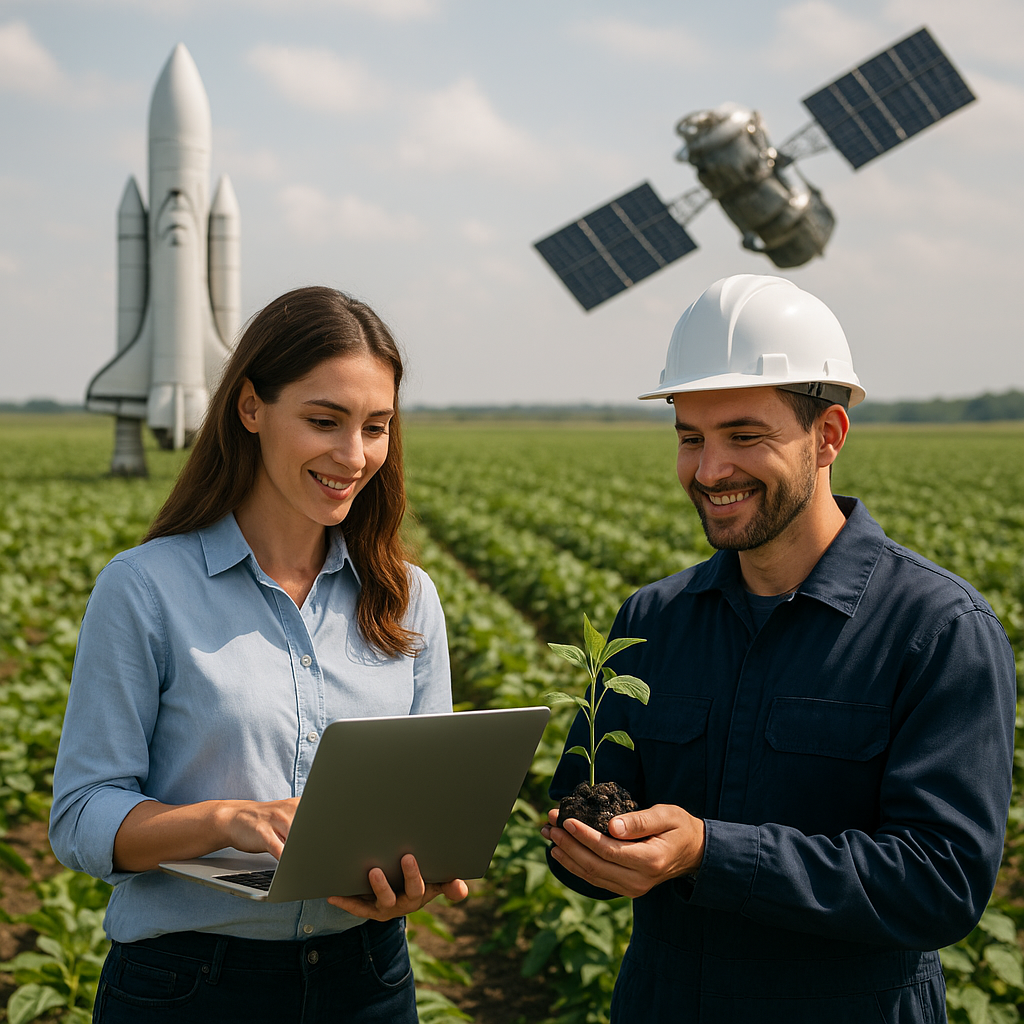
Across the globe, collaborations between national space agencies and cutting-edge AgriTech firms are reshaping how we cultivate food, manage resources, and confront the challenges of a changing climate. By combining orbital assets, advanced sensors, and precision farming tools, these alliances unlock unprecedented opportunities to enhance productivity, boost resilience, and promote more sustainable practices.
Advancing Agricultural Frontiers Through Space-Based Technologies
Space agencies such as NASA, ESA, ISRO, and JAXA have long operated sophisticated satellites that monitor land surface temperatures, vegetation health, and soil moisture patterns. While originally designed for climate science and disaster response, these assets have found vital new roles in agriculture. By sharing real-time data streams with AgriTech firms, they enable farmers to implement precision irrigation, spot crop stress before symptoms appear, and optimize fertilizer usage.
Key technologies supplied by space agencies include multispectral imagery, synthetic aperture radar, and advanced communication networks in low Earth orbit. These capabilities allow for:
- Detection of sub-surface water anomalies via radar backscatter analysis
- Monitoring of crop phenology through near-infrared and thermal bands
- High-frequency revisit rates to track rapid changes caused by pests or weather extremes
Meanwhile, AgriTech startups are creating scalable platforms that ingest satellite feeds and combine them with on-site sensors, drone surveys, and AI-driven analytics. Together, they deliver actionable recommendations on everything from planting schedules to targeted pesticide application.
Synergies Between Orbital Research and Field Applications
The collaboration model typically follows a multi-phase approach:
- Co-development of tailored remote sensing algorithms for specific crops
- Integration of ground-truth data collected by farmer cooperatives and agronomists
- Iterative refinement of predictive models using machine learning
- Deployment of mobile apps and dashboards for end-user engagement
Enhancing Crop Yield and Resource Efficiency
By fusing satellite-derived metrics with proprietary plant-growth models, AgriTech solutions can forecast yield anomalies weeks in advance. Farmers receive early warnings if an impending drought or nutrient deficiency threatens output. This capability not only safeguards food security but also cuts costs by targeting interventions where they are most needed.
In one flagship project, a European space agency partnered with a precision agriculture firm to support vineyards in Mediterranean climates. Combining multispectral data with soil sensors, the project achieved a 15% increase in grape quality and a 20% reduction in water use, demonstrating clear economic and environmental benefits.
Building Resilience Against Climate Extremes
Climate volatility poses a grave risk to global food systems. Space-derived weather forecasts now provide high-resolution insights into potential heatwaves, frosts, and flooding events. AgriTech companies overlay these forecasts with farm-level data to generate contingency plans, such as adjusting planting windows or deploying protective coverings.
- Drought early warning systems using evapotranspiration estimates
- Flood inundation maps with centimeter-scale elevation models
- Cold snap predictions supported by land surface temperature indices
These tools empower producers in vulnerable regions—especially smallholder farms—to make evidence-based decisions, reducing losses and preserving livelihoods.
Future Horizons and Emerging Partnerships
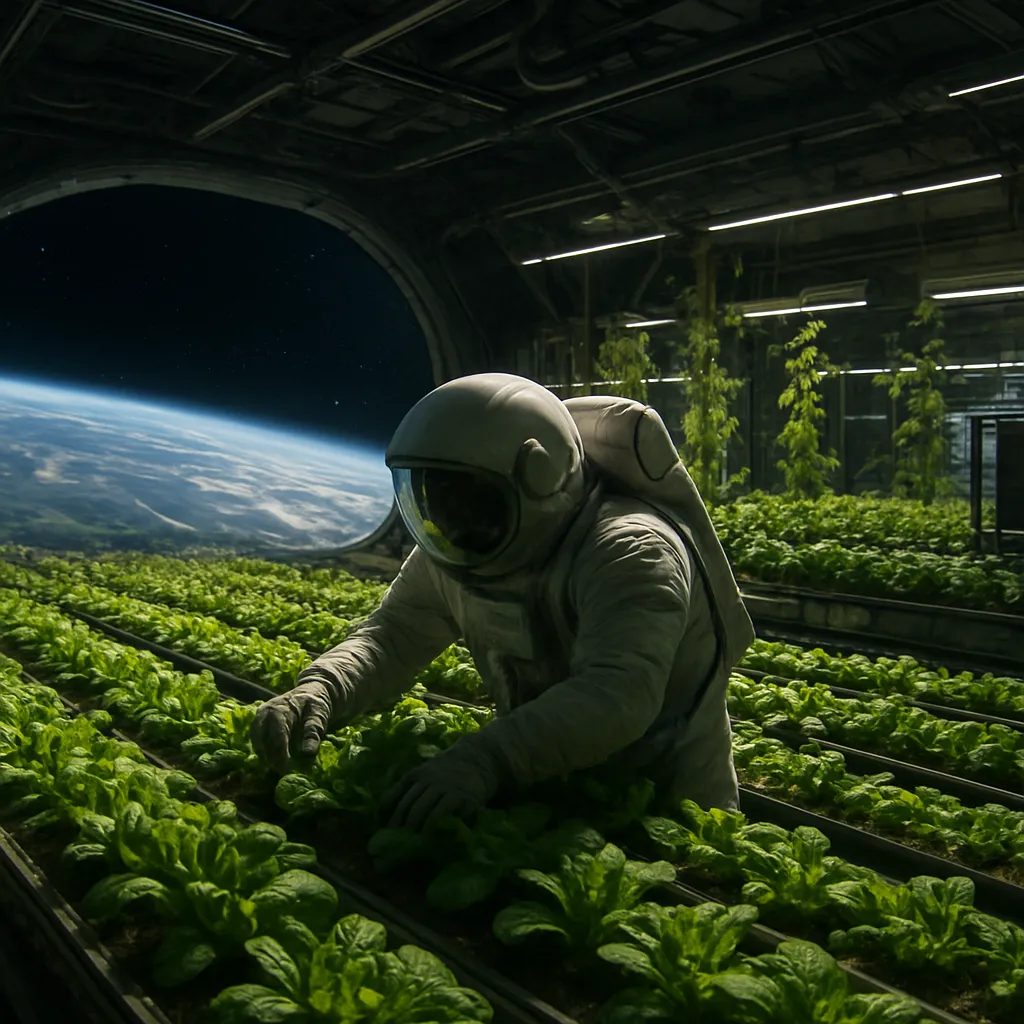
As demand for sustainable food production intensifies, space agencies are exploring partnerships beyond traditional Earth observation. Initiatives such as the International Space Station’s plant growth experiments are yielding insights into hydroponics, aeroponics, and closed-loop life support systems.
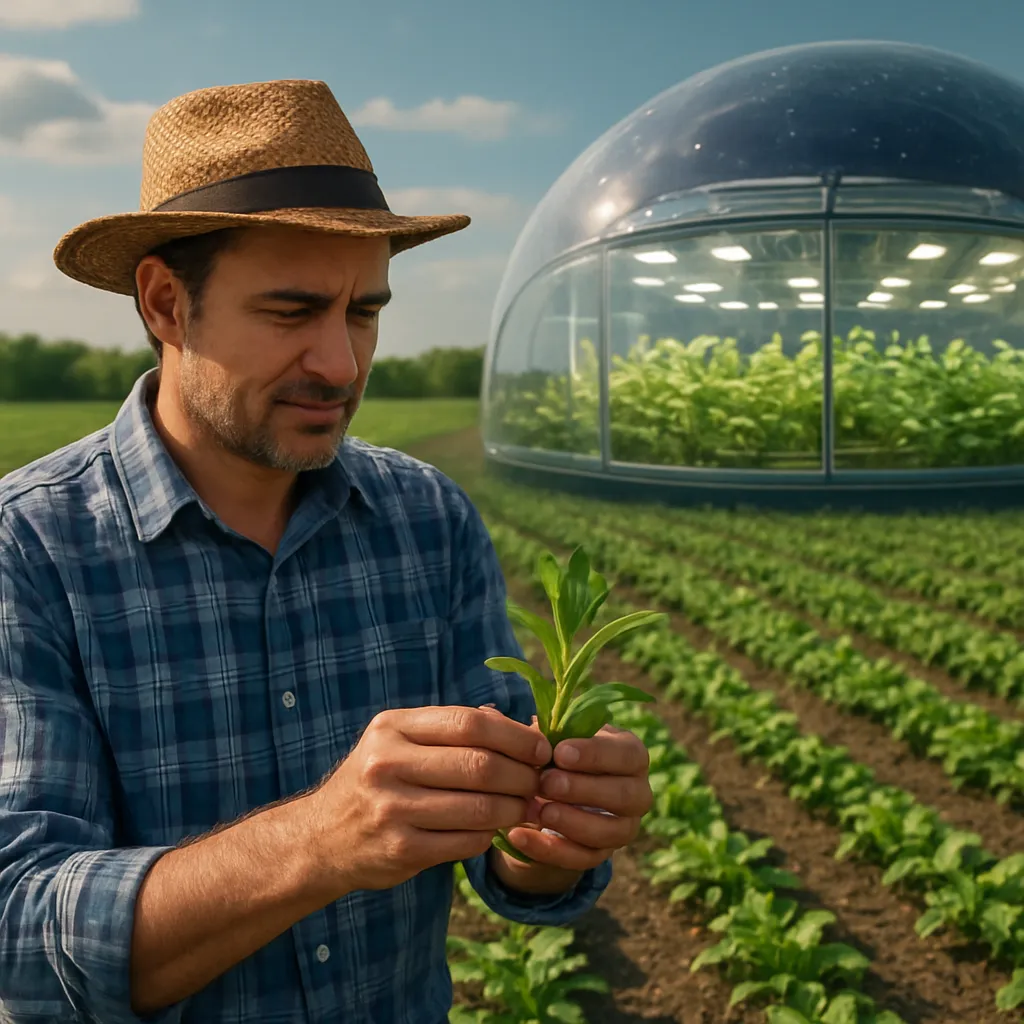
AgriTech firms are adapting these findings for terrestrial and vertical farming operations, creating controlled environments that maximize yield per square meter. Research on phototropic responses in microgravity has inspired lighting regimens that accelerate photosynthesis on Earth-based farms.
Emerging collaborations include:
- Development of compact biosensors for nutrient monitoring, informed by space-grade hardware miniaturization
- Integration of blockchain to trace produce provenance, secured by satellite time-stamping services
- Advances in autonomous robotics for planting and harvesting, guided by orbital geolocation precision
The combination of these innovations promises to revolutionize supply chains, shorten time-to-market, and reduce waste. Underpinning these advances is a strong emphasis on open data policies and technology transfer agreements that ensure small and medium enterprises can also access critical insights.
Looking ahead, public–private consortia are being formed to fund joint research and pilot projects in developing regions. These alliances leverage each partner’s strengths—government-backed funding and infrastructure with entrepreneurial agility and domain expertise. The goal is not only to boost productivity but also to foster resilient agribusiness ecosystems that thrive in the face of demographic pressures and environmental constraints.
In this era of interdisciplinary collaboration, the fusion of space-based platforms and AgriTech ingenuity is redefining the boundaries of what is possible in agriculture. By harnessing orbiting observatories, advanced analytics, and cutting-edge farming techniques, we are sowing the seeds of a more secure, efficient, and sustainable future.