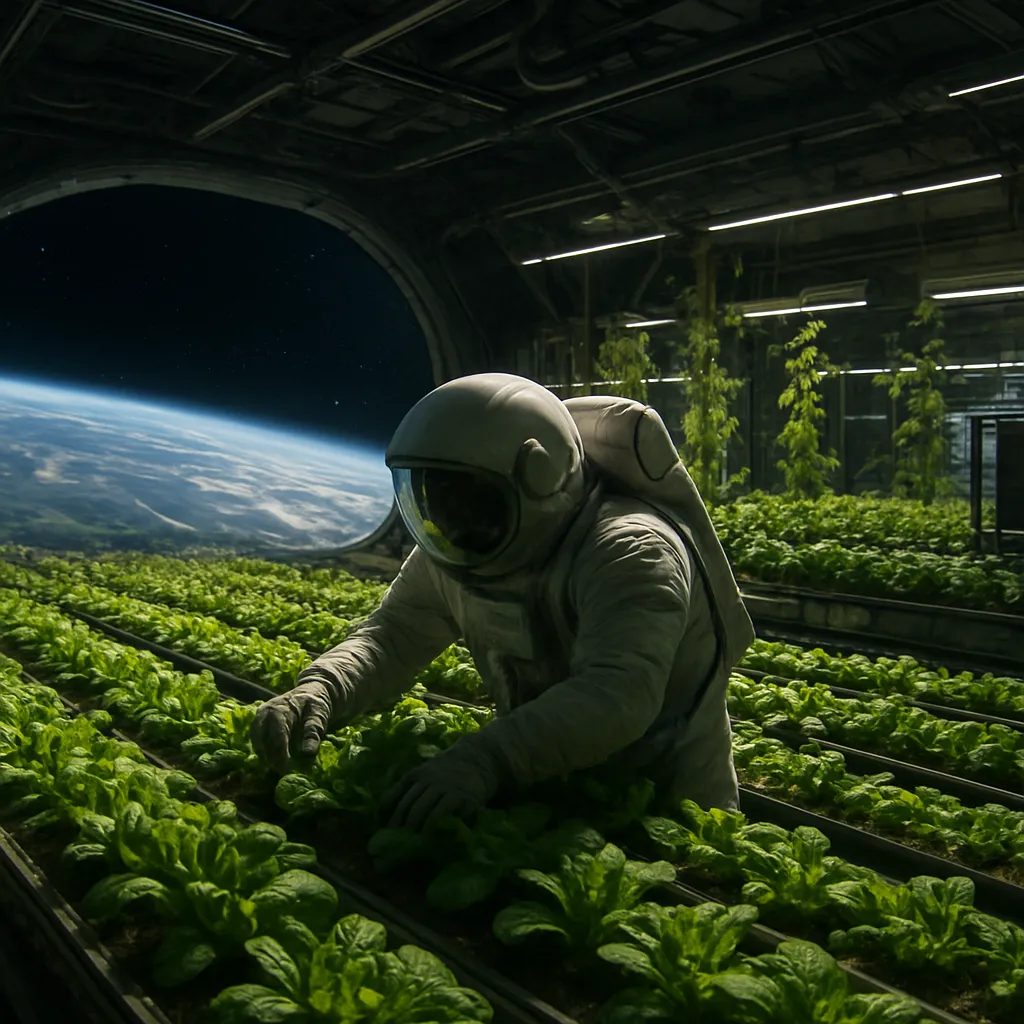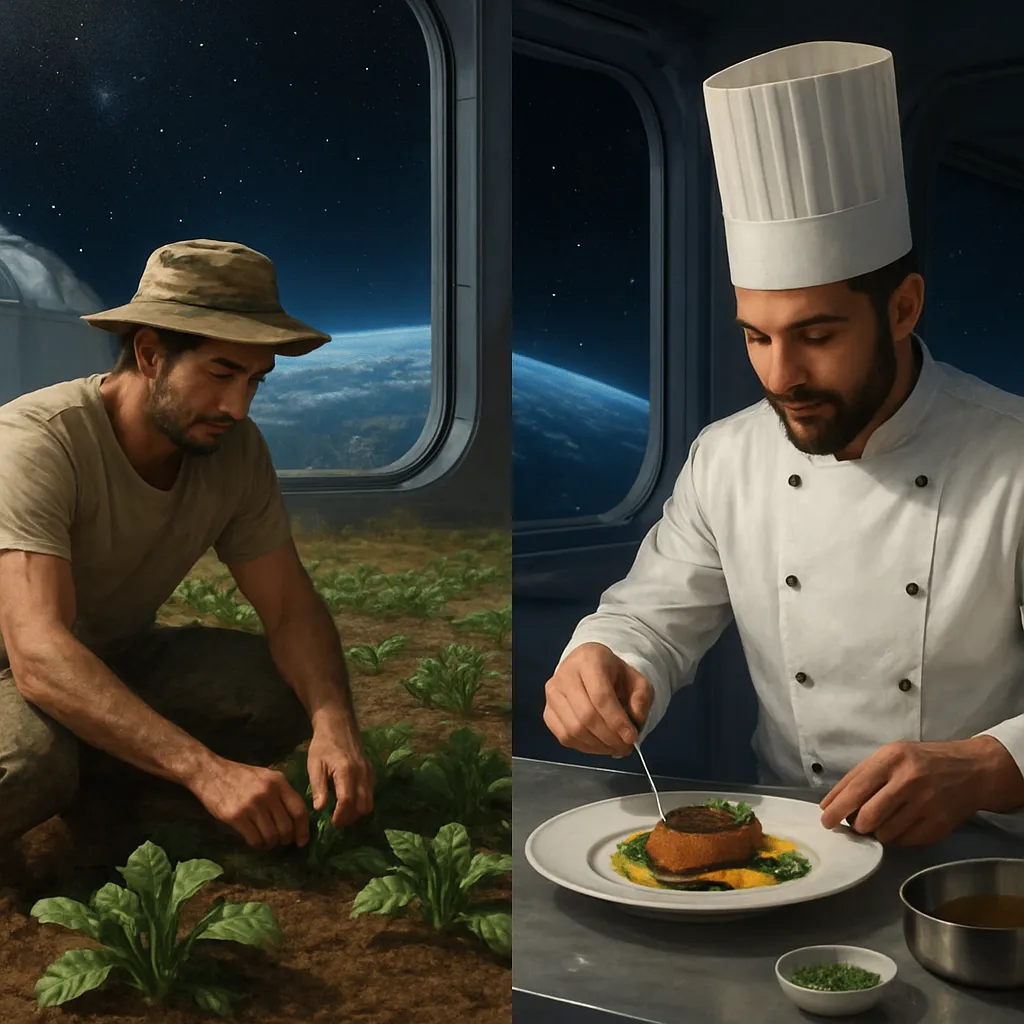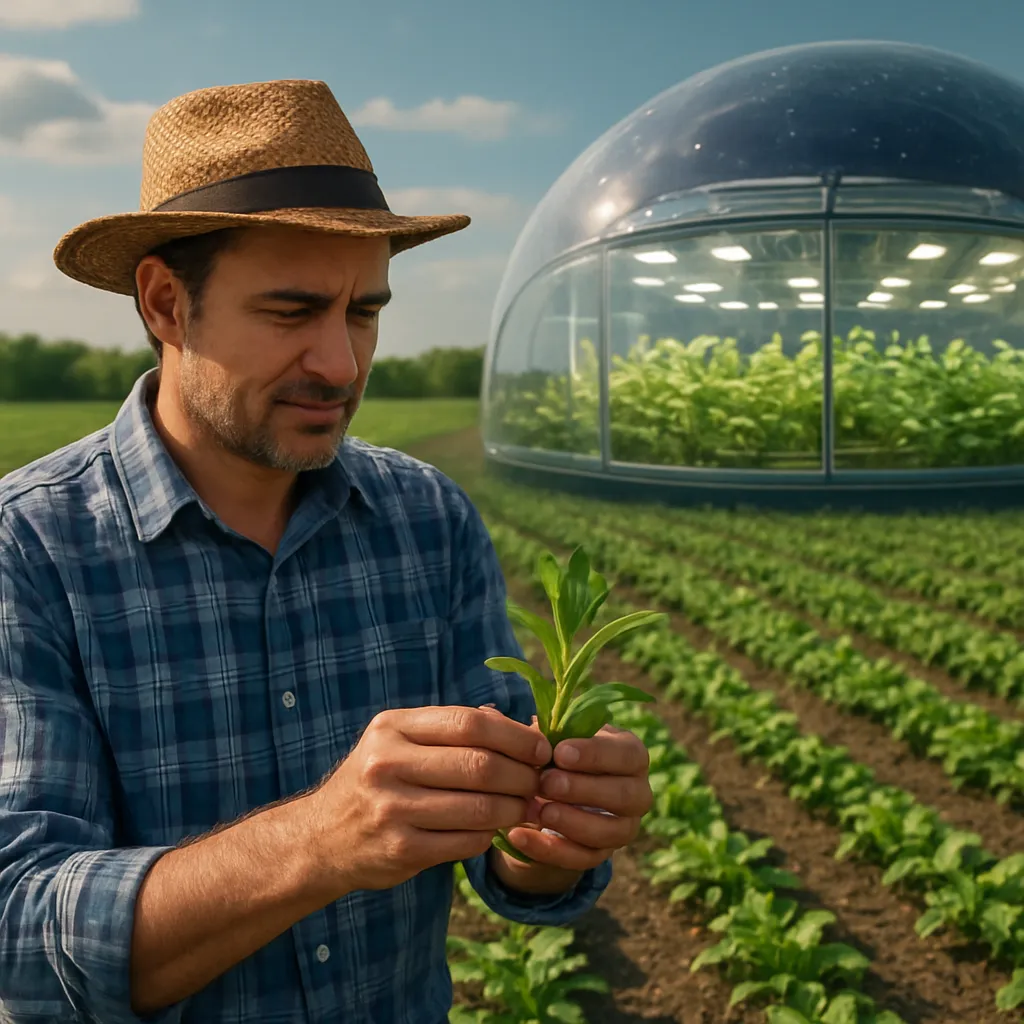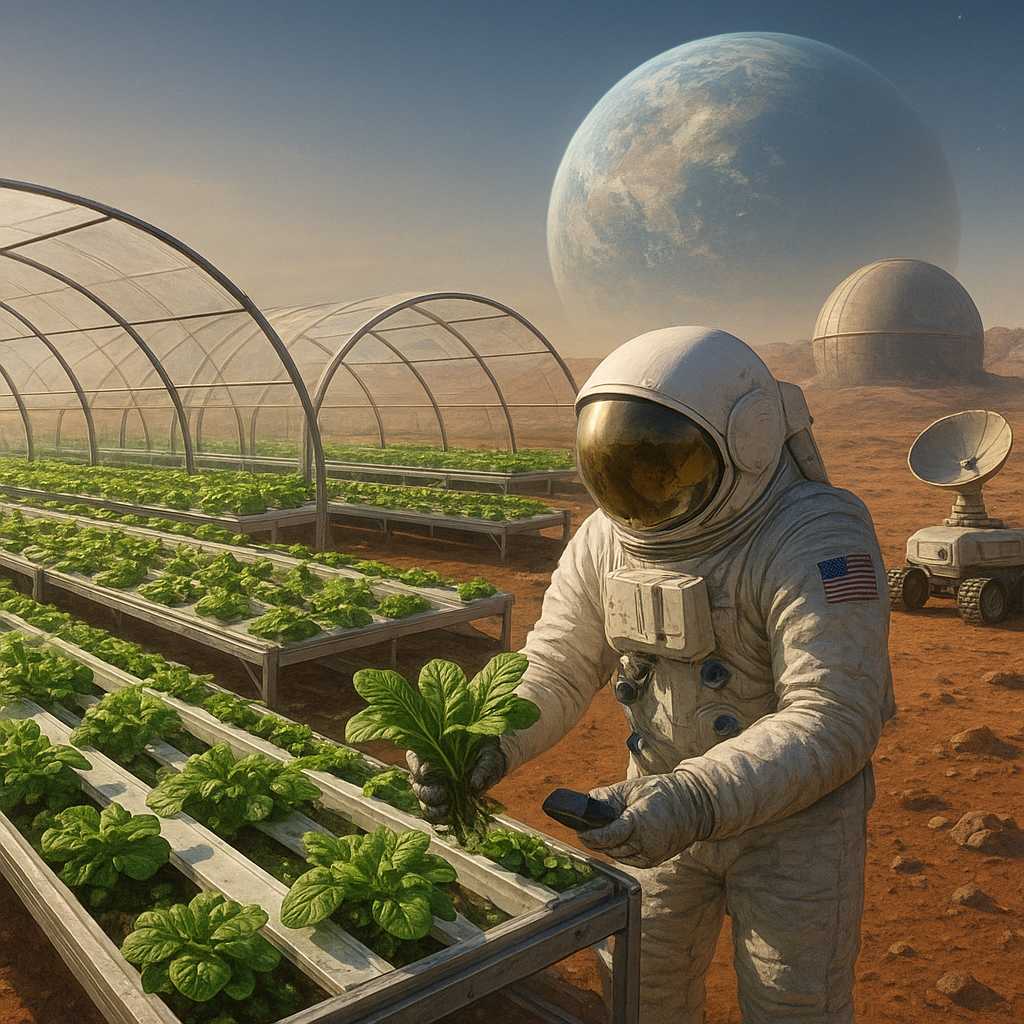
As humanity charts its path beyond the confines of Earth’s atmosphere, establishing reliable and sustainable food chains emerges as a cornerstone of interplanetary exploration. Cultivating crops in extraterrestrial environments demands a radical rethinking of agricultural paradigms, weaving together advanced technologies, closed-loop resource recovery, and resilient biological systems. This article explores the core principles, pioneering innovations, and looming challenges that underpin the quest to feed astronauts—and future colonists—in orbit and on distant worlds.
Principles of Space Agriculture
Integrating Bioregenerative Life Support
At the heart of space agriculture lies the concept of bioregenerative life support, a design philosophy that mimics ecosystems by recycling air, water, and nutrients through living organisms. Photosynthetic plants convert carbon dioxide exhaled by crew members into oxygen, while their root zones capture and purify wastewater. This synergy reduces dependence on costly resupply missions and drastically improves mission resilience. By coupling human metabolism with plant growth, closed ecological loops can sustain life indefinitely—provided each component remains balanced.
Optimizing Resource Efficiency
Resource scarcity in space necessitates maximizing every gram of mass. Hydroponic and aeroponic techniques nurture crops with minimal nutrient solutions, using up to 90% less water than traditional soil-based cultivation. Advanced sensors track humidity, temperature, and light intensity, enabling automated adjustments that fine-tune environmental conditions. This precision agriculture approach not only conserves vital resources but also accelerates growth cycles, offering multiple harvests within a single mission timeline.
Managing Microgravity Effects
Microgravity disrupts natural processes such as water flow and root orientation, challenging conventional farming practices. Without gravity to pull water downward, roots risk drowning in stagnant fluids. To address this, researchers have developed specialized growth chambers that use capillary action and centrifugal forces to regulate moisture. Nutrient delivery is controlled by periodic misting, ensuring roots receive oxygen-rich solutions without waterlogging. Understanding plant responses to altered gravity is crucial for extending cultivation to deep-space habitats and Martian outposts.
Closed-Loop Nutrient Cycles
Transforming crew waste streams into plant fertilizers exemplifies true circularity. Urine can be sterilized and processed into nitrogen-rich compounds, while solid waste undergoes composting or anaerobic digestion to release phosphorus and potassium. These recycled nutrients feed crops, which in turn produce edible biomass and regenerate breathable air. By embracing sustainability at every stage, mission architects can minimize external inputs and guarantee autonomy for extended durations.
Innovations and Technologies
Hydroponics and Aeroponics
Hydroponics suspends plant roots in nutrient-enriched water, while aeroponics delivers nutrients via fine mist droplets, both eliminating the need for soil. These methods accelerate growth rates by maintaining optimal nutrient concentrations and pH levels. On the International Space Station (ISS), lettuce and zinnias have thrived using aeroponic growth chambers, demonstrating viability in microgravity. Future systems will integrate machine learning algorithms to predict plant health, tailoring nutrient recipes to each crop’s unique requirements.
LED Lighting and Spectral Control
Artificial lighting supplies all phases of photosynthesis, from germination to fruiting. Light-emitting diodes (LEDs) can be tuned across a spectrum of wavelengths, delivering precise amounts of red, blue, and far-red light. Blue light promotes compact, leafy growth, while red light encourages flowering and fruit production. Adjustable lighting schedules mimic day-night cycles, preventing photoperiod stress. By optimizing energy usage—often the largest power draw in habitat modules—LED arrays minimize overall energy consumption.
Utilizing In-Situ Resources
On the Moon or Mars, hauling vast quantities of Earth soil is unfeasible. Instead, scientists are experimenting with regolith simulants, rock fragments that mimic extraterrestrial soils. Regolith is rich in minerals like iron, magnesium, and silicon but lacks organic matter. By blending regolith with biochar—carbonized biomass residues—and beneficial microbes, researchers can create growth media capable of supporting leafy greens and root vegetables. This approach paves the way for local resource utilization, slashing launch costs and expanding agricultural footprints.
- Robotics and automation streamline labor-intensive tasks such as seeding, harvesting, and pollination, reducing crew workload.
- Smart sensors embedded in growth racks monitor plant vital signs, alerting operators to nutrient imbalances or pest infestations.
- Modular farm units can be reconfigured for crop rotation, maintenance, and scaling up production.
Synthetic Biology and Genetic Adaptation
Advances in genetic engineering enable the customization of plant genomes for space conditions. Researchers aim to enhance traits such as fast growth, drought tolerance, and compact architecture. Genes responsible for stress responses can be upregulated to withstand elevated radiation levels found beyond Earth’s magnetosphere. Additionally, synthetic biology offers the potential to produce high-value compounds—vitamins, antioxidants, and pharmaceuticals—directly within the agricultural system, ensuring crew health and morale.
Challenges and Future Directions
Thermal Management and Environmental Control
Maintaining stable temperatures inside habitat farms is vital. Excess heat from LED panels and metabolic processes requires reliable heat rejection systems. Radiators or thermal control loops must dissipate warmth without compromising habitat integrity. Balancing humidity levels is equally crucial to prevent fungal growth and maintain plant transpiration rates. Innovations in phase-change materials and heat exchangers will play a pivotal role in environmental regulation.
Pest and Pathogen Defense
A closed habitat is vulnerable to rapid disease spread. Ever-present microbial communities can mutate or hitchhike on cargo, threatening crops and crew alike. Implementing stringent sterilization protocols, monitoring microbial populations, and developing biological control agents—such as predatory mites or bacteriophages—are essential defense strategies. Research into beneficial microbiomes aims to establish protective biofilms on root surfaces, fostering plant immunity in space.
Psychological and Nutritional Well-being
Fresh produce offers more than calories; it provides sensory variety and psychological comfort. The sight, taste, and aroma of homegrown foods boost crew morale and mental health during lengthy missions. Nutritionally, space-grown vegetables can counteract bone density loss and muscle atrophy by delivering essential vitamins and antioxidants. Crafting menus that blend hydroponic greens, tubers, and legumes will enrich dietary diversity, enhancing overall mission performance.
Scaling for Martian and Lunar Colonies
Transitioning from experimental modules to operational farms requires robust infrastructure. Martian habitats must integrate agricultural modules with energy systems—solar arrays or nuclear reactors—while ensuring redundancy. Water extraction from ice deposits or regolith hydration systems must provide reliable irrigation sources. Local manufacturing of growth components, using additive manufacturing and in-situ resource processing, will enable rapid deployment of farm units across expanding settlements.
- Enhancing closed-loop sustainability through multi-trophic systems that incorporate algae, insects, and crop plants for comprehensive waste recycling.
- Leveraging artificial intelligence for predictive crop management, ensuring optimal yields with minimal human intervention.
- Advancing modular design to support both small crewed missions and larger base-scale operations.
Innovation and Collaboration
Achieving truly sustainable extraterrestrial agriculture hinges on interdisciplinary collaboration among biologists, engineers, and data scientists. International partnerships, academic consortiums, and private enterprises all contribute unique expertise—from designing growth chambers to developing resilient seed varieties. By fostering an open ecosystem of knowledge-sharing, the scientific community can accelerate breakthroughs and bring the vision of off-world farming closer to reality.
Conclusion
Forging sustainable food chains beyond Earth demands a fusion of cutting-edge innovation and age-old agricultural wisdom. As missions to the Moon, Mars, and beyond shift from exploration to settlement, robust, autonomous farming systems will underpin human presence in space. By mastering resource recycling, harnessing synthetic biology, and deploying intelligent automation, we edge ever nearer to a future where fresh, nutritious food grows under alien skies, ensuring that humanity thrives wherever it journeys.