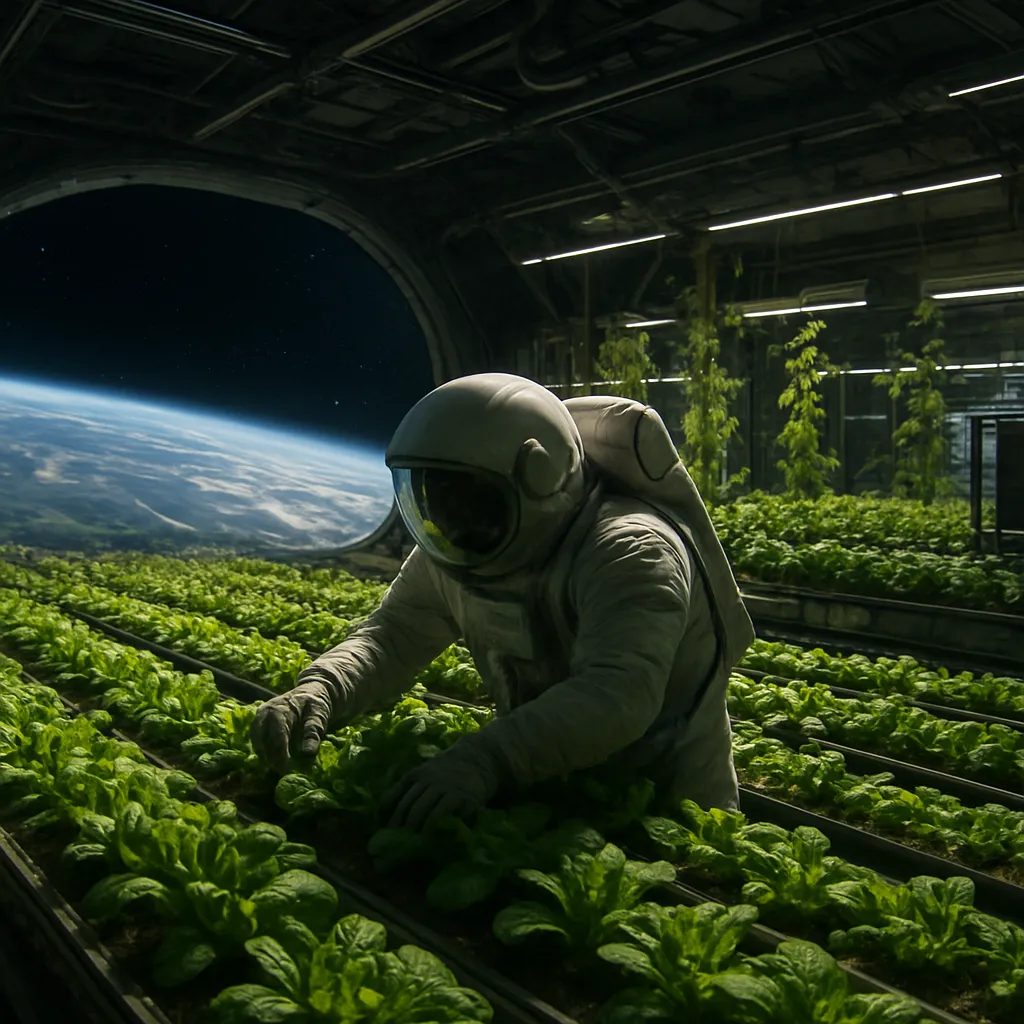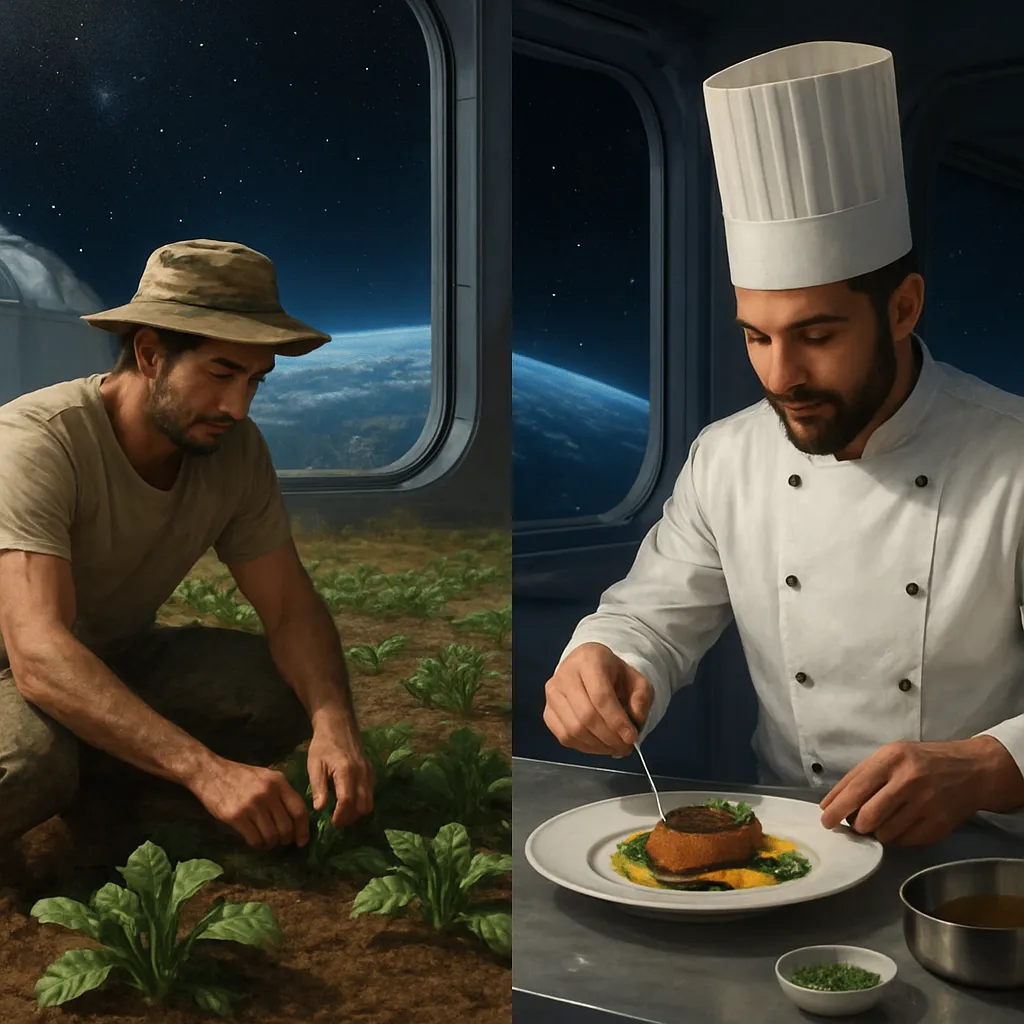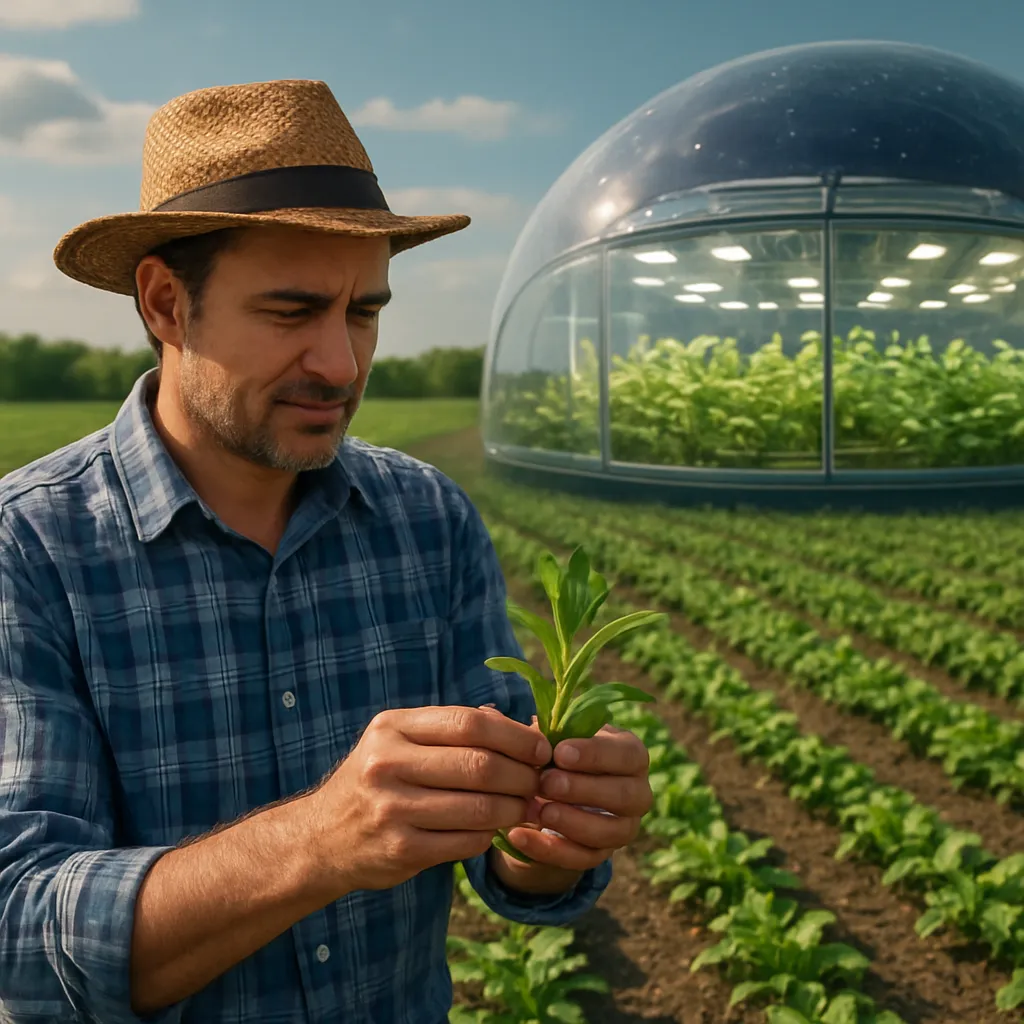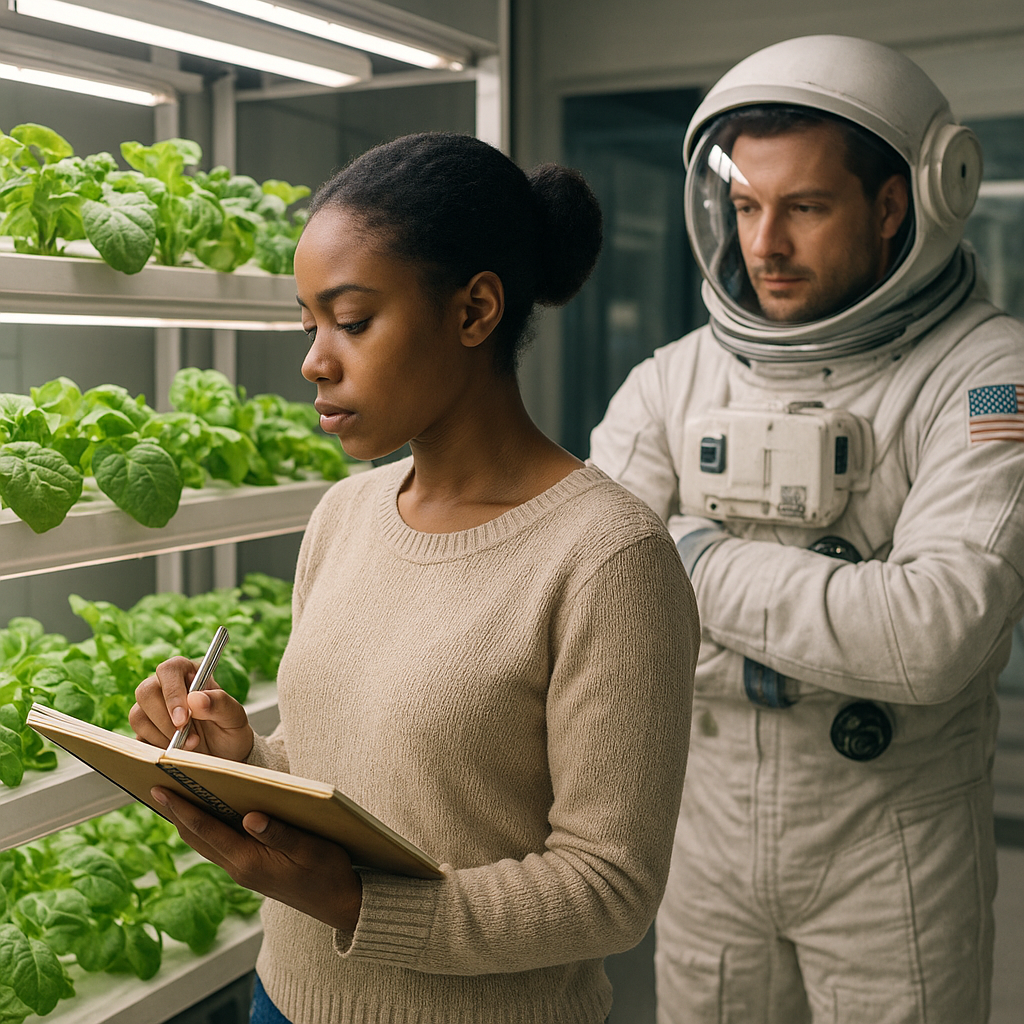
The pursuit of cultivating plants beyond Earth’s atmosphere has become an arena where education and exploration intertwine. As humanity prepares for long-duration missions to the Moon, Mars, and beyond, a new generation of learners and educators must grasp the scientific, technological, and social dimensions of growing food in extraterrestrial environments. This article examines how targeted educational initiatives can drive the next wave of space agriculture breakthroughs, shaping sustainable off-world communities and redefining our relationship with life-support systems.
Integrating Theory and Practice in Space Agriculture Education
A robust educational model for space agriculture blends classroom instruction with hands-on experimentation. University laboratories and specialized research centers are establishing analog habitat modules—controlled environment chambers that simulate reduced gravity, radiation, and limited water supply. Students tackle challenges such as optimizing nutrient delivery systems, controlling microbial communities in growth media, and designing compact plant growth chambers. These immersive experiences cultivate problem-solving skills and foster innovation vital for overcoming the unique constraints of off-Earth cultivation.
Key components of this integrative approach include:
- Interdisciplinary coursework linking plant physiology, environmental engineering, and space systems design.
- Field deployments at analog sites like desert outposts and polar stations to mimic isolation and resource scarcity.
- Collaborative projects with space agencies, private companies, and global consortia to translate student ideas into prototype systems.
Designing a Specialized Curriculum for Extraterrestrial Farming
Developing an effective curriculum for space agriculture demands a departure from traditional agronomy programs. Core modules must address:
- Bioregenerative life support: integrating plant-based air and water recycling systems into closed-loop habitats.
- Biotechnology applications: genetic and microbial engineering techniques to enhance crop resilience under stressors like cosmic radiation.
- Advanced sensor networks and automation for precise control of lighting, humidity, and nutrient dosing.
- Resource management strategies to optimize limited energy, water, and waste streams.
Supplementary courses in planetary geology and astrobiology provide context for selecting ideal cultivation substrates and understanding potential contamination risks. Field trips to hydroponic farms on Earth equip students with practical knowledge of soilless techniques, while virtual reality simulations immerse learners in Martian greenhouse scenarios.
Fostering Collaborative Research and International Partnerships
Expanding the frontiers of space agriculture hinges on collaboration across academic institutions, space agencies, and industry leaders. Educational consortia launch student-led experiments aboard suborbital flights and on the International Space Station, offering real microgravity data on plant growth dynamics. Joint summer schools and hackathons invite multidisciplinary teams—engineers, biologists, and data scientists—to rapidly prototype cultivation modules, sensor arrays, and control algorithms.
Examples of effective partnerships include:
- A university–agency alliance conducting comparative studies of lettuce, radish, and wheat development under different radiation shielding materials.
- A global network of high school students designing compact growth trays for CubeSat missions, promoting early STEM engagement.
- Industry-sponsored fellowships that place graduate students in biotech startups focused on novel nutrient formulations.
Empowering Future Spacefarers through Experiential Learning
The next wave of spacefarers—engineers, botanists, and support crew—must understand the operational realities of extraterrestrial farming. Hands-on workshops in analog habitats allow participants to experience life as a lunar or Martian farmer, managing day-to-day tasks such as seeding schedules, pest monitoring, and harvest protocols. Astronaut trainees augment their flight training with modules on plant health diagnostics, ensuring they can troubleshoot issues like nutrient imbalances or microbial outbreaks in confined environments.
Emphasizing astronauts as active experimenters cultivates a sense of ownership and adaptability. When mission durations extend beyond a few months, crew members must become proficient in both routine maintenance and novel research activities, blurring the line between operator and scientist.
Leveraging Digital Platforms and Citizen Science
Digital tools are democratizing access to space agriculture education. Massive open online courses (MOOCs), virtual greenhouse simulators, and remote-access lab platforms enable learners worldwide to design experiments, analyze plant growth data, and compete in global challenges. Citizen science initiatives invite community participants to monitor Earth-based analog sites, contributing valuable observational data on crop performance under extreme conditions.
These virtual ecosystems foster peer-to-peer learning, connect seasoned researchers with novice enthusiasts, and accelerate the dissemination of best practices. Gamified learning modules reward progress in mastering concepts like photosynthetic efficiency, resource recycling rates, and habitat design optimization, making complex topics accessible and engaging.
Charting the Path Ahead: Sustaining Growth Beyond Low Earth Orbit
As missions evolve from short-duration visits to permanent bases, the stakes for reliable food production escalate. Educational programs must anticipate the demands of self-sufficiency, emphasizing sustainability and resilience. Students will explore advanced concepts such as:
- Integration of small livestock or insect protein sources into bioregenerative systems.
- Vertical farming architectures that maximize yield per cubic meter in confined habitat modules.
- Utilization of in-situ resource utilization (ISRU) for extracting water and minerals from lunar or Martian regolith.
- Artificial intelligence-driven crop management for autonomous operations during communication delays.
By equipping learners with deep knowledge of closed-loop ecology and cutting-edge research methodologies, educational institutions lay the groundwork for sustainable off-world settlements. A well-prepared workforce will transform visionary concepts into operational agroecosystems, ensuring humans can thrive as a multiplanetary species.
Conclusion
Space agriculture, once confined to speculative fiction and pilot studies, is rapidly becoming a cornerstone of interplanetary exploration. Through purposeful education initiatives, students and professionals gain the skills needed to innovate in austere environments and forge resilient food systems beyond Earth. By aligning curriculum development, collaborative research, and experiential learning, we prepare a generation capable of pushing the boundaries of what is possible, securing the future of sustainable life in space.