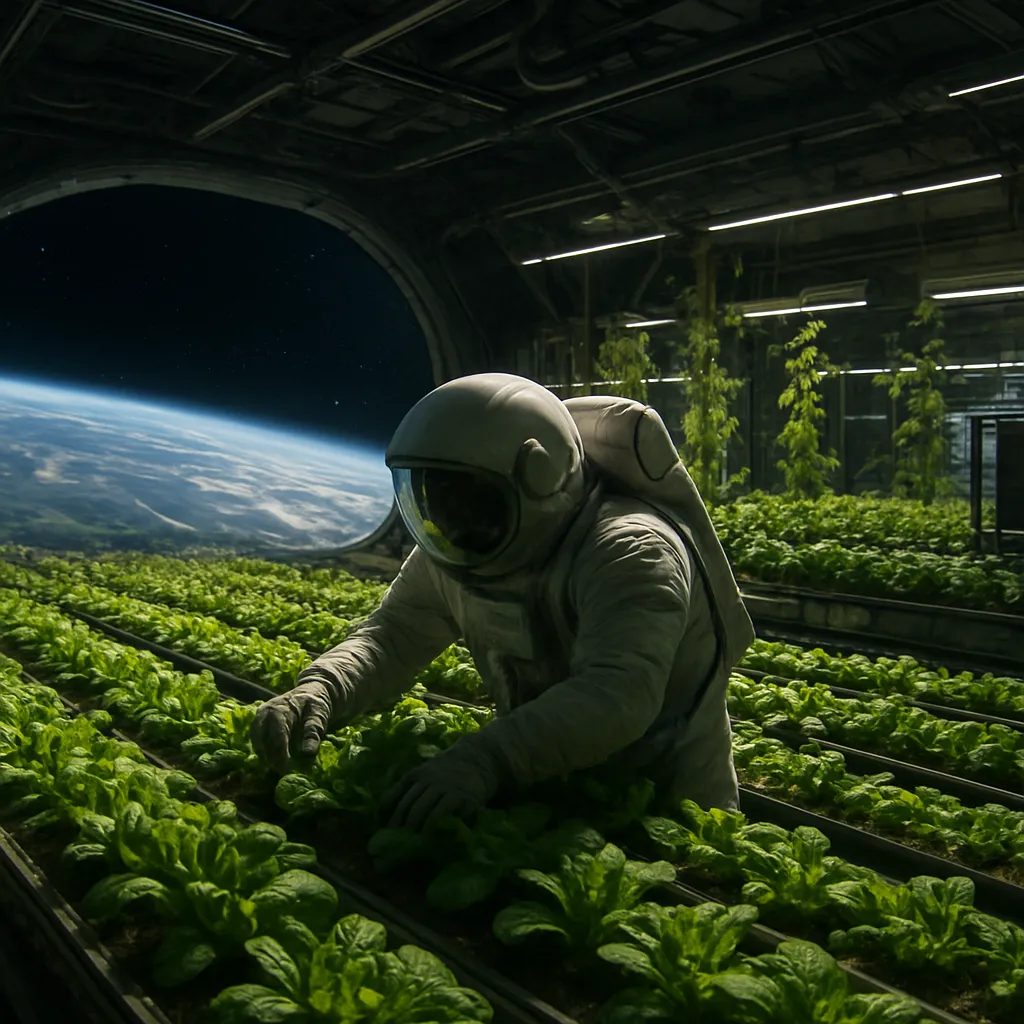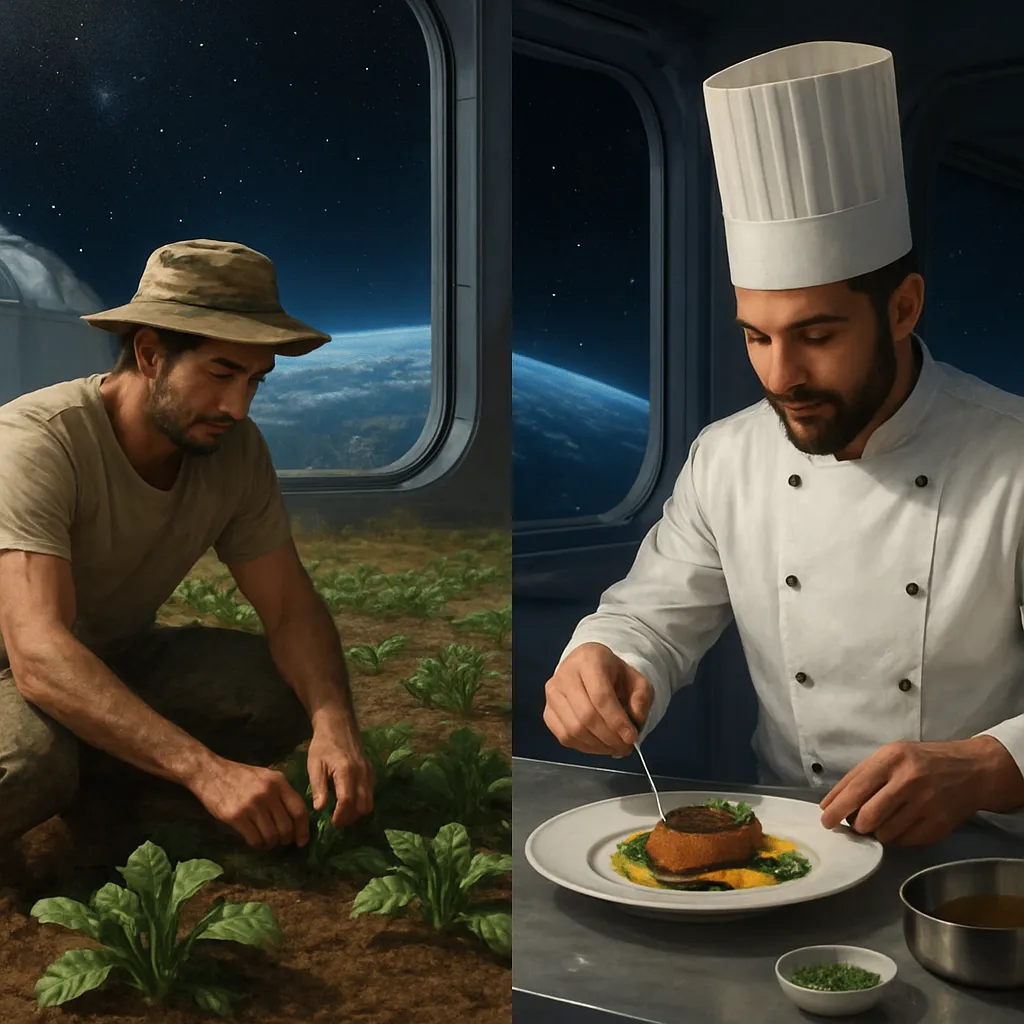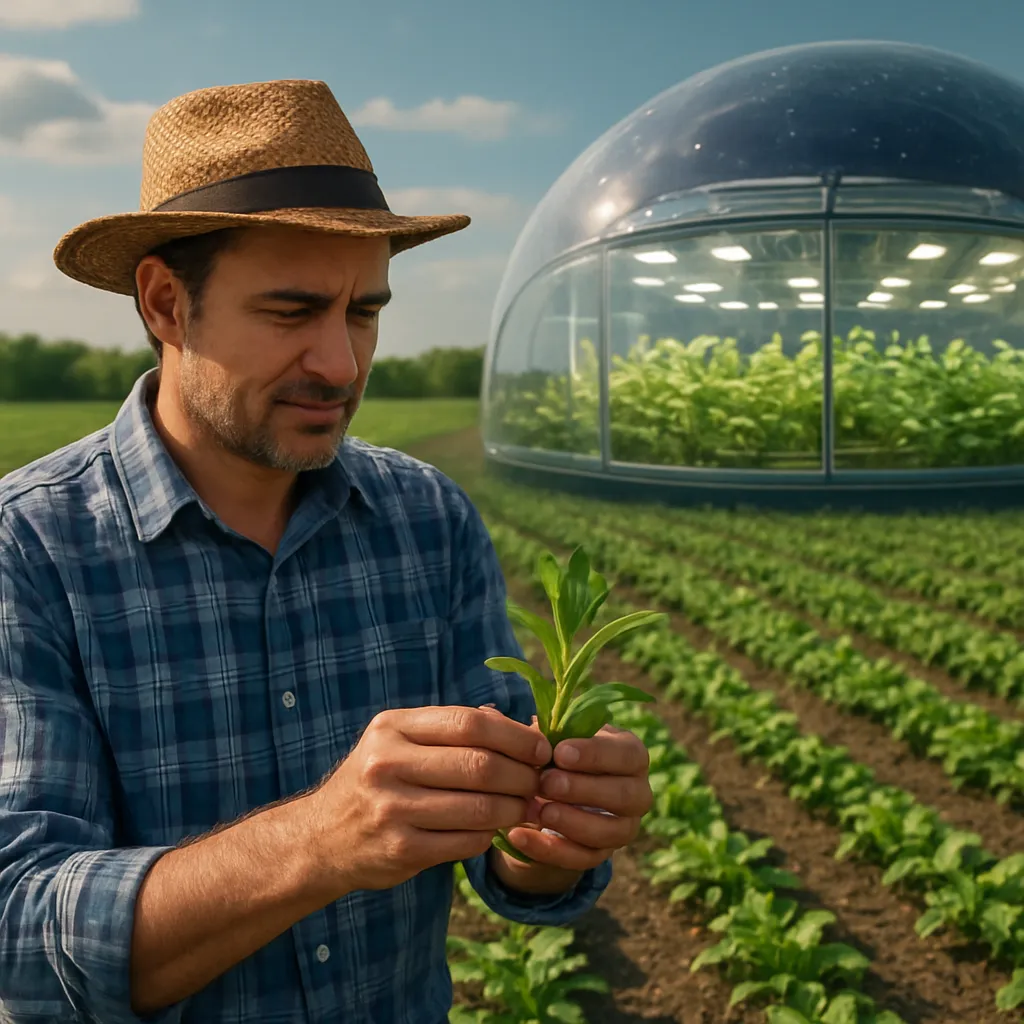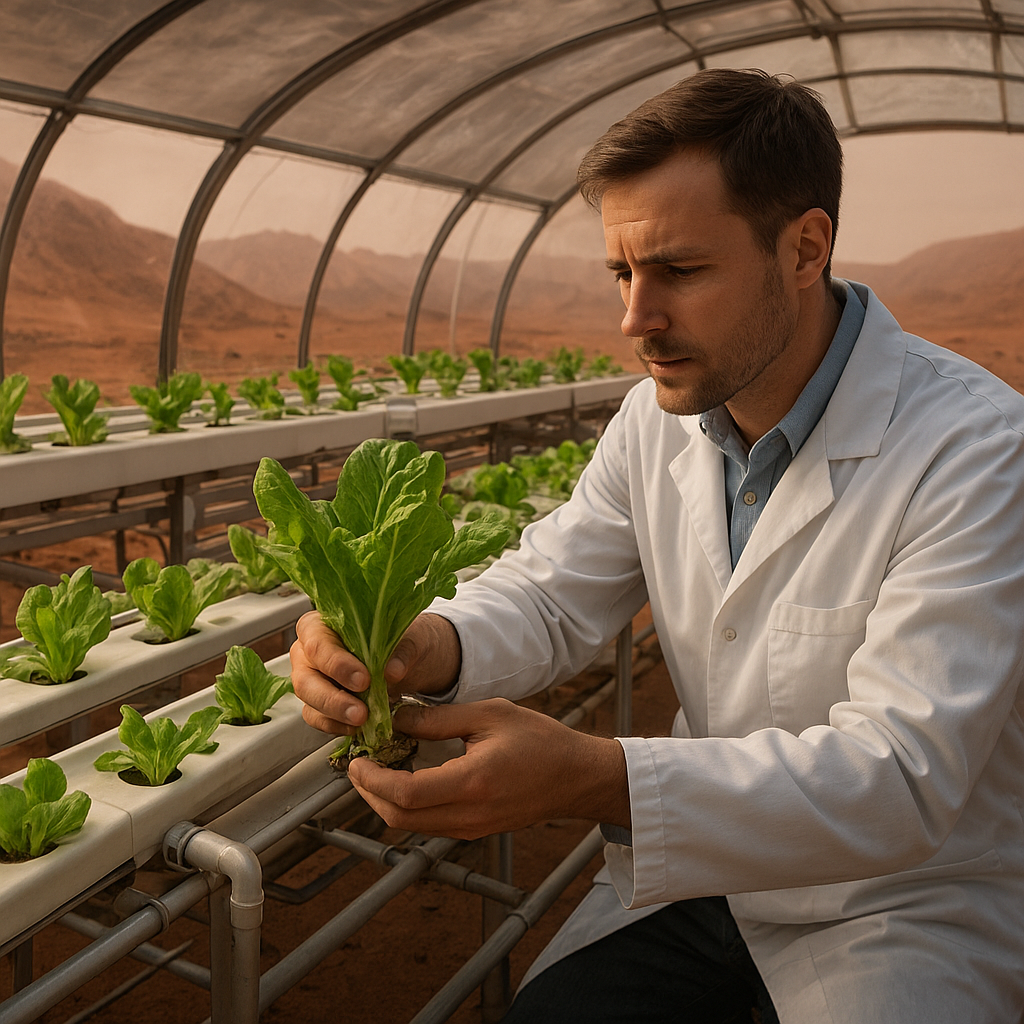
Establishing viable food production on the Martian surface demands innovative approaches that address the peculiar challenges of reduced gravity, limited resources, and harsh environmental conditions. As future missions transition from brief visits to sustained presence, the ability to cultivate crops in a controlled setting becomes critical. Adapting hydroponic systems originally designed for Earth to accommodate the gravity field of Mars offers a promising avenue to ensure crew health, mission sustainability, and planetary independence.
Understanding Martian Gravity and Plant Physiology
The acceleration due to gravity on Mars is roughly 38% of Earth’s value. This reduction profoundly influences plant development, affecting roots orientation, water transport, and cellular signaling. For terrestrial plants, gravitropism—a directional growth response to gravity—plays a vital role in root anchoring and shoot orientation. Under reduced gravity:
- Water and nutrient distribution within the root zone can become irregular, leading to zones of both dehydration and hypoxia.
- Signaling pathways involving auxin and other phytohormones may be altered, impacting overall cultivation efficiency.
- Structural sturdiness of stems and leaves might weaken without full gravitational loading, necessitating mechanical support.
Insights from microgravity research aboard orbital platforms reveal that many crops maintain viability but exhibit slower growth rates and altered morphology. These findings underscore the importance of precisely engineering a hydroponic environment that compensates for Martian gravity, optimizing plant health and yield.
Design Principles of Hydroponic Systems for Mars
Translating hydroponic technology to a Martian habitat requires careful re-engineering of each component to accommodate both gravity and resource constraints. Key design considerations include:
- Root Zone Management: Ensuring even nutrient and water distribution via capillary structures or low-pressure pumps to account for altered fluid dynamics under 0.38g.
- Structural Support: Incorporating flexible trellises and adjustable scaffolding to guide plant growth, compensating for reduced gravitational pull on stems and leaves.
- Nutrient Delivery: Balancing ionic concentrations in recirculating solutions to prevent salt buildup and ensure consistent uptake, while minimizing waste.
- Environmental Controls: Managing temperature, humidity, and CO2 levels within an enclosed growth chamber to simulate optimal Earth-like conditions.
- Containment and Safety: Designing sealed modules that prevent dust ingress, handle potential leaks, and mitigate microbial risks.
By integrating these principles, a Martian hydroponic module can deliver nearly Earth-comparable yields, albeit with novel mechanical and fluidic adaptations.
Technological Innovations and Challenges
Deploying hydroponics on Mars hinges on advanced technologies that overcome environmental constraints. Several innovations are under active development:
Advanced Sensor Networks
A distributed array of micro-sensors monitors pH, electrical conductivity, nutrient concentrations, and moisture levels in real time. These sensors feed data into an automated control system that fine-tunes pumping cycles and dosing mechanisms, ensuring plant roots receive optimal conditions despite gravity-induced fluid shifts.
Automated Robotics and Actuators
Robotic arms and linear actuators manage seed inoculation, plant pruning, and harvest operations. Under partial gravity, these systems must adjust gripping force and motion profiles to prevent damage to delicate plant tissues and avoid excessive vibration that could disturb fluid equilibrium.
Innovative Substrates
While classic hydroponics relies on inert media like perlite or rock wool, Martian regolith simulants enriched with organic amendments are being tested as hybrid substrates. These materials:
- Provide mechanical support.
- Enhance water retention through micro-pores.
- Offer a buffer against rapid pH shifts.
Encouraging results suggest that regolith-based substrates, when sterilized and amended, could reduce resupply needs from Earth.
Energy-Efficient LED Lighting
Optimized light spectra delivered by tunable LEDs promote photosynthetic efficiency with minimal power draw. Dynamic light recipes adapt to growth stages, leveraging far-red pulses to stimulate stem elongation where additional support structures are present.
Operational Protocols and Sustainability
Ensuring long-term viability requires robust operational protocols and closed-loop systems:
Water Recycling and Resource Management
Water scarcity on Mars demands near-total reclamation of condensate and transpiration losses. Integrated condensers capture humidity from plant chambers, feeding it back into the hydroponic reservoir. Advanced filtration units strip impurities and potential pathogens, maintaining water quality.
Carbon Dioxide Enrichment and Air Scrubbing
Balancing CO2 levels is critical for photosynthesis. Excess CO2 from life support systems can be channeled into growth chambers, while O2 generated by plants supports crew respiration. This symbiotic exchange reduces reliance on external resupply for gases.
Multi-Crop Rotation and Genetic Diversity
Diverse crop portfolios enhance nutritional balance and system resilience. Rotating leafy greens, fruiting plants, and tuberous species prevents monoculture-related disease outbreaks. Breeding programs focus on cultivars adapted to low gravity, shorter photoperiods, and limited root volumes.
Radiation Shielding and Biological Protection
Martian surface radiation poses risks to both plants and equipment. Using regolith-based covers or water jackets around growth modules offers passive shielding. Additionally, beneficial microbial inoculants can bolster plant tolerance to stress and suppress pathogens.
Future Perspectives and Mission Integration
As mission architectures evolve toward permanent settlements, hydroponic systems must scale and integrate with habitat modules. Key developments on the horizon include:
- Modular Growth Pods that snap together, expanding cultivation area as crew size increases.
- In-situ manufacturing of hydroponic components via 3D printing using regolith-derived feedstocks.
- AI-driven decision-making tools that predict crop performance under variable Martian dust storms and seasonal CO2 fluctuations.
- Interoperable interfaces between life support and agricultural systems, creating a holistic bioregenerative habitat.
By seamlessly blending advanced hydroponic technology with robust operational strategies, Mars missions can establish a reliable source of fresh produce, reduce payload mass, and foster psychological well-being for crews. The journey toward a Martian colony rests on our ability to master plant growth under alien gravity, making hydroponics an indispensable pillar in extraterrestrial agriculture.