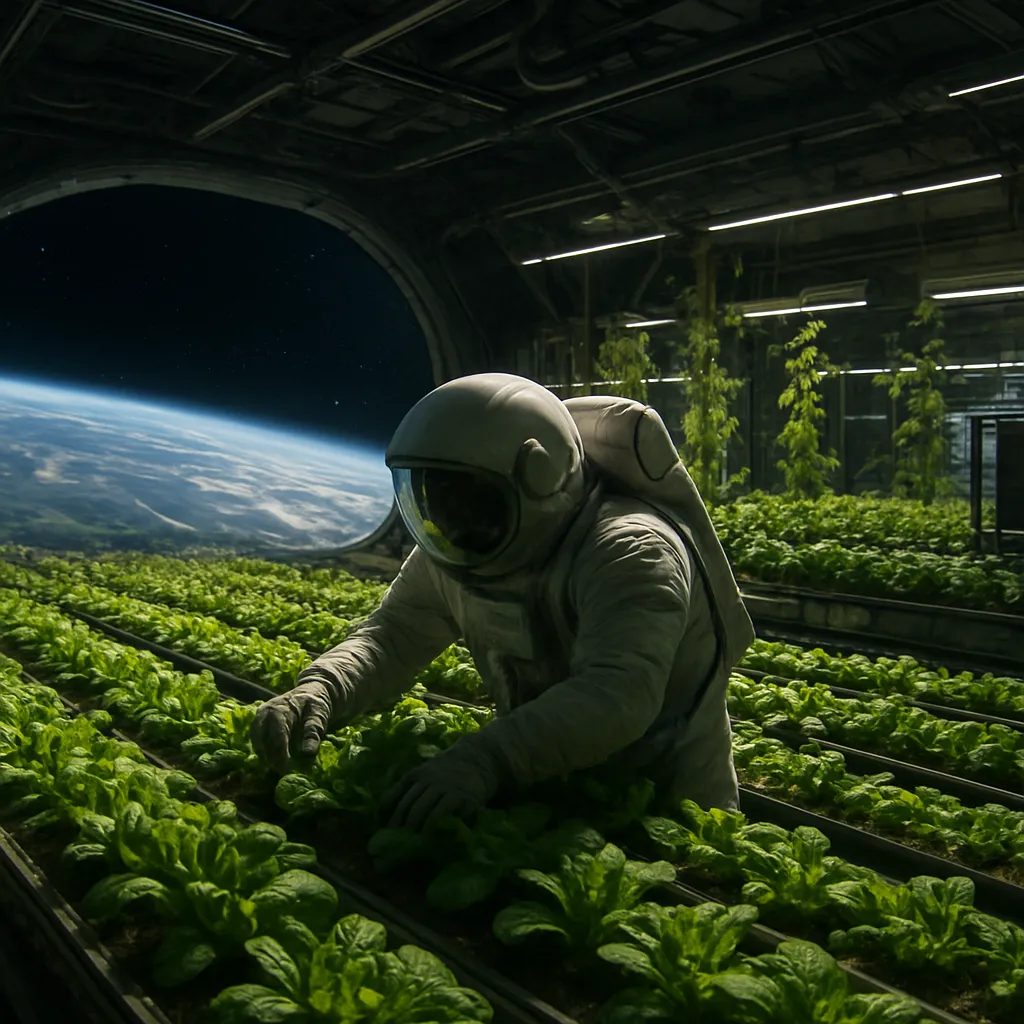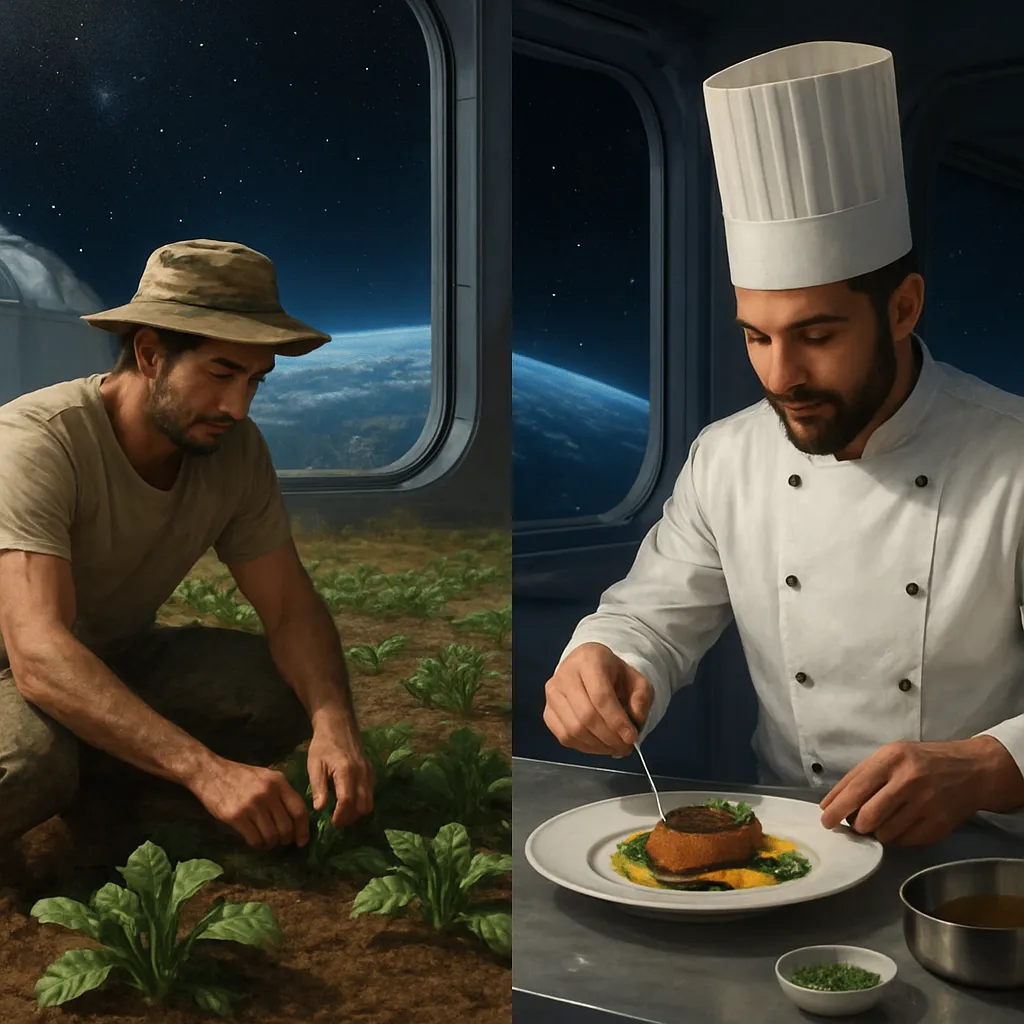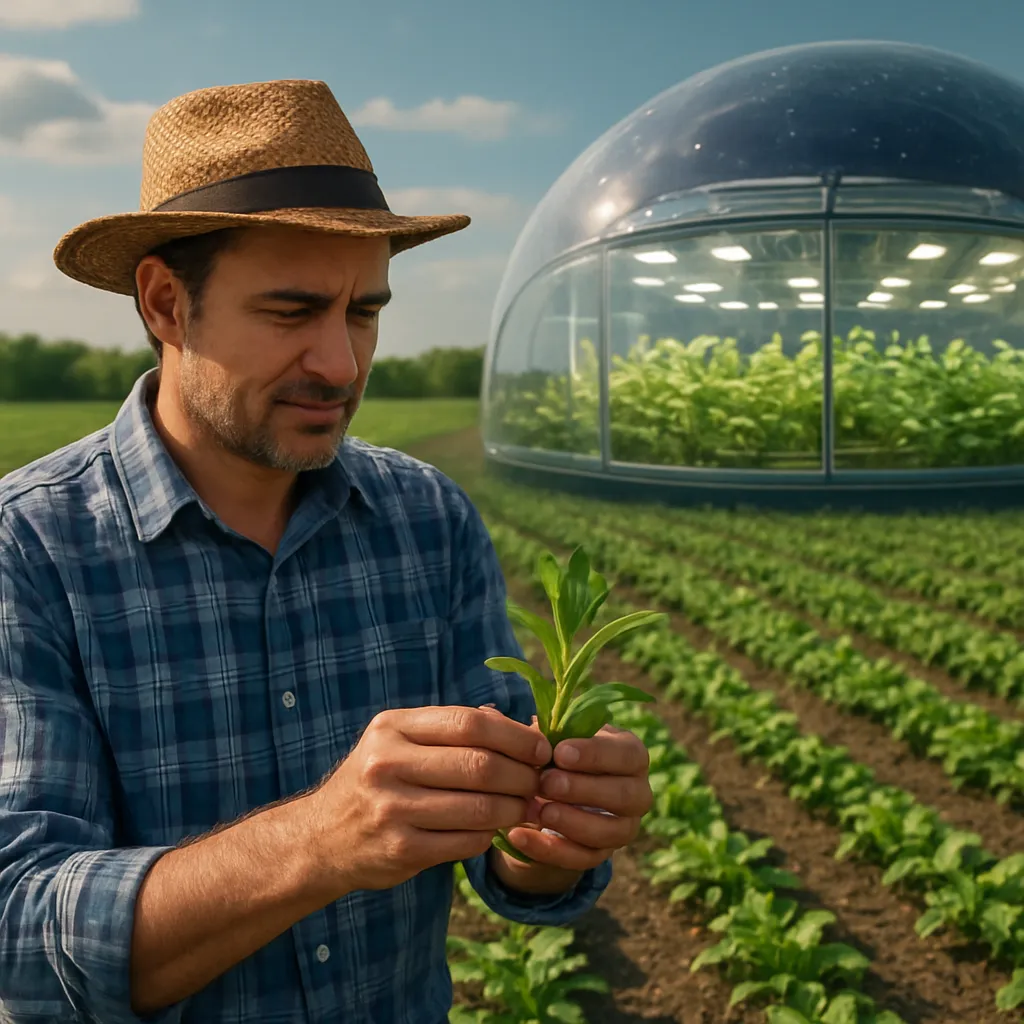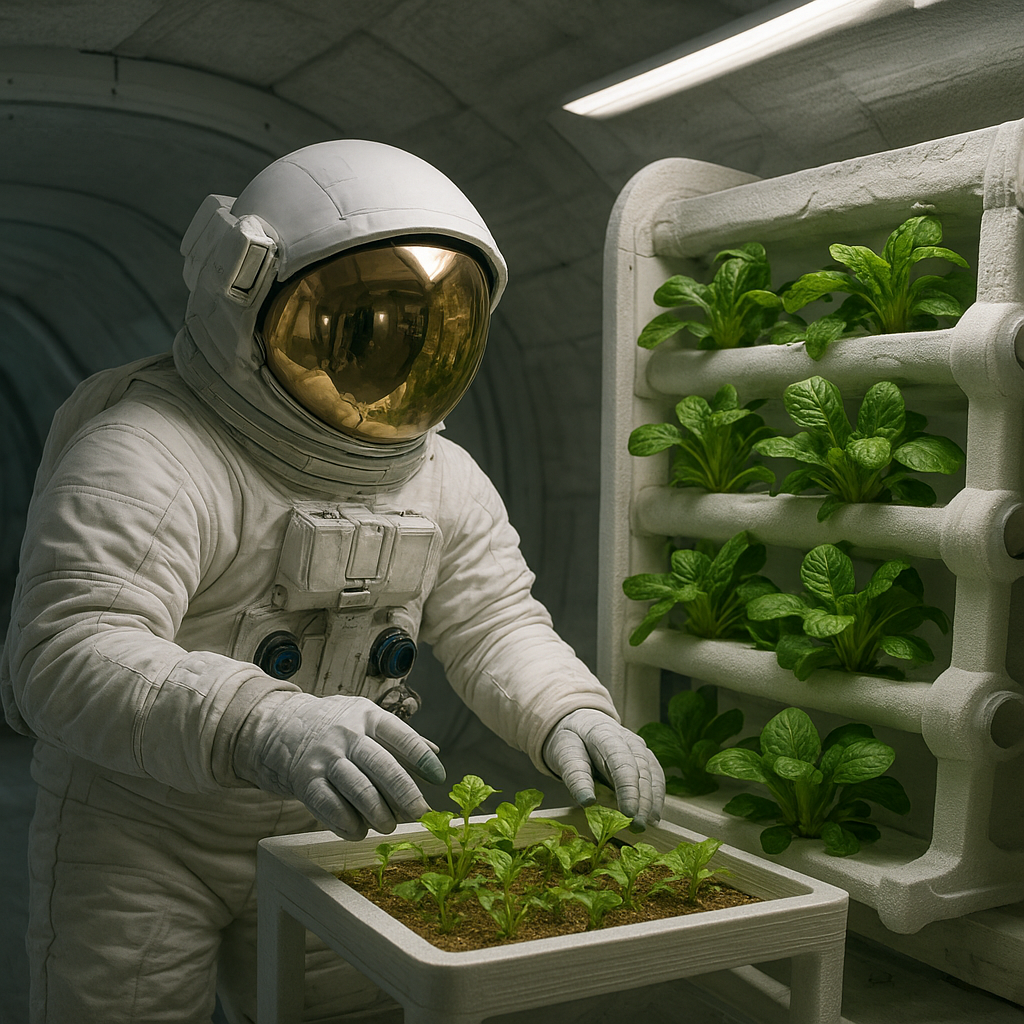
The convergence of 3D-printed technology and space agriculture promises to revolutionize how humanity cultivates food beyond Earth’s surface. By leveraging advanced manufacturing techniques and novel materials, researchers aim to create self-sufficient, durable, and efficient farming infrastructures on the Moon, Mars, and orbiting habitats. This article explores the cutting-edge methods for producing farming modules in space, the essential design parameters for extraterrestrial cultivation environments, and real-world case studies that illustrate the path toward sustainable off-world agriculture.
Materials and Techniques for 3D Printing in Space
Establishing agricultural installations in microgravity and low-gravity environments demands resource utilization strategies that minimize cargo mass launched from Earth. In-situ resource utilization (ISRU) and advanced composites offer pathways to produce structural components and farming modules with locally available feedstocks. Below are the primary material categories under investigation:
Regolith-Based Construction
Lunar and Martian regolith, the crushed rock and dust covering planetary surfaces, can be transformed into construction-grade products through 3D printing. Techniques include:
- Sintering regolith with focused solar or microwave energy to fuse particles into solid blocks.
- Mixing regolith with a small fraction of polymer binder to form printable “concrete” filaments.
- Using acid or molten salt leaching to extract higher-purity minerals for improved mechanical strength.
Regolith-derived structures provide resilience to radiation and micrometeoroid impacts, while significantly reducing Earth-to-space logistics costs.
Biopolymer Composites
Biopolymers produced from algae or cyanobacteria cultures can serve dual roles as both growing medium additives and printable binders. Key innovations include:
- Chitosan-based polymers derived from fungal biomass that offer biodegradability and oxygen permeability.
- Pectin and cellulose blends harvested from plant residues generated in the habitat, closing the loop on organic waste.
- Embedded nutrient capsules within the biopolymer matrix to support seed germination and root development.
These biocompatible composites foster a symbiotic relationship between structural elements and living plant systems, enhancing overall sustainability.
Advanced Metal Alloys
High-strength, lightweight metal alloys remain critical for support frameworks and nutrient delivery networks. On-station production employs:
- Wire-arc additive manufacturing to deposit aluminum, titanium, or Inconel layers in microgravity.
- Cold spray techniques that accelerate metal powders onto scaffolds, forming dense, defect-free surfaces.
- Hybrid processes combining metal printing with polymer embedding for integrated sensor networks.
These metallic structures underpin automation systems and environmental control units, ensuring precise regulation of temperature, humidity, and lighting.
Design Considerations for Space Farming Infrastructure
Designing farming modules for extraterrestrial environments involves a delicate balance between structural integrity, life support integration, and adaptability to unpredictable conditions. Four principal design criteria guide engineers and biologists:
Modular Habitat Structures
Modularity enables incremental expansion of growing areas, simplifies maintenance, and allows reconfiguration of internal layouts. Important aspects include:
- Interlocking joints produced via 3D printing that require no additional fasteners.
- Standardized docking interfaces for linking greenhouses, processing labs, and storage compartments.
- Expandable inflatable shells reinforced with printed ribbing to optimize mass-to-volume ratios.
Modular designs promote scalability and quick deployment, critical for rapid response to crew demands or mission changes.
Environmental Control and Life Support
Agricultural systems must be integrated with habitat life support to recycle air, water, and nutrients. Key elements are:
- Printed microchannel heat exchangers embedded in walls for precise thermal regulation.
- CO₂ scrubbers and O₂ generators seamlessly built into growing racks through additive manufacturing.
- Photobioreactors 3D-printed with light-diffusing polymers for uniform illumination of plant canopies and microbial cultures.
Efficient habitat integration reduces the crew’s consumables resupply needs and increases overall mission sustainability.
Automation and Robotics
Labor constraints in space necessitate high levels of robotic assistance. 3D-printed robotic arms and mobile platforms can:
- Navigate slim greenhouse corridors to perform planting, harvesting, and pruning tasks.
- Monitor crop health using embedded sensor arrays printed along structural beams.
- Self-repair minor mechanical damages by printing spare components in situ.
Such automated solutions boost operational efficiency in environments where human EVA time is limited and costly.
Case Studies and Future Prospects
Several pioneering experiments have tested aspects of 3D-printed farming infrastructure on the International Space Station (ISS) and Earth-based analog sites. These pilots inform the next generation of long-duration missions.
ISS Experiments
Onboard the ISS, small-scale biopolymer and regolith substrate trials have:
- Demonstrated plant growth in printed trays using recycled biomass gel.
- Tested miniature sintering ovens for producing ceramic-like growth vessels from simulant powders.
- Validated real-time sensor integration within printed support beams for humidity and nutrient monitoring.
Results indicate that optimized 3D-printed units can achieve up to 30% mass savings compared to conventional hardware.
Lunar and Martian Demonstrators
Ground-based analog sites located in desert regions and volcanic fields have hosted full-scale mockups of farming modules. Highlights include:
- A 3D-printed greenhouse dome built from lunar regolith simulant, featuring automated irrigation and LED lighting systems.
- Martian habitat prototypes employing hybrid metal-polymer support frames to withstand temperature extremes.
- Field tests of autonomous rovers that print repair patches on structural breaches using localized printing stations.
These demonstrators validate key design assumptions under harsh, remote conditions, fostering confidence in future off-world deployments.
Long-Term Vision
Looking ahead, the integration of 3D printing, synthetic biology, and closed-loop life support will give rise to fully autonomous sustainable farming colonies. Prospective advances include:
- Self-growing construction materials produced by genetically engineered microbes that secrete structural proteins.
- Adaptive printed shading systems that modulate solar influx based on diurnal and seasonal cycles.
- Modular bioreactors capable of producing both food and construction feedstocks from basic chemical precursors.
Ultimately, the synergy of additive manufacturing and space agriculture will enable humanity to transcend Earth-bound limitations, forging a new era of interplanetary habitation.