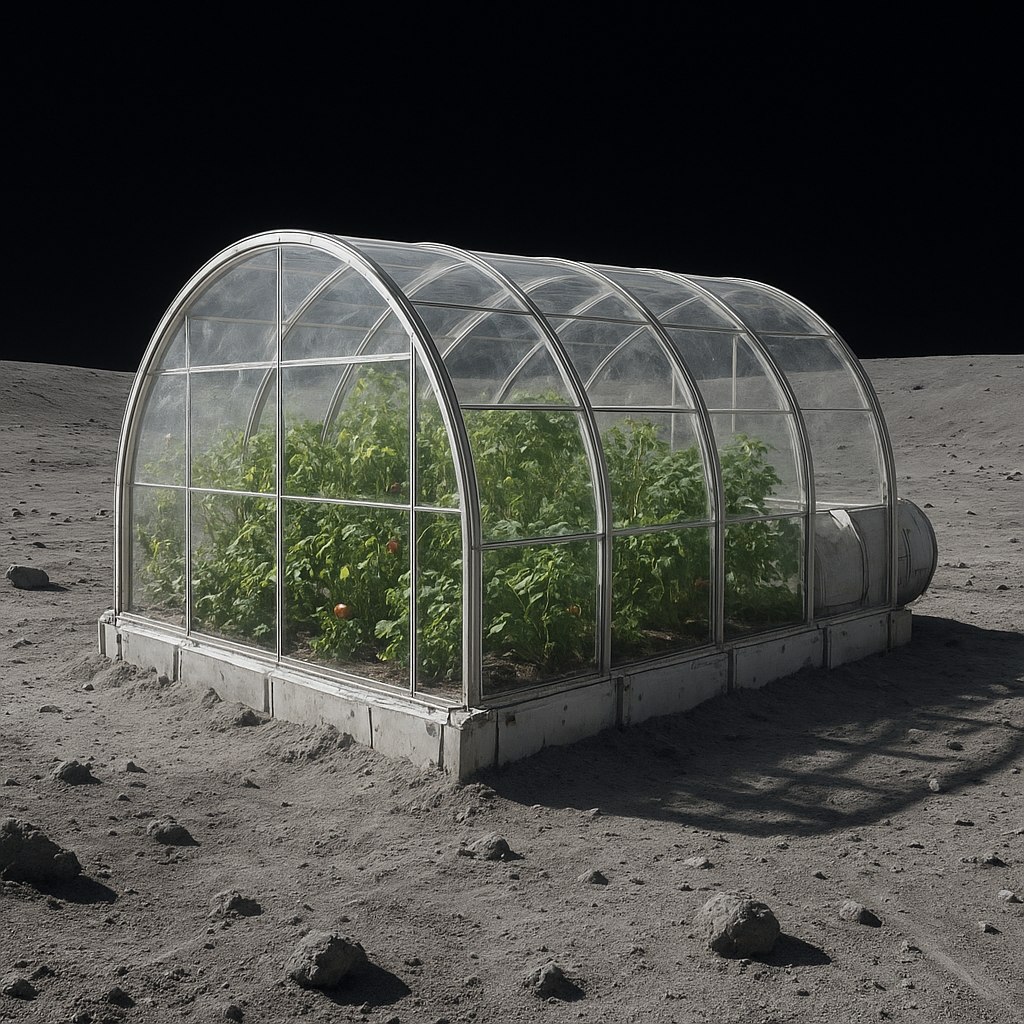
The exploration of the Moon for extended missions has shifted focus from mere visitation to habitation and resource utilization. As efforts advance toward establishing permanent bases, one critical aspect is the cultivation of food within controlled environments. Lunar dust poses a multifaceted challenge to space greenhouses, affecting plant health, equipment longevity, and crew safety. Addressing these obstacles requires a holistic approach that combines materials science, environmental control, and innovative agricultural techniques.
Properties of Lunar Regolith and Its Impact on Greenhouses
Lunar regolith, often referred to as lunar dust, is not just ordinary soil. It is a fine, abrasive material generated by billions of years of meteoroid impacts. Key characteristics include:
- Sharp and angular particle shapes that cause mechanical wear.
- High electrostatic charging under solar radiation.
- Low volatile content, leading to limited water adsorption.
- High mineralogical diversity, with varying levels of ilmenite, pyroxene, and olivine.
These properties have profound implications for a greenhouse environment:
- Abrasive dust can erode seals, filter media, and transparent cover materials.
- Electrostatically levitated grains can infiltrate sensitive areas, clogging air vents and shading surfaces.
- Absence of organic matter necessitates the import or in situ generation of nutrients.
Mechanical Degradation Risks
The abrasive nature of lunar dust leads to accelerated wear of moving parts, such as actuators in automated shading systems. Traditional greenhouse plastics may degrade under constant abrasion, requiring the development of lunar-grade polymers or ceramic coatings. Dust infiltration into lighting fixtures can reduce photon transmission, affecting photosynthesis rates.
Electrostatic Charging Effects
Due to the lack of atmosphere, lunar dust becomes highly charged by ultraviolet radiation. This results in dust levitation and unexpected adhesion to surfaces, including greenhouse walls and hydroponic channels. Shielding and grounding strategies are necessary to manage these charges and protect both plants and electronic systems.
Innovative Approaches to Dust Mitigation in Space Agriculture
Overcoming lunar dust challenges demands mitigation strategies at multiple levels. From habitat design to cultivation protocols, each element must contribute to a dust-resistant ecosystem.
Physical Barriers and Surface Treatments
- Electrostatic screens that repel charged particles.
- Self-cleaning coatings based on nanostructured surfaces.
- Airlocks with gradient pressure flushing to remove clingy dust from suits and equipment.
These measures reduce the quantity of regolith entering the greenhouse module and minimize deposition on plant leaves and sensors.
Regolith Utilization and Bioregenerative Systems
Rather than viewing lunar dust solely as a contaminant, researchers are exploring ways to transform regolith into a growth substrate. Approaches include:
- Chemical activation using acid leaching to release essential nutrients.
- Inoculation with microbial consortia capable of mobilizing minerals.
- Amendment with organic waste produced by crew or composted green waste.
Such bioregenerative systems aim to close the resource loop, reducing reliance on Earth-supplied fertilizers.
Advanced Hydroponics and Aeroponics
Hydroponic and aeroponic systems offer soilless alternatives that bypass regolith issues altogether. Key advantages are:
- Controlled nutrient delivery and pH management.
- Reduced risk of mechanical abrasion from particles.
- Lower water usage through recirculation technologies.
However, these systems demand robust water purification and radiation-hardened electronic controls to ensure uninterrupted operation amid lunar dust storms.
Future Prospects for Sustainable Lunar Farming
The vision of a self-sufficient Moon base hinges on sustainable agricultural practices that can endure the hostile environment. Several emerging technologies and strategies promise to bridge current gaps.
Robotic Maintenance and Monitoring
Autonomous robots equipped with sensors can patrol greenhouse exteriors, brushing away dust accumulations and applying protective coatings. Inside, robotic arms handle planting, pruning, and harvesting tasks, minimizing human exposure to regolith. Machine-learning algorithms process sensor data to predict maintenance needs and adjust environmental parameters in real time.
Integrated Energy and Climate Control
Greenhouses on the Moon must maintain precise temperature, humidity, and light conditions. Advances include:
- Solar concentrators and fiber-optic light delivery.
- Phase-change materials for thermal buffering.
- Closed-loop life support integration to recycle water and oxygen.
Energy-efficient heating and cooling systems ensure plant roots remain within optimal temperature ranges despite extreme lunar surface fluctuations.
Community-Scale Greenhouse Architectures
Rather than isolated growth chambers, future lunar settlements may feature interconnected greenhouse networks. Benefits include:
- Shared resources for water, nutrients, and power.
- Modular expansion capabilities.
- Collective shielding structures reducing overall radiation exposure.
Such community-scale designs foster greater resilience against dust infiltration by centralizing maintenance and filtration infrastructure.
Pathways to Mars and Beyond
Lessons learned from lunar greenhouse experiments will inform agricultural systems for Mars missions and deep-space habitats. Technologies perfected in low-gravity, high-dust environments set the stage for truly interplanetary agriculture. By optimizing resource use and minimizing Earth dependence, future explorers can sustain longer missions and pave the way for human expansion across the solar system.