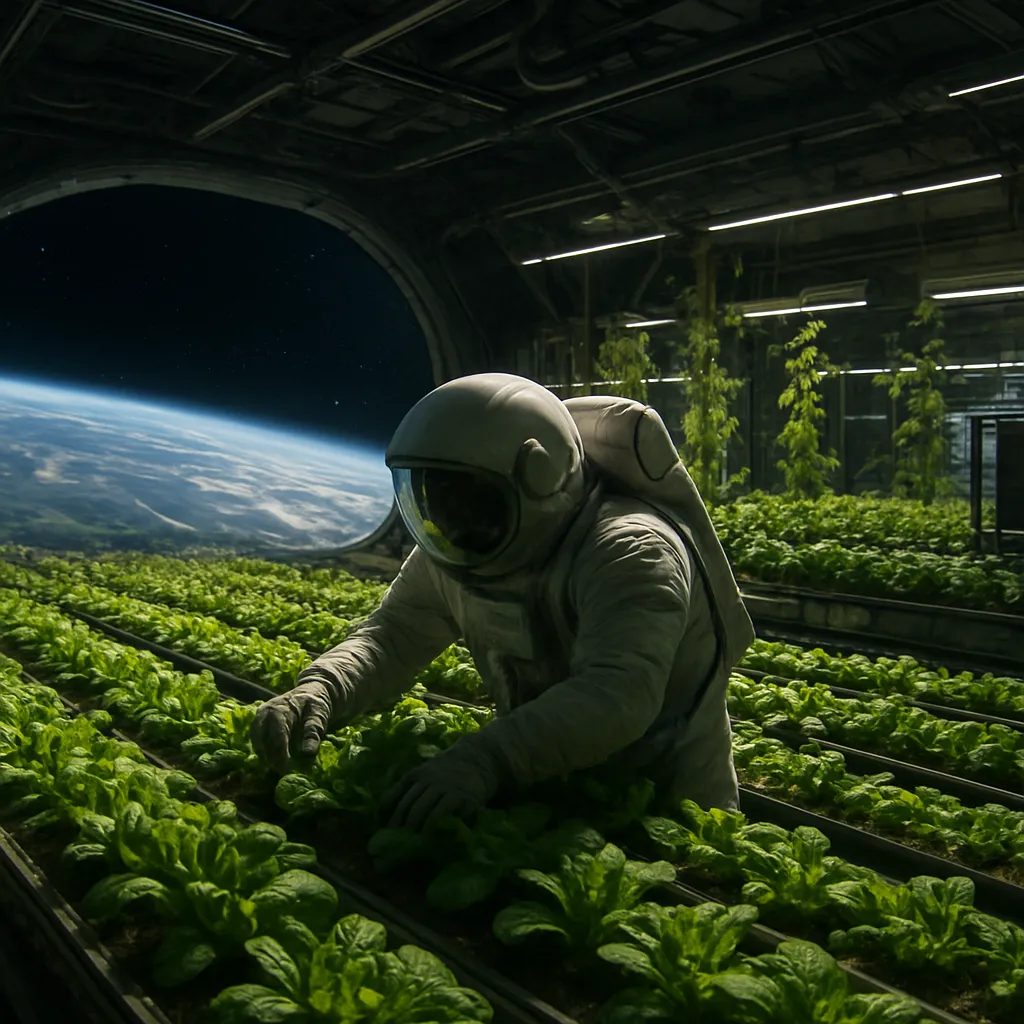
Venturing into the final frontier necessitates a radical rethinking of food production. As humanity extends its presence into low Earth orbit and contemplates settlements on the Moon and Mars, the imperative to develop self-sufficient agrarian systems intensifies. Engineers harness advanced bioengineering techniques to transform conventional crops into resilient food sources capable of withstanding the rigors of extraterritorial environments. These endeavors hold the potential to redefine our relationship with life support, resource cycles, and long-term planetary stewardship. However, the intersection of molecular manipulation and cosmic exploration raises profound moral questions regarding our responsibility to both human explorers and the environments they inhabit. This article examines the multifaceted ethical dilemmas that emerge as agricultural science breaches Earth’s boundaries.
Origins of Space Crop Bioengineering
The quest to cultivate living systems beyond Earth emerged alongside the earliest crewed missions. Initial studies aboard orbital platforms demonstrated that plants could grow under artificial illumination and hydroponic conditions, offering a blueprint for regenerative life support. These prototypes set the stage for harnessing gene editing tools like CRISPR to refine plant characteristics for off-world resilience.
Key objectives driving this research include:
- Enhancing photosynthetic efficiency to maximize yield under limited light spectra.
- Strengthening cellular repair mechanisms against elevated ionizing and cosmic radiation.
- Reducing water requirements through modified stomatal regulation and desiccation tolerance for improved sustainability.
- Accelerating maturity cycles to supply fresh produce within mission-critical timeframes.
By tailoring the genome of staple crops such as wheat, rice, and potatoes, scientists aim to secure a continuous food supply that minimizes reliance on costly resupply missions. Yet, the introduction of novel genetic constructs into closed-loop ecosystems demands careful scrutiny. The prospect of engineered traits recombining with microbial communities inside habitat modules underscores the necessity of robust biocontainment strategies. Furthermore, adapting terrestrial species to microgravity involves altering structural proteins, hormonal pathways, and root growth patterns—modifications that may carry unforeseen downstream effects on nutritional composition and edible safety.
Ethical Considerations in Genetic Modifications
Genetically tailoring plants for extraterrestrial agriculture confronts scientists and ethicists with difficult trade-offs. The drive to achieve astronomical milestones in colonization can conflict with established precautionary norms in biotechnology. Three primary areas of ethical tension emerge:
- biosafety and human health: Introducing genetically enhanced foods into astronaut diets requires rigorous allergenicity and toxicity screening. The confined nature of spacecraft magnifies the impact of any adverse reaction.
- Intergenerational consent: Crews on prolonged missions, or descendants born in extraterrestrial habitats, cannot provide retrospective approval for genetic interventions that reshape their food landscape for decades.
- equity and resource allocation: Proprietary control over patented seed lines by private corporations poses risks of monopolization, potentially creating disparities in access to life-sustaining crops among different national or corporate missions.
Balancing Precaution with Expediency
Strict adherence to the precautionary principle advocates for exhaustive testing under simulated space conditions, including analog habitats and climate test chambers. Critics argue that the pace of commercial spaceflight necessitates agile regulatory frameworks that avoid stifling innovation. Reconciling these views involves establishing phased approval processes where initial trials occur in low-risk environments before full deployment on crewed missions. Open data sharing and collaborative safety protocols can further reduce uncertainties without halting progress.
Protecting Extraterrestrial Ecosystems
Though Mars and the Moon appear barren, they possess unique mineralogies and potential subsurface conditions that could harbor microbial life. Planetary protection policies forbid forward contamination, but existing treaties permit exceptions for controlled experiments. The ethical dilemma intensifies when genetic modifications enhance plant survival in regolith substrates. Ensuring that engineered crops do not irreversibly alter native soil chemistry or obscure biosignature detection demands collaboration between astrobiologists and geneticists. Comprehensive ecological risk assessments must precede any field trials beyond low Earth orbit.
Regulatory Frameworks and Responsibility
Governance models for space-faring agriculture remain nascent. Domestic agencies like NASA enforce strict quarantine procedures for biological specimens, but international ventures often fall under varying legal regimes. Key regulatory and ethical considerations include:
- Intellectual property vs. open-source biology: Should genetic blueprints for off-world crops be freely shared to support global sustainability goals, or protected to drive private investment?
- Liability and accountability: In the event of ecological disruption within a habitat or inadvertent release onto planetary surfaces, determining fault involves complex jurisdictional analyses.
- Transparent risk communication: Astronaut crews, mission planners, and the public deserve clear disclosure of genetic alteration protocols and associated hazards.
In recent years, academic consortia and nonprofit organizations have proposed the establishment of an international code of conduct for extraterrestrial agriculture. This code would integrate ethical training modules for mission stakeholders, emphasizing the dual aims of advancing food security and preserving cosmic environments. Embedding morality clauses in contracts between governments, private entities, and research institutions could incentivize adherence to high ethical standards without derailing scientific progress.
Moreover, multidisciplinary review boards—comprising ethicists, planetary scientists, and legal experts—could oversee project approvals. These boards would assess not only technical risk but also societal implications, ensuring that bioengineered crops align with broader humankind principles and interplanetary stewardship.
Future Horizons in Agriculture Beyond Earth
As humanity eyes long-term bases on the Moon and Martian settlements, the design of agricultural ecosystems will evolve into integrated techno-biological landscapes. Emerging concepts encompass:
- Synthetic symbiosis with engineered microbial consortia that recycle waste streams and fix essential nutrients for plant uptake.
- Modular bioreactors capable of producing bioactive compounds, pharmaceuticals, and tailored biomaterials alongside food crops.
- Adaptive genome networks that sense habitat variables and trigger self-regulating expression of stress-resistance genes.
- Real-time adaptation algorithms that adjust lighting, temperature, and nutrient delivery according to plant feedback.
Developing these systems will necessitate unprecedented collaboration between synthetic biologists, agricultural engineers, ethicists, and planetary protection officers. Anticipating ethical pitfalls—ranging from exploitation of extraterrestrial resources to biopiracy of proprietary strains—must be integral to research roadmaps. Debates over whether to prioritize maximal yield or minimal ecological footprint will shape the trajectory of human presence in the cosmos.
Ultimately, forging a sustainable agricultural framework beyond Earth challenges us to redefine stewardship on a cosmic scale. Crafting policies that balance technological prowess with moral responsibility will determine whether our off-world settlements embody an enlightened extension of humanity or an unchecked replication of terrestrial hubris.