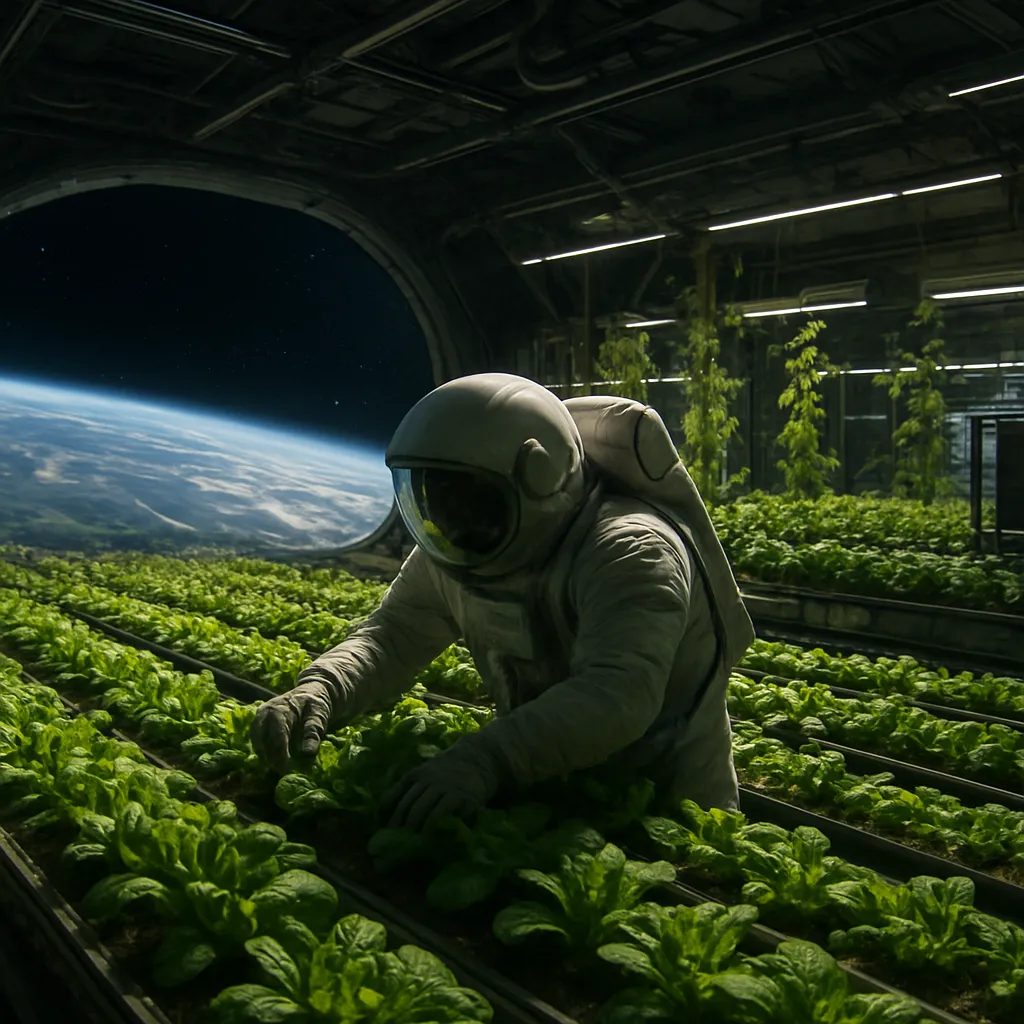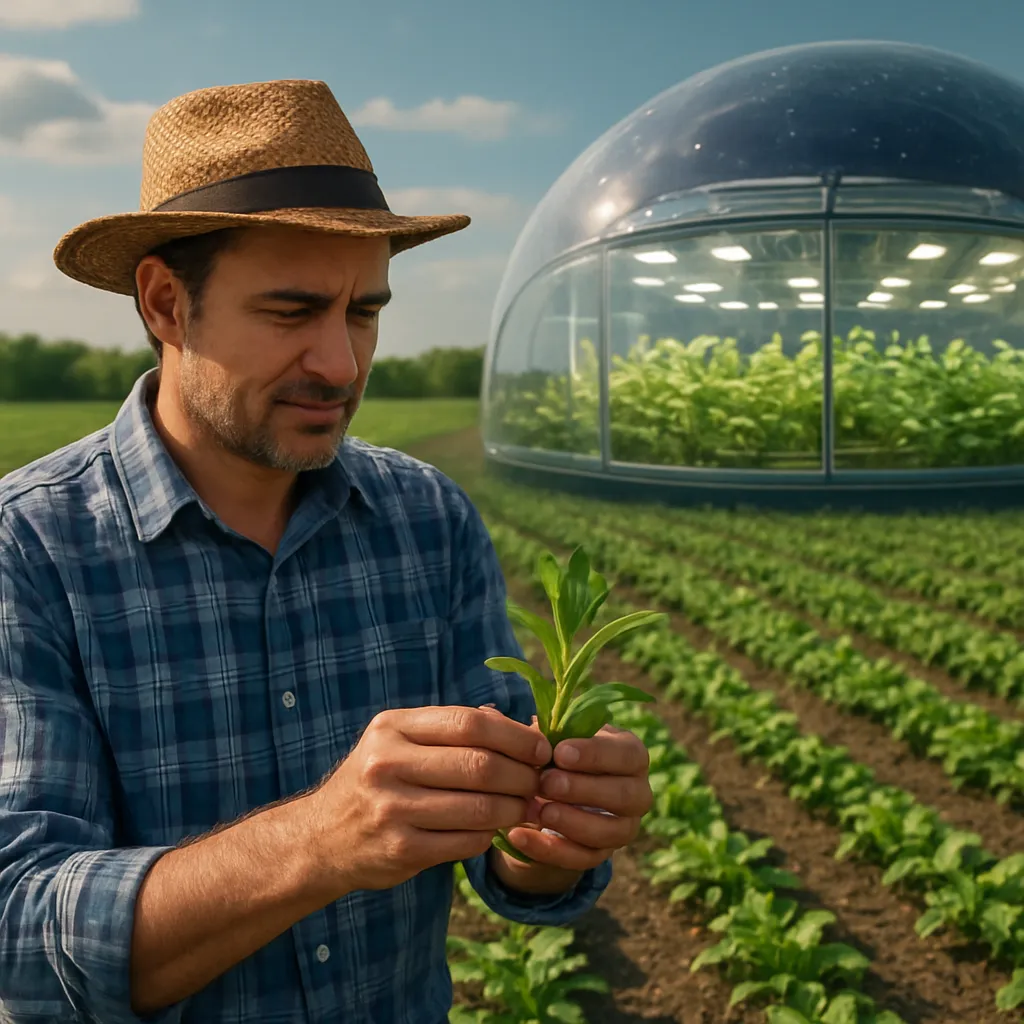
In recent years, the convergence of waste recycling and food production has emerged as a transformative strategy to boost sustainability in the agricultural sector. By closing material loops and harnessing by‐products in novel ways, farmers and agribusinesses can achieve greater resource efficiency while reducing environmental emissions. This exploration highlights key synergies, cutting‐edge technologies, environmental benefits, economic opportunities, and future trajectories that promise to reshape modern farming.
Synergies Between Recycling and Food Production
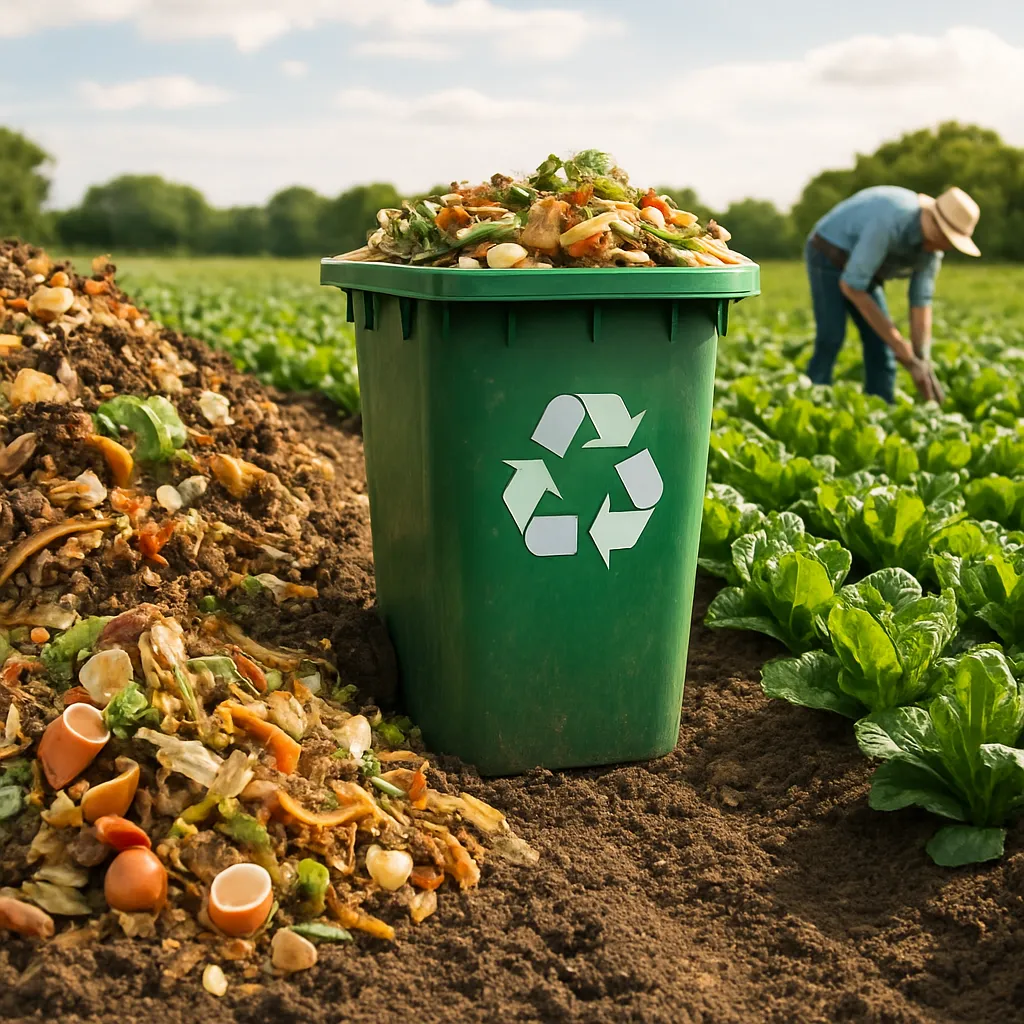
Integrating waste recycling with food production creates a circular system where residues and by‐products become valuable inputs rather than burdens. Three main streams of recycled materials feed into agriculture:
- Organic waste from households, restaurants, and food processing plants
- Agricultural residues such as crop stalks, husks, and pruning biomass
- Animal manures and wastewater from livestock operations
By converting these streams into compost, biofertilizers, or biogas, farms can replenish soil nutrients, improve structure, and generate renewable energy. Below are the primary synergies realized through integration:
- Enhanced soil resilience and water retention through organic amendments
- Reduced dependency on synthetic fertilizers and associated fossil‐fuel inputs
- Lower greenhouse gas footprints by avoiding landfill methane emissions
- Generation of on‐farm energy (heat, electricity) via anaerobic digestion
- Creation of higher‐value co‐products such as biochar and nutrient concentrates
Innovative Technologies and Approaches
Recent advances have broadened the toolkit for turning waste into productive resources. Key innovations include:
1. Anaerobic Digestion and Biogas Recovery
Large‐scale digesters process mixed organic waste, producing biogas (primarily methane) and a nutrient‐rich digestate. The gas is used for electricity generation or converted into renewable natural gas, while the digestate serves as a high‐value fertilizer. This approach yields:
- Energy independence for farms and rural communities
- Stabilized organic matter that won’t leach harmful compounds
- Opportunities for carbon credits by reducing fossil‐fuel usage
2. Vermicomposting and Biofertilizer Production
Vermicomposting harnesses earthworms to break down kitchen scraps, livestock manure, and plant residues into premium organic fertilizer. Characteristics of vermicompost include:
- High microbial diversity that boosts soil biodiversity
- Improved nutrient availability, especially nitrogen and phosphorus
- Suppression of certain soil‐borne diseases and pests
3. In‐Vessel Composting and Aeration Systems
Controlled in‐vessel composting reduces odors, accelerates decomposition, and mitigates pathogen risks. These systems are increasingly paired with sensors and IoT monitoring to optimize temperature, moisture, and oxygen levels. Benefits include:
- Faster turnover times—often under six weeks
- Consistent, high‐quality compost suitable for organic certification
- Reduced labor and land requirements compared to windrow methods
4. Hydroponic and Aquaponic Integration
Aquaponics combines aquaculture (fish farming) with hydroponic crop production. Fish waste provides a continuous supply of nutrients for plants, while plants filter and purify water. Key advantages are:
- Water efficiency gains up to 90% compared with soil‐based systems
- Year‐round, high‐density production often located near urban areas
- Minimal chemical inputs due to closed‐loop nutrient cycling
Environmental and Economic Impacts
When effectively implemented, waste‐to‐farm loops deliver substantial ecological benefits:
- Cutting carbon footprints by diverting organic matter from landfills
- Sequestering atmospheric carbon in stable soil organic matter
- Reducing eutrophication of waterways through targeted nutrient reuse
- Boosting landscape resilience against drought and erosion
On the economic front, circular strategies can unlock new revenue streams and cost savings:
- On‐site energy production lowers utility bills and insulates against fuel price volatility
- Sale of premium organic compost or biofertilizers generates additional income
- Access to government incentives and green financing for low‐carbon projects
- Enhanced crop health and yield improve productivity and market competitiveness
Challenges and Solutions
Despite clear advantages, several hurdles must be addressed to scale integrated recycling:
- Regulatory barriers limiting use of certain waste streams on agricultural land
- High upfront capital costs for digesters, compost facilities, and processing equipment
- Logistical complexities in collecting and transporting organic feedstocks
- Need for technical expertise in operating and maintaining advanced systems
Successful solutions include public–private partnerships, mobile processing units, and community compost hubs. Training programs and digital platforms further ease adoption by offering best‐practice guidance and real‐time monitoring tools.
Future Directions and Innovations
Emerging trends promise to deepen the integration of recycling and agriculture:
- Genetic and microbial engineering to produce specialized biofertilizers that enhance nutrient uptake
- AI and machine‐learning platforms optimizing feedstock blends for faster decomposition and higher efficiency
- Urban farming models that convert municipal food waste into on‐site fertilizers for rooftop gardens and vertical farms
- Development of bioelectrochemical systems that generate electricity directly from organic waste streams
Collaborative networks among farmers, municipalities, and research institutions will accelerate knowledge exchange and scale demonstration projects. As the world grapples with climate change and resource scarcity, the union of waste recycling and food production stands as a beacon of innovation and hope for a more sustainable future.