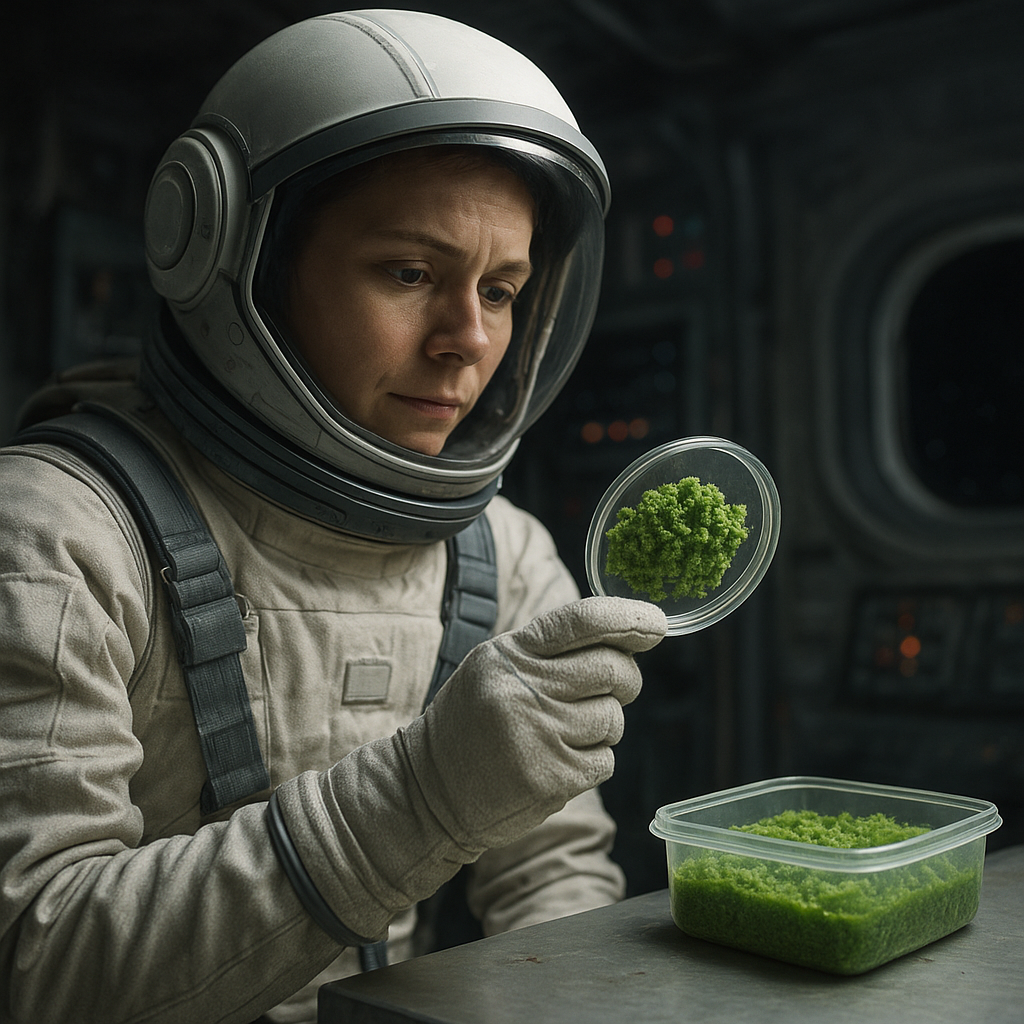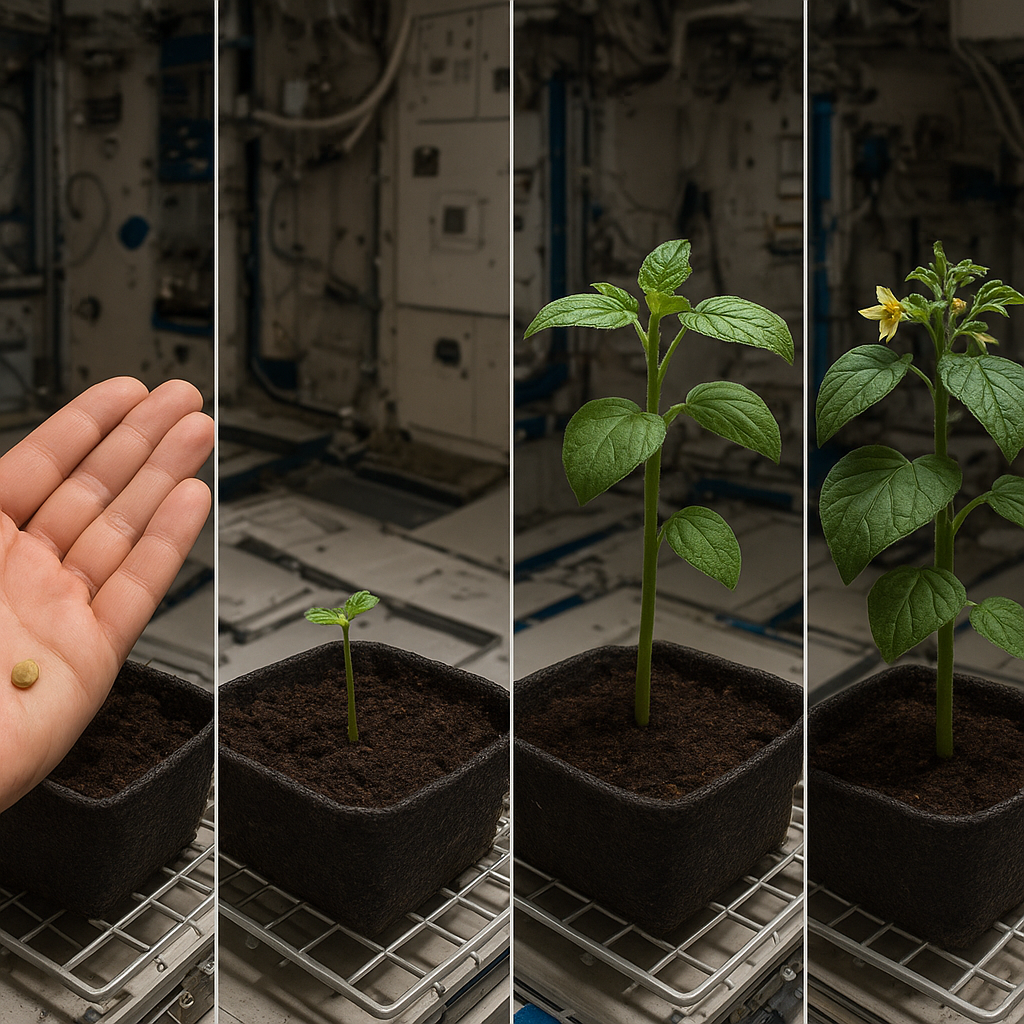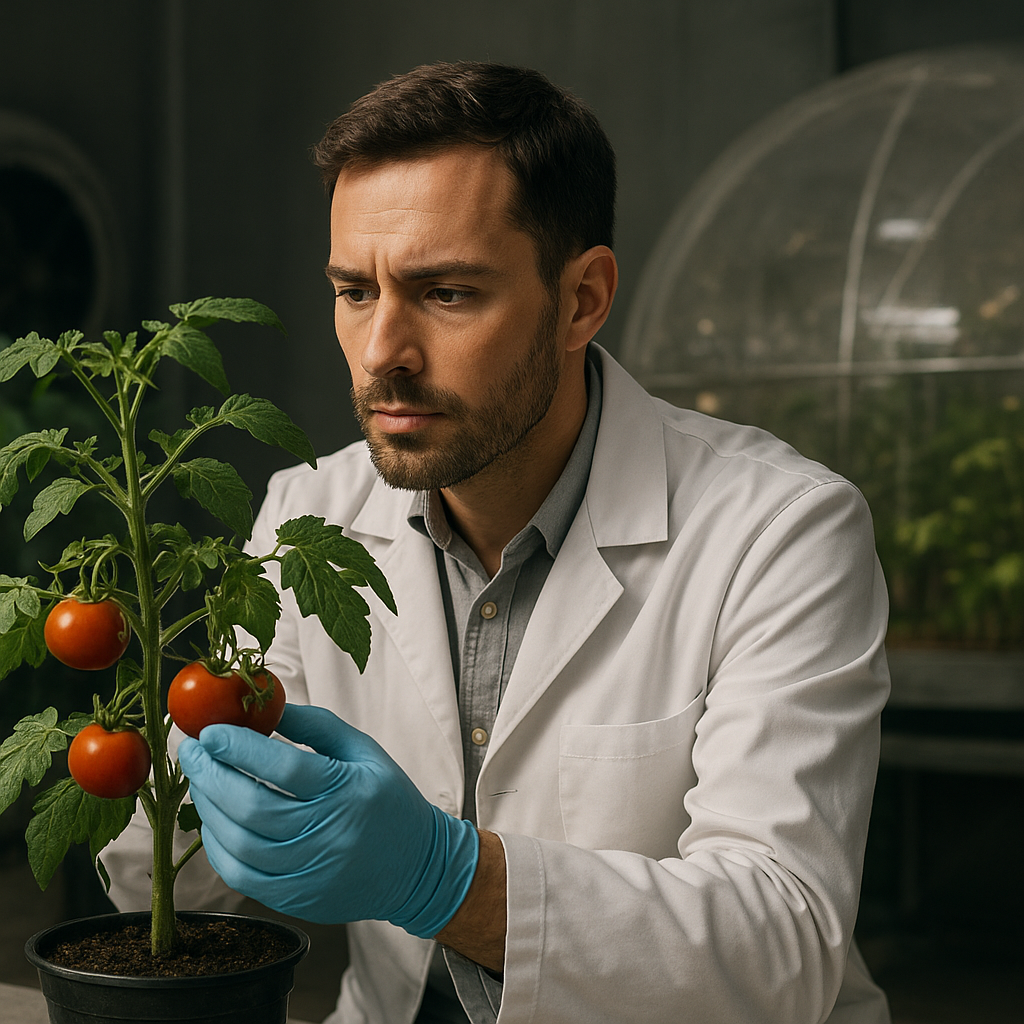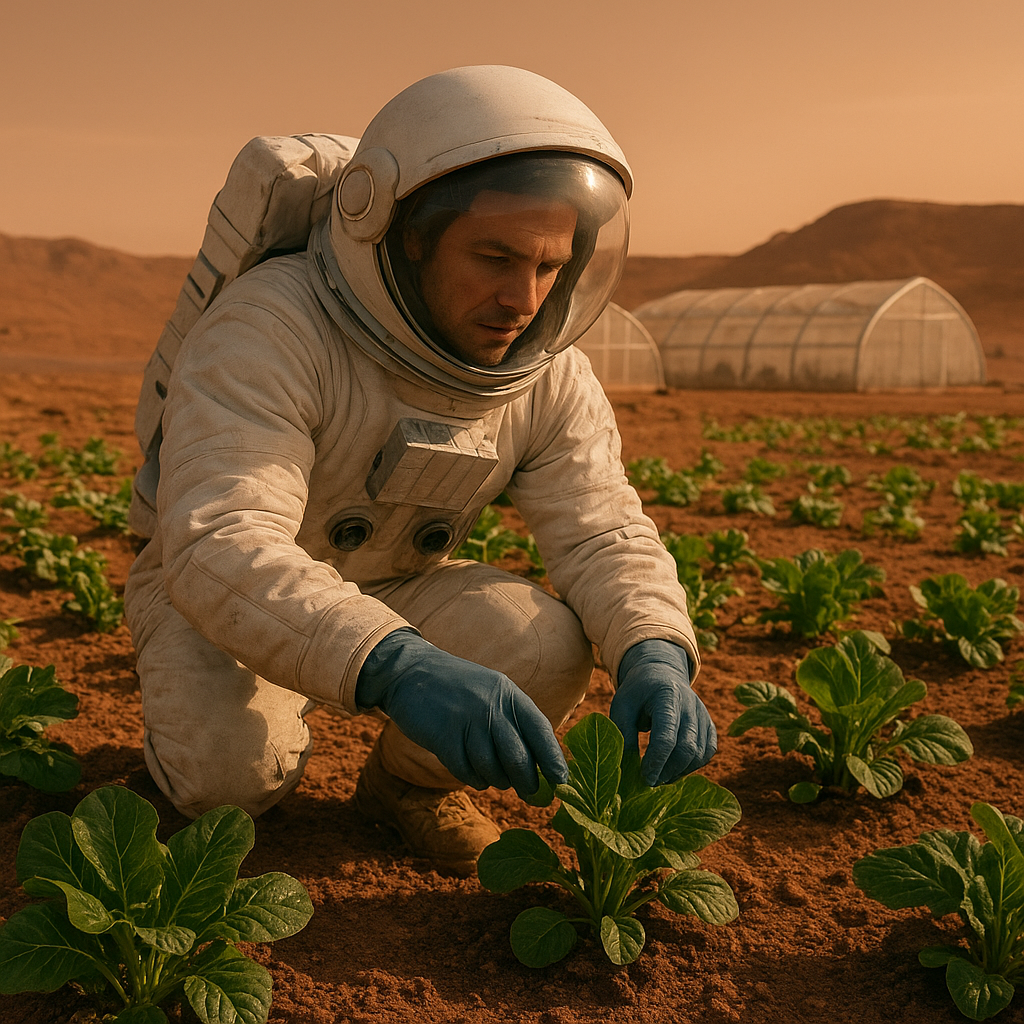
Establishing viable agriculture on Mars demands a blend of technological prowess and biological insight. Researchers are exploring how to adapt Earth crops to thrive in an alien setting characterized by frigid temperatures, low atmospheric pressure and intense radiation. By integrating breakthroughs in plant biology, engineering and system design, future Martian greenhouses could transform inhospitable terrain into productive farmland. This effort hinges on innovation across multiple disciplines, ensuring both sustainability and resilience of off‐world cultivation systems.
The Martian Challenge
Mars presents an array of environmental hurdles that differ dramatically from those on Earth. Surface gravity is 38% of Earth’s, atmospheric pressure averages 0.6% of sea‐level values and ultraviolet radiation levels are significantly higher. Meanwhile, the regolith contains perchlorates and has negligible organic content. Any attempt at agriculture must therefore compensate for harsh conditions through artificial systems and robust crop varieties.
Atmospheric and Radiation Constraints
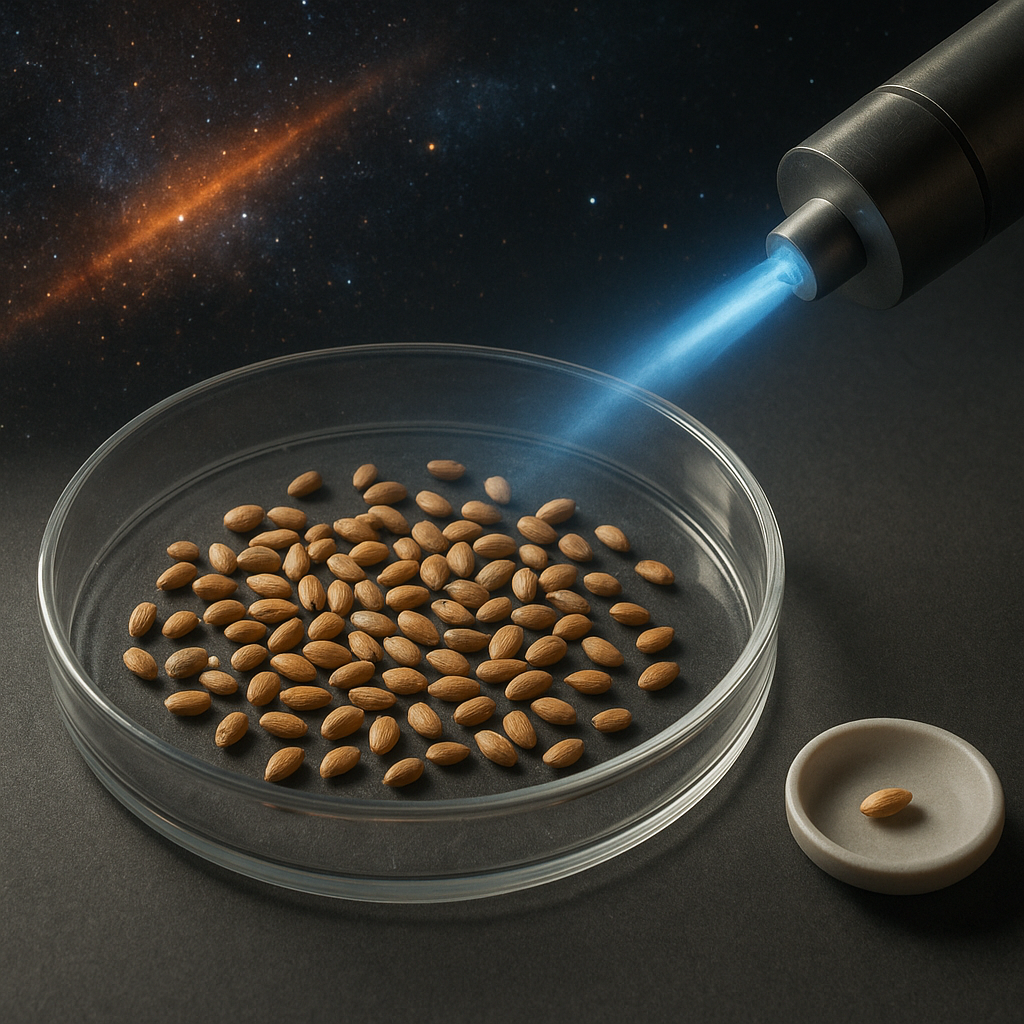
Low atmospheric pressure not only affects gas exchange in leaves but also raises the risk of desiccation. Without adequate shielding, cosmic rays and solar particle events can damage DNA, impairing plant growth. To address these factors, enclosed habitats with controlled gas mixtures and layered radiation shielding will be essential. Some designs propose burying farm modules under several meters of regolith, while others favor lightweight polymer films infused with radiation‐absorbing nanoparticles.
Soil and Water Availability
Martian regolith lacks the microbial communities and organic matter needed for traditional agriculture. Additionally, water exists mostly as bound ice or adsorbed molecules within soil grains. Effective reclamation methods must extract and purify water for irrigation while detoxifying perchlorates through chemical or biological treatments. Such processes are critical to convert sterile regolith into a controlled environment capable of supporting plant life.
Genetic and Biotechnological Strategies
Advances in molecular biology offer a pathway to engineer crops with enhanced tolerance to Martian stressors. By leveraging genetic engineering, scientists can introduce or amplify traits associated with drought resistance, cold tolerance and radiation repair mechanisms. Techniques such as CRISPR/Cas9 have accelerated the development of custom lines tailored for off‐world farms.
Key targets for genetic enhancement include:
- Photosynthesis optimization – modifying light‐harvesting complexes to utilize red‐shifted spectra prevalent under filtered Martian sunlight.
- Enhanced root architecture – improving nutrient and water uptake in low‐fertility soils.
- Soil remediation pathways – enabling plants to metabolize or immobilize toxic compounds like perchlorates directly in the regolith.
- Hydroponics compatibility – selecting varieties with rapid adaptation to soilless media, reducing dependency on regolith.
Beyond DNA editing, epigenetic priming and symbiotic associations with engineered microbes can boost plant vigor. Microbial inoculants may fix nitrogen, degrade perchlorates and secrete growth‐promoting compounds, further closing the resource loop in Martian habitats.
Engineering Controlled Environments
Creating reliable indoor farms on Mars requires intricate design of growth chambers, lighting systems and climate controls. LED arrays must balance energy efficiency with spectral output suited to plant photoreceptors. Simultaneously, environmental control units need to regulate humidity, CO2 concentration and temperature within tight tolerances to maximize yield.
Infrastructure Components
Essential elements of a Martian greenhouse include:
- High‐efficiency photovoltaic panels linked to energy storage systems for uninterrupted power.
- Thermal management cores to dissipate heat generated by lights and machinery.
- Modular growth racks with automated nutrient delivery and real‐time monitoring sensors.
Redundancy is key: backup life‐support loops and fail‐safe power cells help maintain stability in the event of dust storms or equipment malfunctions. Integration of smart controls and robotics will streamline operations, reducing astronaut workload while enhancing productivity.
To optimize yields, researchers are experimenting with vertical farming stacks and rotational lighting schedules that mimic diurnal cycles. Such strategies improve space‐use efficiency and contribute to resource optimization within the confined habitats of a Martian base.
Logistical and Operational Considerations
Transporting supplies from Earth to Mars is costly, so in‐situ resource utilization becomes critical. Initial missions may rely on prepackaged growth kits, but long‐term colonization strategies emphasize local production of fertilizers, plastics for greenhouse films and even biofuels derived from biomass residues. This enables a circular economy, reducing dependence on Earth resupplies.
Autonomy and remote management are essential for off‐planet agriculture. Crews on Mars should be able to oversee greenhouse systems from a central command center, activating repair drones and deploying mobile sensors to diagnose issues. Incorporating autonomous systems not only enhances safety but also ensures continuity of food production during crewed missions and periods of limited human intervention.
- Supply chain planning – staging seeds, microbial inoculants and growth substrates in advance.
- Maintenance protocols – leveraging robotics for routine cleaning, pollination and harvesting.
- Data integration – using AI to predict crop performance, detect anomalies and optimize growth schedules.
As human presence on Mars expands, farm modules will evolve from experimental prototypes to fully integrated bioregenerative habitats. The synergy of biotechnological advances and engineering ingenuity promises to turn Martian soil into a cradle of sustainable agriculture, laying the groundwork for permanent settlements beyond Earth’s orbit.