The continuous quest for reliable water supplies beyond Earth has led to significant innovations in habitat design and agricultural support systems. Cultivating crops and sustaining life within space habitats demand robust recovery and purification strategies that address unique challenges posed by microgravity and limited resources. This article explores the integration of advanced water management techniques with in-situ agricultural methods, laying the foundation for long-duration missions and off-world colonization.
Water Scarcity in Extraterrestrial Environments
Space offers no free-flowing rivers or lakes; every drop of water must be reclaimed or transported at great expense. Early missions relied on resupply from Earth, but as crewed expeditions stretch to Mars and beyond, resupply becomes impractical. The finite supply carried aboard must be processed repeatedly to meet the demands of drinking, hydration for plants, and hygiene. In this context, sustainability and resource efficiency are not luxuries but essential pillars of mission viability.
Sources of Wastewater
- Urine and human effluent
- Humidity condensate from breath and sweat
- Plant transpiration and nutrient leachate
- Equipment cooling and system purge fluids
Each source carries distinct contaminants, including salts, organic compounds, and microbial life. Technologies must adapt to varied influent characteristics while occupying minimal mass and volume.
Key Components of Advanced Water Recovery Systems
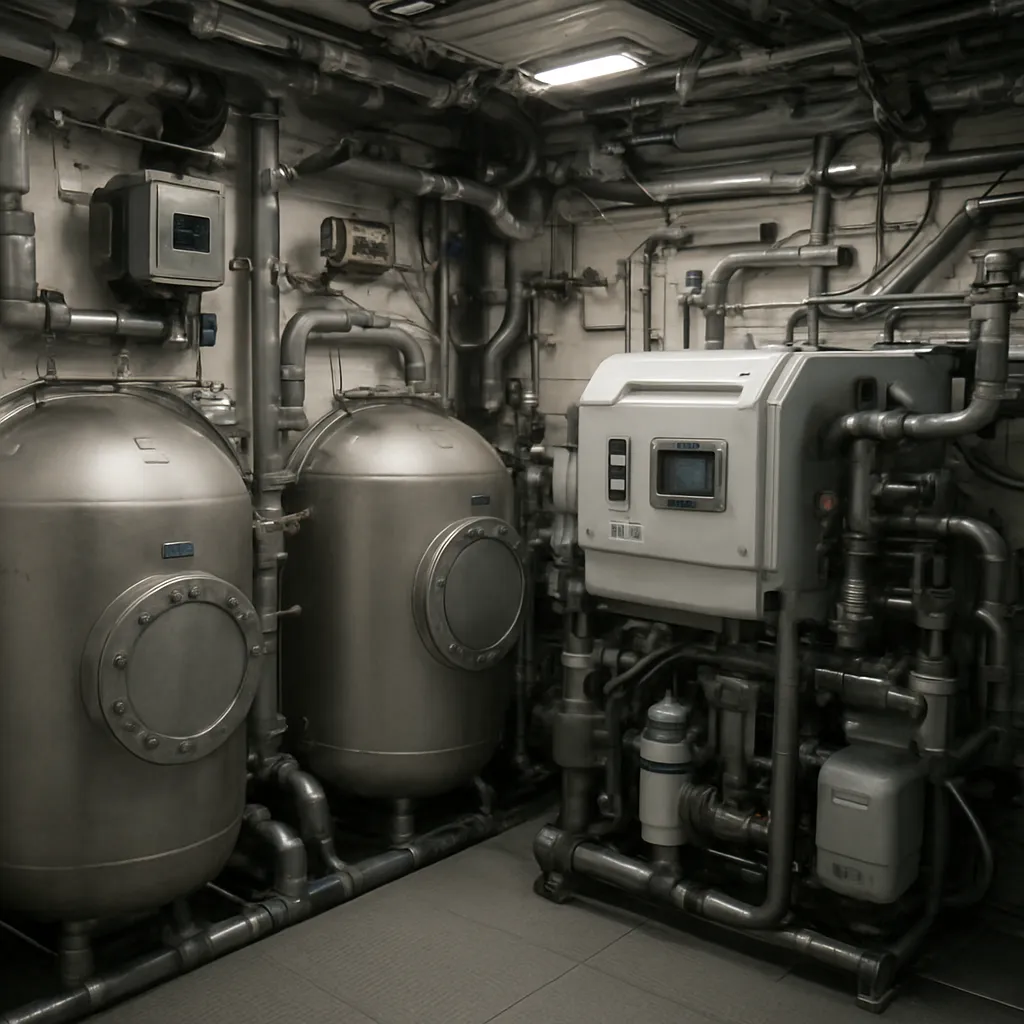
Next-generation water recovery must combine multiple processes into a cohesive, automated unit. Such systems often employ membranes for filtration, distillation for volatile removal, and physicochemical treatment for trace contaminants. Below are the principal modules integrated within modern designs.
Membrane Filtration and Reverse Osmosis
Membrane technology offers a first barrier against particulates and high-molecular-weight solutes. Reverse osmosis (RO) units utilize semipermeable membranes to separate dissolved salts and organics under pressure. Despite the challenge of membrane fouling in microgravity, recent innovations have introduced self-cleaning coatings and backflush cycles that enhance longevity.
Thermal Distillation and Condensation
Employing a combination of vacuum distillation and condensation allows the system to evaporate wastewater at lower temperatures, then collect purified condensate. Microgravity heat exchangers use capillary-driven fluid loops to move vapor without relying on buoyancy, ensuring consistent phase changes even in zero-g.
Biological and Catalytic Reactors
Bioreactors harness microbial communities or algae to consume organic load and produce oxygen, coupling purification with life-support functions. Catalytic oxidation units further degrade trace organics, converting them into harmless byproducts. Integration of these reactors supports closed-loop water management with lower power requirements.
Synergy with Space-based Agriculture
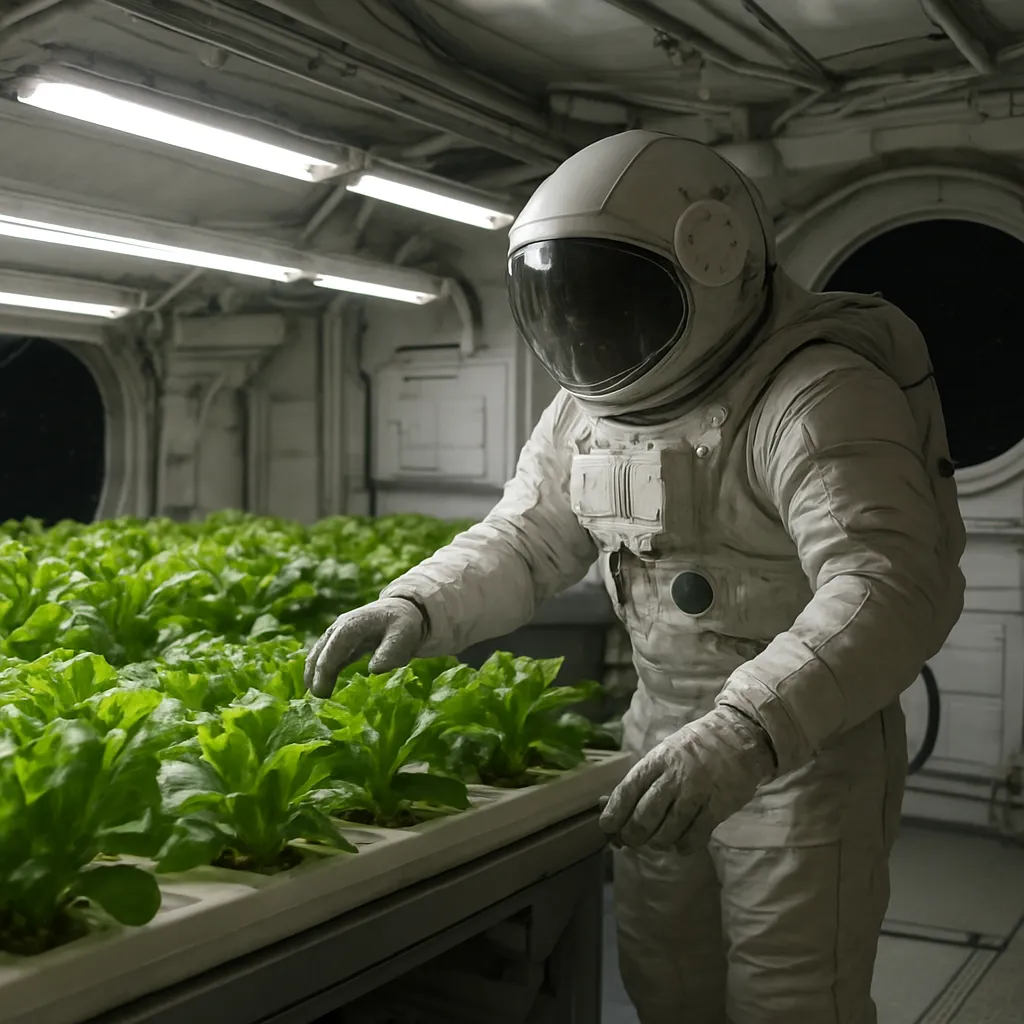
Cultivated plants can serve dual roles: food production and water recycling partners. Hydroponic and aeroponic systems thrive on nutrient-rich water, returning a portion of moisture to the atmosphere through transpiration. Capturing this moisture and filtering it back into the recovery loop boosts overall efficiency and reduces demands on mechanical treatment stages.
Hydroponics and Aeroponics Integration
- Root-zone water recirculation
- Atmospheric condensate capture via capillary wicks
- Automated nutrient dosing with inline sensors
Systems combine real-time monitoring of electrical conductivity and pH to maintain optimal conditions. The recycled water carries beneficial nutrients, minimizing the need for fresh nutrient payloads from Earth.
Plant-Microbial Consortia
Embedding plant roots with symbiotic bacteria or yeast enhances nutrient uptake and accelerates waste breakdown. These consortia can degrade complex organics while fixing nitrogen, contributing to both soil-like substrates and water quality improvement. Research has demonstrated that bioreactor modules coupled with plant growth chambers can achieve recovery efficiencies exceeding 95%.
Challenges and Future Directions
Despite remarkable progress, several obstacles remain before water recovery systems can support multi-year missions or lunar and Martian outposts. Addressing microgravity-induced fluid behavior anomalies, minimizing system mass, and preventing biofouling require ongoing innovation.
Reliability and Redundancy
Systems must function with minimal crew intervention, offering automated fault detection and self-repair capabilities. Modular designs permit in-situ replacement of worn membranes and catalytic cartridges. Spacecraft and habitat designs increasingly prioritize plug-and-play interfaces for rapid maintenance.
Energy Consumption and Heat Rejection
Operating thermal distillation units and high-pressure pumps can strain power budgets. Innovative heat recovery loops, passive radiators, and energy-efficient compressors are under development to reduce peak consumption. Improved insulation also aids in retaining thermal gradients required for efficient separation.
Scalability for Long-duration Missions
Upcoming lunar bases and Mars transit habitats will demand larger-scale systems capable of handling increased crew sizes. Modular clusters of water recovery units can be deployed in parallel, allowing scalability while maintaining redundancy. Integration with local resources—such as ice on the Moon or subsurface water on Mars—could relieve Earth-launch burdens.
Emerging Innovations
Future water recovery systems may incorporate nanofluidic membranes, photocatalytic oxidation elements, and advanced electrodialysis structures. Artificial intelligence-driven control systems can optimize operational parameters in real time, responding to fluctuating loads from both crew activities and plant growth cycles.
Resource flexibility will define the next era of human presence beyond Earth. By uniting water recovery with agricultural production, space missions can achieve unprecedented levels of autonomy, paving the way for truly sustainable extraterrestrial habitats.