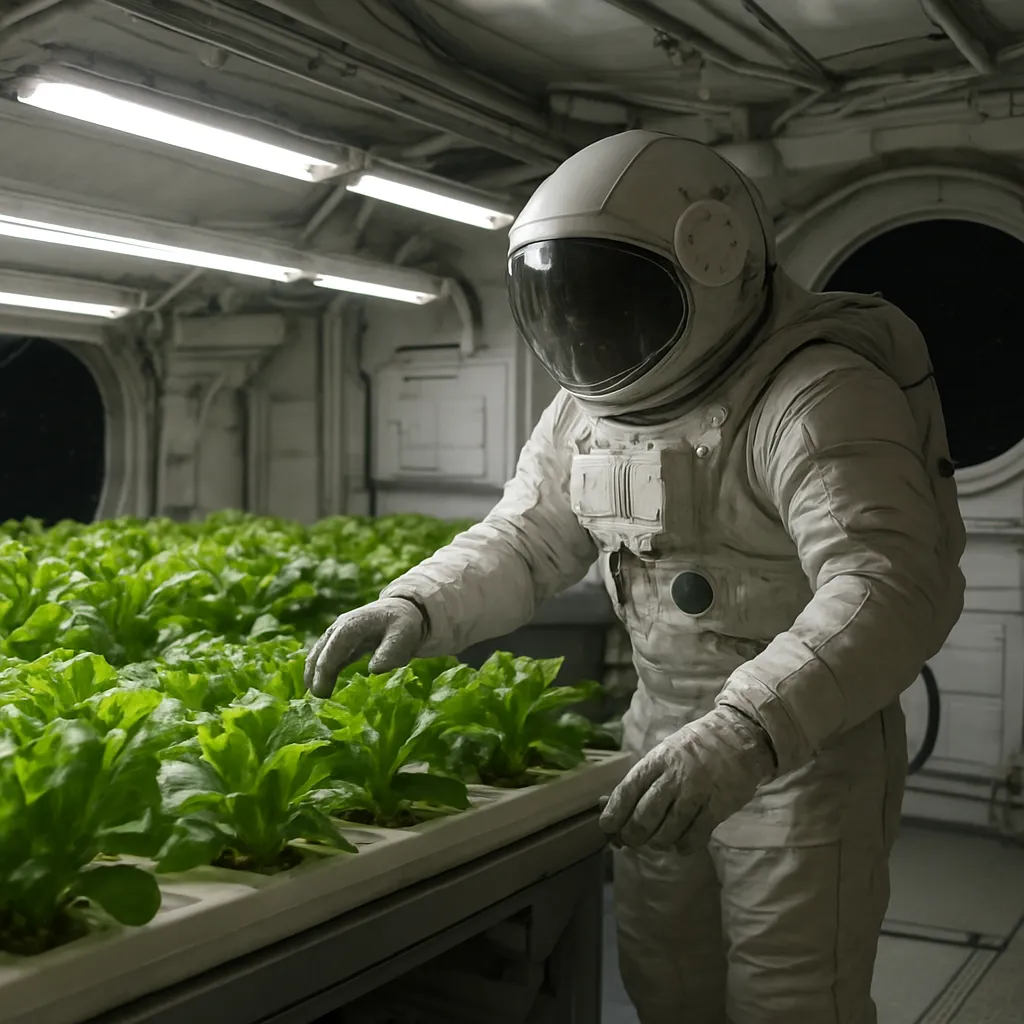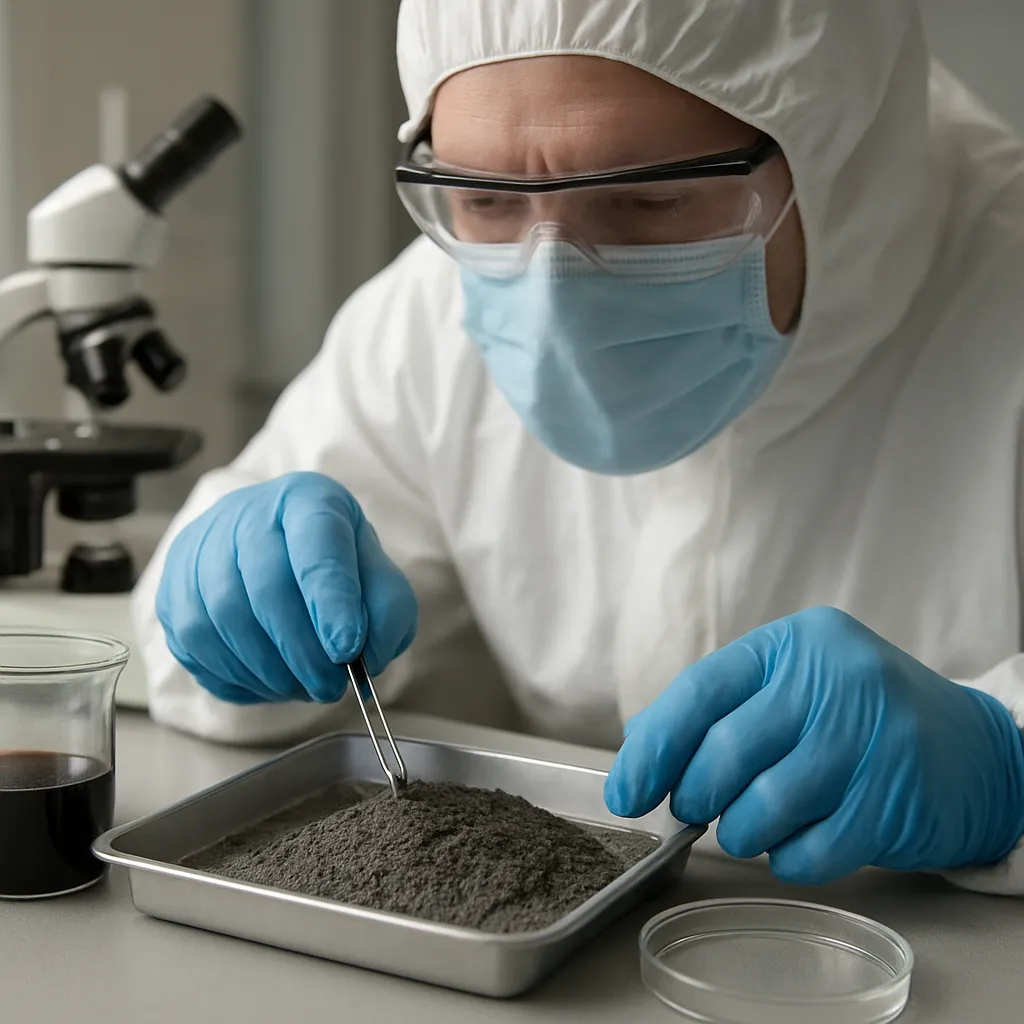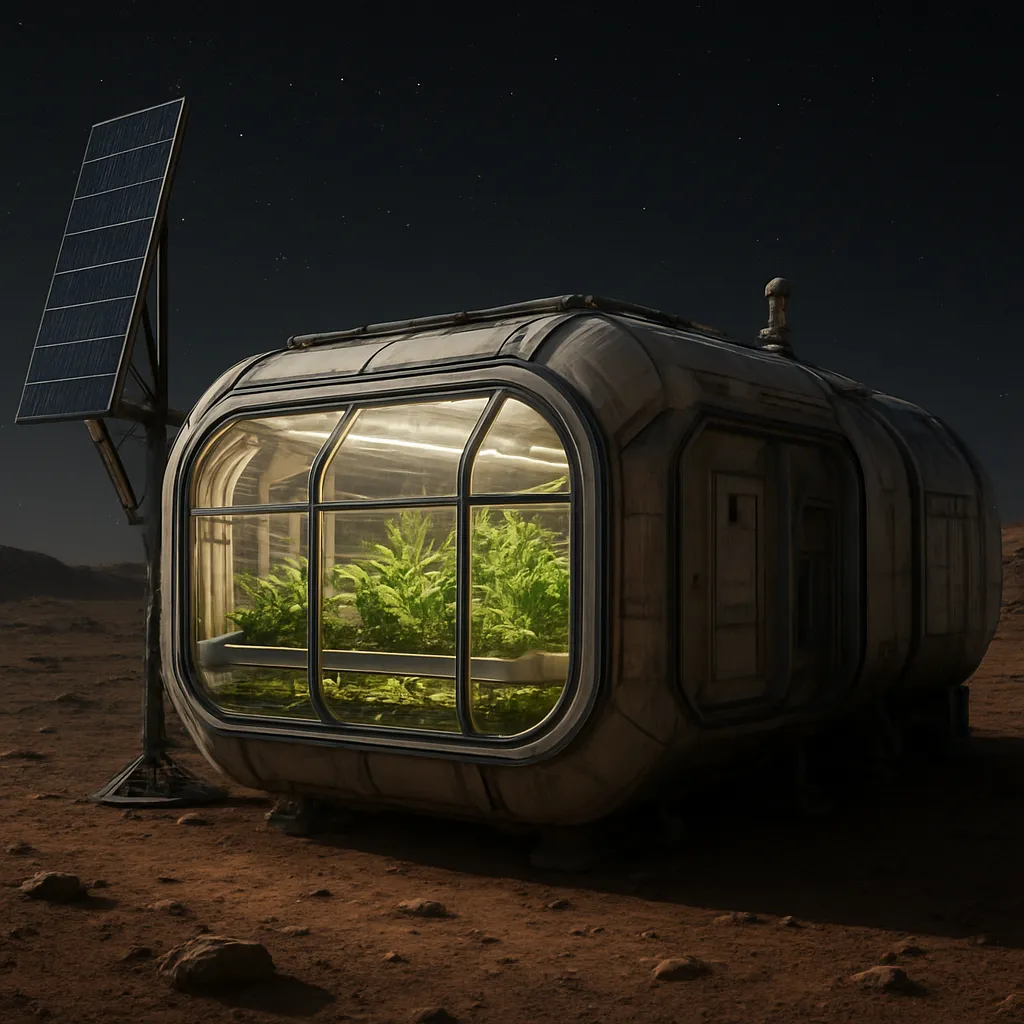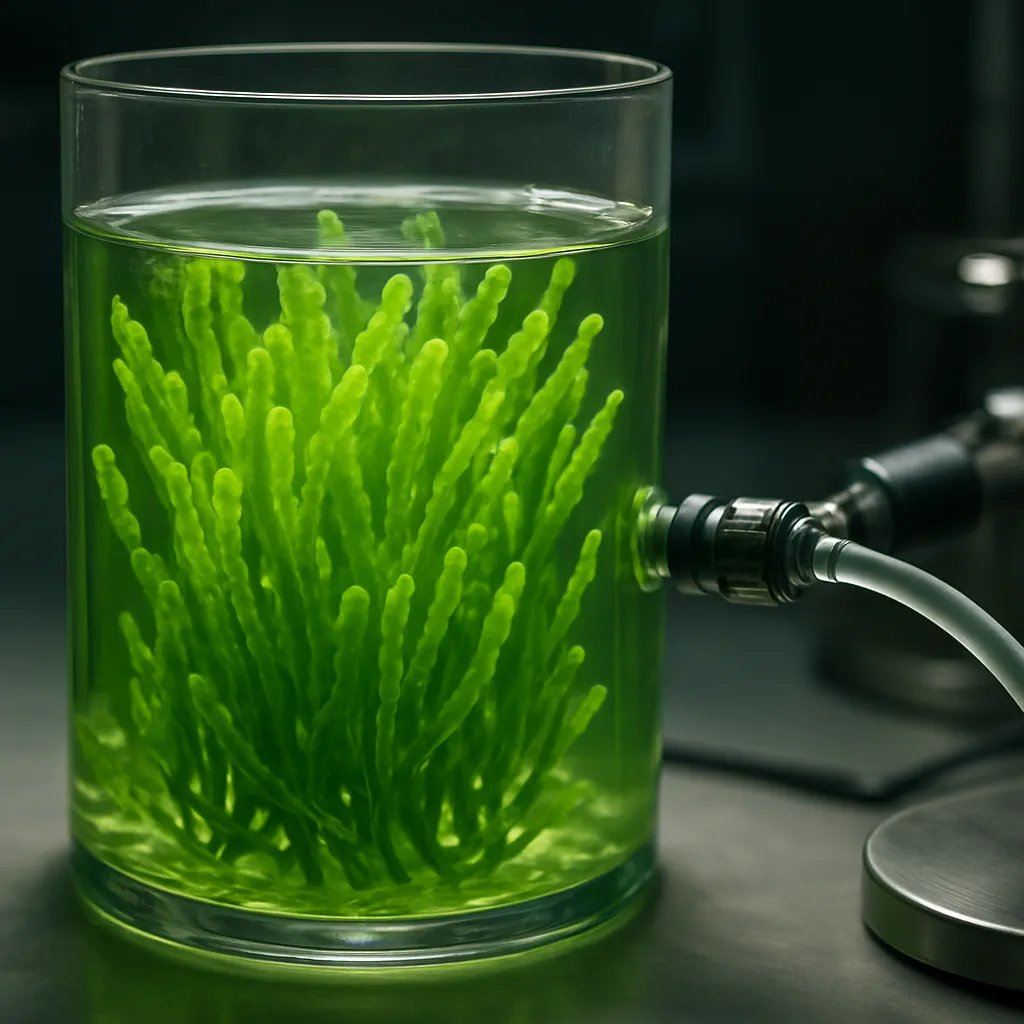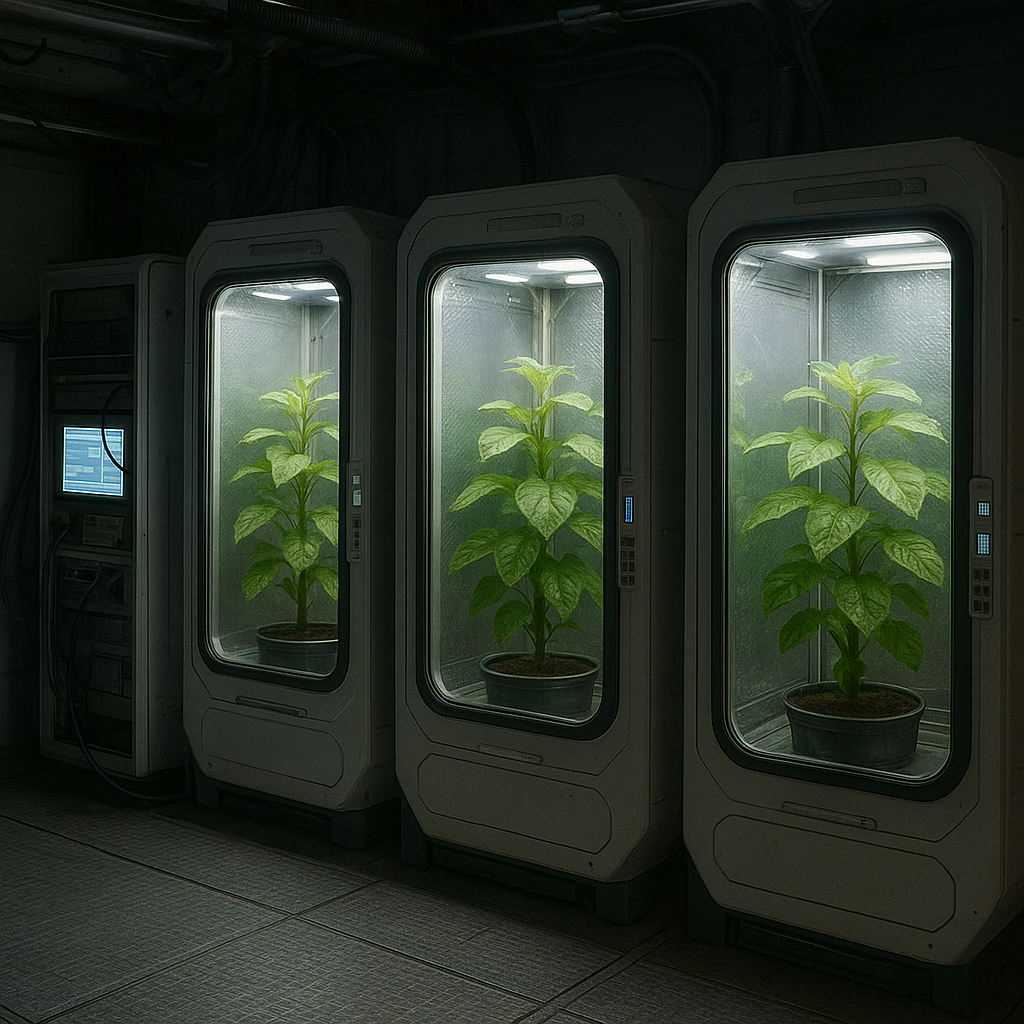
The integration of artificial intelligence with controlled environment agriculture in space is revolutionizing the way we cultivate plants beyond Earth. AI-controlled growth chambers optimize every aspect of the plant lifecycle, from germination to harvest, enabling robust food production for long-duration missions. This article explores the technological breakthroughs, engineering challenges, and far-reaching implications of deploying autonomous cultivation systems in microgravity, focusing on three key dimensions of this emerging field.
The Promise of AI-Driven Growth Environments
AI-driven growth chambers represent a convergence of advanced computation and biotechnology. By harnessing machine learning algorithms, these systems can make instantaneous decisions regarding lighting, temperature, humidity, and nutrient delivery. The result is a dynamic ecosystem that adapts in real time to plant needs, maximizing biomass yield and resource efficiency.
Adaptive Lighting Strategies
- Use of multispectral LED arrays controlled by AI to modulate photosynthesis rates.
- Feedback loops from plant health sensors informing light intensity and spectrum adjustments.
- Minimization of energy consumption through predictive light scheduling based on growth stage models.
Precision Nutrient Management
- Real-time monitoring of solution pH, electrical conductivity, and ion concentrations.
- AI-driven nutrient formulation that tailors macro- and microelements to specific crop requirements.
- Reduction of waste via closed-loop hydroponic and aeroponic reservoirs, ensuring every drop counts.
Environmental Control and Automation
- Integration of sensors for CO2, O2, and volatile organic compounds to maintain gas balance.
- Automated climate regulation using AI-mediated ventilation, heating, and cooling systems.
- Self-healing routines where actuators adjust for deviations, reducing human intervention.
Designing Autonomous Chambers for Microgravity Conditions
Engineering plant growth chambers for space introduces unique constraints. Microgravity alters fluid dynamics, while radiation exposure threatens both hardware and biology. The design process must fuse robust mechanical architecture with resilient AI frameworks.
Structural and Fluidic Considerations
- Capillary-driven irrigation networks ensure uniform water distribution absent gravity.
- Wicking substrates paired with hydrogel matrices to retain moisture and nutrients near root zones.
- Vibration-dampening mounts to minimize mechanical stress from launch loads and station operations.
Radiation Protection and Material Selection
- Use of composite panels infused with hydrogen-rich polymers to attenuate cosmic rays.
- Shielding layers that also serve as thermal insulation, preserving internal climate stability.
- Radiation-hard electronics for AI processors and sensor arrays to ensure uninterrupted control.
AI Architecture for Reliability
- Redundant neural network clusters providing failover in case of single-node failure.
- On-board training algorithms enabling incremental learning as new plant data is collected.
- Distributed decision-making where edge AI modules handle real-time control, while central AI coordinates long-term planning.
Applications and Future Prospects
The deployment of AI-controlled growth chambers extends far beyond supplying fresh produce. It paves the way for multidisciplinary research, deep-space habitat development, and even terrestrial spin-offs.
Supporting Deep-Space Missions
- Provision of vital nutrition and psychological benefits through greenery on missions to Mars and beyond.
- Sustainable oxygen regeneration and CO2 scrub via plant respiration, reducing dependence on chemical scrubbers.
- Modular growth units integrated into spacecraft corridors, maximizing volume utilization.
Research on Plant Adaptation
- Genomic studies facilitated by AI-driven phenotype analysis under varying gravity simulations.
- Metabolomic profiling to understand stress responses to radiation and closed environments.
- Rapid iteration of crop varieties engineered for space, with implications for improving drought resistance on Earth.
Earth-Based Innovation
- Applications of AI-controlled chambers in urban farming, vertical agriculture, and remote communities.
- Resource-limited settings benefit from automated optimization of water and nutrient use.
- Data sharing platforms where space-grown crop analytics inform global sustainable agriculture practices.
As humanity ventures further into space, the synergy between AI and controlled environment agriculture will become indispensable. Autonomous growth chambers not only promise to sustain future crews but also to drive transformative advancements in farming technologies worldwide. By mastering the complexities of microgravity cultivation, we unlock new frontiers for food security, resource management, and scientific discovery.