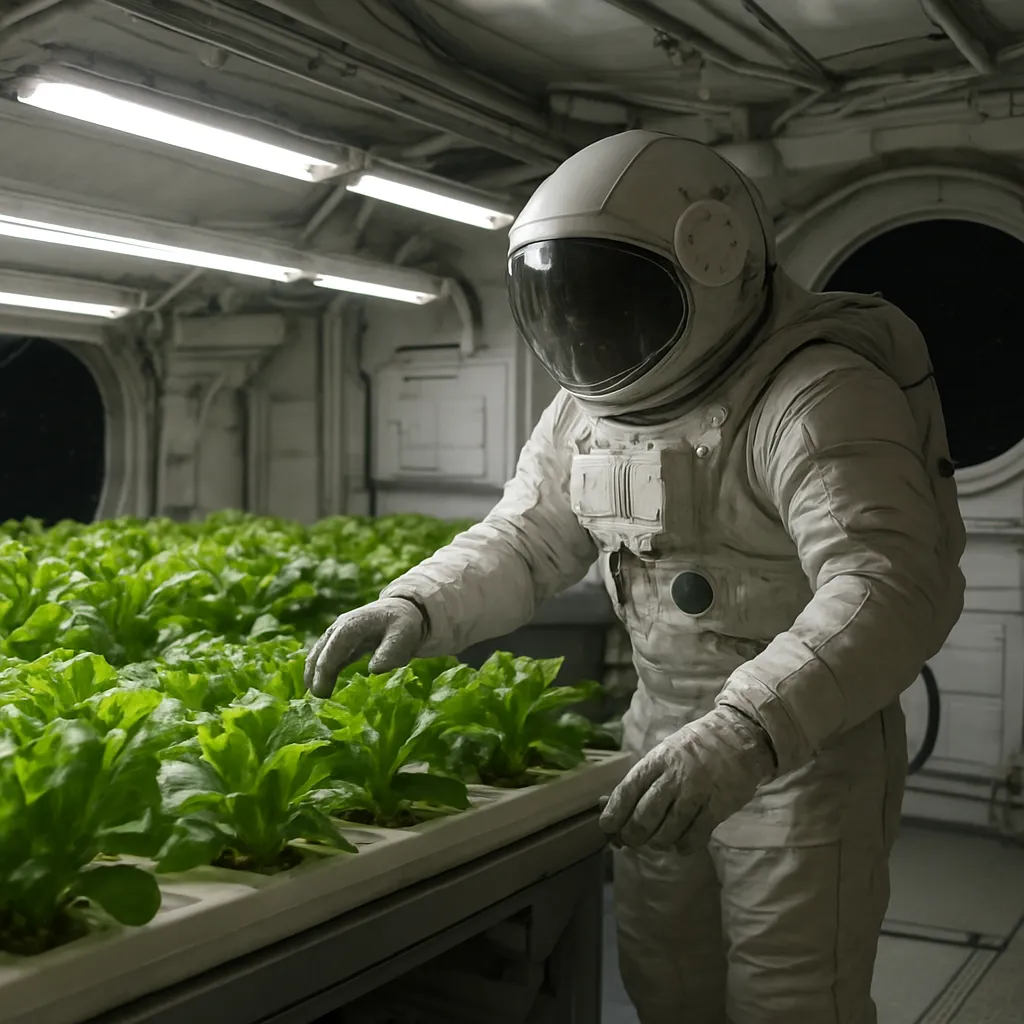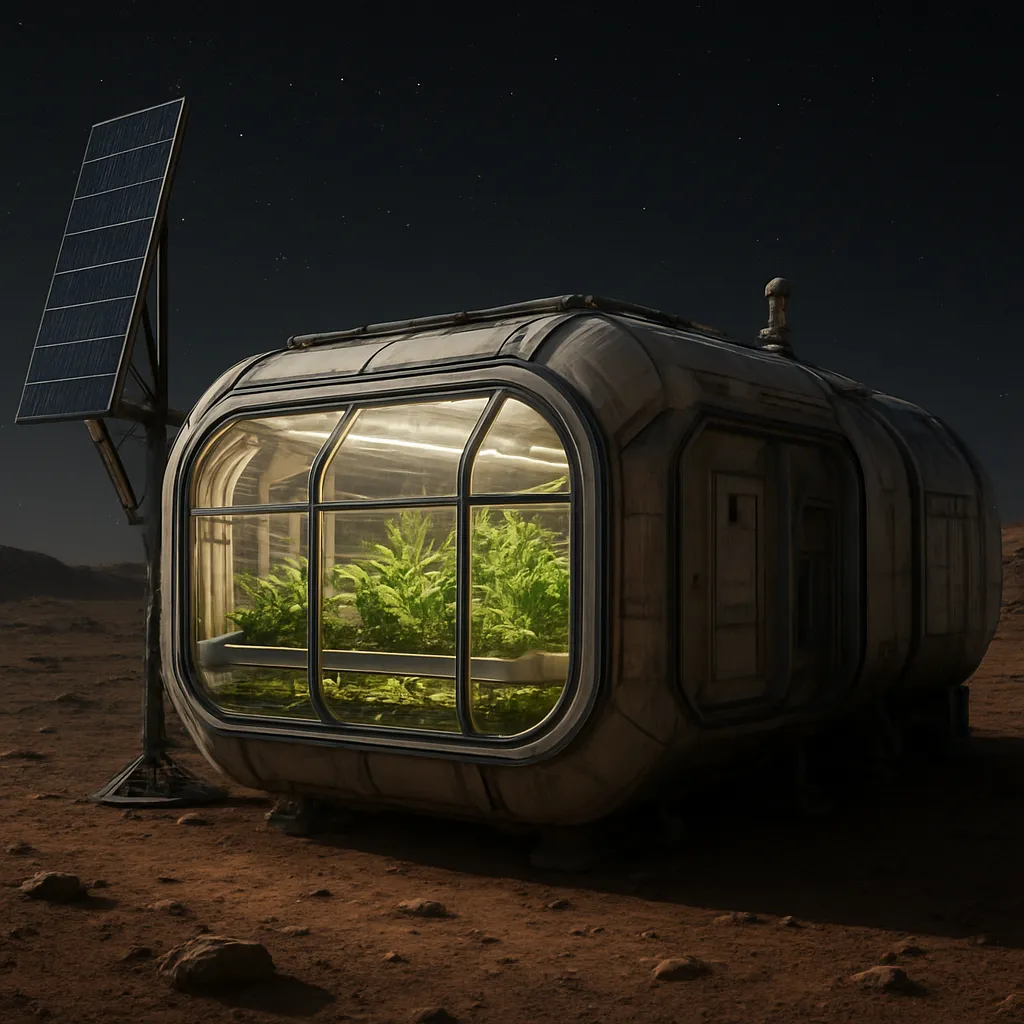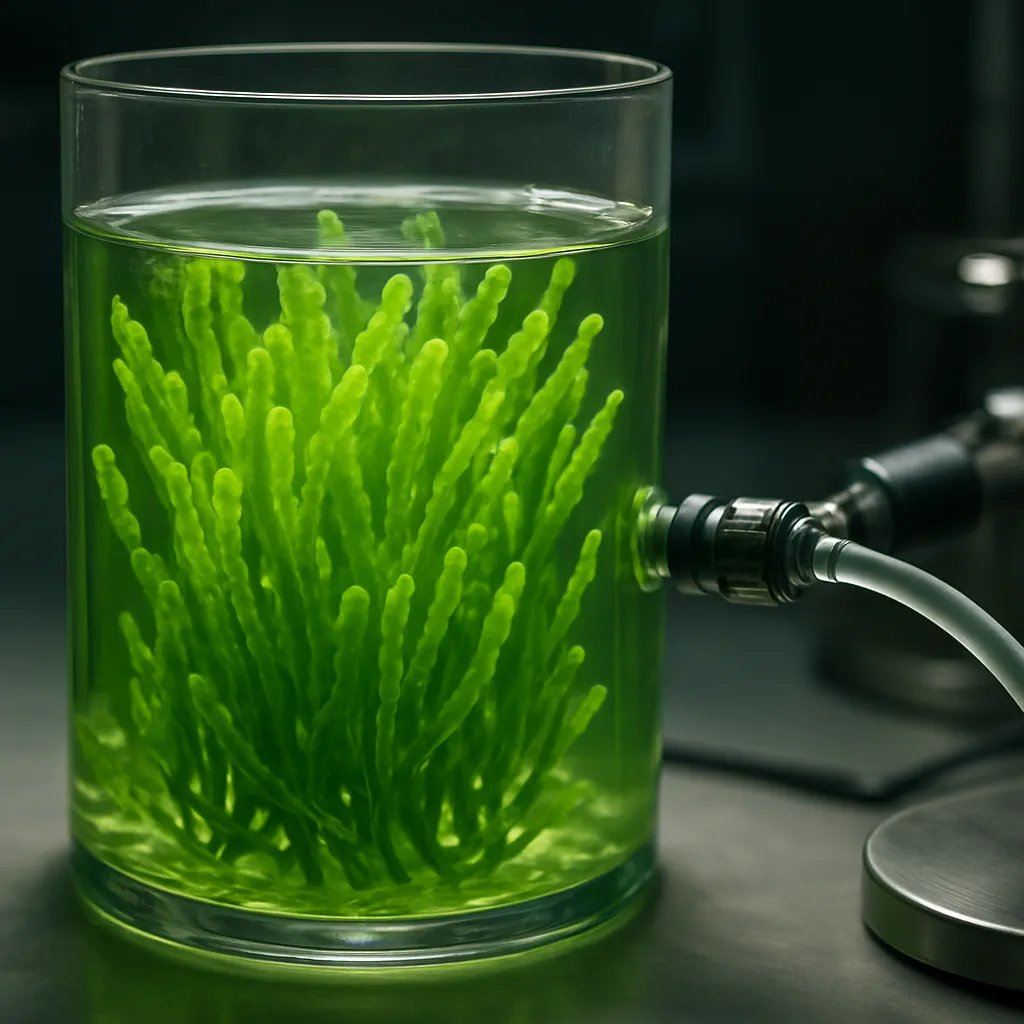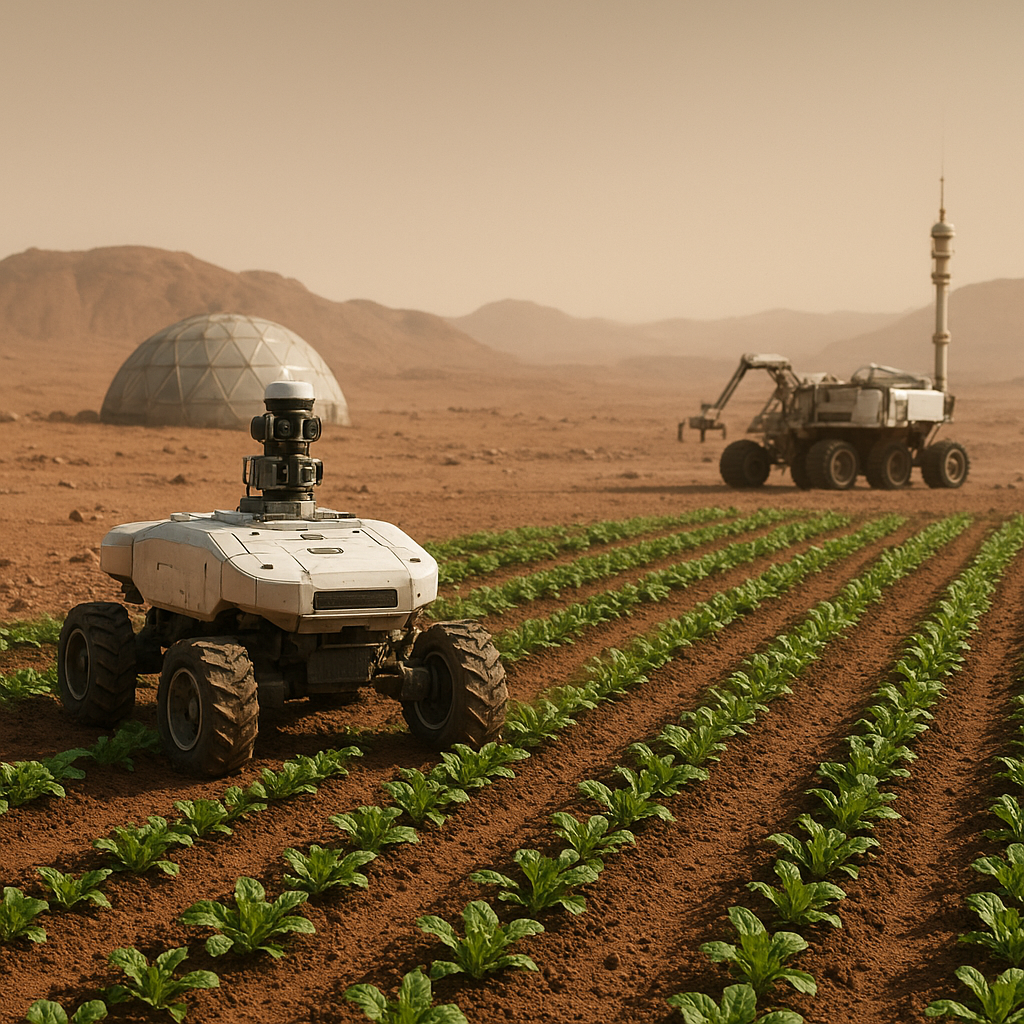
As humanity prepares to extend its presence beyond Earth, developing autonomous farming systems becomes a cornerstone of long-term cosmic exploration. These advanced agricultural platforms are crafted to operate with minimal human intervention, harnessing cutting-edge technologies to ensure reliable food production in hostile extraterrestrial environments. By integrating automation, resilient environmental controls, and intelligent resource management, future offworld colonies can achieve unprecedented levels of self-sufficiency. The following sections explore architectural design, environmental regulation, and robotic operations that form the backbone of next-generation space agriculture.
System Architecture for Offworld Cultivation
Designing a farming habitat for extraterrestrial bases demands meticulous attention to structural integrity, modular expansion, and energy efficiency. A resilient framework must withstand radiation, micro-meteoroid impacts, and extreme temperature fluctuations. Central to this architecture is a network of interconnected growth chambers, each optimized for specific crop cycles. By adopting a bioregenerative approach, the system recycles organic waste to nourish new plants, establishing a closed-loop ecosystem.
Design Principles
Key design principles revolve around redundancy, scalability, and ease of maintenance. Redundant life-support modules safeguard against system failures, while plug-and-play components allow rapid upgrades or replacements. Incorporating photosynthesis-enhancing LED arrays tuned to optimal wavelengths ensures crop viability under artificial lighting. Advanced insulation and multi-layer shielding preserve internal conditions, safeguarding against external threats.
Modular Greenhouse Units
Each greenhouse unit measures roughly 5 by 5 meters and can be combined in clusters to meet varying nutritional demands. Modules include:
- Root-zone chambers tailored for hydroponics and aeroponics systems
- Vertical farming racks maximizing yield per cubic meter
- Integrated sensor networks for continuous monitoring
- Automated nutrient delivery pipelines with real-time adjustment
Inter-module hatches facilitate maintenance robots and human technicians in conducting inspections without jeopardizing internal atmospheric balance.
Environmental Control and Resource Management
Maintaining optimal growth conditions in a vacuum or low-pressure setting requires precise regulation of air composition, temperature, and humidity. A robust environmental control system (ECS) ensures resilience against fluctuations caused by external events, such as solar flares or equipment malfunctions. The ECS platform leverages advanced membrane separators to extract and purify carbon dioxide exhaled by crew members, channeling it into plant growth chambers to enhance photosynthetic rates.
- Water Recovery: Closed-loop reclamation captures transpiration condensate and greywater, processing it through multi-stage filters and UV sterilization.
- Nutrient Circulation: Automated mixers blend mineral solutions, delivering precise concentrations of macro- and micronutrients based on real-time crop requirements.
- Energy Management: Solar arrays or nuclear microreactors power heating, lighting, and life-support pumps, with smart grids balancing load distribution.
- Air Quality: HEPA and catalytic converters remove particulates and volatile organic compounds, guaranteeing a stable atmosphere for both plants and crew.
Efficient resource utilization lies at the heart of sustainable offworld agriculture. By continually analyzing sensor data, the system optimizes consumption patterns, reducing waste and lowering resupply dependency from Earth.
Robotics and AI-Driven Farming Operations
From sowing seeds to harvesting ripe produce, robotic units execute a wide array of tasks under the guidance of AI-driven control systems. Advanced machine vision identifies crop health indicators—such as leaf coloration and turgor pressure—enabling early detection of nutrient deficiencies or disease. Autonomous drones and ground rovers navigate greenhouse aisles, performing targeted interventions without disturbing surrounding flora.
AI-based Crop Monitoring
Deep learning algorithms process multispectral imagery to assess plant vigor with exceptional accuracy. Continuous analysis of growth trends informs dynamic adjustments in lighting spectra, water dosage, and airflow patterns. Predictive models forecast yield timelines, allowing colony planners to orchestrate meal schedules and manage rationing protocols effectively.
Teleoperation and Maintenance
When onsite human intervention is required, teleoperated interfaces grant remote control operators precise manipulation capabilities. Haptic feedback gloves and immersive VR systems replicate tactile sensations, facilitating delicate tasks such as pruning or system repairs. This fusion of teleoperation and robotics enhances biosecurity by limiting direct human contact with microbe-rich substrates, reducing contamination risks.
By weaving together modular design, stringent environmental controls, and sophisticated robotic systems, autonomous farming platforms chart a path toward self-sustaining extraterrestrial colonies. Through constant innovation and rigorous testing, these agricultural marvels will empower humanity to thrive among the stars.