Establishing sustainable agricultural systems in space demands innovative approaches that combine engineering, biology, and environmental science. BioDomes offer a versatile solution, providing controlled environments where plants, microorganisms, and even small animals can thrive beyond Earth’s atmosphere. These enclosed habitats integrate cutting-edge technologies to regulate temperature, humidity, and atmospheric composition, ensuring optimal conditions for growth. By harnessing principles of sustainability and resource efficiency, BioDomes aim to support long-duration missions and future off-world colonies. This article explores the design principles of BioDomes, the various agricultural techniques suited for extraterrestrial settings, and the challenges and breakthroughs driving controlled ecosystems.
Design Principles of BioDomes
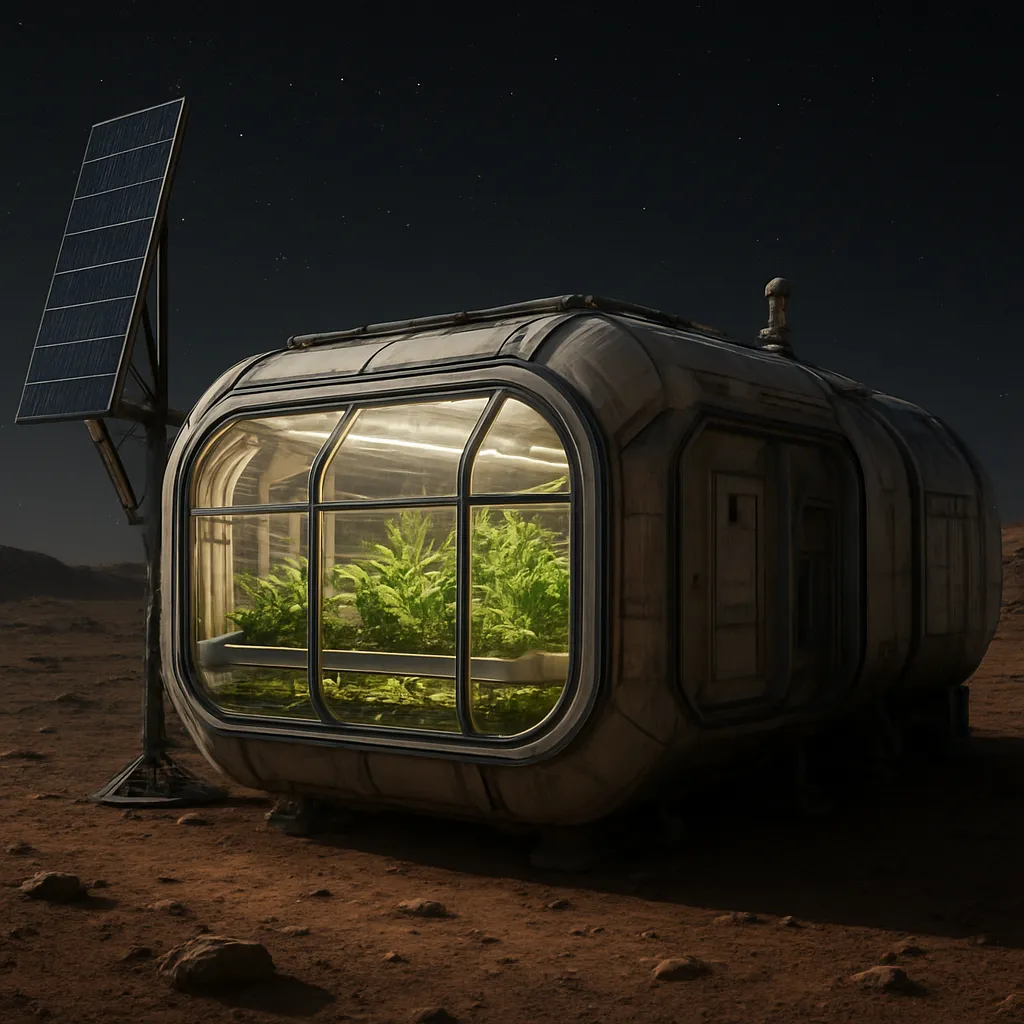
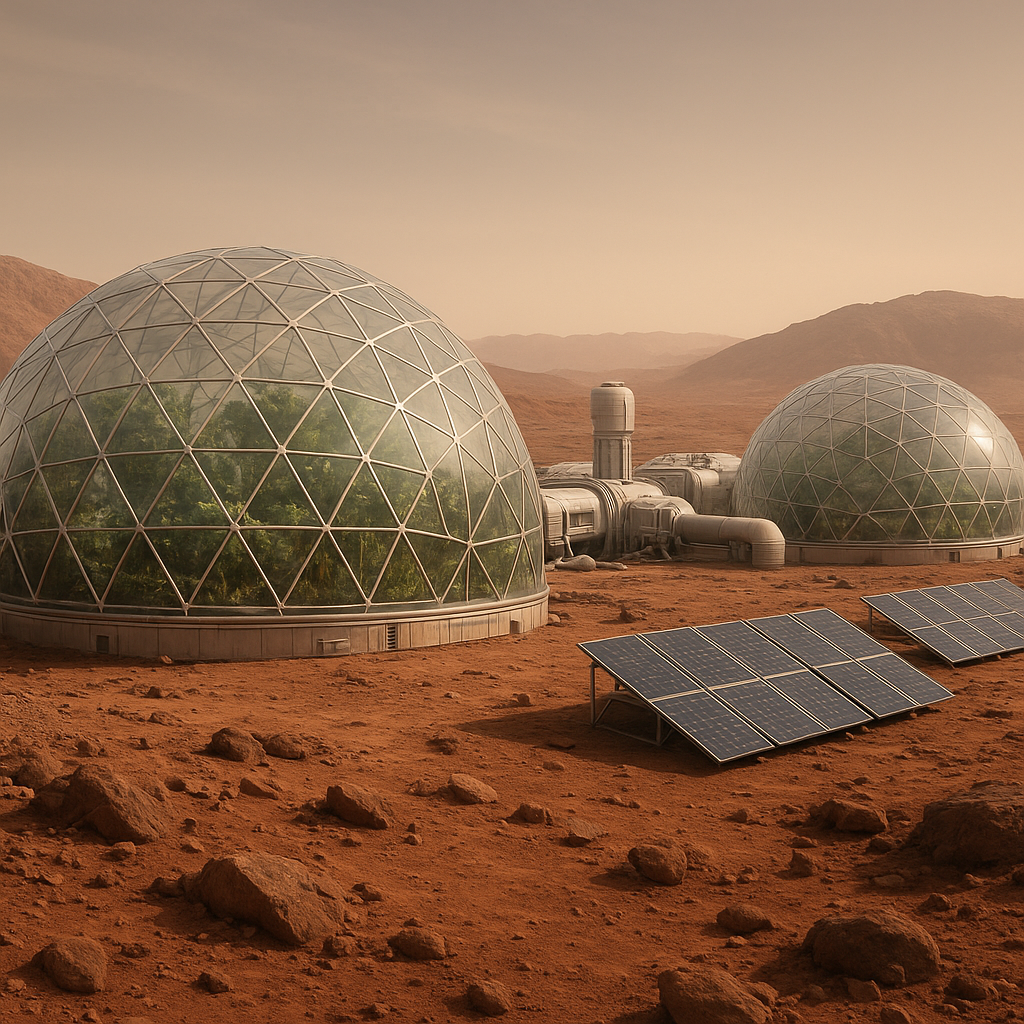
The architecture of BioDomes hinges on robust yet lightweight materials capable of withstanding radiation, micrometeoroid impacts, and extreme temperature fluctuations. Transparent panels made from advanced polymers or laminated glass allow sufficient light penetration for photosynthesis, while multilayer insulation minimizes heat loss. Structural frameworks often utilize composite alloys or carbon-fiber-reinforced polymers, balancing strength with reduced mass. Interior zoning divides the dome into dedicated sectors—plant cultivation, water recycling, waste processing, and crew living quarters—each monitored by an integrated network of sensors and actuators.
Atmospheric control systems regulate CO2 levels, oxygen concentration, and humidity through closed-loop cycles. CO2 scrubbing units remove excess gas produced by inhabitants and respiration, redirecting it into growth chambers to boost plant productivity. Heat exchange modules capture thermal energy from electronic equipment and human activity, redistributing it to maintain a stable temperature. Nutrient solutions circulate in pressurized lines, delivering precisely measured doses of minerals to roots via various soil or soilless media.
Key Engineering Considerations include:
- Radiation Shielding: Incorporating regolith-based or water-filled barriers to protect occupants and biota.
- Modular Scalability: Designing interoperable units that can be expanded or reconfigured for mission-specific requirements.
- Redundancy and Fault Tolerance: Implementing backup systems for life support and power to ensure continuous operation under adverse conditions.
These design principles foster a resilient habitat capable of supporting bioregenerative life support, where waste products are recycled into valuable inputs for cultivation and crew sustenance.
Agricultural Systems for Extraterrestrial Environments
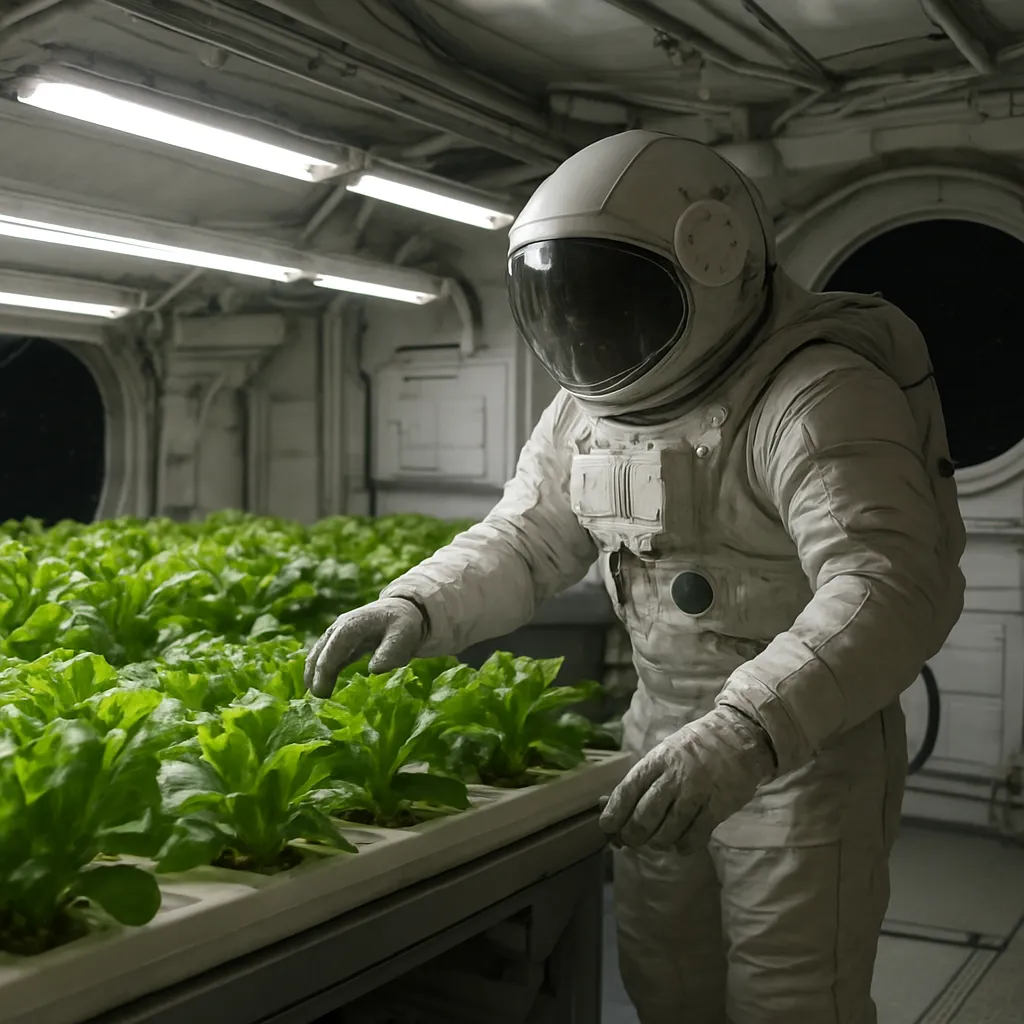
Selecting suitable cultivation methods is crucial for maximizing yield while minimizing resource consumption. Traditional soil-based agriculture faces challenges in space due to limited volume and difficulty in transporting Earth soil. Consequently, soilless systems such as hydroponics, aeroponics, and aquaponics have gained prominence for their superior water and nutrient use efficiency.
Hydroponics
In hydroponic systems, plant roots are submerged in nutrient-rich solutions, eliminating the need for soil. This approach reduces water use by up to 90% compared to conventional farming and offers precise control over nutrient delivery. However, maintenance of optimal pH and electrical conductivity demands continuous monitoring. Microbial contamination can impede nutrient uptake, necessitating ultraviolet sterilization or membrane filtration to maintain solution purity.
Aeroponics
Aeroponics suspends roots in a misting chamber where nutrient-laden droplets deliver essential minerals and oxygen. This method accelerates growth rates due to enhanced root aeration and reduced waterlogging risk. Automated mist nozzles, controlled by real-time sensors, adjust spray intervals and droplet size. Aeroponics systems demand carefully calibrated pressure and airflow settings to prevent root desiccation or hypoxia.
Aquaponics
Aquaponics integrates fish farming with hydroponics, creating a symbiotic cycle: fish waste provides organic nutrients for plants, while plant roots filter and purify water for aquatic species. This closed-loop system exemplifies ecological balance and reduces reliance on synthetic fertilizers. Managing the nitrogen cycle—ammonia conversion by nitrifying bacteria—is essential to prevent toxic buildup. Ensuring optimal water temperature and oxygenation supports both flora and fauna.
Crop selection plays a pivotal role in space agriculture. Fast-growing, high-yield varieties such as leafy greens, tomatoes, potatoes, and legumes are prioritized for their nutritional density and adaptability. Genetic engineering could enhance stress tolerance, nutrient content, and growth under low-gravity conditions. Additionally, vertical farming techniques maximize the use of limited floor area by stacking multiple growing tiers, illuminated by energy-efficient LEDs tuned to absorb specific light wavelengths.
Challenges and Innovations in Controlled Ecosystems
Operating controlled ecosystems beyond our planet involves numerous challenges, from resource scarcity to the physiological impacts of microgravity. One major concern is water conservation: leakage or evaporation could jeopardize the entire system. Closed-loop water purification, involving reverse osmosis, distillation, and biological treatment, recaptures nearly all moisture from transpiration, condensation, and wastewater.
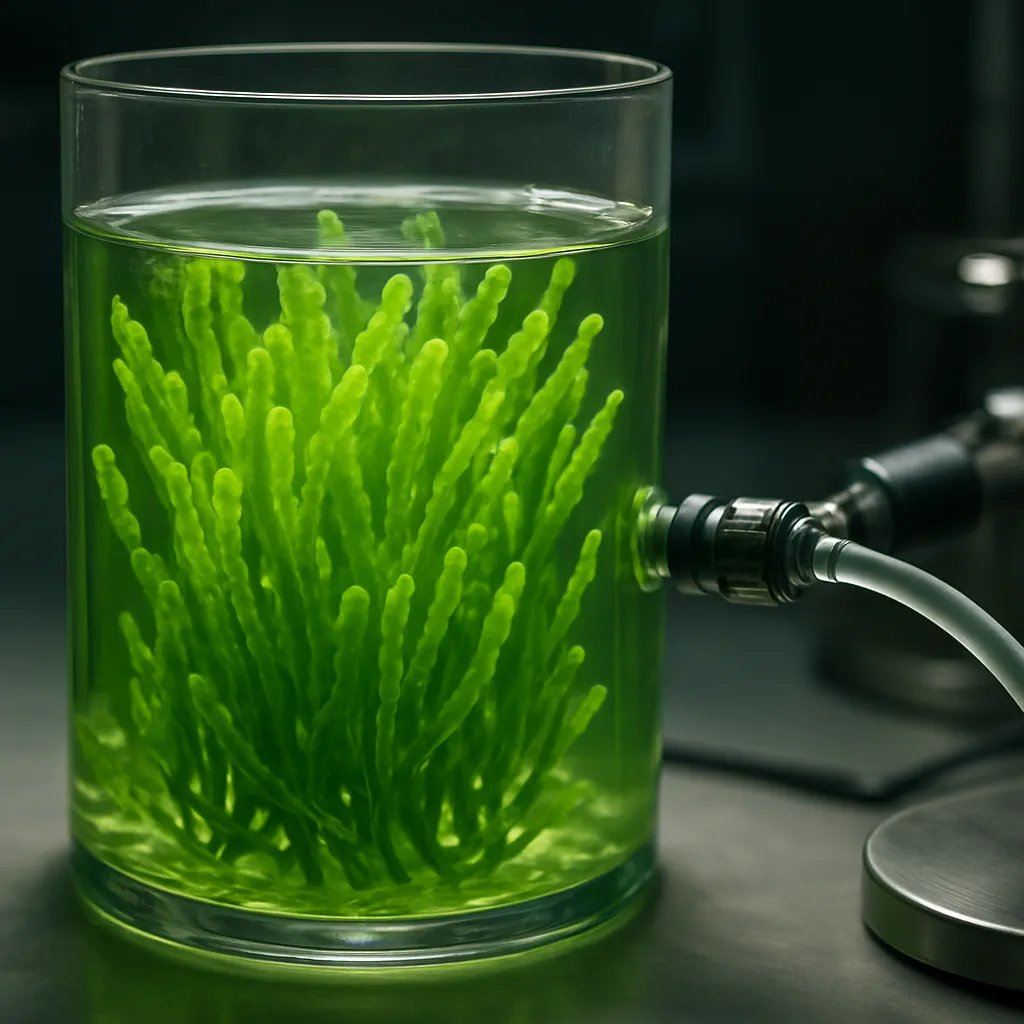
Microbial Management is paramount for ecosystem health. Biofilms can obstruct pipes and degrade sensor performance, while pathogenic organisms pose risks to both plants and crew. Sterile growth chambers, periodic UV treatment, and probiotic inoculants help maintain a beneficial microbial consortium. Advanced omics technologies enable real-time monitoring of microbial communities, allowing early detection of imbalances.
Energy supply is another critical factor. Solar arrays provide primary power, but fluctuations in sunlight during planetary orbits necessitate robust energy storage solutions. High-capacity batteries or regenerative fuel cells store excess energy, ensuring uninterrupted climate control and lighting. Integrating automation and robotics reduces crew workload for routine tasks such as planting, harvesting, and system diagnostics. Autonomous drones equipped with multispectral cameras assess plant health, nutrient deficiencies, and growth patterns without manual intervention.
Emerging innovations focus on enhancing ecosystem resilience and adaptability. Synthetic biology enables the design of microorganisms that produce essential compounds—vitamins, amino acids, or biopolymers—directly within the habitat. These engineered strains can also accelerate regolith processing to extract minerals for fertilizer production. Furthermore, AI-driven models predict system dynamics under varying environmental stressors, optimizing resource allocation and reducing the margin for human error.
Long-term space missions and extraterrestrial colonies will benefit from these advancements in bioregenerative life support. By integrating structural ingenuity, advanced cultivation methods, and cutting-edge biotechnology, BioDomes and controlled ecosystems pave the way for self-sufficient habitats. The synergy between engineering and biology holds the key to transforming barren landscapes into vibrant agricultural frontiers, ensuring the viability of humanity’s journey into the cosmos.