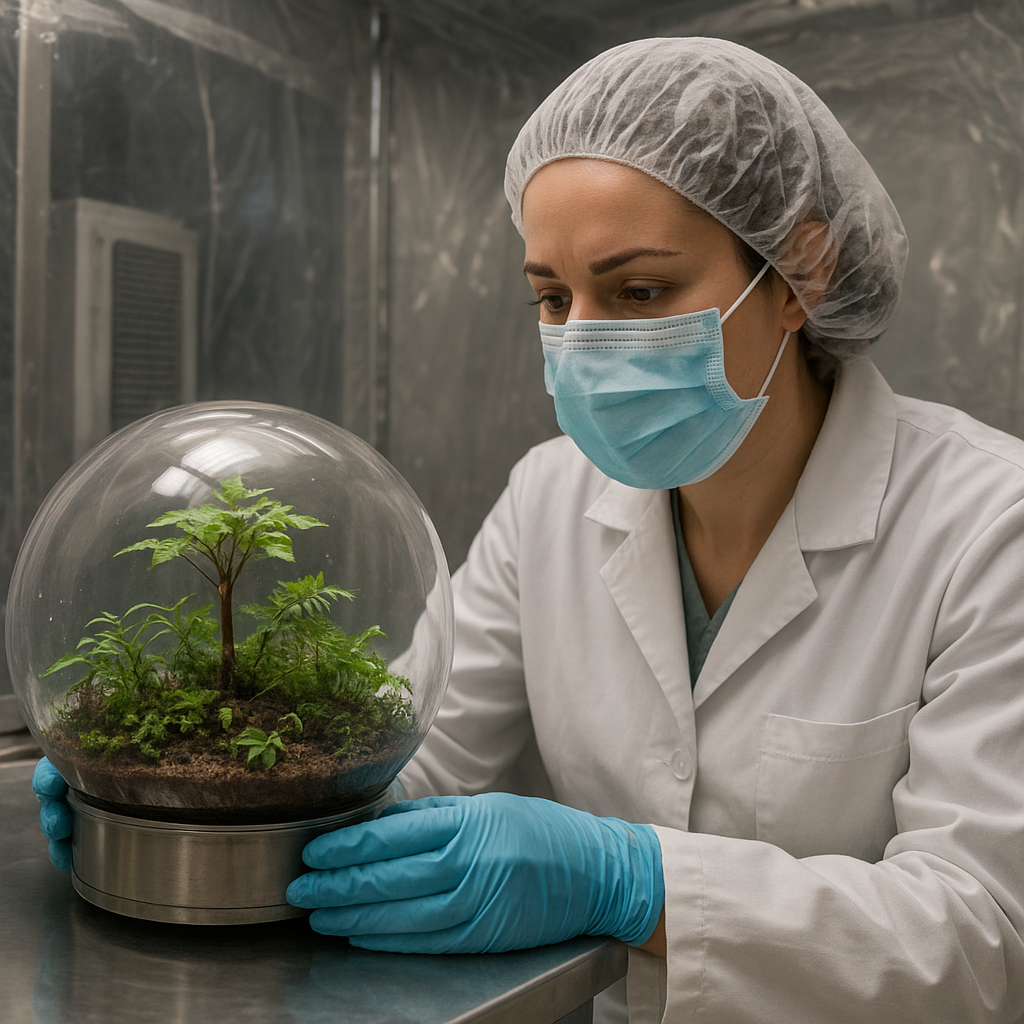
In the realm of agriculture beyond Earth’s boundaries, the design and operation of closed space ecosystems bring unprecedented challenges and opportunities. Maintaining a balanced environment for plant growth, waste recycling, and human habitation hinges on robust biosafety measures. This article explores critical aspects of operating a successful closed-loop agricultural system while addressing potential biological threats, containment strategies, and emerging technologies that safeguard both crew health and crop viability.
Understanding Biosafety in Controlled Environment Agriculture
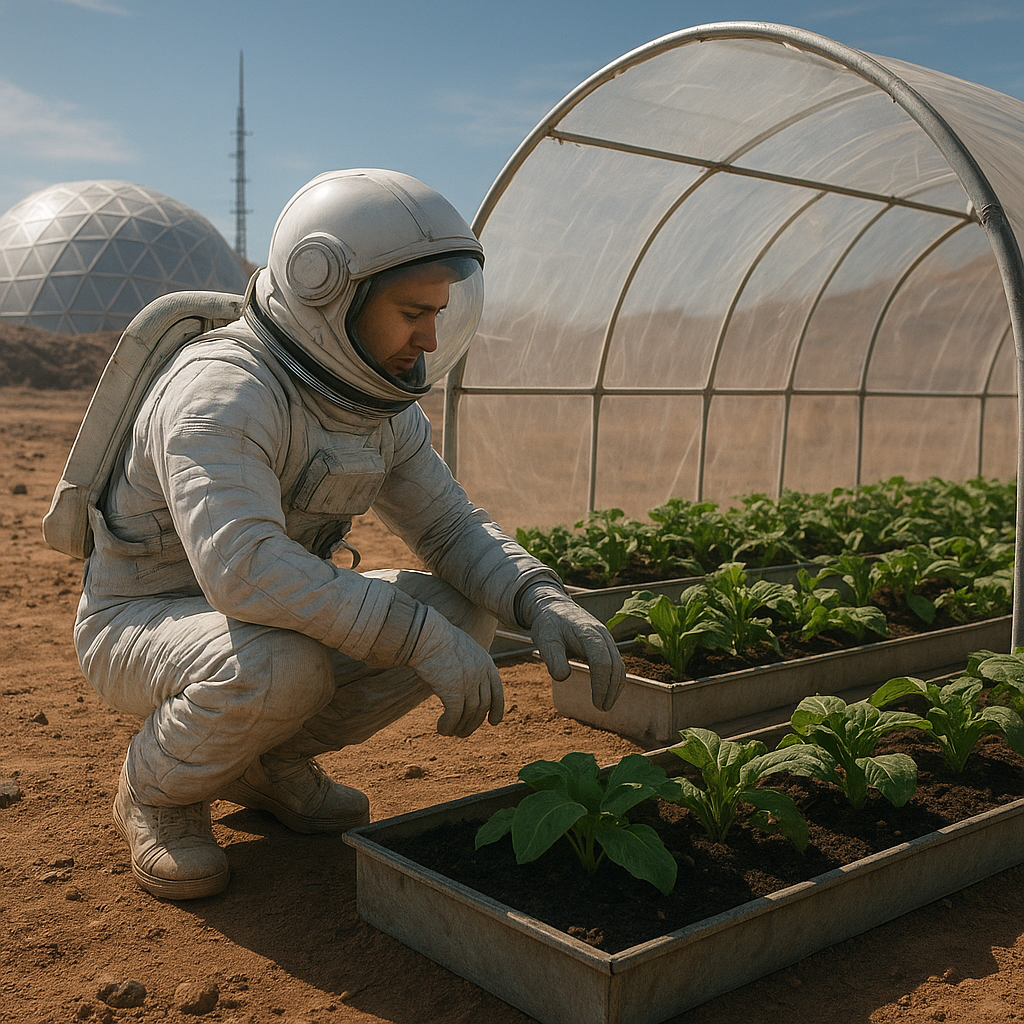
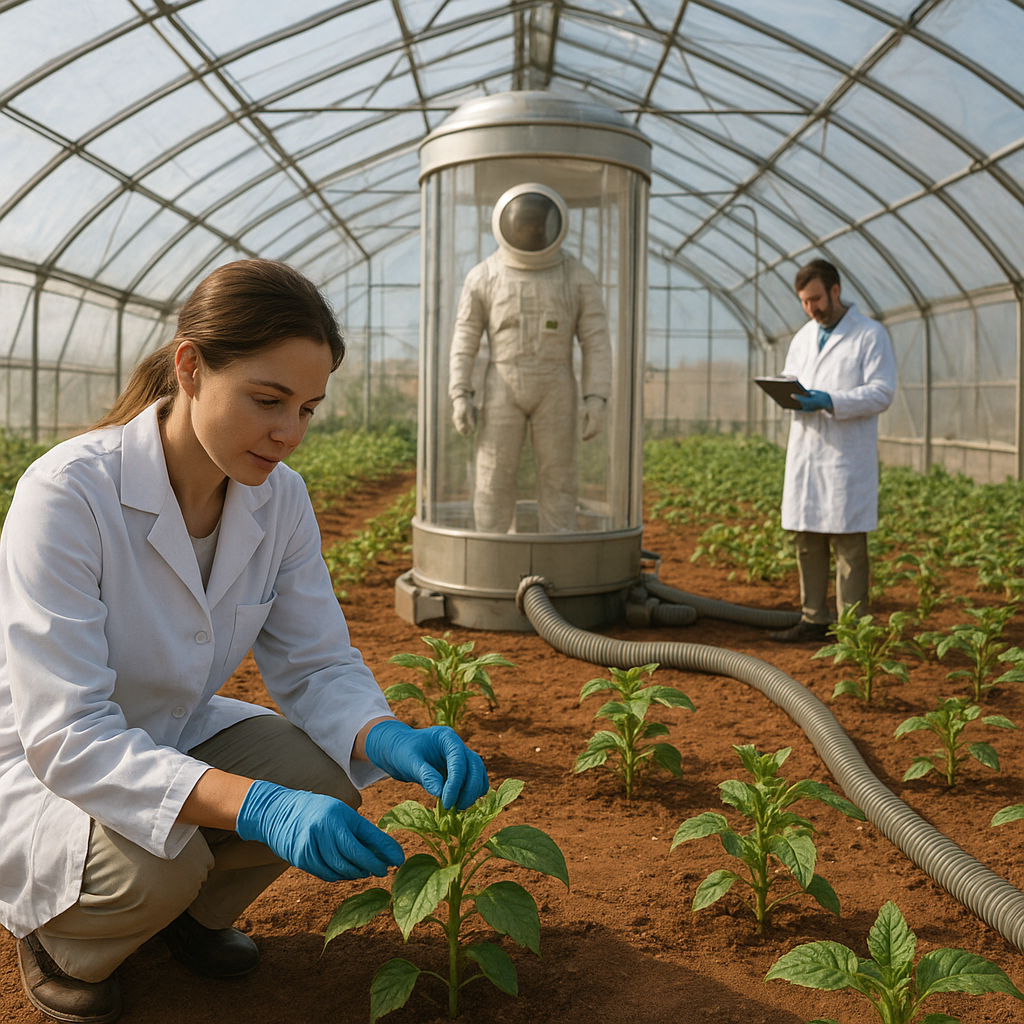
Closed space ecosystems—such as lunar greenhouses or orbital farms—demand meticulous attention to pathogen control. Unlike open-field agriculture, any microbial imbalance can spread rapidly through the limited air and water supplies, endangering both plants and crew. The concept of biosafety in this context revolves around four key principles:
- Preventing introduction of external contaminants during material transfer.
- Monitoring microbial populations in air, water, and growth substrates.
- Implementing physical and chemical containment barriers.
- Establishing rapid detection and mitigation protocols.
These principles must be integrated from the initial design phase. Airlocks, sanitized nutrient delivery systems, and HEPA filtration represent physical safeguards, while UV sterilization and biocidal additives offer chemical defenses. Together, they form a multi-layered shield against inadvertently introduced or opportunistic microbes.
Microbial Risks and Containment Strategies
In a sealed environment, even benign microorganisms can mutate or proliferate uncontrollably under unique stressors like microgravity or altered radiation levels. Key risks include:
- Pathogenic outgrowth from soilborne fungi or bacteria that thrive in nutrient-rich hydroponic solutions.
- Biofilm formation on pipes and sensors, leading to blockages and sensor inaccuracies.
- Cross-contamination between different crop modules when shared tools or surfaces are used.
Physical Containment
Physical measures rely on structural separation. Modular growth chambers with independent air and water loops minimize the chances of cross-module contamination. Pressure differentials in airlocks ensure that any released spores or cells remain confined.
Chemical and Biological Controls
Periodic treatment of nutrient solutions with low-dose biocides such as hydrogen peroxide, combined with scheduled UV-C irradiation of air and water streams, provides continuous suppression of unwanted organisms. The challenge lies in balancing effective disinfection with the safety of plants and humans.
Technological Innovations for Monitoring and Control
Advanced monitoring systems form the backbone of proactive biosafety management in space agriculture. Instrumentation must be compact, energy-efficient, and capable of remote operation:
- Real-time PCR-based devices detect specific pathogens at the genetic level.
- Optical sensors monitor changes in turbidity or fluorescence, signaling microbial growth.
- Automated sampling robots collect air, water, and substrate specimens on predefined schedules.
Machine Learning and Predictive Analytics
Integration of sensor data with machine learning algorithms enables early warning systems. By analyzing environmental parameters and microbial trends, predictive models can forecast potential breaches in biosafety. Alerts trigger automated responses, such as isolating affected modules or increasing sterilization cycles.
Synthetic Biology Approaches
Cutting-edge research explores engineering plant-associated microbes to secrete natural antimicrobial peptides, creating a living barrier against pathogens. These innovations hold promise for reducing reliance on chemical treatments and enhancing system resilience.
Regulatory Frameworks and Future Directions
Establishing standardized guidelines for closed ecosystem biosafety is crucial as commercial and governmental entities plan long-duration missions. Regulatory bodies must address:
- Validation protocols for sterilization methods under reduced pressure and gravity.
- Certification processes for microbial monitoring equipment in spaceflight conditions.
- Safety thresholds for allowable microbial loads in crew habitats and crop modules.
International collaboration will drive harmonized standards, ensuring that research findings and best practices benefit all programs. Ongoing ground-based analog studies in hostile environments—such as Antarctic stations and submarine habitats—offer valuable data for refining these regulations.
Looking ahead, the convergence of closed-loop life support and precision agriculture will redefine sustainability in space. By embedding rigorous regulatory oversight, advanced monitoring, and biocontainment into early design stages, we can achieve robust, safe, and efficient ecosystems capable of supporting human exploration and perhaps even future off-Earth colonies.