As humanity ventures beyond Earth’s cradle for extended missions, the integration of living systems into spacecraft architecture becomes essential. By harnessing the power of natural processes, bio-integrated habitats promise to deliver sustainable life support, enhance crew well-being, and minimize resupply demands. This article explores innovative approaches to cultivating plants, recycling waste, and shaping resilient environments that thrive in microgravity.
Synergizing Life Support and Agricultural Technologies
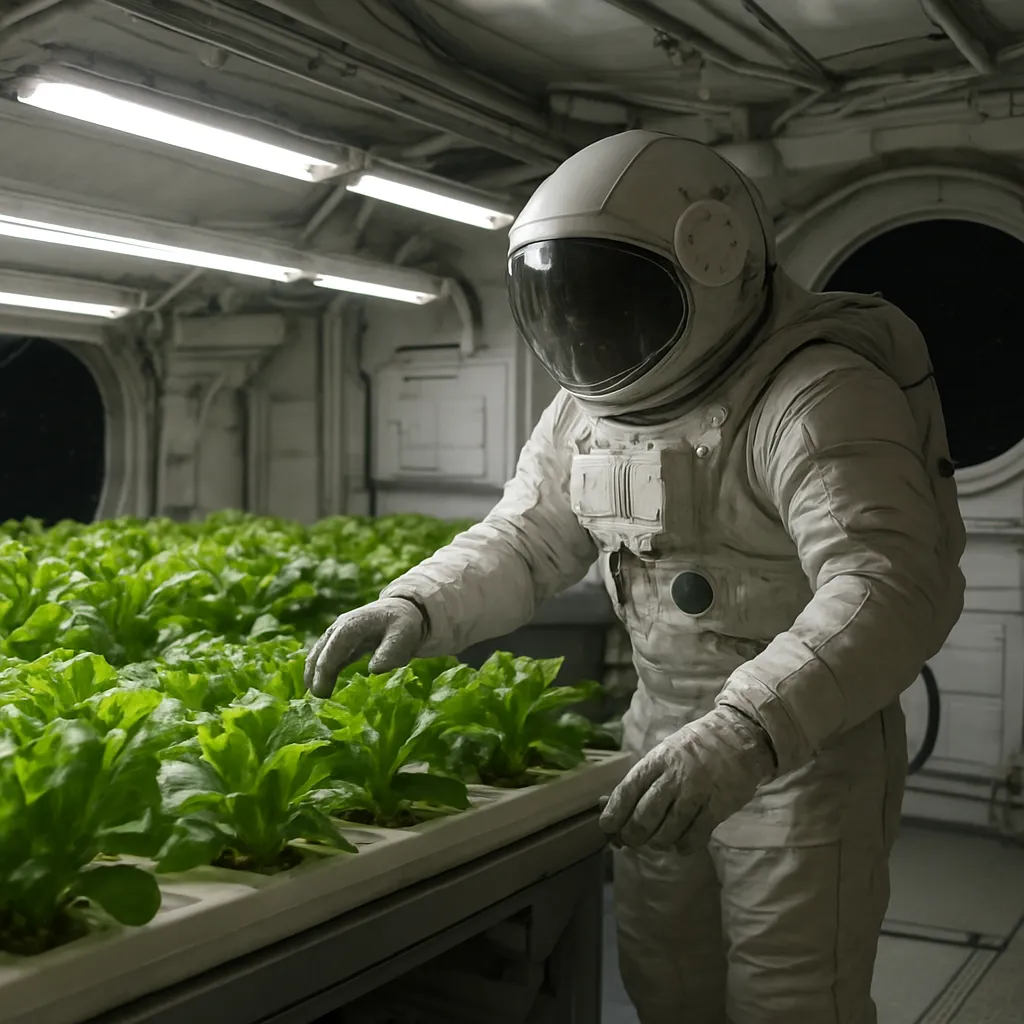
Long-duration missions to Mars, lunar bases, or deep-space outposts require closed-loop systems that replicate Earth-like cycles. Traditional physicochemical methods for air revitalization and water purification can be complemented by biological processes, creating a sustainability-oriented paradigm. Leveraging plant-based carbon dioxide uptake through photosynthesis not only regenerates oxygen but also produces fresh food, improving crew morale and nutrition.
Advanced Cultivation Modalities
- Hydroponics: Growth in nutrient-rich solutions enables precise control of mineral uptake and pH levels. By optimizing root-zone conditions, yields of leafy greens can increase by up to 300% compared to soil analogs.
- Aeroponics: Fine mist delivery of water and dissolved nutrients allows roots to absorb resources efficiently, lowering water usage by over 90% relative to conventional agriculture.
- Substrate-Bed Systems: Porous media like volcanic rock or silica beads support root anchorage and microbial colonies, enhancing resource efficiency in closed loops.
Microbial and Algal Partnerships
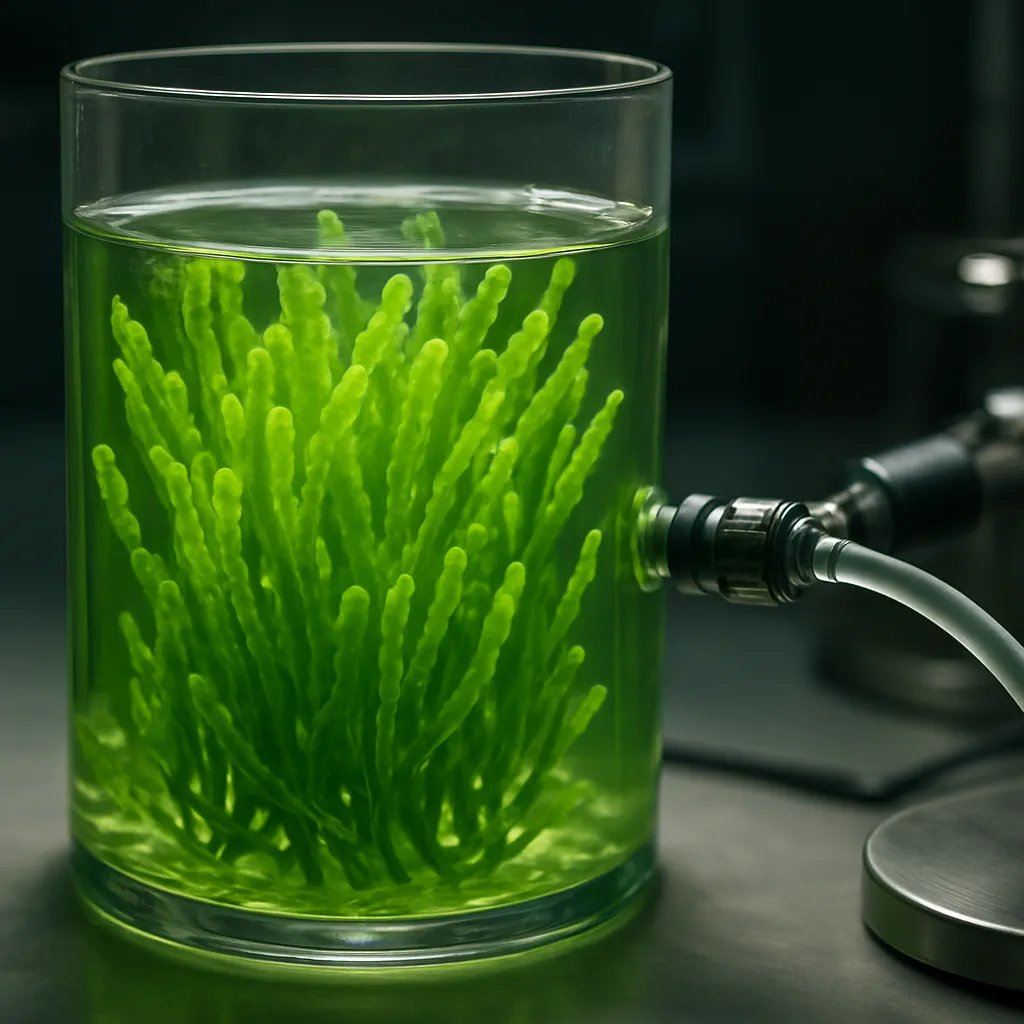
Microorganisms can catalyze essential nutrient cycles, degrade organic waste, and produce high-protein biomass. Cultures of cyanobacteria and microalgae serve dual roles in carbon capture and food supplementation. Embedding these cultures in living walls or bioreactors fosters bioregenerative capabilities. In combination with plant modules, microbial consortia ensure robust nutrient turnover, improved water reclamation, and reduced reliance on Earth-supplied inputs.
Design Principles for Bio-Integrated Habitats
Engineering a habitat that supports both crew and complex biological communities demands a holistic approach. Architects and systems engineers must account for physical constraints, human factors, and the subtle interdependencies of living organisms under extraterrestrial conditions.
Structural Considerations
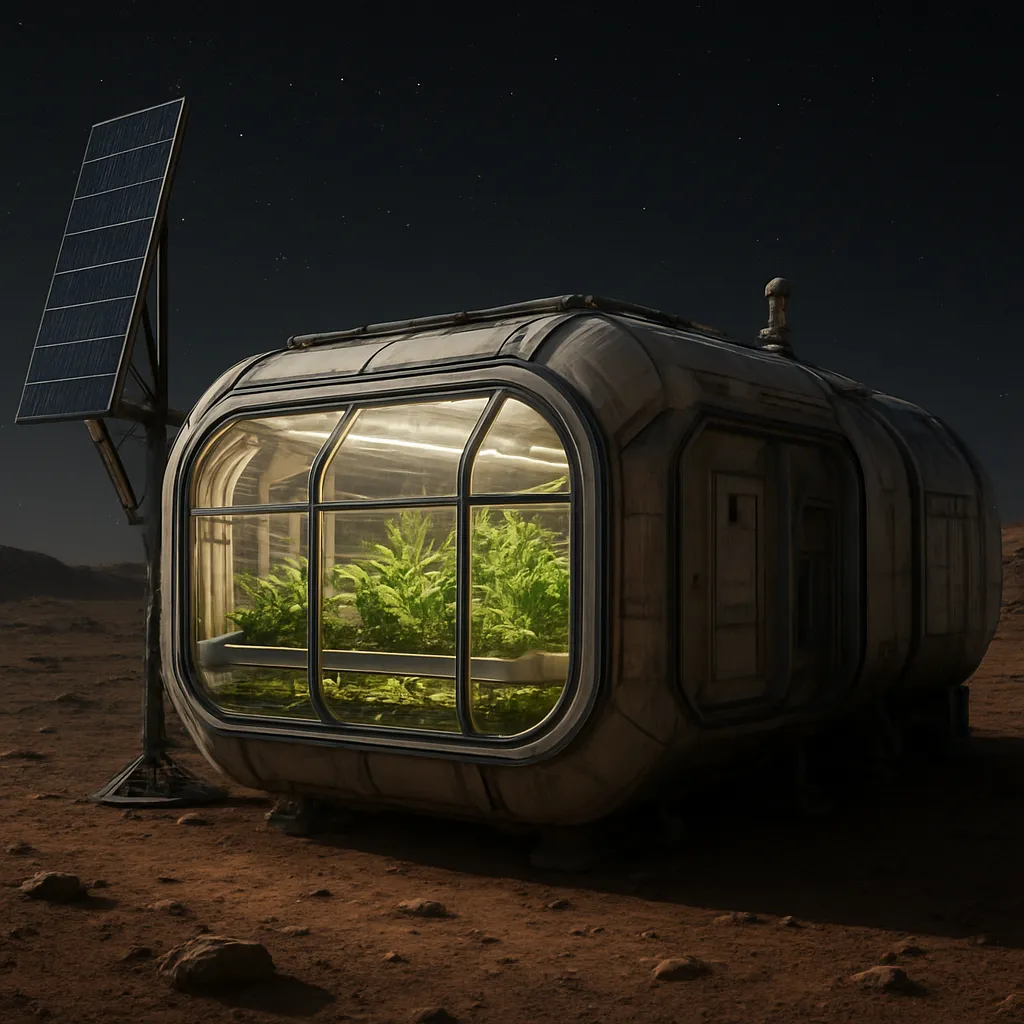
- Modular Growth Chambers: Segmented units allow flexible arrangement, easier maintenance, and isolation of potential biological failures.
- Radiation Shielding via Living Walls: Integrating regolith-based walls with embedded plant beds can attenuate cosmic rays while nurturing greenery.
- Adaptive Lighting Systems: Full-spectrum LED arrays programmed to mimic diurnal cycles support circadian rhythms and optimize photosynthetic efficiency.
Environmental Control and Monitoring
Maintaining ideal conditions for both humans and plants entails continuous adjustment of temperature, humidity, CO₂ levels, and nutrient delivery. Real-time sensor networks and automated feedback loops enable fine-tuned regulation. Artificial intelligence platforms interpret data streams to predict system imbalances, prevent disease outbreaks, and adapt lighting or irrigation schedules.
Psychological and Physiological Benefits
Beyond tangible resource generation, living spaces enriched with greenery improve mental health, reduce stress, and foster a sense of connection to Earth. The presence of flowers, herbs, and small fruit-bearing plants can mitigate isolation effects on crew members. Structured horticultural activities offer therapeutic value and create opportunities for scientific observation.
Challenges and Future Research Directions
Implementing bio-integrated habitats faces multiple hurdles, from untested biological responses in microgravity to unexpected interactions among species. Addressing these challenges will involve iterative experimentation aboard the International Space Station, lunar gateways, and analog facilities on Earth.
Mimicking Ecosystem Dynamics
Replicating the complexity of terrestrial ecosystems in compact modules is nontrivial. Interactions among microbes, invertebrates, and plants must be balanced to avoid overgrowth or collapse. Controlled research should explore:
- Symbiotic pairings that enhance nutrient availability and suppress pathogens.
- Role of pollinators or mechanical pollination in enclosed greenhouses for fruit production.
- Dynamic adjustments of species diversity to maintain stable ecosystem services.
Resource Constraints and Resilience
Limited access to water, power, and spare parts in deep-space habitats demands resilient designs. Strategies include:
- Multipurpose bioreactors that process waste, generate fertilizer, and support biomass production.
- Fail-safe redundancy in critical systems, such as dual irrigation lines and backup lighting circuits.
- Use of native extremophile strains to withstand radiation bursts and temperature fluctuations.
Resilience engineering ensures that single-point failures do not cascade into total habitat collapse. Autonomous repair algorithms and 3D-printed spare components can restore functionality without Earth intervention.
Scaling Up for Martian and Lunar Bases
Future missions will demand habitat modules capable of producing 50% to 80% of food needs locally. Scaling up requires:
- Integrated aquaponic systems combining fish cultivation with hydroponic beds for nitrogen cycling.
- Vertical farming towers to maximize productivity per square meter within pressurized volumes.
- Robotic tenders that navigate narrow aisles, performing pruning, harvesting, and sanitation tasks.
Testing these systems in analog environments—such as polar stations or desert biomes—will refine protocols for operating under Martian atmospheric pressure and soil simulant compositions.
Preparing for Autonomous Operations
Deep-space missions will outlast real-time control by ground teams. Habitat systems must operate with high degrees of autonomy. Artificial intelligence agents will:
- Predict nutrient imbalances and adjust fertilization recipes.
- Detect early signs of plant stress or disease using computer vision.
- Coordinate cross-module exchanges of resources, such as reallocating surplus oxygen or capturing excess humidity to support water recovery.
Robust command hierarchies allow human crews to override automated decisions, fostering trust in cybernetic management while retaining manual control when critical.
Radiation and Energy Management
Cosmic rays and solar particle events pose threats to both biological tissues and electronic controls. Protective measures include:
- Layered barriers combining polymer composites, water jackets, and regolith-infused shielding.
- Dynamic storm shelters where plant modules relocate temporarily during high-radiation episodes.
- Energy storage solutions—like regenerative fuel cells and advanced batteries—to sustain lighting and life support during solar eclipses or power outages.
Effective energy management ensures continuous operation of radiation monitors, environmental controls, and emergency support pumps.
Advancing Toward Operational Bio-Integrated Habitats
Progress in materials science, robotics, synthetic biology, and systems engineering is converging to make self-sufficient space farming a reality. Collaboration among academic institutions, space agencies, and private enterprises will accelerate prototyping and flight demonstrations. By embracing living architectures that mimic Earth’s rhythms, future explorers can cultivate not only crops but also a renewed sense of purpose and connection to the cosmic frontier.