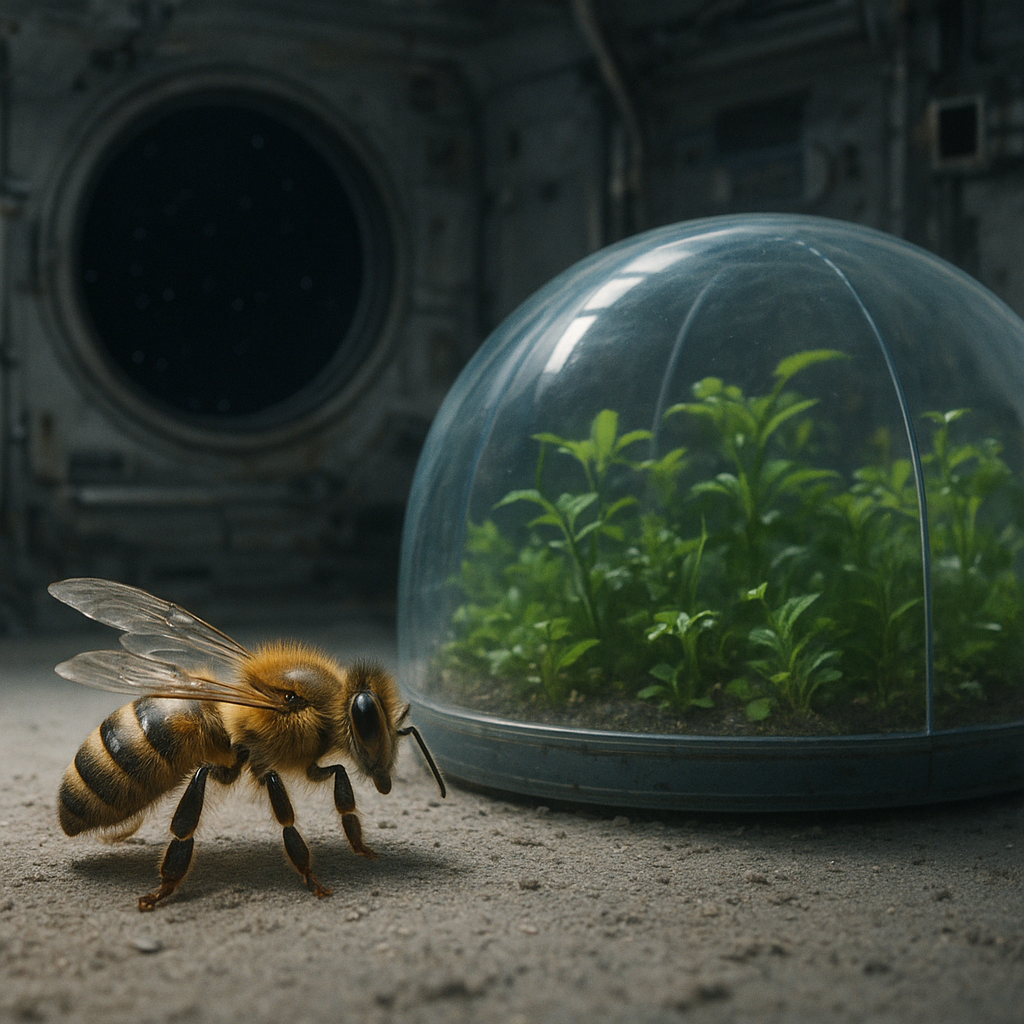
Space agriculture faces unique hurdles when integrating living organisms beyond traditional crops. Among these, honeybees stand out as vital pollinators necessary for maintaining both crop yields and ecological balance. By examining the possibility of sustaining bees within sealed habitats, researchers aim to unlock new levels of self-sufficiency for long-duration missions and off-planet colonies.
Challenges of Apiculture in Space
Operating a hive inside a spacecraft or extraterrestrial habitat demands solutions for issues that do not exist on Earth. Low or varying gravity, radiation exposure, and limited volume impose strict constraints.
Microgravity and Behavior
Unlike Earth’s 1g environment, space stations experience near-microgravity conditions. Bees rely on gravity cues for orientation and navigation:
- Flight Patterns: In microgravity, bees struggle to stabilize their wings and maintain upward deflection, leading to erratic trajectories.
- Brood Construction: Hive combs built in weightlessness may form irregular geometries, complicating colony structure and brood rearing.
- Orientation Cues: Gravity receptors (gravitaxis) in bees help determine vertical direction; without them, bees may exhibit disoriented flight behavior.
Radiation and Immunity
Cosmic radiation poses a threat to insect physiology and immunity. Shielding can reduce exposure, but hive dwellers may still face cumulative DNA damage. Maintaining robust immune responses is key to protecting colonies from opportunistic infections.
Adaptations for Hive Management on Space Stations
Engineering solutions aim to replicate Earth-like conditions while conserving resources. Modular hive designs and tailored environmental controls can foster stable bee populations.
Controlled Climate Chambers
Beekeeping modules require precise regulation of temperature, humidity, and ventilation:
- Thermal Control: Maintaining hive temperature around 32–35 °C ensures proper brood development.
- Humidity Regulation: Relative humidity of 50–60 % prevents comb desiccation and supports nutrients transfer within the colony.
- Air Circulation: Filtered air flow prevents stagnation but must be gentle to avoid disrupting colonies.
Gravity Simulation Techniques
Partial gravity environments can be simulated through rotating habitats or clinostats. These systems create centrifugal force, allowing bees to orient and construct combs in more familiar patterns.
Pollination Strategies in Controlled Ecosystems
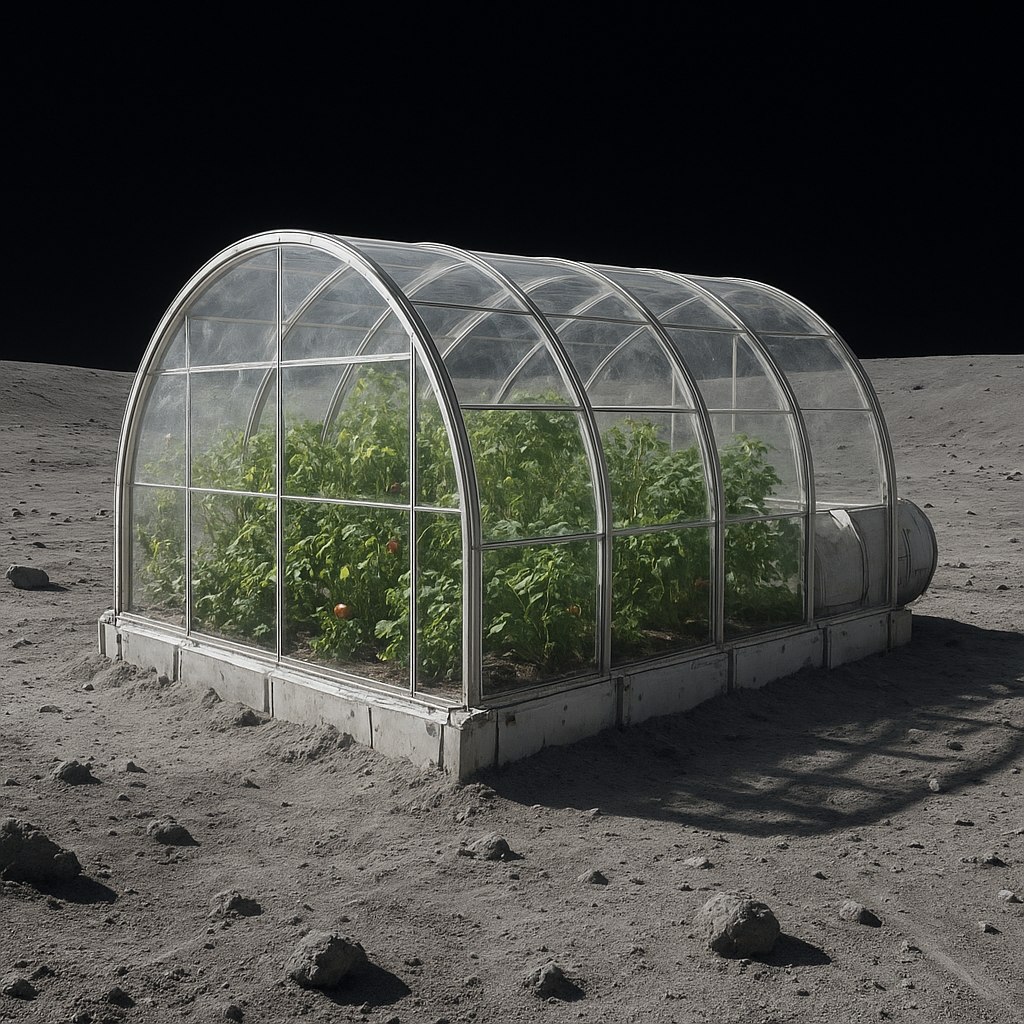
Beyond honey production, the primary value of bees lies in their ability to pollinate crops. In closed cultivation systems, effective transfer of pollen is indispensable for fruiting plants.
Targeted Floral Resources
Selection of pollinator-friendly crops maximizes foraging efficiency:
- Compact Flowering Units: Bell peppers, tomatoes, and strawberries present dense floral clusters.
- Staggered Bloom Cycles: Continuous flowering stages ensure constant forage availability and colony sustenance.
- Artificial Floral Mimetics: Synthetic blossoms can train bees to deliver pollen to specific greenhouse sections.
Monitoring and Automation
Integrating sensors and robotics can track pollination progress and hive health in real time:
- Video Analytics: High-resolution cameras detect foraging patterns and flight anomalies.
- Weight Tracking: Automated scales under hive frames record honey accumulation and brood mass.
- Environmental Sensors: Continuous logging of temperature, CO2, and volatile organic compounds to mirror honeybee comfort zones.
Technological Innovations Supporting Bee Health
Emerging technologies aim to bolster resilience and adaptability of bees under extraterrestrial constraints. Genetic, mechanical, and digital tools converge to enable sustainable apiculture.
Selective Breeding and Genetic Tools
Through careful selection or CRISPR-based editing, researchers explore traits such as:
- Radiation Tolerance: Enhancing DNA repair pathways for protection against mutagenic cosmic rays.
- Low-Gravity Navigation: Modifying sensory receptors to improve gravitaxis substitutes.
- Varroa Mite Resistance: Strengthening immunity to common pests, reducing need for chemical treatments.
Robotic Assistants and Hive Maintenance
Automation reduces manual interventions by astronauts:
- Robotic Arms: Precisely remove frames for inspection and honey harvest.
- Micro-drones: Small airborne vehicles assist in internal hive cleaning and temperature probes.
- AI Diagnostics: Machine learning algorithms predict colony stressors and suggest corrective measures.
Future Prospects for Space Agriculture Involving Bees
Long-term human presence on Mars, lunar bases, or free-flying arks hinges on closed-loop ecologies. Honeybees could serve as a keystone species, sustaining a variety of ecosystems and reinforcing food security.
Integration with Life Support Systems
Bees contribute to oxygen production, CO2 scrubbing, and waste recycling, complementing algae and plant modules. Their byproducts—honey, propolis, wax—offer both nutrition and industrial raw materials.
Expanding Biodiversity
A thriving bee population can support diverse flora beyond staple crops:
- Herbs and Medicinal Plants: Lavender, chamomile, and echinacea for health-supporting compounds.
- Fiber Plants: Cotton or linen analogs providing textile materials from plant fibers.
- Perennial Orchards: Dwarf fruit trees benefitting from insect-mediated pollination.
Realizing the vision of interplanetary agriculture with bees will require interdisciplinary collaboration, persistent experimentation, and ongoing innovation. Yet the potential gains—a self-sustaining, biodiverse habitat—promise a leap forward for humanity’s journey among the stars.