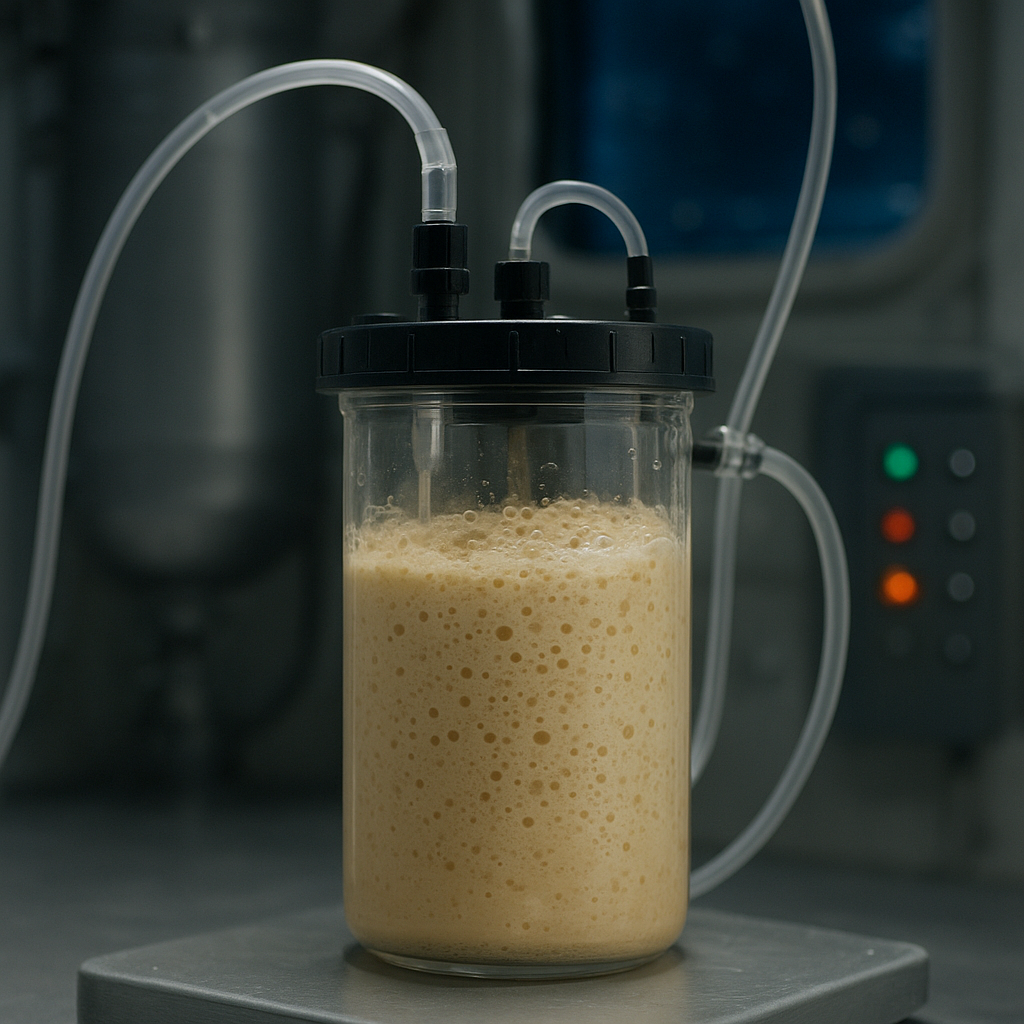
Long-duration missions beyond Earth’s orbit are driving the search for reliable, lightweight, and efficient food systems. Among the most promising approaches is leveraging microbial fermentation, a process well-established on Earth for enhancing flavor, preserving food, and generating essential nutrients. Could this age-old biotechnology be adapted to the unique conditions of space, where microgravity, radiation, and closed-loop ecosystems reign? Exploring this question uncovers innovative reactor designs, microbial selection strategies, and the potential for a self-sufficient orbital pantry.
Background on Fermentation and Space Agriculture
Fermentation harnesses microorganisms—yeasts, bacteria, and fungi—to convert substrates into valuable compounds such as proteins, vitamins, organic acids, and alcohols. On Earth, it underpins industries from bread and cheese to biofuels and pharmaceuticals. Translating these processes into space could address critical challenges:
- Reducing payload mass by producing food onboard rather than shipping it.
- Extending shelf life through microbial preservation.
- Enhancing nutritional profiles with fortified or novel compounds.
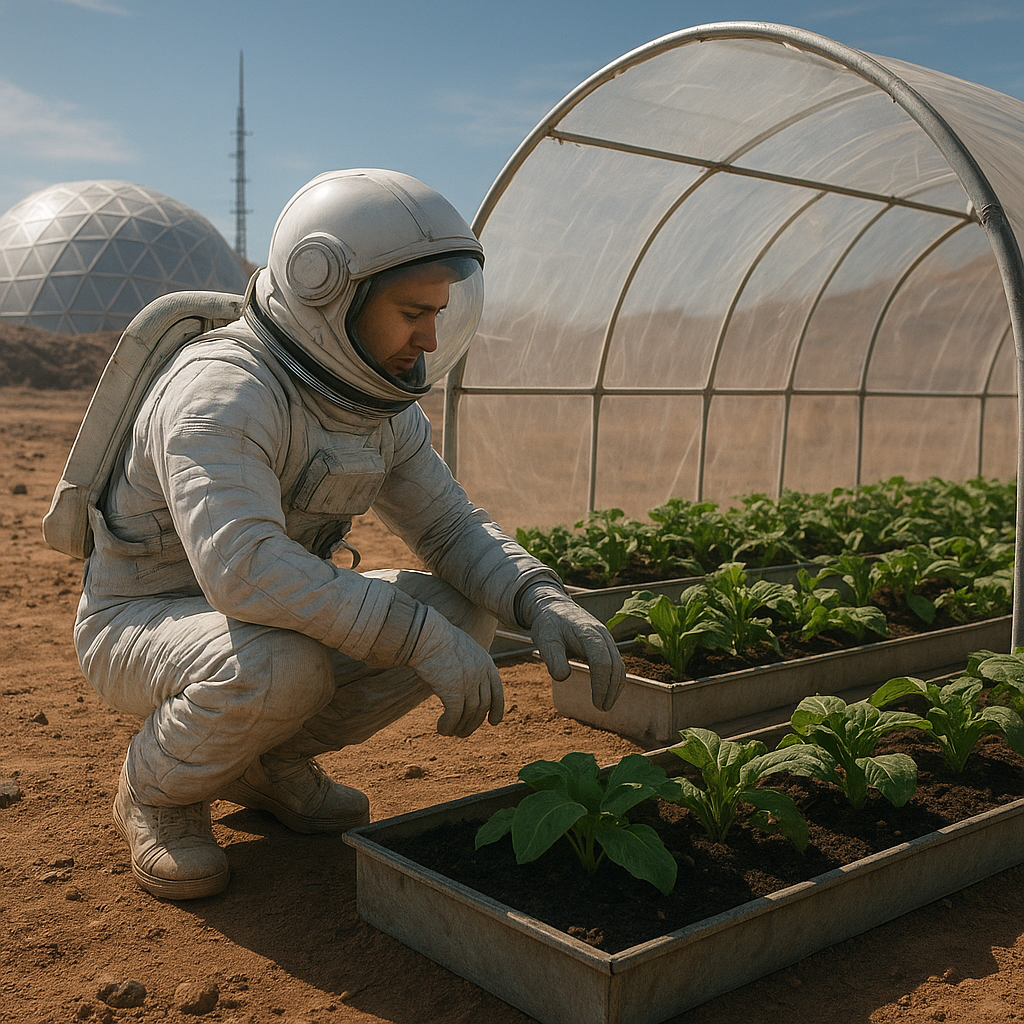
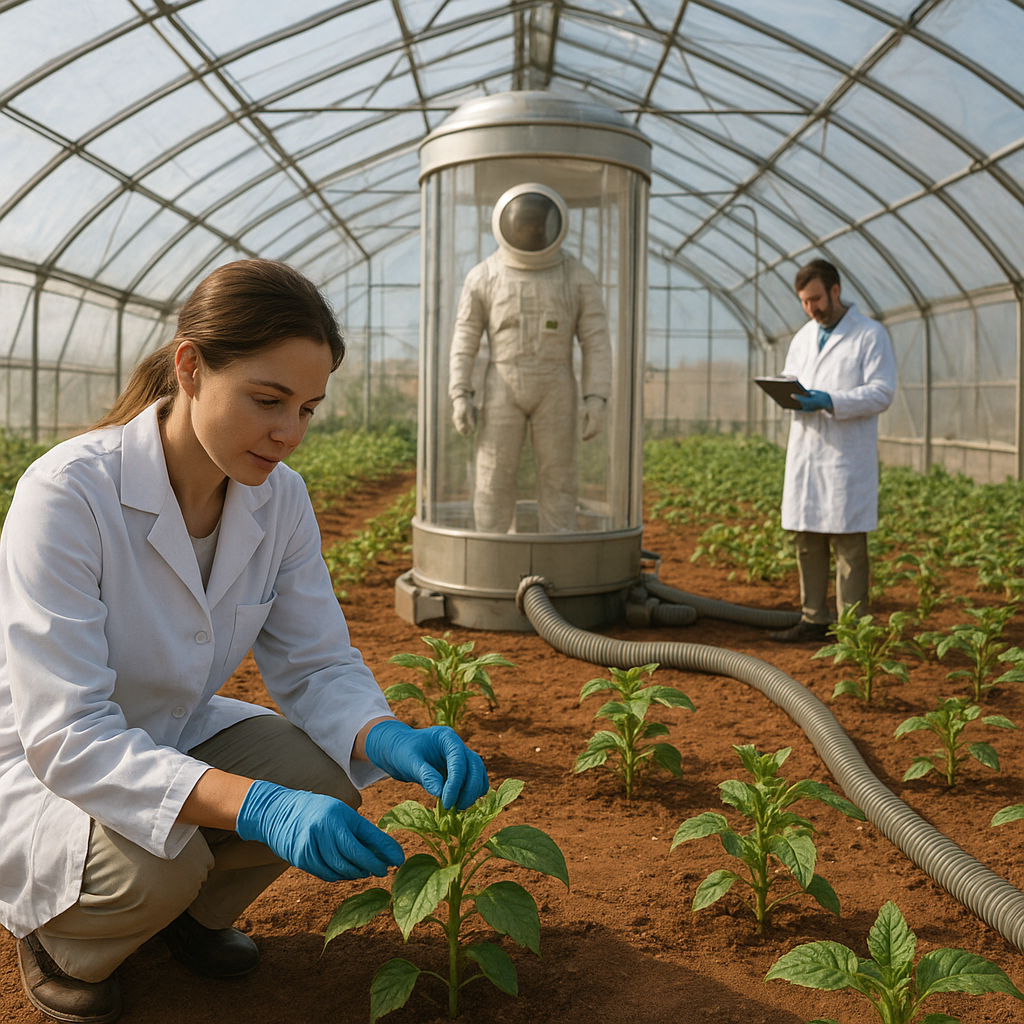
Space agriculture has traditionally focused on plant cultivation in hydroponic or aeroponic systems. While plants offer familiar staples, they require significant water, light, and time. In contrast, microbial fermentation can operate on minimal inputs, cycle rapidly, and yield high protein densities. This makes it a compelling complement to botanical approaches, offering a resilient solution when time and space are at a premium.
Challenges of Microbial Cultivation in Microgravity
The microgravity environment alters fluid dynamics, nutrient diffusion, and cell behavior. Key obstacles include:
- Reduced convection: Without buoyancy-driven mixing, nutrient delivery and gas exchange become inefficient, risking localized depletion or waste product accumulation.
- Cell morphology changes: Some bacteria and yeast exhibit altered shapes, affecting fermentation rates and product yields.
- Biofilm formation: Microbes may adhere to surfaces unpredictably, complicating reactor maintenance and sterilization.
- Radiation exposure: Cosmic rays can induce mutations, potentially compromising microbial strains or generating harmful byproducts.
Tackling these issues demands innovation in reactor engineering and strain selection. Understanding how microorganisms sense and adapt to altered gravity is crucial. Researchers at space agencies and universities are conducting experiments on the International Space Station (ISS) to map growth kinetics and metabolic shifts. These studies reveal that some fermentation pathways remain robust, while others require modulation of medium composition or incubation parameters.
Innovative Bioreactor Designs for Orbital Food Production
Designing a spaceworthy fermenter involves balancing mass, volume, energy consumption, and automation. Several concepts have emerged:
1. Rotating Wall Vessel Systems
These bioreactors create a low-shear environment by slowly spinning a cylinder, simulating aspects of microgravity. Benefits include:
- Enhanced mixing without pumps.
- Reduced cell damage from shear stress.
- Improved control over residence time and nutrient gradients.
Onboard tests have demonstrated successful yeast fermentations, with ethanol yields comparable to terrestrial controls.
2. Membrane Bioreactors
By separating cells from spent media through semi-permeable membranes, these systems enable continuous nutrient replenishment and waste removal. Advantages are:
- Constant high cell density, boosting productivity.
- Lower risk of contamination thanks to closed loops.
- Feasible miniaturization for compact payloads.
3. 3D-Printed Modular Reactors
Utilizing additive manufacturing, custom geometries optimize mixing patterns and surface-to-volume ratios. Modules can be swapped or expanded depending on mission phase. Key features include:
- Rapid prototyping of new reactor designs.
- Integration of sensors for pH, dissolved oxygen, and biomass monitoring.
- Interchangeable cartridges for different microbial cultures.
These modular units pave the way for an onboard “fermentation suite,” capable of producing everything from leavened bread alternatives to vitamin-rich supplements.
Potential Products and Nutritional Impacts
Fermentation in space can yield a diverse array of foodstuffs and biochemicals:
- Single-cell protein: Yeast and fungal biomass can serve as meat analogues, delivering high-quality amino acids.
- Probiotic cultures: Bacteria such as Lactobacillus can improve astronauts’ gut health and immunity.
- Vitamins and carotenoids: Engineered microbes may overproduce essential micronutrients like B12, K2, and beta-carotene, addressing deficiencies.
- Flavor compounds: Ester and aldehyde profiles from fermentation can enhance palatability of otherwise bland space cuisine.
- Bioplastics and packaging materials: Certain bacterial strains generate polyhydroxyalkanoates, supporting in situ manufacturing of biodegradable containers.
Each product category contributes to a closed-loop ecosystem, where waste streams from one process feed another. Organic residues from plant growth chambers can act as substrates for microbial fermentation, while CO2 exhaled by crew supports phototrophic reactors. This synergy underlines the sustainability promise of integrated space agriculture.
Case Study: ISS Microbial Bioprocessing Experiments
Aboard the ISS, several experiments—such as the Bioman Project and BioNutrients initiative—have tested fermentation protocols under orbital conditions. Highlights include:
- Successful culturing of cyanobacteria that convert CO2 into biomass, followed by processing into edible flour.
- In-flight production of recombinant proteins, demonstrating the viability of pharmaceutical synthesis via microbial platforms.
- Automated sampling and analysis using onboard sequencing tools, confirming genetic stability over extended culture durations.
Data from these studies guide ground-based analog trials, refining process controls and strain engineering strategies. They also reveal that certain pathways—like lactic acid fermentation—exhibit lower sensitivity to microgravity, making them prime candidates for early deployment.
Future Prospects and Research Directions
Advancing fermentation for space hinges on multidisciplinary efforts:
- Synthetic biology: Tailoring microbial genomes to enhance stress tolerance and target metabolite production.
- Advanced materials: Developing radiation-shielded reactor casings and smart membranes for selective transport.
- AI-driven process optimization: Real-time data analytics can adjust fermentation parameters to maximize yield and minimize resource use.
- Regulatory frameworks: Establishing health and safety standards for consumption of space-produced food.
- In situ resource utilization (ISRU): Exploring the use of Martian or lunar regolith-derived minerals to supplement culture media.
As missions extend to Mars and beyond, the ability to produce fresh, nutrient-dense food from minimal inputs will be a game-changer. By unlocking the potential of fermentation in microgravity, spacefarers may one day enjoy a diverse menu of fermented products—bread substitutes, dairy alternatives, and probiotic beverages—crafted hundreds of millions of kilometers from Earth.