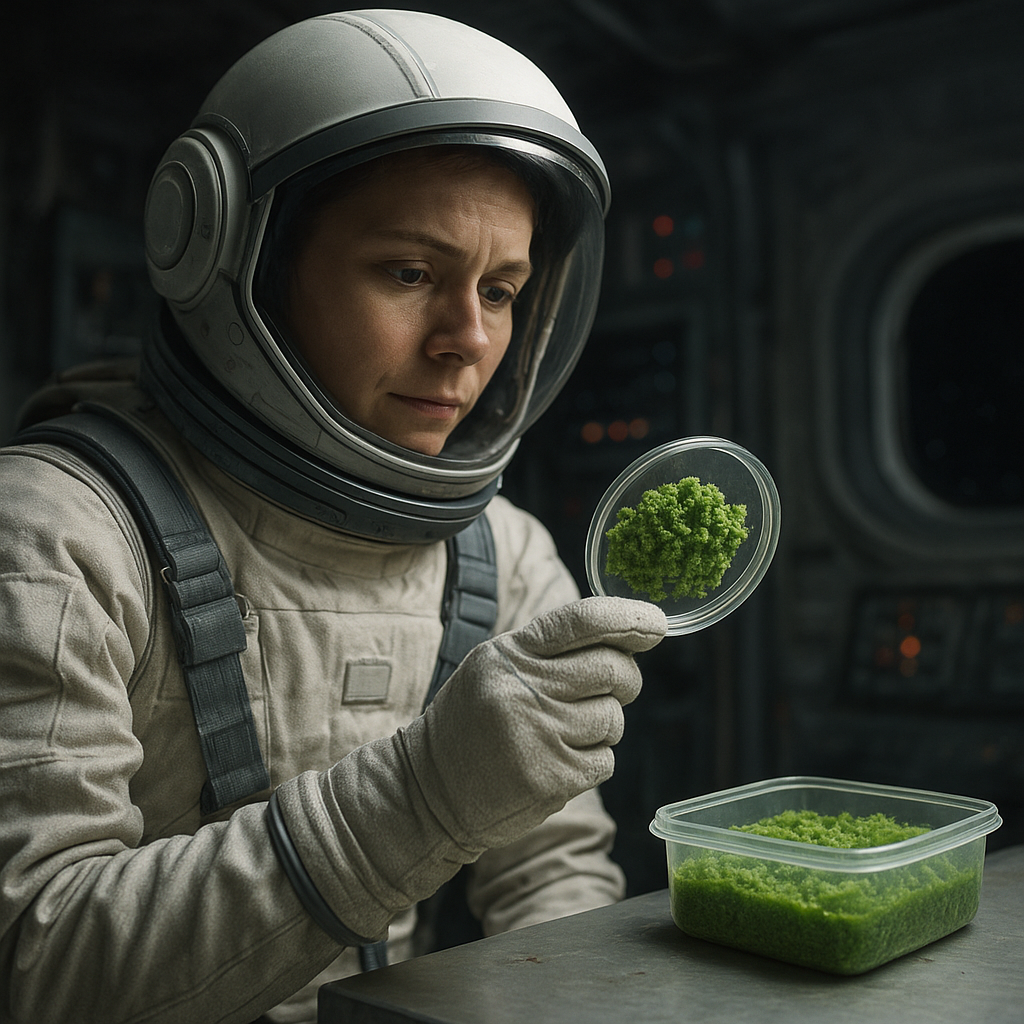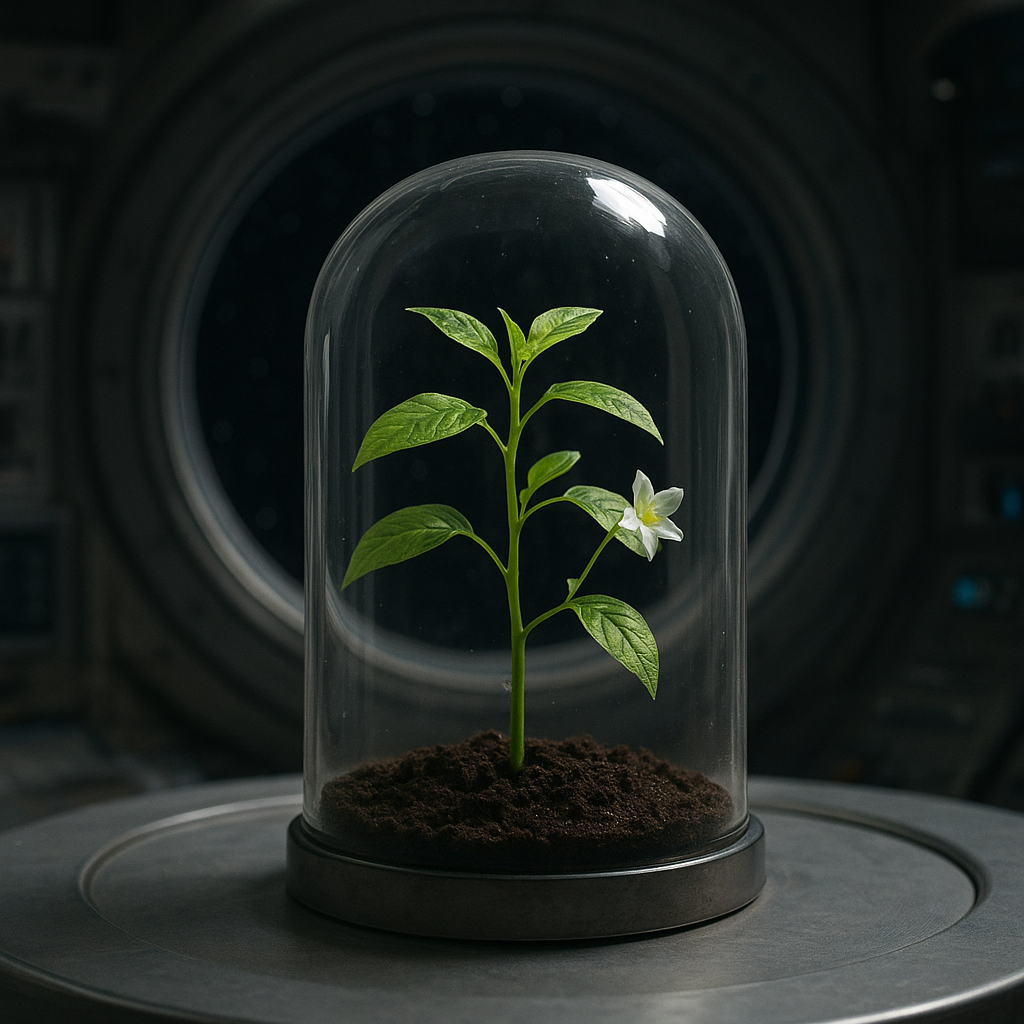
The question of whether plants cultivated beyond our planet can complete their life cycle and reproduce is crucial for long-term human presence in space. Researchers have explored how microgravity, limited resources, and exposure to cosmic radiation influence flowering, fertilization, and the production of viable seeds. This article delves into experimental data from orbital laboratories, reviews technological strategies such as hydroponics and closed-environment systems, and assesses the prospects of creating a truly self-sustaining space agriculture infrastructure.
Understanding Microgravity’s Effects on Reproductive Physiology
Plants evolved under Earth’s one-G environment, where gravity guides water movement, root orientation, and the distribution of hormones that trigger flowering. In microgravity, fluid dynamics change dramatically, disrupting capillary action and altering nutrient delivery. This shift can impact the process of photosynthesis and the timing of flowering, which in turn influences pollination success.
Key physiological processes affected include:
- Hormone gradients: Auxins and gibberellins no longer settle predictably, affecting flower bud formation.
- Water redistribution: Irregular moisture levels can hinder pollen germination on stigma surfaces.
- Gene expression: Microgravity can upregulate stress-response genes at the expense of reproductive genes.
Studies on model organisms like Arabidopsis thaliana have shown delayed flowering times, suggesting that gravity plays a signaling role in reproductive timing. Understanding these shifts is vital for engineering plant varieties optimized for space environments.
Experimental Evidence from Space Missions
Since the 1980s, space agencies have conducted experiments aboard Skylab, Mir, and the International Space Station (ISS) to monitor plant growth and seed production. Notable findings include:
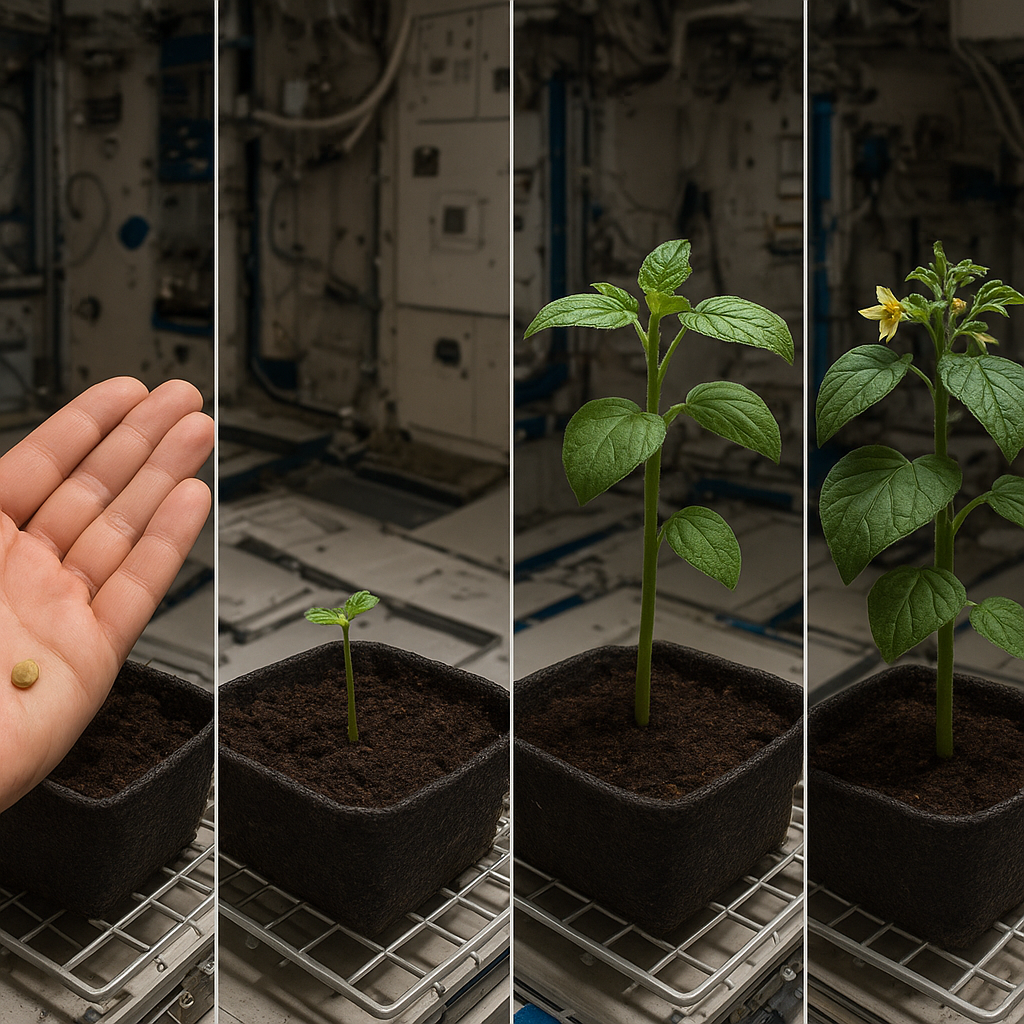
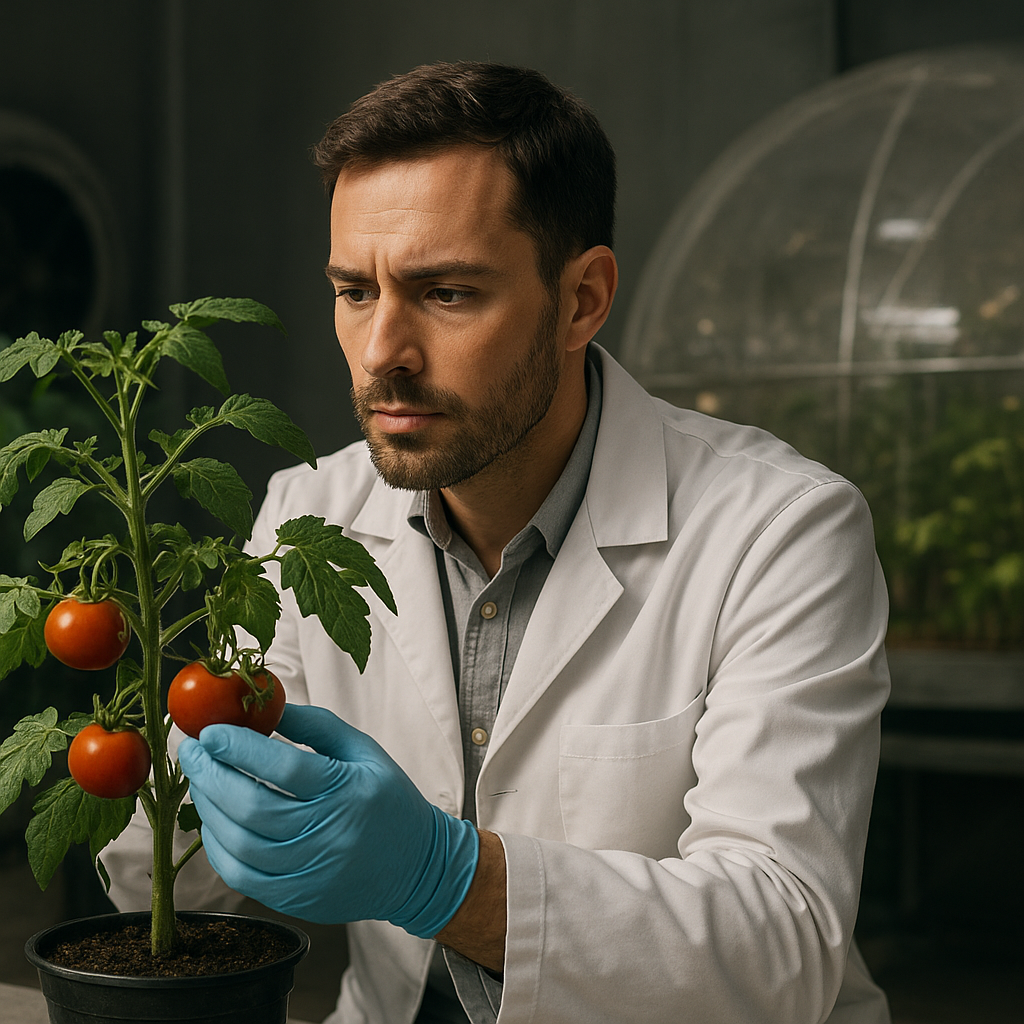
- Tomato plants grown on the ISS produced fruit, but seed germination rates were lower compared to Earth-grown controls.
- Brassica rapa (fast plants) completed a full life cycle in microgravity; however, resulting seeds exhibited morphological abnormalities.
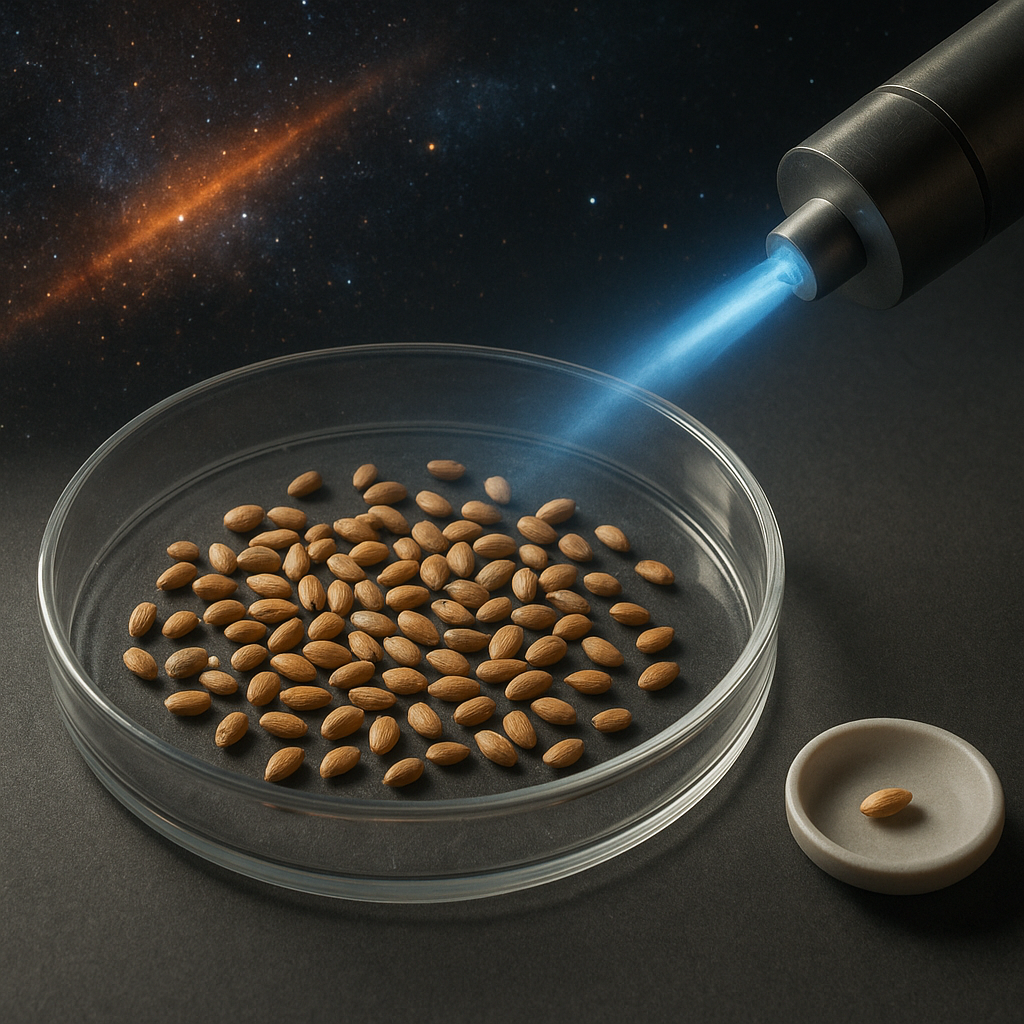
- Rice plants exposed to higher levels of cosmic radiation showed increased mutation rates, some of which affected flower development.
Despite these challenges, many experiments have confirmed that pollination—whether facilitated by hand pollination or small robotic devices—can be achieved successfully. However, maintaining consistent seed viability remains a hurdle, as factors like vibrational stresses during launch and re-entry further compromise seed quality.
Technological Innovations to Support Reproductive Success
Advanced growth chambers and life support systems have been designed to mitigate adverse space conditions. Key innovations include:
- LED lighting arrays that provide targeted wavelengths to optimize photosynthetic efficiency and trigger flowering.
- Automated pollination units that simulate wind or insect activity to transfer pollen reliably between flowers.
- Modular hydroponic racks that recycle water and nutrients in a closed-loop system, reducing waste and ensuring consistent delivery to roots.
For instance, the Advanced Plant Habitat on the ISS uses programmable LED spectrums to stimulate both vegetative growth and reproductive phases. By carefully tuning light cycles, researchers can induce flowering at precise intervals, helping to synchronize pollination windows and enhance seed set. Moreover, integrating real-time sensors allows for dynamic adjustment of pH, nutrient concentration, and humidity, supporting robust nutrient cycles even in microgravity.
Challenges Facing Long-Duration Space Farming
Disease and Pest Management
Closed-environment agriculture can inadvertently foster microbial outbreaks. Pathogens that affect roots or leaves may proliferate faster in humid, nutrient-rich enclosures. Without natural predators, a single fungal pathogen can threaten an entire crop batch, compromising future seed stocks.
Genetic Adaptation
Repeated exposure to space stressors can drive genetic drift. Over successive generations, plants may accumulate mutations that improve stress tolerance but degrade yield or reproductive capacity. Ensuring genetic fidelity across generations requires seed banking and periodic introduction of Earth-derived germplasm.
- Maintaining biodiversity: Rotating multiple cultivars reduces vulnerability to specific threats.
- Bioregenerative life support: Integrating human waste recycling for fertilizers creates a holistic loop but demands careful pathogen control.
The Future of Sustainable Space Farming
As plans for lunar bases and Mars expeditions progress, achieving autonomous food production becomes non-negotiable. Key research directions include:
- Selective breeding and gene editing to enhance traits like gravity-independence in pollen tube growth.
- Integration of robotics and AI to monitor flowering, perform precise pollination, and harvest seeds at optimal maturity.
- In situ resource utilization, such as extracting mineral nutrients from regolith to supplement traditional fertilizers.
Emerging concepts envision a layered greenhouse architecture on Mars, where stacked cultivation decks provide redundancy and maximize volume efficiency. By combining improved genetic lines with advanced environmental controls, future astronauts may rely on a diverse menu of fruits, grains, and leafy vegetables grown entirely off-Earth. These achievements will sculpt the next era of human exploration, proving that with the right technologies and plant varieties, extraterrestrial agriculture can move from experimental trials to a cornerstone of long-term missions.