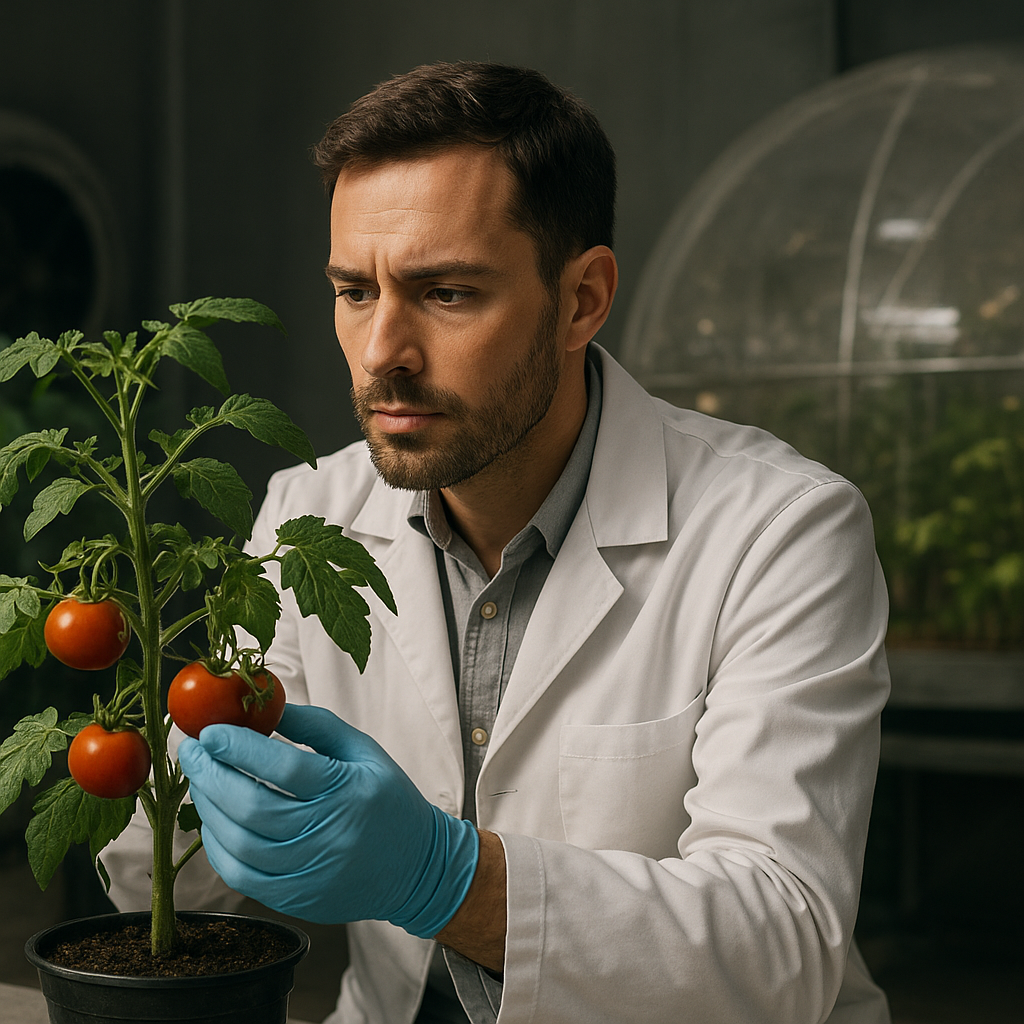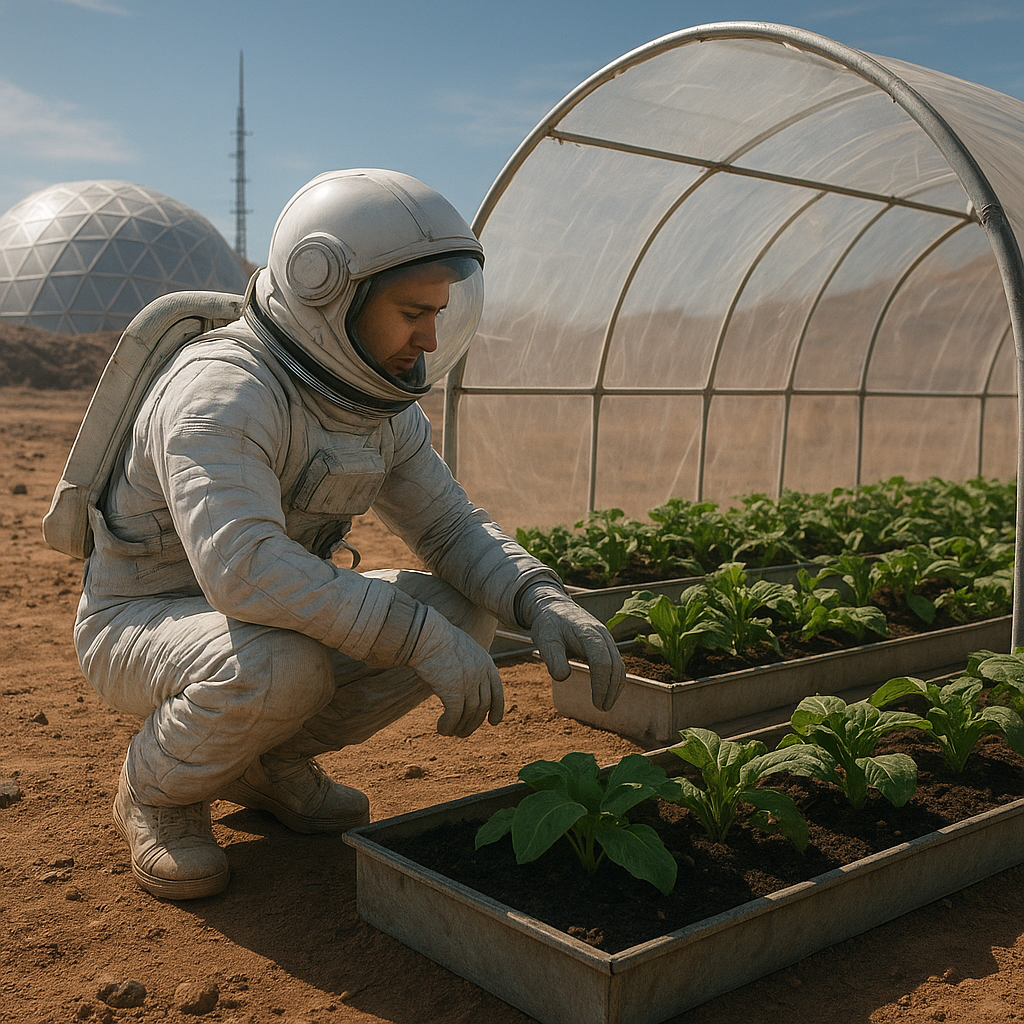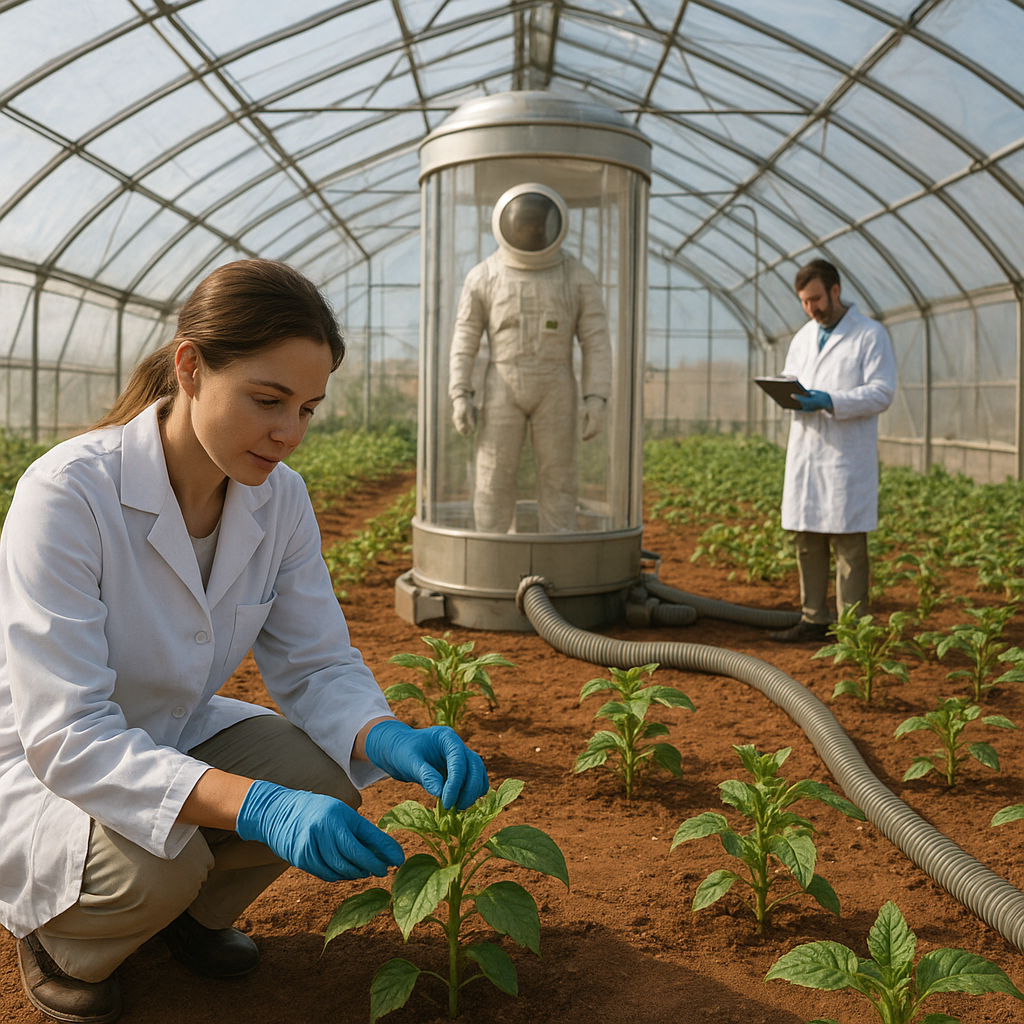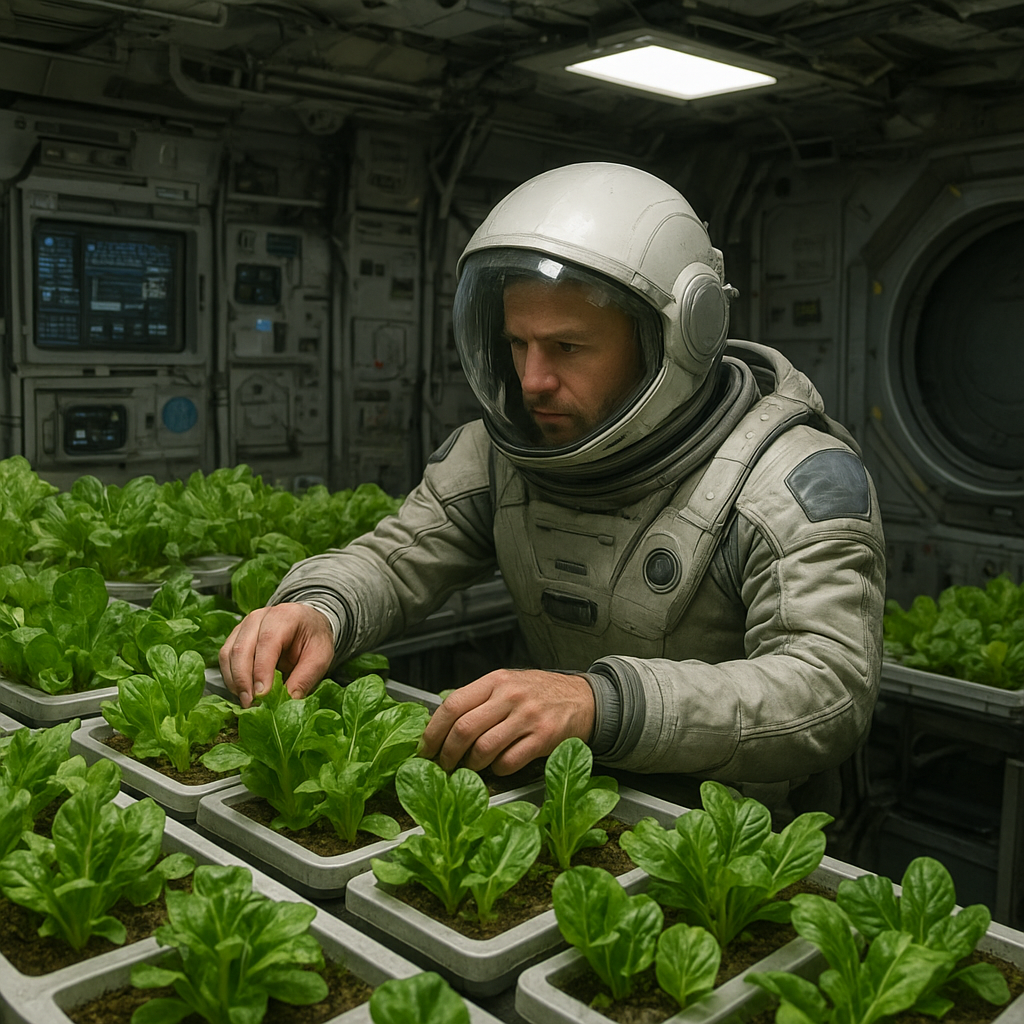
Establishing reliable food production beyond Earth presents a complex tapestry of engineering, biological, and logistical challenges. Growing crops in the confined environments of spacecraft or extraterrestrial habitats demands radical innovation in agricultural science and habitat design. This article explores the multifaceted obstacles to scaling space farming to support sizeable human populations on the Moon, Mars, and beyond.
Technological Obstacles and Infrastructure Requirements
Creating a self-sustaining agricultural system in space hinges on mastering several critical technologies. In microgravity or reduced gravity environments, plants exhibit altered root growth, nutrient uptake, and water distribution. Overcoming these issues requires specialized growth chambers, innovative fluid management, and precise control systems. Key areas of focus include:
- Hydroponics and aeroponics modules designed for closed-loop nutrient delivery.
- Advanced photobioreactors harnessing LED lighting optimized for photosynthesis efficiencies.
- Robust radiation shielding integrated into habitat walls to protect sensitive tissues and genetic material.
Beyond hardware, robust automation and remote monitoring are imperative. Human crews may be limited in number, so intelligent sensors, robotic arms, and AI-driven controls must manage irrigation cycles, nutrient balance, and environmental conditions without constant human oversight. Designing modular and scalable growth systems ensures that a small testbed can expand as habitat populations grow, achieving the necessary modularity for incremental capacity increases.
Biological Constraints and Crop Optimization
Plants evolved under Earth’s 1g gravity and diurnal cycles. In space or on Mars’ 0.38g surface, plant physiology changes dramatically. Researchers must select or engineer cultivars with enhanced tolerance to stressors like cosmic radiation, limited soil substrates, and variable lighting conditions.
Crop Selection Criteria
- Fast growth cycles to minimize cultivation time and maximize turnover.
- High harvest index, where a large percentage of biomass is edible.
- Resilience to pathogens in enclosed habitats, where disease outbreaks can spread rapidly.
- Efficient water usage, critical in resource-limited environments.
Genetic and Biotechnological Innovations
Biotechnology offers the promise of tailoring crops for space. Genetic modifications may enhance root anchorage under low gravity, increase resistance to ultraviolet and ionizing radiation, and boost nutrient content. However, deploying genetically edited plants raises questions about stability, unintended mutations, and ethical considerations. Ensuring that engineered genes remain stable over multiple growth cycles is a paramount challenge. Moreover, cultivating a diverse crop portfolio is essential to meeting food security and nutritional requirements, requiring research into grains, legumes, vegetables, and even novel protein sources like algae or fungi.
Resource Management and Environmental Control
Efficiently managing water, air, and nutrients is non-negotiable for long-duration missions. Every liter of water must be recycled, and every cubic meter of atmosphere carefully balanced to support both humans and plants. Life support integration demands:
- Closed-loop sustainability systems that recover humidity from plant transpiration and human respiration.
- Atmospheric scrubbers to remove excess CO2 and toxins while replenishing oxygen.
- Precision nutrient dosing to avoid harmful accumulations of salts or imbalances that stunt growth.
- Dynamic climate control to simulate Earth-like diurnal and seasonal photoperiods.
Systems engineering must account for redundancy. Malfunctions in water pumps or light arrays can jeopardize the entire crop yield. Therefore, fail-safes, backup power supplies, and real-time diagnostics are embedded in every module. Developing compact, efficient heat exchangers and phase-change materials helps buffer temperature fluctuations, especially important in the harsh thermal cycles encountered on planetary surfaces.
Socioeconomic Implications and Policy Considerations
Translating experimental space agriculture into large-scale production involves more than just science and engineering. It intersects with policy, economics, and international collaboration. Key considerations include:
- Funding models that balance government investment, private-sector partnerships, and commercial incentives.
- Regulatory frameworks for transporting live biological materials across international boundaries and through space.
- Intellectual property rights for proprietary crop varieties and cultivation technologies.
- Ethical guidelines on genetic modification, biodiversity preservation, and long-term habitat planning.
Strategies for public engagement and stakeholder buy-in are crucial. Large-scale space agriculture will require multigenerational commitment and potentially significant budget allocations. Effective communication of mission goals and progress fosters societal support and ensures sustained interest. Collaborative platforms where agencies, universities, and private companies share data can accelerate breakthroughs while distributing risks and costs.
Building Resilience for Future Populations
To support burgeoning off-Earth communities, space agriculture must transcend laboratory prototypes and evolve into robust, adaptable ecosystems. This demands an interdisciplinary approach, bridging microgravity physics, advanced materials, synthetic biology, and space policy. As the scale of human presence expands—from lunar outposts to Mars colonies and deep-space transit—food production systems must be:
- Highly resilient to external shocks, including equipment failures or environmental anomalies.
- Scalable, enabling incremental growth aligned with population increases.
- Economically viable, reducing reliance on costly resupply missions from Earth.
- Culturally adaptable, offering diverse and palatable food options to support crew morale and health.
By addressing these challenges head-on, researchers and engineers pave the way for humanity’s sustained presence beyond our home planet. Cultivating life in space not only ensures survival but also fosters innovation that can revolutionize agriculture on Earth. The quest to grow crops under alien skies underscores our ingenuity and determination to become a true interplanetary species.