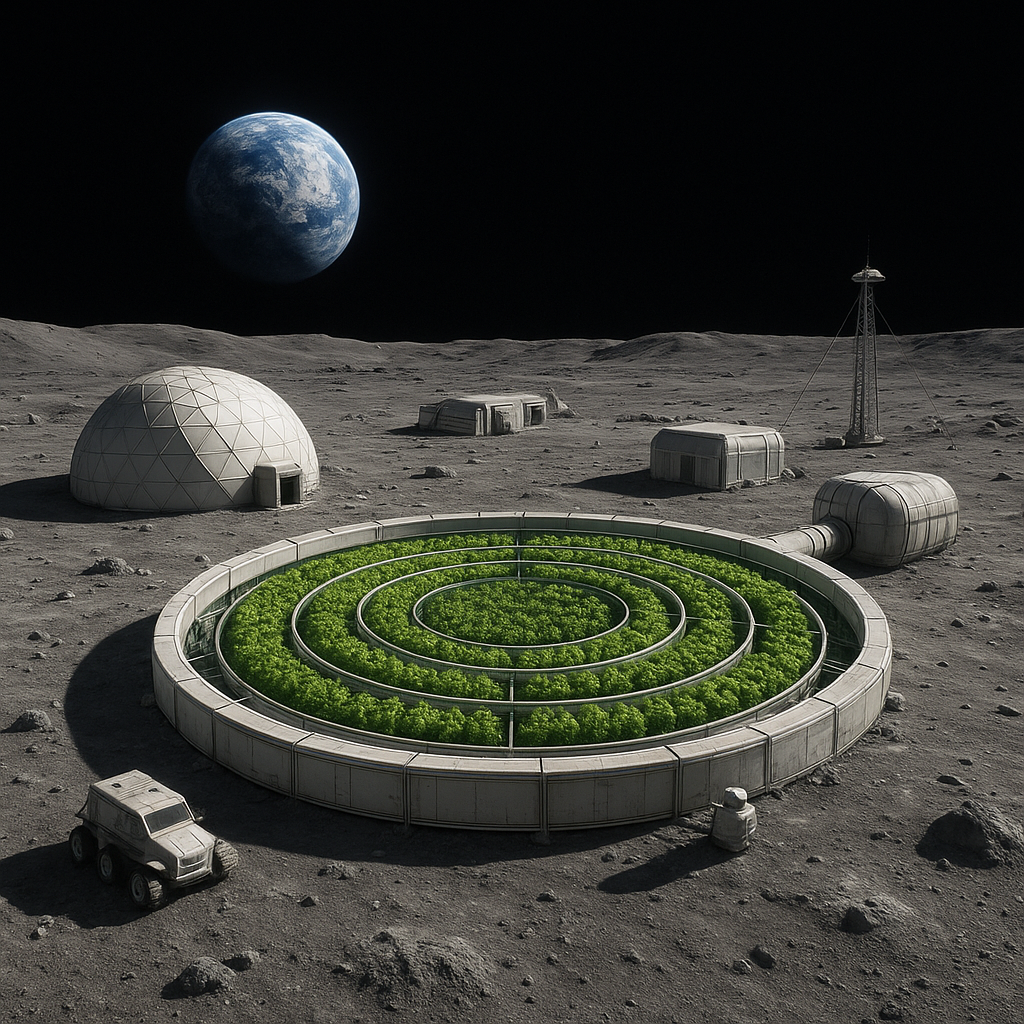
Establishing a reliable food supply on the Moon requires innovative approaches that combine advanced engineering, biology, and systems integration. This article explores how closed-loop and circularity principles can be applied to lunar bases, enabling long-term sustainability in an environment devoid of Earth’s abundant resources.
Systems Design for Lunar Crop Production
Designing an agricultural module for the lunar surface demands careful attention to resource efficiency and mass constraints. Traditional terrestrial greenhouses rely on open-air thermal exchanges and abundant water sources, luxuries unavailable in space. Instead, lunar farms must leverage a closed-loop architecture in which each by-product is recycled or repurposed. Key elements include:
- Hydroponics frameworks that circulate nutrient-rich solutions without soil.
- Advanced lighting systems, such as LED arrays tuned to photosynthetic spectra.
- Air revitalization subsystems that scrub CO₂ and replenish O₂.
- Modular plant growth chambers that can be scaled according to mission needs.
Implementing an integrated control network ensures that variables like temperature, humidity, and nutrient concentration are automatically adjusted. Sensors continuously monitor plant health indicators—such as leaf color, transpiration rates, and root-zone conductivity—to optimize yield while minimizing resource consumption.
Closed-Loop Resource Management
Efficient nutrient recycling is at the heart of any bioregenerative system. Waste streams from crew metabolism, inedible plant biomass, and water condensate must be processed without Earth resupply. Strategies include:
- Biological reactors where microorganisms decompose organic waste into ammonia and nitrates for plant uptake.
- Membrane filtration to reclaim and purify water from transpiration and crew wastewater.
- Physical-chemical treatment units that adjust pH and nutrient balance to maintain optimal root-zone conditions.
By integrating these processes, a lunar base can achieve near 100% water reuse and significant nutrient recovery, drastically reducing the logistical burden of cargo shipments from Earth.
Environmental and Technical Challenges
The lunar environment presents unique hurdles that demand specialized solutions. From extreme temperature swings to cosmic radiation, designers must account for factors that could jeopardize both equipment and biological systems.
Regolith and Substrate Alternatives
Lunar regolith, the loose, rocky dust covering the Moon’s surface, is rich in minerals but also contains abrasive particles that can damage equipment. While regolith itself lacks the organic matter necessary for plant growth, it can serve as a mineral substrate when pre-treated. Approaches include:
- Thermal sintering to eliminate sharp edges and stabilize the material.
- Chemical extraction to leach out toxic metals and concentrate nutrients like iron and silicon.
- Blending regolith simulants with organic binders to create composite growth media.
These methods reduce reliance on Earth-derived substrates and tap into local resources, embodying the principles of in situ resource utilization (ISRU).
Microgravity and Radiation Effects
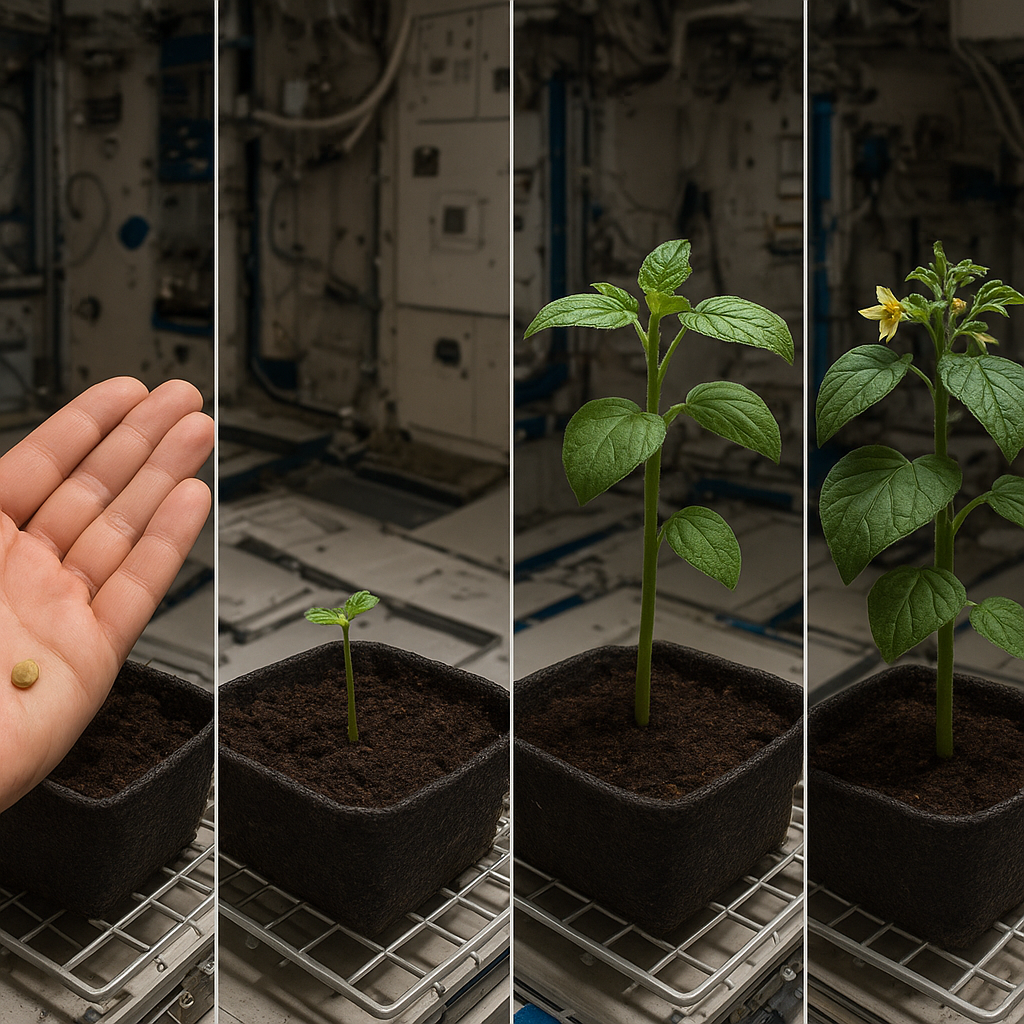
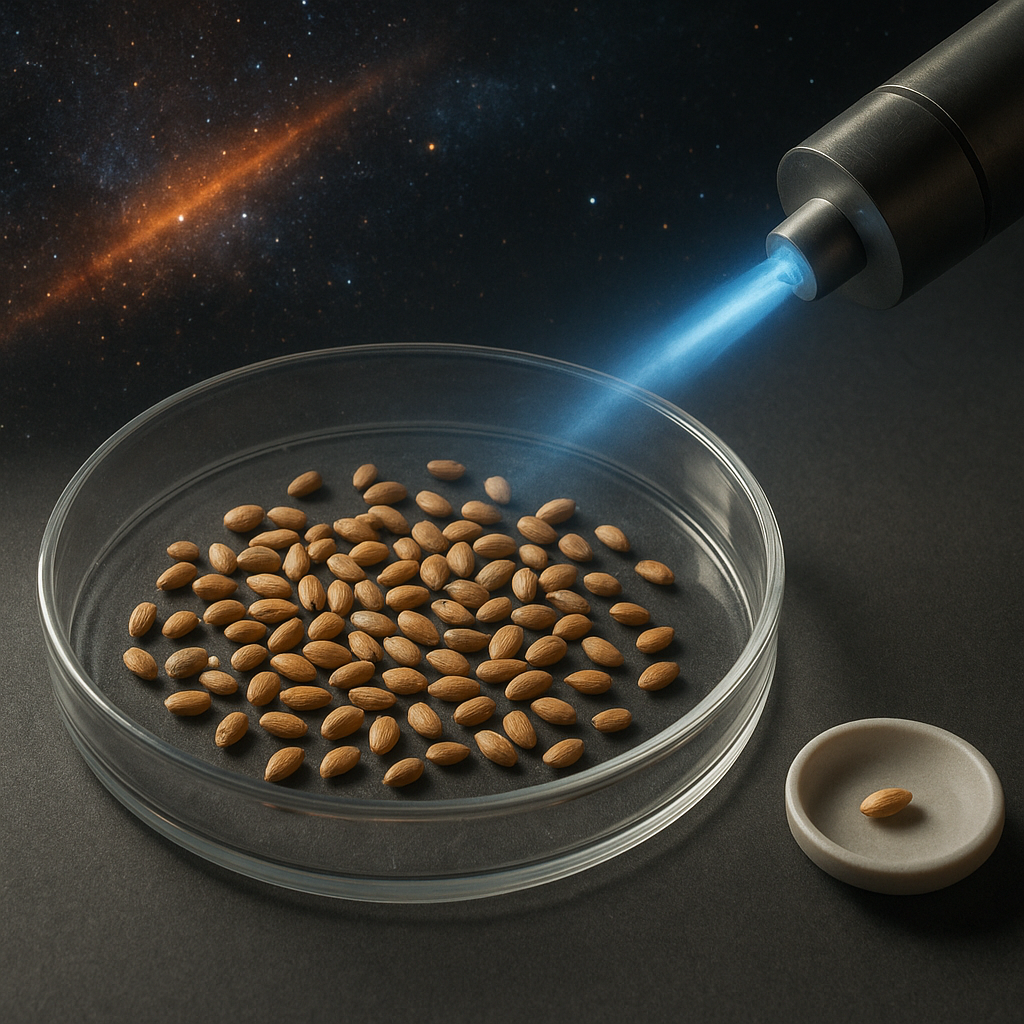
Even within a habitat, microgravity conditions can alter fluid behavior and plant morphology. Coiled root architectures, uneven nutrient gradients, and air bubbles in hydroponic channels pose risks. To mitigate these issues, engineers use centrifuges or rotating habitats to simulate partial gravity, promoting normal plant development. Additionally, shielding strategies—such as water jackets or regolith walls—protect crops from ionizing radiation that could impair photosynthetic efficiency and genetic stability.
Innovations in Bioregenerative Circuits
Recent research highlights the potential of combining plant cultivation with microbial and algal processes to boost system robustness. A truly circular ecosystem on the Moon would integrate multiple biological components in synergy.
Photobioreactors and Algal Bioprocessing
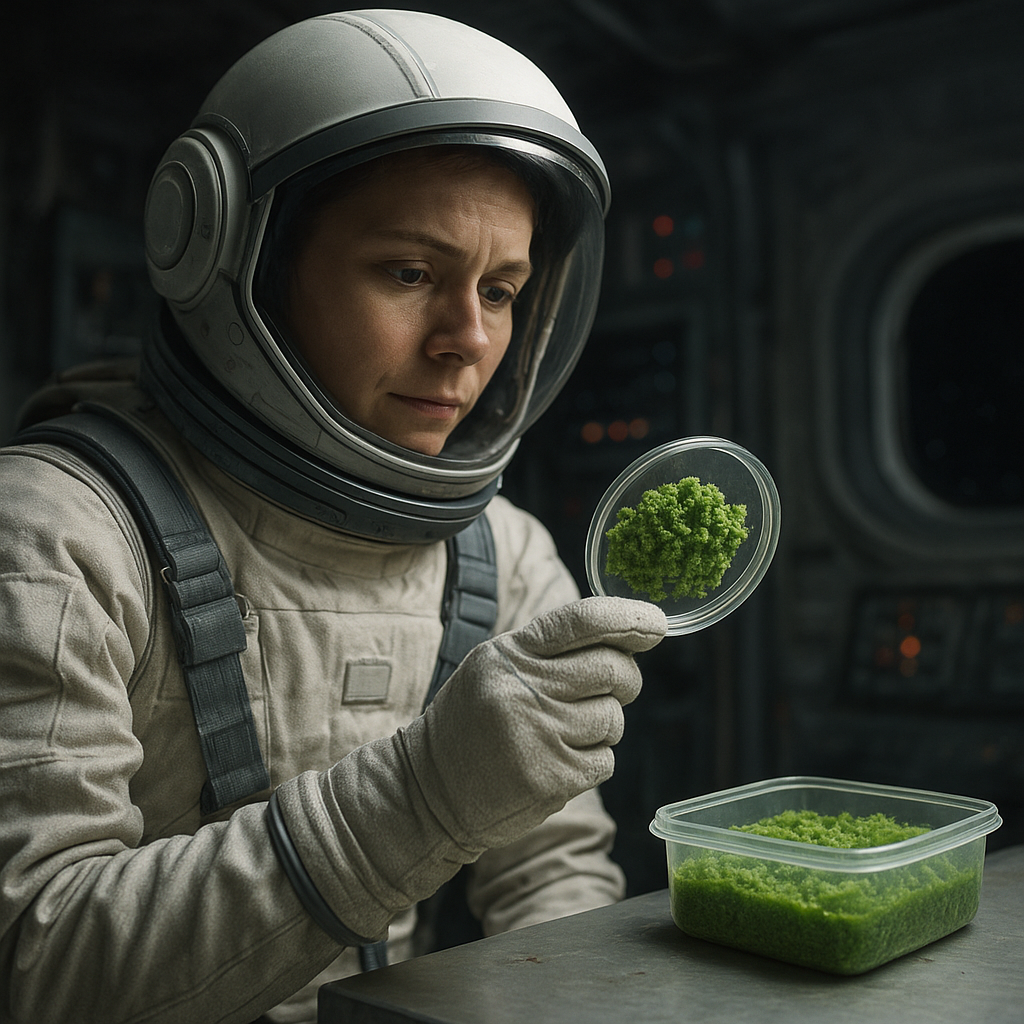
Algae offer rapid biomass generation, high nutritional value, and versatile waste processing capabilities. Photobioreactors engineered for lunar conditions can perform several tasks simultaneously:
- Fix atmospheric CO₂ into biomass rich in proteins and lipids.
- Generate oxygen to supplement the habitat’s life support.
- Remediate trace contaminants in the water cycle through biofiltration.
Different algal strains can be cultivated in parallel streams—some optimized for food supplements, others engineered for biosynthesis of pharmaceuticals or biofuels. Integrating algae reduces the metabolic burden on higher plants and diversifies the food portfolio for crew members.
Symbiotic Plant–Microbe Partnerships
Leguminous crops inoculated with nitrogen-fixing bacteria can convert atmospheric N₂ into plant-available forms, reducing the need for synthetic fertilizers. Meanwhile, fungal networks—such as mycorrhizae—enhance water and nutrient uptake, allowing roots to explore growth media more effectively. These sustainable associations increase overall productivity while aligning with circular principles.
Integration with Habitat Life Support
For a lunar base to operate autonomously, agricultural modules must seamlessly connect with environmental, waste management, and energy systems. Holistic integration yields multiple benefits:
- Waste heat from power generators warms plant chambers, cutting thermal management costs.
- Carbon dioxide exhaled by crew is captured by plants and algae, closing the gas loop.
- Biomass residues serve as feedstock for biomethanation units, producing methane for energy or propellant.
Successful prototypes on Earth—such as the European Space Agency’s MELiSSA project—demonstrate how multi-compartment ecosystems recover water, oxygen, and nutrients with high efficiency. Translating these findings to lunar conditions requires rigorous testing under simulated low-pressure and vacuum environments, but the underlying design philosophy remains consistent.
Future Perspectives for Lunar Agriculture
As agencies and private companies accelerate plans for sustained lunar presence, the development of lunar agriculture will become a strategic priority. By harnessing nutrient recycling, optimizing energy flows, and leveraging local materials, future settlers can cultivate fresh produce, improve crew well-being, and lay the groundwork for deeper space exploration.
Key research directions include:
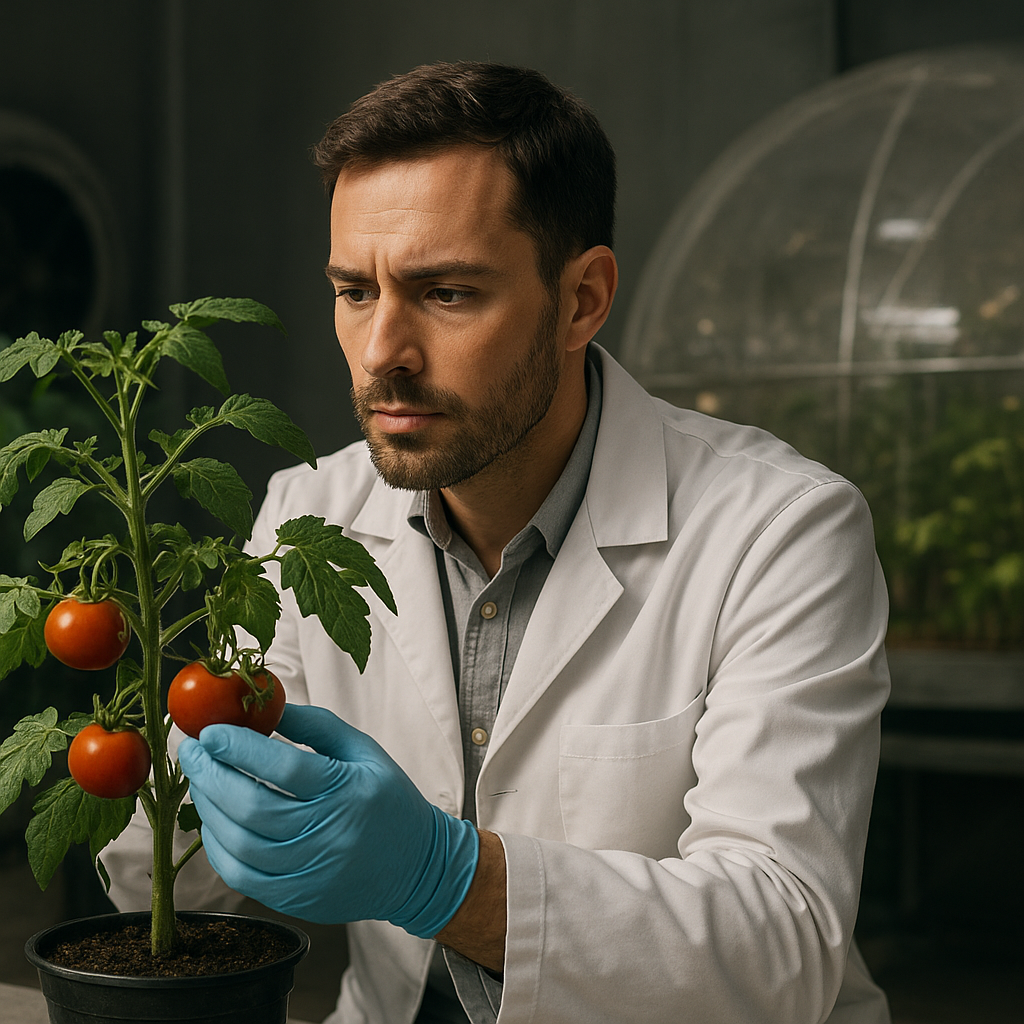
- Advanced genetic selections for crop varieties tolerant of low-light and radiation stress.
- Modular, containerized bioregenerative labs deployable via robotic landers.
- AI-driven control systems for predictive maintenance and dynamic scheduling of growth cycles.
Through collaborative efforts, the vision of an agricultural outpost on the Moon moves closer to reality—paving the way for human settlements that thrive through circular and resilient food systems.