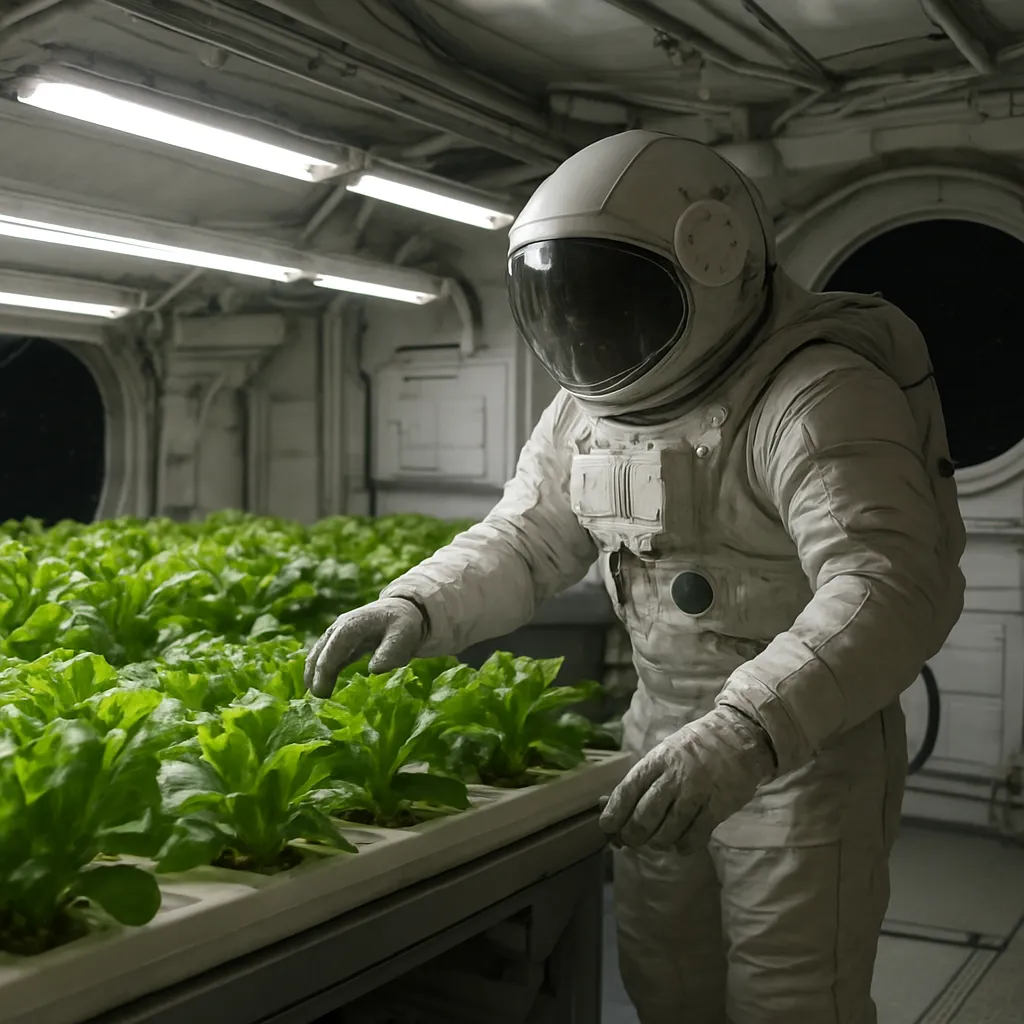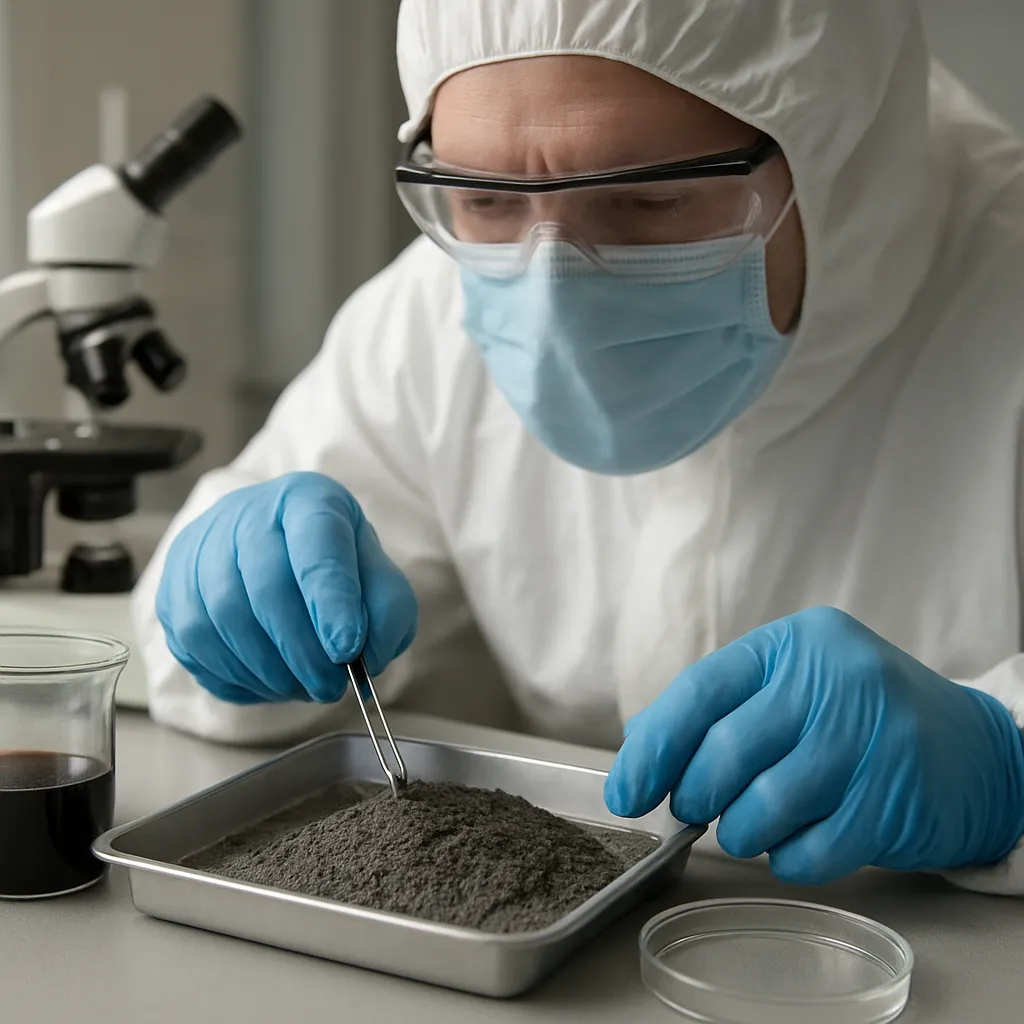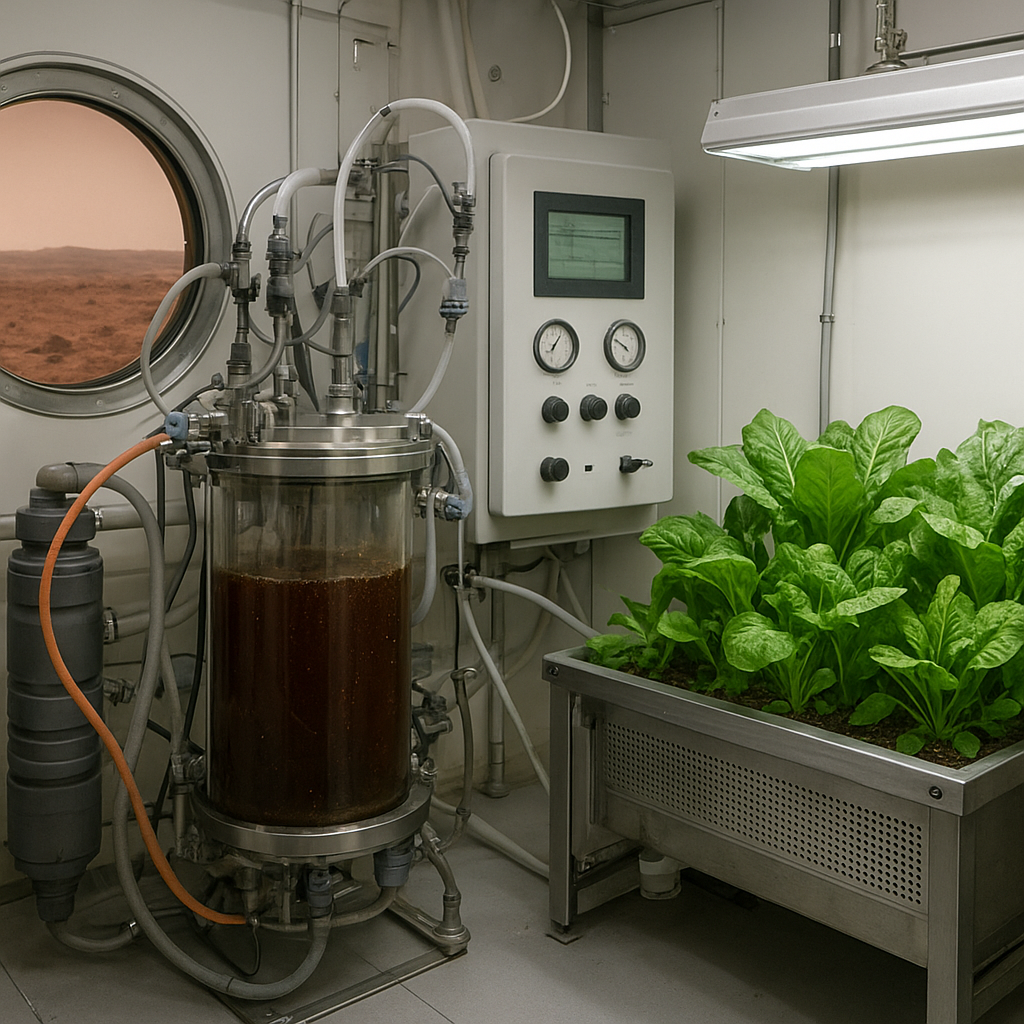
Ensuring a reliable and efficient method to recycle nutrients is crucial for supporting plant growth in the confined environments of spacecraft and extraterrestrial habitats. Closed-loop nutrient systems integrate biological, chemical, and physical processes to recover valuable elements from waste streams and deliver them back to crops, minimizing resupply needs and maximizing sustainability during long-term missions.
System Architecture and Principles
At the core of any closed-loop nutrient system lies a carefully designed framework that balances inputs and outputs. The objective is to achieve near-complete recovery of nitrogen, phosphorus, potassium, and trace elements while maintaining optimal conditions for plant photosynthesis and microbial activity. Key components include:
- Waste Collection: Solid and liquid wastes generated by crew metabolism, uneaten biomass, and plant residues are segregated for processing.
- Nutrient Recovery Unit: Biological reactors, chemical reactors, and physical filters cooperate to extract minerals from waste streams.
- Delivery Subsystem: Hydroponic or aeroponic modules supply nutrient solutions to root zones under controlled conditions.
- Monitoring and Control: Sensor arrays and automation platforms regulate pH, electrical conductivity, dissolved oxygen, and flow rates.
Designing this architecture involves applying mass-balance calculations and dynamic modeling to predict accumulation or depletion of essential ions over time. A robust bioregenerative life support system must also incorporate redundancy, fail-safe mechanisms, and scalable modules to accommodate different mission durations and crew sizes.
Key Design Principles
- Minimize external resupply by closing nutrient loops.
- Maximize resource efficiency through integrated water and energy recovery.
- Maintain chemical stability via buffering systems to prevent nutrient imbalances.
- Ensure microbial community resilience to resist perturbations.
Technological Innovations in Nutrient Recycling
Advances in engineering and biotechnology have given rise to several promising approaches for nutrient recovery and delivery. By combining decades of terrestrial wastewater treatment research with space-derived requirements, these innovations address the stringent constraints of mass, volume, and power on spacecraft.
Hydroponic and Aeroponic Cultivation
Hydroponics, the cultivation of plants in nutrient-rich solutions without soil, remains a frontrunner for space agriculture. Aeroponics further reduces water usage by misting roots with fine droplets. Core innovations include:
- Recirculating nutrient film technique (NFT) channels that use thin solution layers to optimize nutrient cycling.
- Fogponic systems that atomize nutrient solutions, increasing root oxygenation and uptake efficiency.
- Sensor-integrated trays to monitor real-time concentration gradients.
Bioregenerative Reactors
Microbial and algal bioreactors transform organic waste into plant-available nutrients. Cutting-edge systems employ:
- Photobioreactors that harness algae to fix carbon dioxide, produce oxygen, and release bioavailable nitrogen compounds.
- Bioelectrochemical systems where microbes interact with electrodes to facilitate nutrient extraction and electricity generation.
- Biological nitrification-denitrification chains to convert ammonia into nitrate with minimal chemical additives.
Advanced Filtration and Adsorption
Chemical and physical separation techniques complement biological processes. Key methods are:
- Membrane filtration to remove particulates and concentrate dissolved nutrients.
- Ion exchange resins and zeolites that selectively bind heavy metals or competing ions.
- Forward osmosis for passive water reclamation, reducing energy demands compared to reverse osmosis.
Integration of Water and Nutrient Loops
A holistic approach links water reclamation—via urine and humidity condensate processing—with nutrient recovery. This synergy enables:
- Closed water circuits that cycle from roots to transpiration capture to purification.
- Coupling microbial reactors with membrane bioreactors to simultaneously treat wastewater and generate nutrient solutions.
- Resource monitoring dashboards powered by artificial intelligence to optimize flows and detect anomalies.
Challenges and Future Perspectives
Implementing closed-loop nutrient systems for long-duration missions presents multifaceted challenges. From the microgravity environment to radiation exposure, each factor can impact system stability and reliability. Ongoing research aims to address these issues and pave the way for sustainable extraterrestrial farming.
Effects of Microgravity on Fluid Dynamics
In the absence of gravity-driven convection, nutrient solutions and gases behave differently. Microgravity can lead to:
- Poor fluid distribution in root zones, affecting root–solution contact.
- Bubble formation that hinders mass transfer.
- Challenges in mixing and homogenization, requiring specialized mixers or capillary flow designs.
Radiation and Its Impact on Biological Components
Cosmic rays and solar particle events can damage cellular structures in plants and microbes. Mitigation strategies include:
- Shielding reactors within regolith-covered habitats or water tanks.
- Selecting radiation-resistant strains of algae and bacteria for bioreactors.
- Implementing real-time radiation monitoring to adjust growth schedules.
Automation and Remote Operation
Long-term missions demand minimal crew intervention. Critical developments focus on:
- Automated sampling units for periodic nutrient analysis.
- Adaptive control algorithms that react to sensor data and maintain homeostasis.
- Remote diagnostics and software updates from Earth-based mission control.
Scaling Up and Modular Deployment
To support larger crews or production of diverse crops, modular designs are essential. Future systems will emphasize:
- Plug-and-play modules for processing different waste streams (urine, greywater, solid biomass).
- Expandable cultivation racks that can be reconfigured for leafy greens, tubers, or legumes.
- Standardized interfaces for power, data, and fluid connections across modules.
Pathways to Mars and Beyond
As mission planners set sights on Mars and deep-space outposts, closed-loop nutrient systems will be a cornerstone of life support. Integration with habitat design, energy budgets, and crew schedules will evolve to achieve true self-sufficiency. Collaborative efforts between space agencies, academic institutions, and private enterprises are critical to accelerate technology maturation and conduct in situ demonstrations on the Moon and aboard orbital platforms.
Concluding Remarks
Advancing closed-loop nutrient cycles not only addresses the critical needs of space agriculture but also offers innovations transferrable to Earth-based applications—urban farming, wastewater management, and circular economy initiatives. By pushing the boundaries of resource recovery under extreme constraints, we move closer to realizing a future where humans thrive both on our planet and beyond.