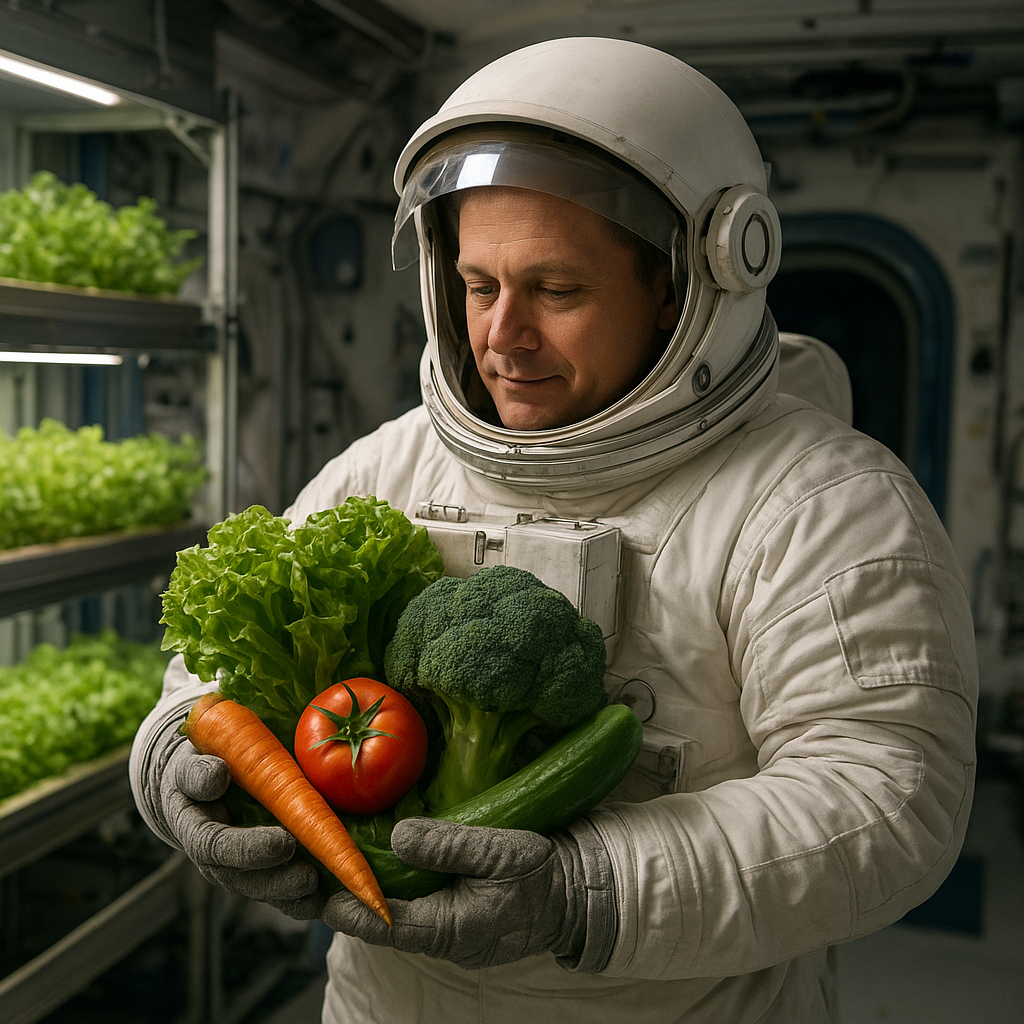
Cultivating a variety of crops aboard spacecraft and extraterrestrial habitats presents a transformative approach to supporting human life beyond Earth. By integrating advanced agricultural systems, researchers aim to address both the physical health and mental well-being of astronauts on long-duration missions. This article explores the critical role of crop assortment in space agriculture, emphasizing its impact on nutritional completeness, emotional stability, and the development of resilient life support infrastructures.
Harnessing Crop Diversity in Microgravity Environments
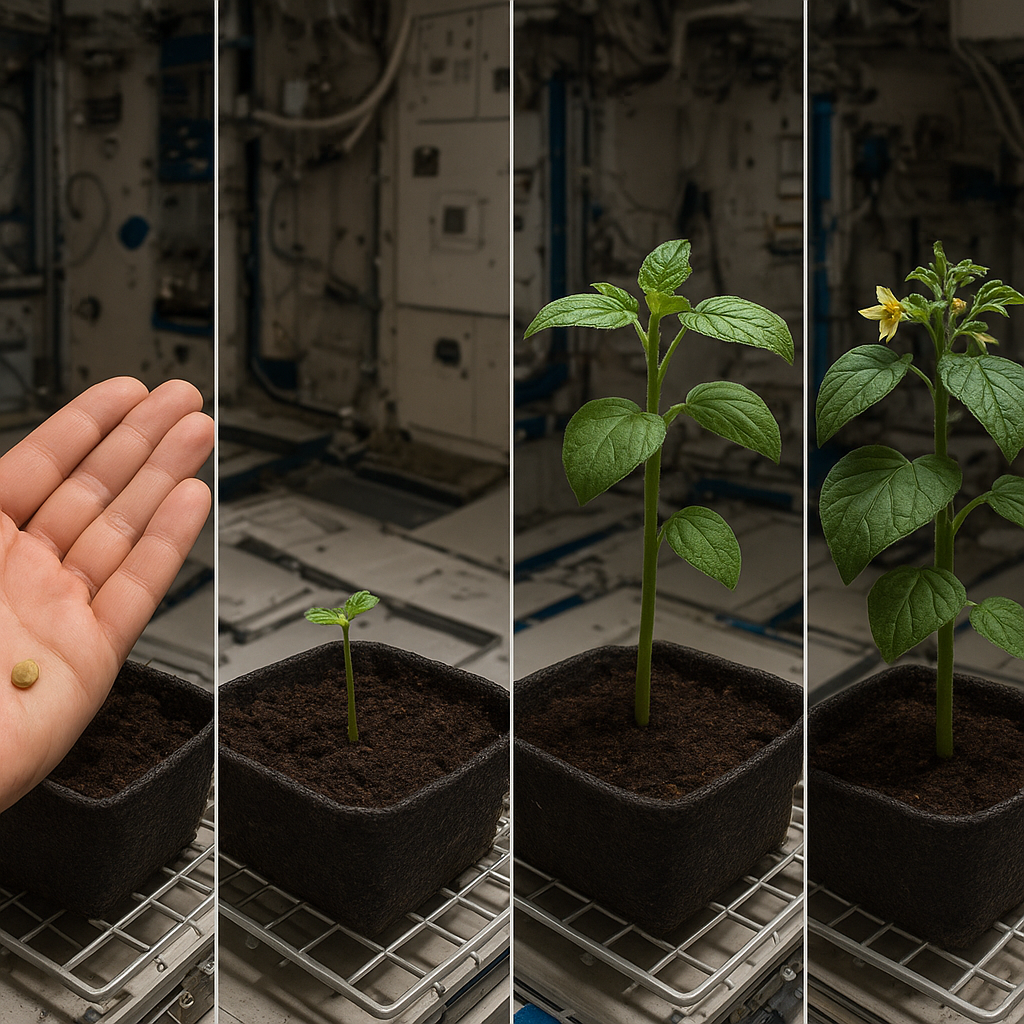
Growing plants in a microgravity setting challenges conventional farming methods. Without the familiar pull of gravity, root architecture, water transport, and nutrient uptake behave differently. Scientists have introduced specialized growth chambers and hydroponic arrays that regulate fluid dynamics, ensuring seeds germinate and develop healthy shoots. Crop diversity within these systems is crucial:
- Leafy greens such as lettuce and kale adapt quickly to controlled lighting, offering rapid biomass turnover.
- Leguminous plants like beans and peas fix atmospheric nitrogen, reducing the need for chemical fertilizers.
- Herbs including basil, mint, and dill thrive under LED spectrums, providing aromatic compounds that uplift mood.
- Root vegetables—radishes and carrots—demonstrate robust yields in medium-depth trays, contributing to textural variety in meals.
Experimental modules aboard the International Space Station (ISS) have validated that strategic rotation of plant varieties curbs pathogen buildup in closed-loop cultivation zones. Furthermore, planting multiple species simultaneously fosters ecological stability by mimicking terrestrial agroecosystems, thereby enhancing overall system resilience.
Optimizing Nutritional Value for Astronaut Health
Extended missions to Mars or lunar bases demand diets that go beyond pre-packaged rations. Fresh produce supplies essential vitamins, minerals, and phytochemicals absent from dehydrated meals. By diversifying crop selections, spacefarers can achieve balanced macronutrient intake and harness potent micronutrient profiles:
- Spinach and Swiss chard are rich in iron and calcium, combating space-induced bone density loss.
- Tomatoes and peppers deliver vitamin C and lycopene, bolstering immune function.
- Strawberries and blueberries contribute antioxidants that mitigate oxidative stress from cosmic radiation.
- Edible flowers such as nasturtiums and marigolds introduce carotenoids and flavonoids, diversifying antioxidant compounds.
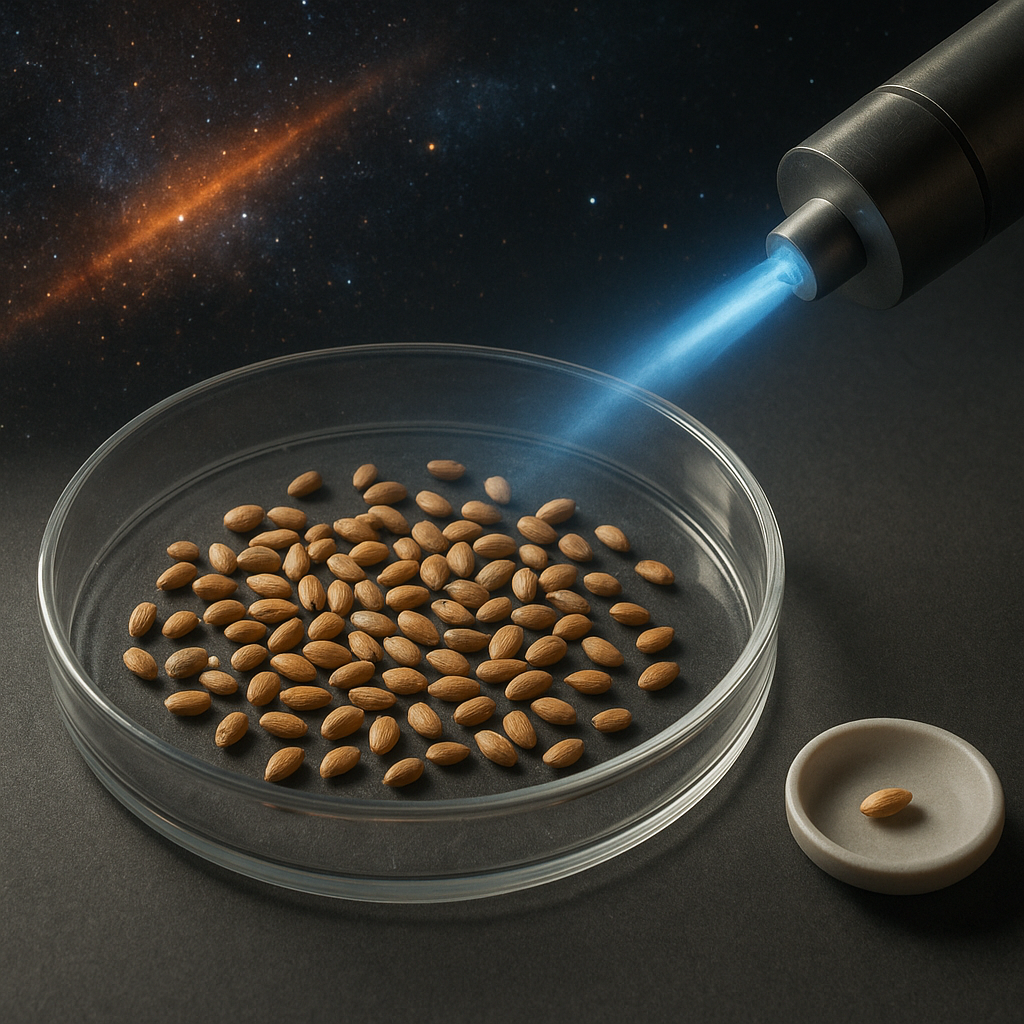
Advances in genetic selection and tailored light regimens maximize phytonutrient synthesis, ensuring that each harvest meets stringent nutritional requirements. Continuous monitoring of crop phenotypes helps mission planners optimize cultivar portfolios over time, adapting to crew preferences and physiological data.
Psychological and Social Benefits of Spacefarming
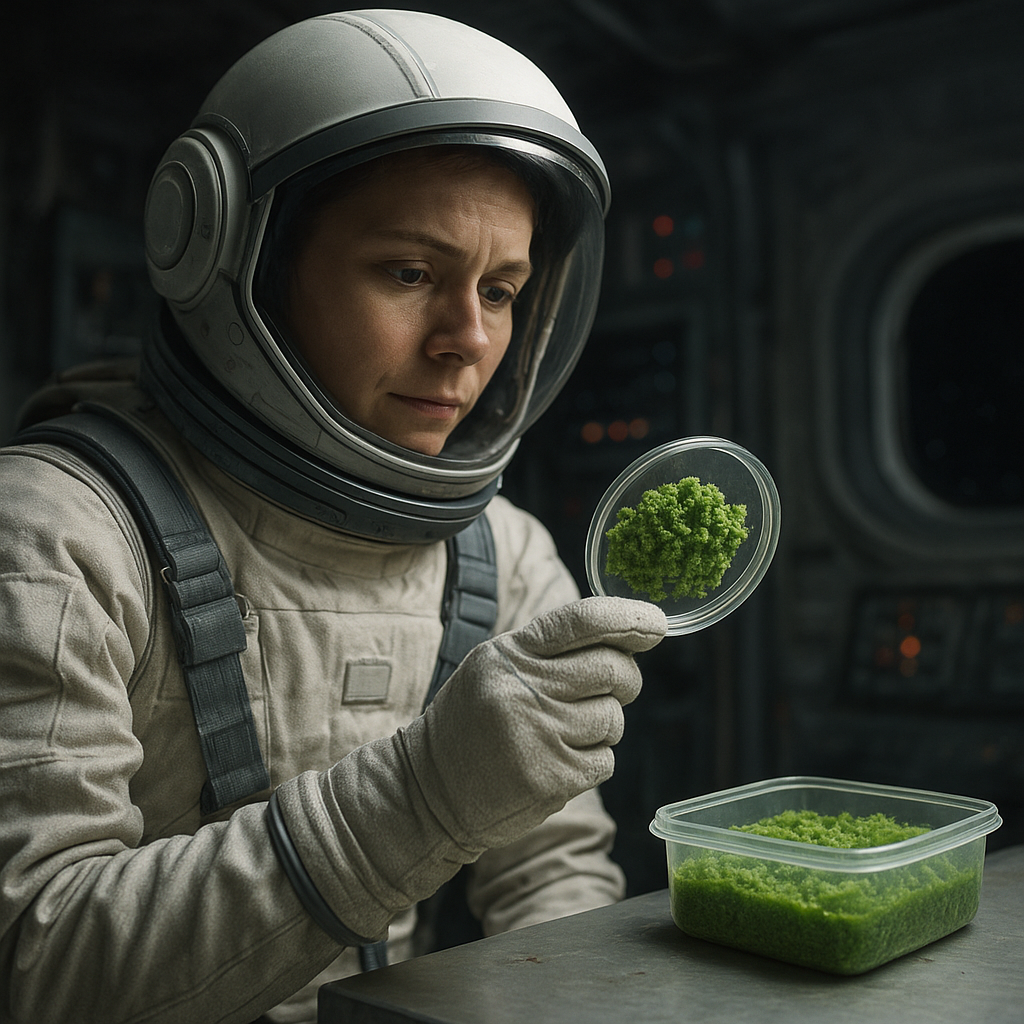
Beyond sustenance, cultivating plants nurtures the human psyche. Engaging with greenery counteracts sensory deprivation aboard sterile spacecraft interiors. Regular involvement in planting, pruning, and harvesting provides meaningful tasks, fostering a sense of purpose and community cohesion.
Emotional Support through Horticultural Interaction
Gardening routines establish daily rhythms that mirror Earth-based activities. The tactile experience of handling soil substitutes—selected hydroponic substrates or aeroponic mists—creates a tangible bond with living organisms. Crew members often report reduced anxiety and improved mood states, highlighting the psychological dimension of multispecies cultivation.
- Collaborative garden tasks strengthen teamwork and cross-cultural communication among international crews.
- Visual greenery, color variation, and scent profiles from aromatic plants relax the autonomic nervous system, lowering stress markers.
- Consumption of freshly harvested salads or herb-infused teas provides immediate sensory rewards, promoting culinary creativity in limited galley spaces.
Long-term habitation contexts—such as lunar outposts—will benefit from green zones that serve both as communal meeting points and as living laboratories for ongoing agricultural research.
Advances in Bioregenerative Life Support Systems
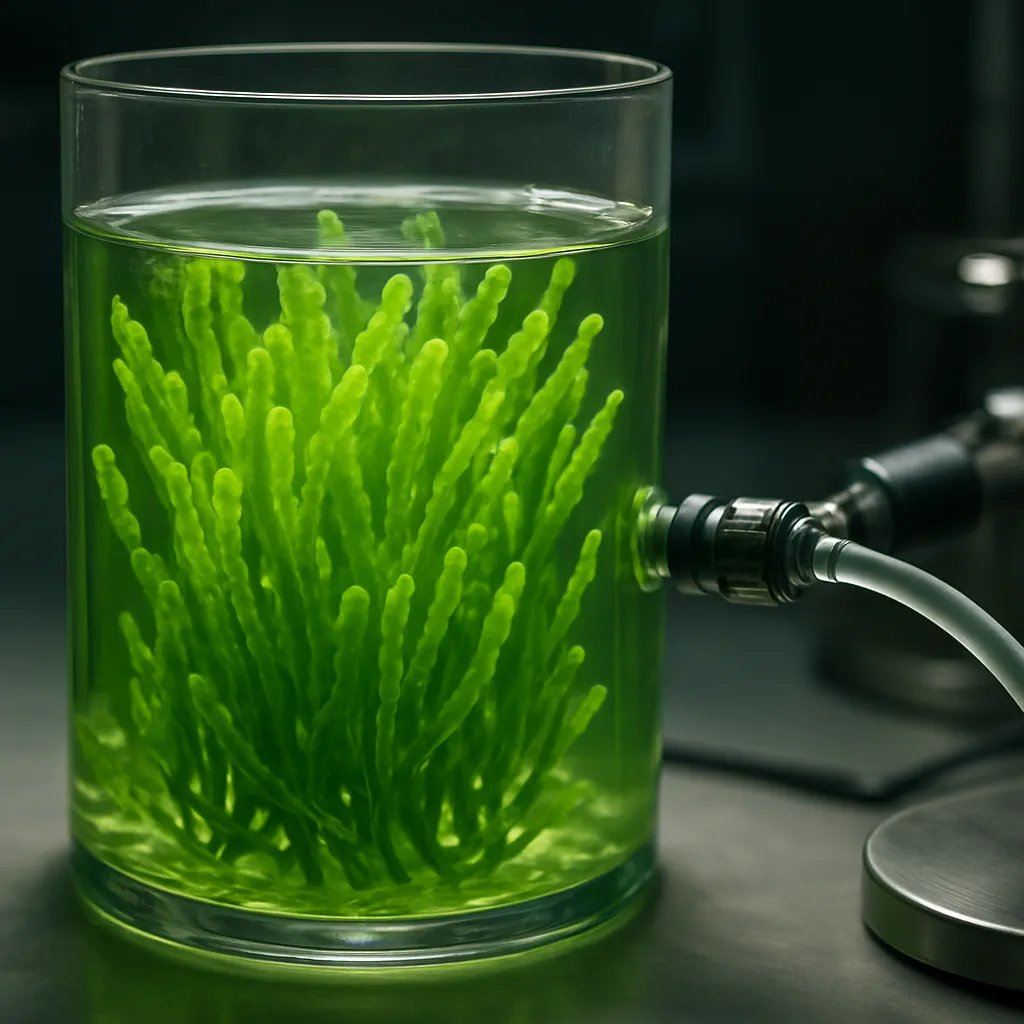
Integrating plant cultivation with environmental control and waste recycling forms the core of a bioregenerative life support architecture. By processing carbon dioxide exhaled by crew members, crops regenerate breathable oxygen and purify water through transpiration cycles. Emerging prototypes employ modular photobioreactor units, where microalgae and vascular plants operate in tandem, enhancing system efficiency.
Key technological innovations include:
- Closed-loop hydroponic networks that reclaim up to 90% of irrigation water, crucial for off-world settings.
- Automated sensor arrays measuring pH, nutrient concentration, and light intensity, enabling precise adjustments via software controls.
- Robotic maintenance arms capable of delicate pruning and harvesting maneuvers, reducing crew workload.
- AI-driven growth modeling that predicts yield fluctuations and suggests planting schedules aligned with mission timelines.
Through these enhancements, future spacecraft and habitats will achieve higher degrees of sustainability, minimizing resupply demands and fostering long-term human presence on Mars, the Moon, or orbital stations.
Future Directions and Research Priorities
As humanity prepares for multi-year exploration ventures, research must refine protocols for cultivar selection, waste valorization, and integrated habitat design. Prioritizing crop matrix experiments under varied gravity levels—partial gravity on the Moon versus Martian gravity—will illuminate physiological adaptations needed for plant success. Collaborative efforts between space agencies, academic institutions, and commercial entities will accelerate innovation in controlled environment agriculture.
Ultimately, the convergence of agronomy, bioengineering, and behavioral science will unlock the full potential of off-Earth farming. By embracing spacefarming as a multidimensional tool for physical nourishment and mental fortitude, we pave the way for resilient human ecosystems that thrive among the stars.