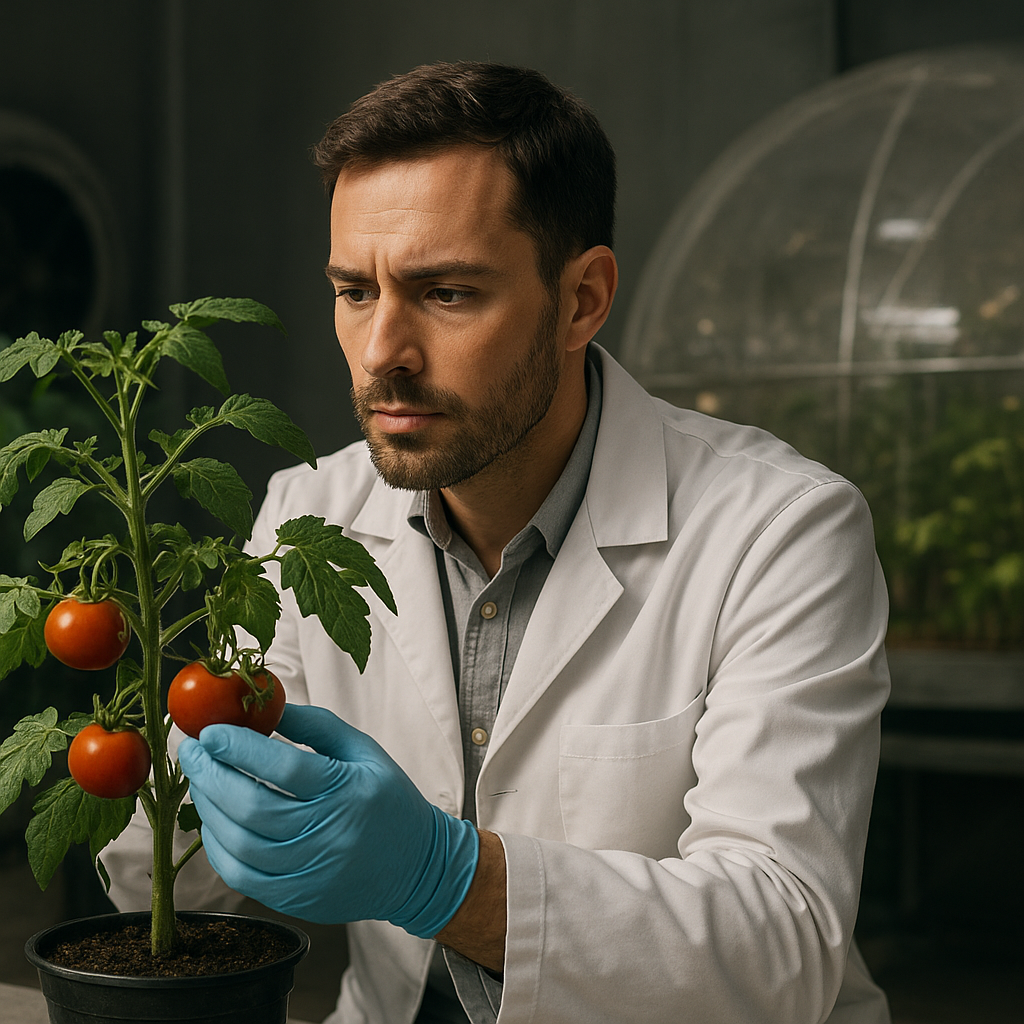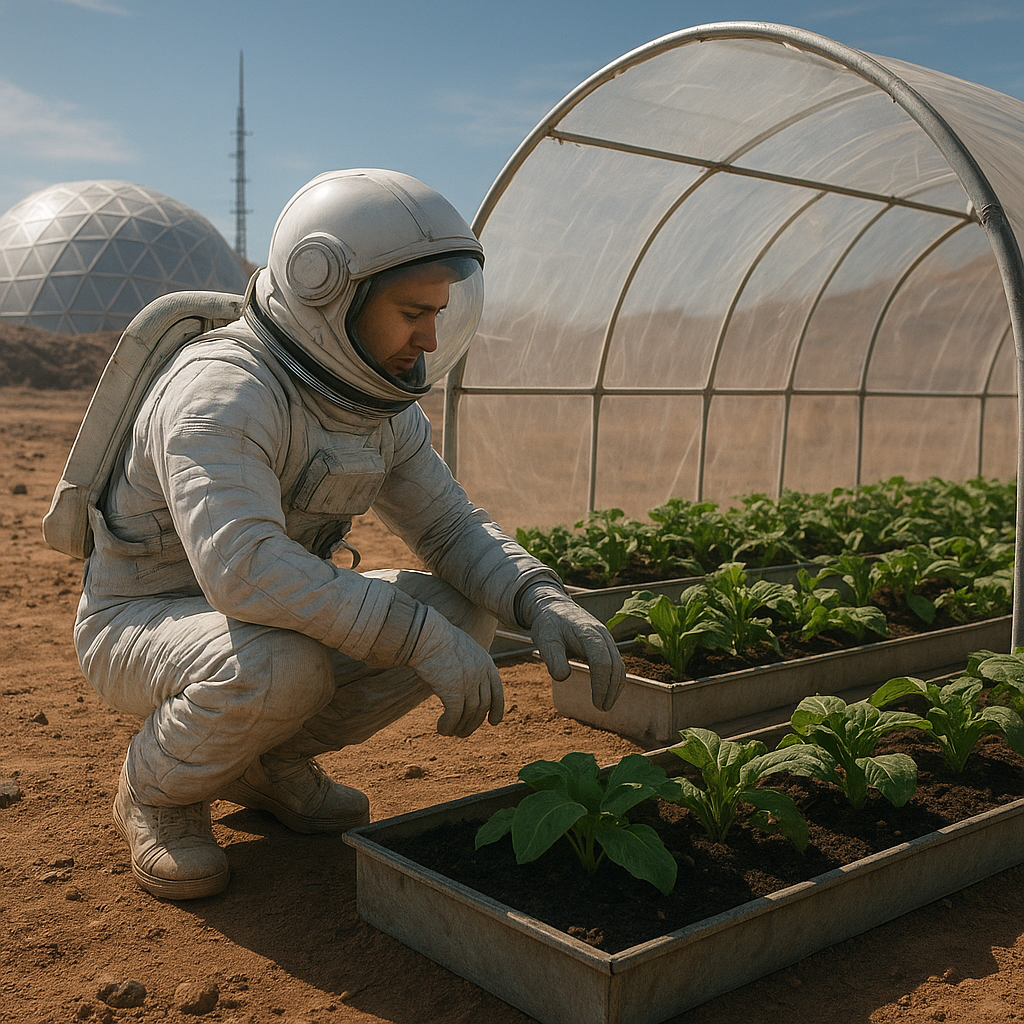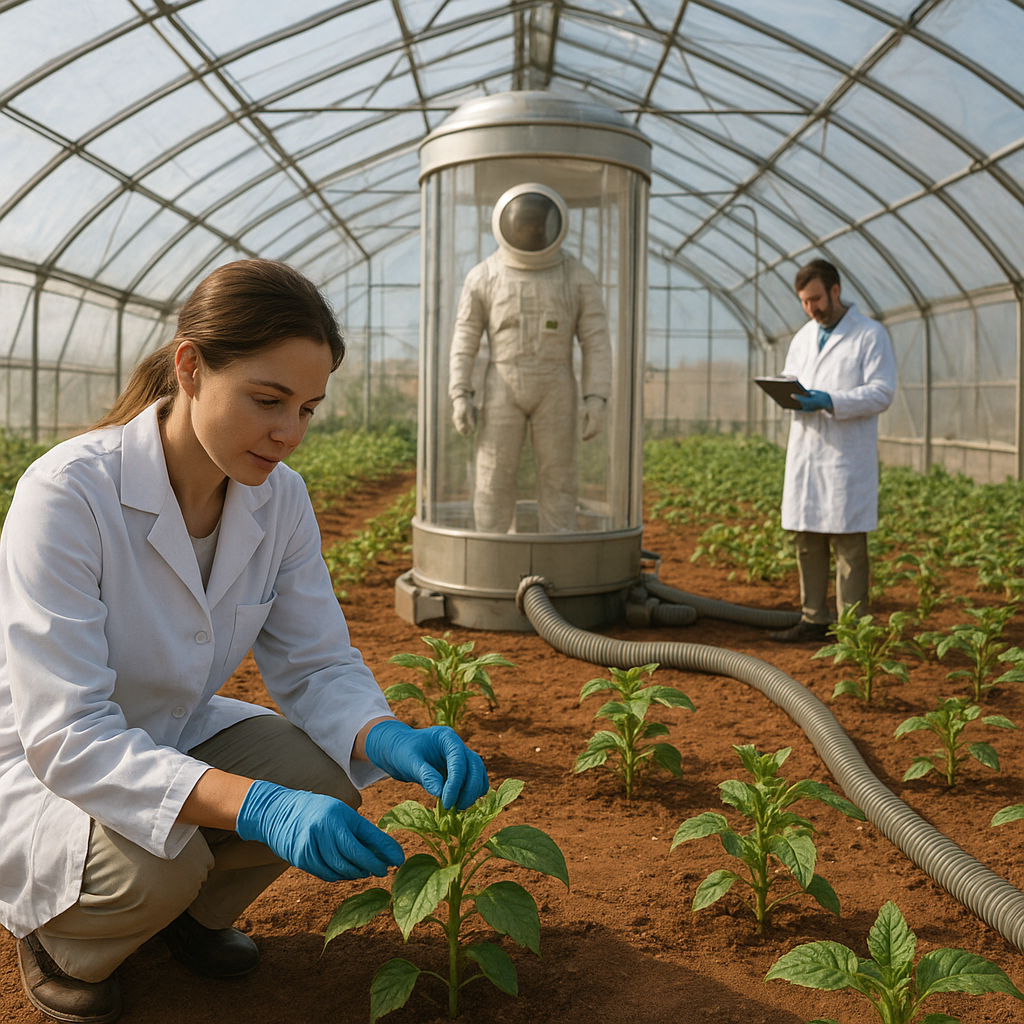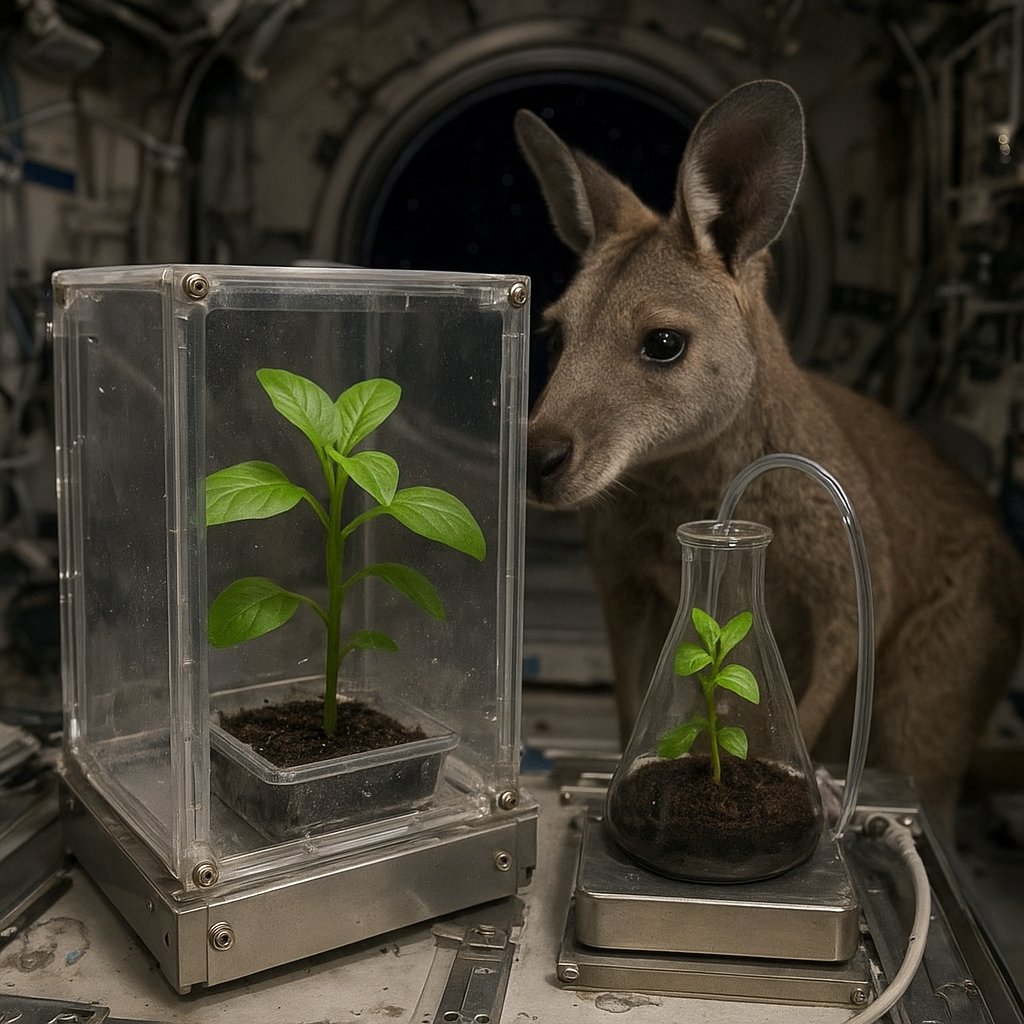
The following exploration delves into **cross-species** plant experiments conducted in the challenging environment of space. Researchers aim to understand how distinct plant varieties react under conditions such as **microgravity**, enhanced levels of **radiation**, and limited resources. This work not only expands our knowledge of fundamental **botany** but also paves the way for sustainable **space agriculture** and long-duration missions to the Moon, Mars, and beyond.
Plant Growth Dynamics under Microgravity
One of the most striking differences in orbital cultivation arises from the absence of Earth’s **gravitational pull**. Onboard the International Space Station (ISS), various species—including Arabidopsis thaliana, wheat, lettuce, and even tomato—are grown in specialized chambers to observe root orientation, stem elongation, and nutrient transport. Under standard Earth gravity, roots display positive **gravitropism**, orienting downward to seek water and minerals. In microgravity, however, roots adopt a more random pattern, prompting scientists to study the underlying hormonal cues, especially the role of **auxin** and **cytokinin** distribution.
Root-Zone Behavior and Water Management
- Without gravity, water forms floating globules that can suffocate roots. Advanced systems like the **VEGGIE** and **Advanced Plant Habitat** utilize capillary mats and porous substrates to ensure even moisture distribution.
- Researchers track fluid dynamics via high-resolution cameras and fluorescent tracers, analyzing how roots adapt their architecture to chase nutrient-rich microchannels.
- Findings indicate that certain species develop thicker root hairs, enhancing surface area for absorption under **hydroponic** conditions.
Stem and Leaf Responses
In addition to root phenomena, stems exhibit altered phototropic reactions. Without the usual “downward” reference, stems rely heavily on directional light cues provided by arrays of **LED lighting**. Experiments compare red-blue light ratios to optimize **photosynthesis** efficiency. Lettuce grown under a 4:1 red-to-blue spectrum showed a 20% increase in leaf mass compared to control conditions, highlighting the significance of precise spectral tuning.
Genomic and Epigenetic Adaptations
Cross-species analysis enables identification of common and unique genetic pathways activated by space stressors. High-throughput sequencing of leaf tissue from tomato, mustard, and pea has revealed upregulation of **heat-shock proteins** and DNA repair enzymes, reflecting heightened **radiation** exposure. Comparative transcriptomics across species helps pinpoint universal stress-response genes that could be targets for future **bioengineering**.
Epigenetic Markers and Transgenerational Effects
- Researchers have documented DNA methylation changes in Arabidopsis after several growth cycles in space, suggesting potential heritable shifts in gene expression.
- Cross-breeding experiments pair space-exposed lines with Earth controls, assessing progeny for improved stress tolerance and growth rates.
- Early results show certain epigenetic modifications persist after relocation back to Earth’s gravity, hinting at stable, beneficial traits for terrestrial agriculture.
CRISPR and Synthetic Approaches
By identifying key regulatory genes, scientists employ **CRISPR-Cas9** tools to edit candidate loci in multiple species. Goals include bolstering antioxidant pathways, enhancing **nutrient uptake**, and improving root adhesion in low-shear environments. Synthetic biology circuits—introduced via viral vectors—enable real-time monitoring of internal sugar levels, root respiration, and oxidative stress, feeding data to onboard computers for automated adjustments to lighting and nutrient delivery.
Technological Innovations for Spacefarms
Developing robust **spacefarm** modules demands integration of hardware and biological insights. Engineers design modular containers that support simultaneous cultivation of monocultures and mixed-species assemblages, fostering potential symbiotic relationships, such as legumes fixing atmospheric nitrogen for companion cereals.
Closed-Loop Life Support Systems
- Wastewater from crew consumption is treated and recycled as nutrient solutions, reducing terrestrial resupply needs.
- Algal bioreactors operate alongside plant chambers, capturing CO₂ and generating oxygen while producing edible biomass rich in proteins and lipids.
- Multi-trophic integration experiments aim to couple insect colonies—like mealworms and silkworms—with plant modules, creating a micro-ecosystem that recycles organic matter.
Automation and AI Monitoring
Autonomous sensors track pH, electrical conductivity, and microbial populations in real time. Machine learning algorithms predict plant health trends and adjust environmental parameters proactively. Such AI-driven systems are crucial for deep-space missions where communication delays preclude immediate ground intervention.
Future Directions and Interplanetary Agriculture
As humanity prepares for extended stays on the lunar surface and Martian settlements, cross-species data become invaluable. Targeted experiments will explore hardy crops—such as quinoa and millet—selected for resilience to low-pressure atmospheres and dust-laden conditions. Researchers plan to deploy regolith-based substrates enriched with microbial consortia to mimic Earth’s soil biota, testing plant performance under reduced **atmospheric pressure**.
International Collaboration and Standardization
- Joint missions by NASA, ESA, JAXA, and private entities promote standardized protocols for seed preparation, data sharing, and environmental control.
- Global databases catalog phenotype and genotype data for dozens of species grown in orbit and on the Moon’s analog sites.
- Efforts to harmonize chamber designs and measurement techniques ensure comparability and reproducibility across research centers.
Implications for Earth Agriculture
Lessons learned in space bioreactors directly benefit terrestrial farming, especially in arid and resource-limited regions. **Precision agriculture** tools—developed for orbital use—are adapted to optimize water use efficiency, nutrient cycling, and pest management on Earth. Cross-species engineering breakthroughs may yield drought-resistant and high-yield cultivars, showcasing how space-driven innovation fosters global food security.