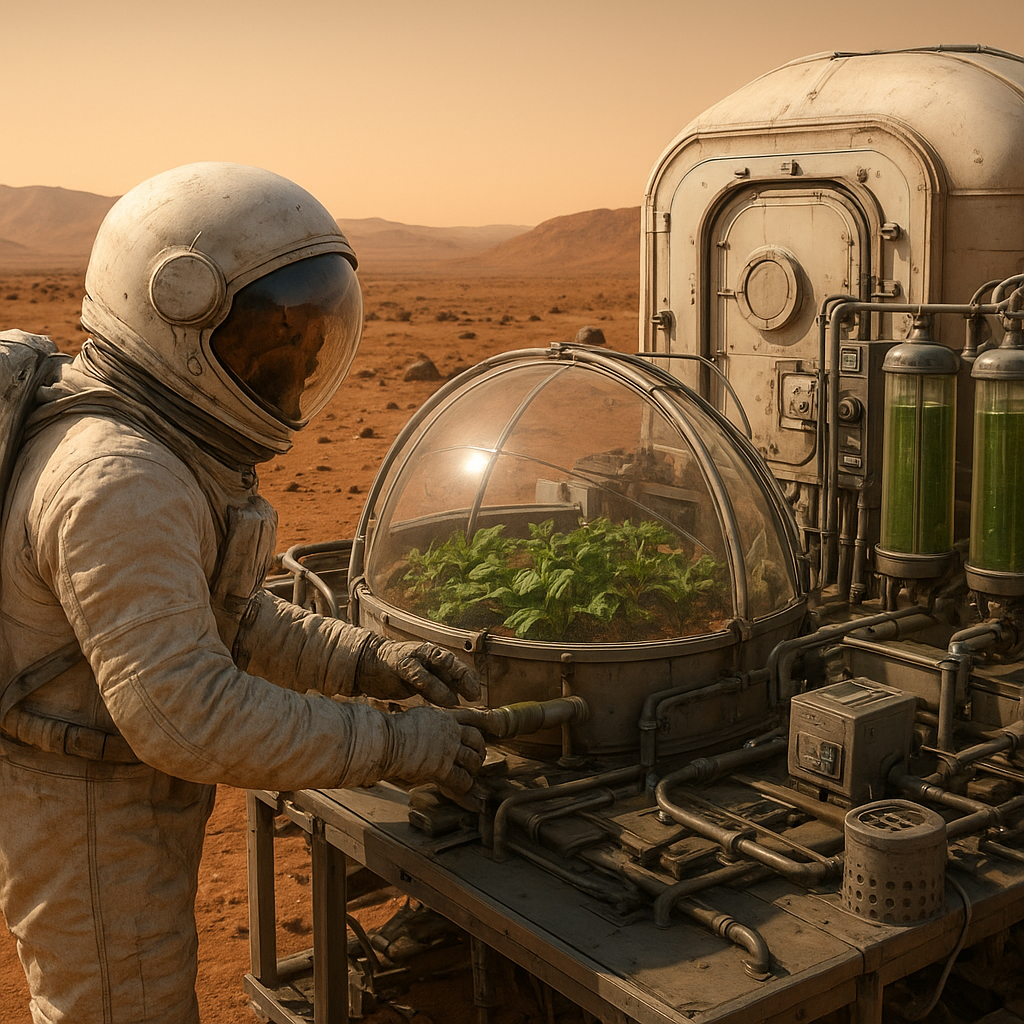
The endeavor to cultivate life on Mars demands innovative approaches to resource management and biological sustainability. Designing a closed-loop ecosystem for Mars habitats involves integrating advanced agricultural methodologies with cutting-edge biotechnological solutions. By harnessing principles of photosynthesis, water reclamation, and nutrient cycling, researchers aim to create resilient systems that can thrive under harsh Martian conditions. This article explores key components—from hydroponic growth chambers to microbial bioreactor units—and discusses the challenges and breakthroughs shaping the future of space agriculture.
Closed-Loop Ecosystem Principles
Establishing a reliable ecosystem on Mars requires replicating Earth’s natural cycles within an enclosed environment. A closed-loop system minimizes reliance on Earth-supplied resources by continuously recycling air, water, and nutrients. Core principles include:
- Gas Exchange: Plants absorb carbon dioxide exhaled by crew members and release oxygen, maintaining breathable air.
- Water Reclamation: Greywater and condensate are purified through filtration and distillation, then reused for irrigation and personal consumption.
- Nutrient Cycling: Organic waste and plant residues are processed via composting or specialized microbial reactors to regenerate essential minerals.
By integrating these loops, mission architects can reduce payload mass and extend mission durations. The synergy of biological processes is crucial for creating a sustainable habitat capable of long-term human occupation.
Agricultural Systems for Martian Growth
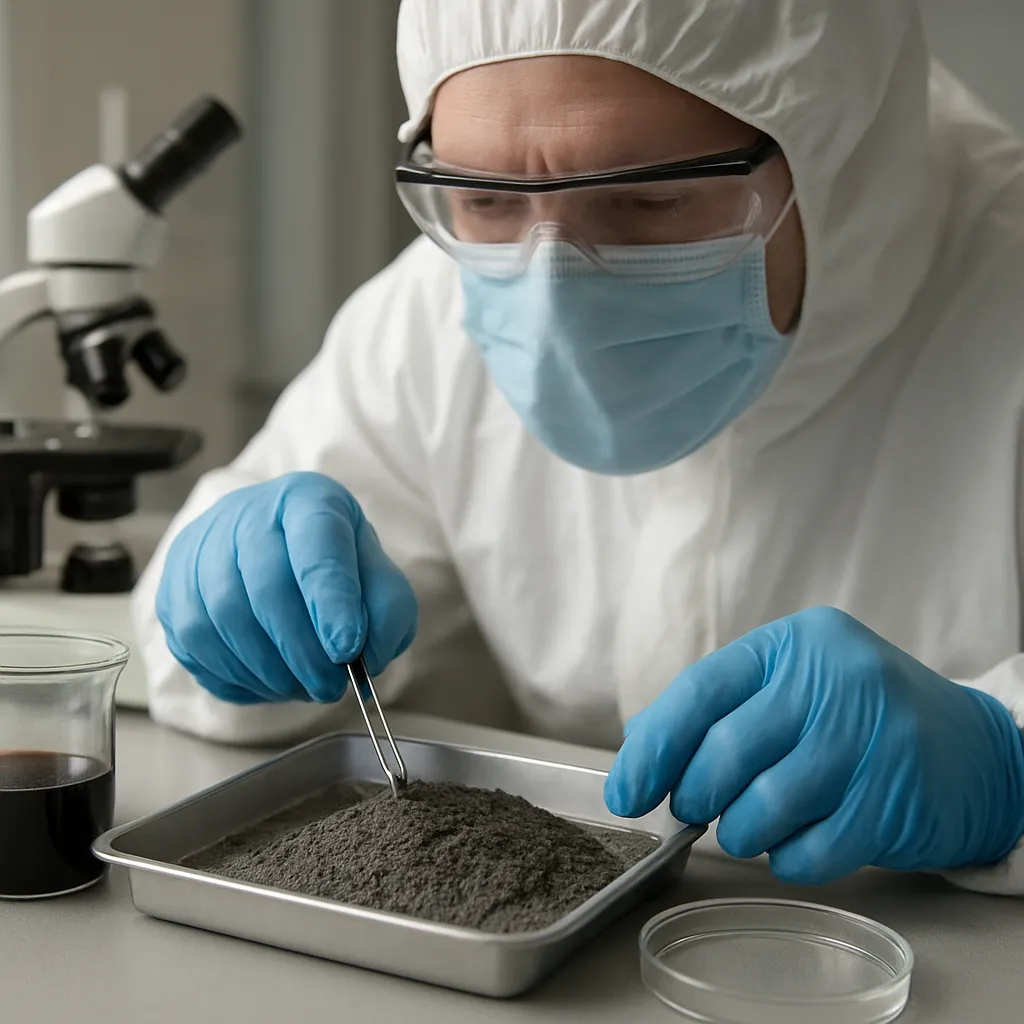
Traditional soil-based farming is impractical on Mars due to the sterile, perchlorate-laden regolith. Instead, two primary approaches have emerged:
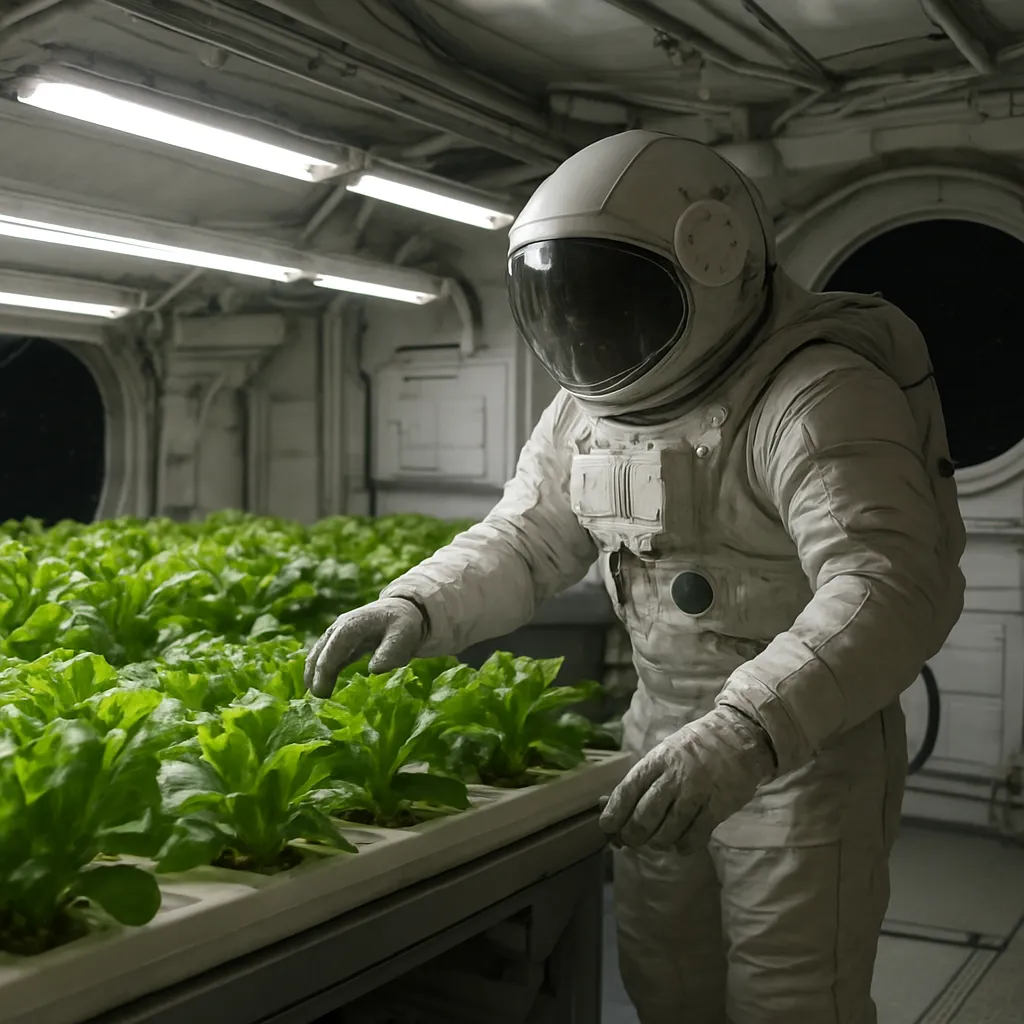
- Hydroponics: Cultivating plants in nutrient-rich water solutions eliminates the need for soil. The roots are supported by inert media such as perlite or rockwool, while precise control over nutrient delivery enhances growth rates.
- Aeroponics: This soil-less method suspends roots in air and periodically mists them with a fine nutrient solution. Aeroponics offers superior oxygenation and water efficiency but requires sophisticated misting systems.
The selection between hydroponic and aeroponic systems depends on habitat design constraints, energy availability, and desired crop yields. Both methods are being tested in analog environments on Earth, including polar research stations and high-altitude greenhouses.
Crop Selection and Genetic Optimization
Producing a balanced diet involves choosing crops that are fast-growing, nutrient-dense, and adaptable to controlled environments. Key candidates include:
- Lettuce, spinach, and kale for leafy greens rich in vitamins.
- Tomatoes and peppers for antioxidants and variety.
- Grains such as wheat and barley, potentially modified for compact growth and short life cycles.
Advanced genetic tools enable researchers to enhance traits like drought tolerance, improved sustainability, and reduced resource consumption. Gene editing and selective breeding aim to develop plant varieties optimized for Martian agriculture.
Resource Recycling and Management
Efficient resource use is paramount in a closed environment where resupply missions are costly and infrequent. Key strategies include:
- Greywater Treatment: Multi-stage filters and UV sterilization convert wastewater into clean water for irrigation.
- Food Waste Processing: Bioconverters, including worm composters and microbial digesters, transform organic leftovers into fertilizer and growth substrates.
- Atmospheric Control: CO₂ scrubbers and O₂ regenerators maintain air quality, complemented by plant-driven gas exchange.
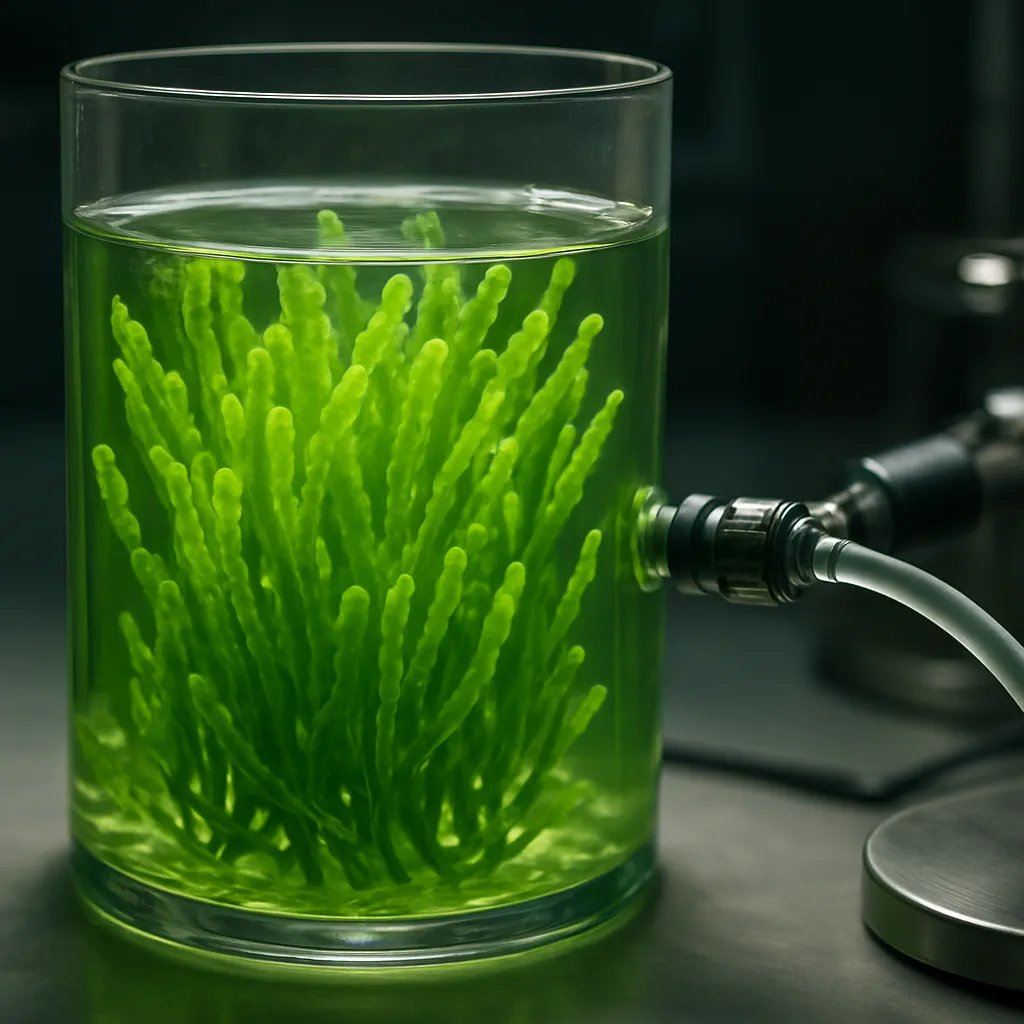
Modeling studies highlight that incorporating a dedicated bioreactor unit for algae cultivation can simultaneously boost oxygen production and supplement the diet with high-protein biomass.
Biotechnological Innovations
Advances in biotechnology are reshaping the landscape of space agriculture:
- Engineered microbial consortia capable of converting Martian regolith into plant-friendly substrates.
- Synthetic biology platforms for on-demand synthesis of pharmaceuticals, vitamins, and amino acids.
- Automated monitoring systems integrating AI-based sensors to adjust environmental parameters in real time.
These technologies converge to form an intelligent habitat where growth chambers self-regulate based on sensor feedback, minimizing human intervention and optimizing yield.
Algae and Cyanobacteria Systems
Algae and cyanobacteria are attractive due to their rapid growth and versatility. They can:
- Produce oxygen and fix atmospheric CO₂ efficiently.
- Serve as protein-rich food supplements or feedstock for animal husbandry.
- Be processed into biofuels to power habitat systems.
Integrating algae ponds or photobioreactors within the closed-loop design can significantly enhance overall system performance and redundancy.
Challenges and Future Directions
While progress has been remarkable, significant hurdles remain:
- Radiation Exposure: High-energy cosmic rays can damage biological tissues and genetic material, necessitating robust shielding.
- Low Gravity Effects: Reduced gravity alters fluid dynamics and plant physiology, impacting nutrient uptake and root development.
- Perchlorate Contamination: Martian soil contains toxic salts that require thorough removal before use in any substrate blend.
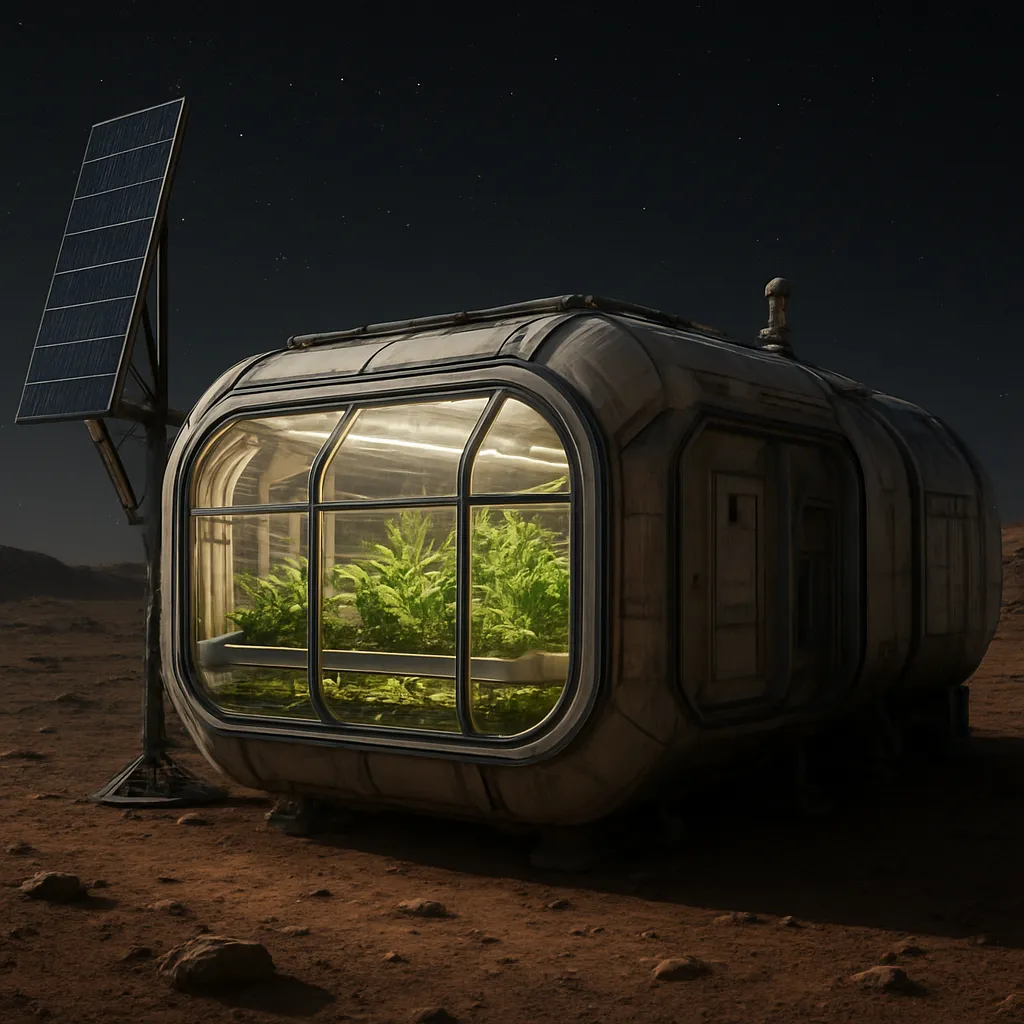
Ongoing research in analog habitats, such as the Mars Desert Research Station and international space agencies’ test modules, continues to refine designs. Future missions will likely employ modular greenhouses, robotic caretakers, and advanced AI to guide ecosystem management.
International Collaboration and Roadmap
Global partnerships are essential for sharing data, standardizing protocols, and pooling resources. The roadmap to a Mars agricultural facility includes:
- Short-duration tests aboard the International Space Station.
- Deployment of pilot greenhouses in lunar orbit or on the Moon’s surface.
- Scaled-up demonstration missions to Mars orbit and eventual surface trials.
Through coordinated efforts, the dream of a self-sustaining Martian settlement draws nearer, driven by innovation in recycling, bioreactor design, and ecosystem integration.