The concept of growing crops aboard spacecraft has evolved from theoretical studies to practical prototypes, aiming to support long-duration missions with an **self-sufficient**, closed-loop agricultural system. Designing **modular farming units** addresses unique challenges posed by confined spaces, resource limitations, and the absence of Earth’s natural environment. This article delves into architectural frameworks, environmental control strategies, and operational approaches that advance the viability of cultivating plants in orbit.
Architectural Framework for Modular Farming Units
Defining Spatial Layout and Structure
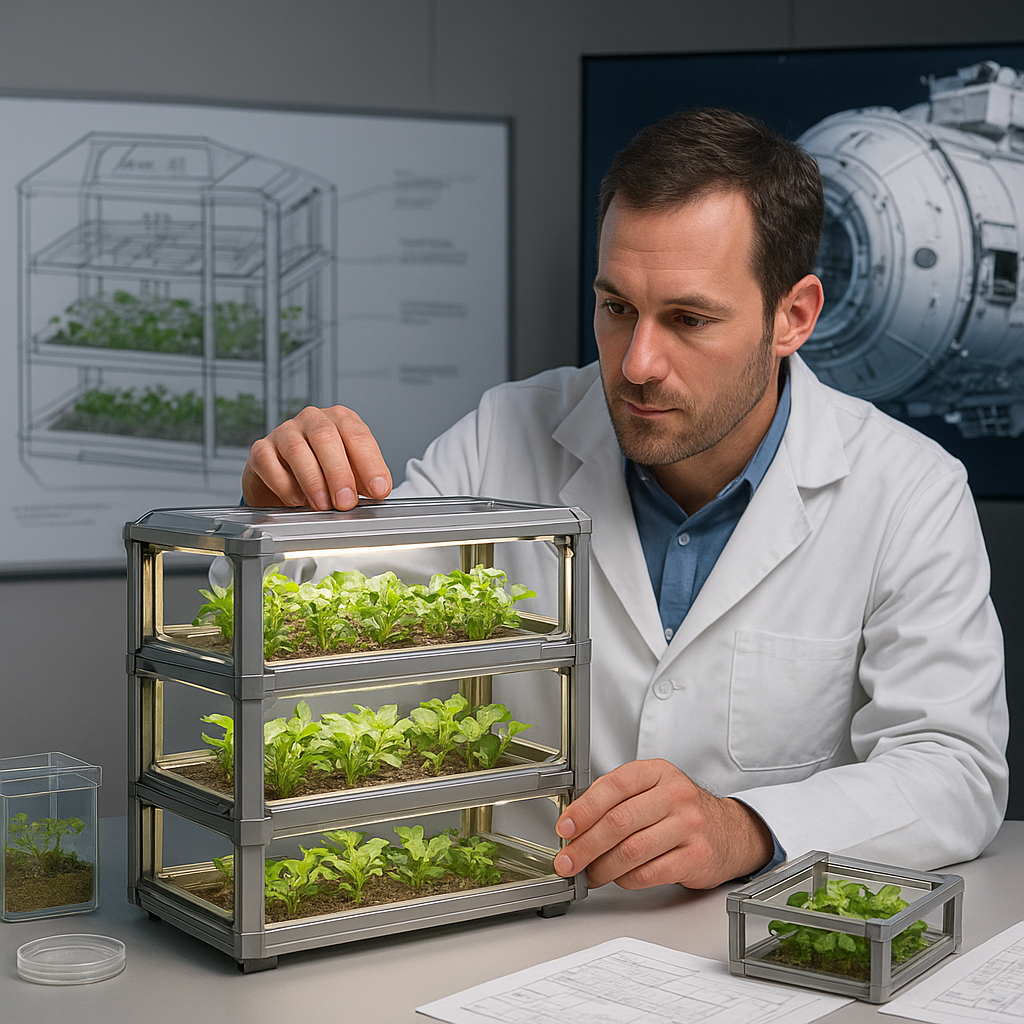
To maximize limited volume aboard a **spacecraft**, farming units must embrace compactness without sacrificing productivity. A volumetric arrangement of detachable growth pods enables rapid reconfiguration. Each pod incorporates three primary zones: seedling initiation, vegetative growth, and harvest staging. By maintaining uniform dimensions, pods can be stacked or arrayed along the spacecraft’s interior walls, optimizing both mass distribution and crew accessibility.
Materials and Structural Integrity
Structural components must withstand variable accelerations, radiation flux, and thermal gradients. Advanced composites coated with radiation-attenuating films protect crops from ionizing particles. Transparent panels fabricated from toughened polycarbonate deliver diffuse light to plants while preserving pressure integrity. Anchoring systems—a combination of magnetic fittings and spring-loaded clamps—ensure pods remain secure during thrust maneuvers.
Modularity and Scalability
Modularity enables incremental expansion: as mission duration extends or cultivation demands increase, additional pods can be integrated seamlessly. The principle of **modularity** supports fault isolation; if a specific pod experiences a malfunction, it can be exchanged without halting the entire system. Standardized interfaces for power, data, and fluid conduits ensure rapid plug-and-play operations.
- Standard pod dimensions: 50 cm × 40 cm × 60 cm
- Integrated quick-connect fluid couplings
- Universal data bus for sensor arrays
- Modular lighting units delivering 250 μmol/m²/s
Biological and Environmental Control Systems
Simulating Earth Conditions in Microgravity
Plants evolved under 1g, relying on gravity to orient roots and shoots. In **microgravity**, the absence of directional cues demands innovative approaches. Centrifugal growth chambers can impart artificial gravity, guiding root development. Alternatively, directional lighting coupled with top-down fluid flow establishes a pseudo-gravitropic environment.
Hydroponic Nutrient Delivery
Soilless cultivation minimizes mass and microbial contamination risks. Nutrient films circulate a tailored solution, delivering macro- and micronutrients directly to plant roots. Automated dosing systems monitor pH and electrical conductivity, ensuring optimal nutrient balance. Key parameters include:
- Flow rate: 1 L/min per pod
- pH range: 5.8–6.2
- EC range: 1.2–1.8 mS/cm
Such systems exemplify **hydroponics**—a method particularly well-suited for resource-constrained environments.
Regulating Light and Photoperiod
High-efficiency LEDs facilitate precise control over spectral composition and **photoperiod**. By adjusting red-to-blue light ratios, engineers can manipulate transplant vigor, flowering time, and nutritional content. Light fixtures mount on sliding tracks within each pod, enabling dynamic repositioning as plants grow.
Atmospheric Conditioning
Maintaining optimal CO₂ levels and humidity is crucial for robust **photosynthesis**. A closed-loop air management system scrubs excess moisture and replenishes CO₂ using byproducts from crew respiration or onboard CO₂ storage. Multi-layer filters remove volatile organics released by plant metabolism.
Integration and Operational Strategies
Automation and Monitoring
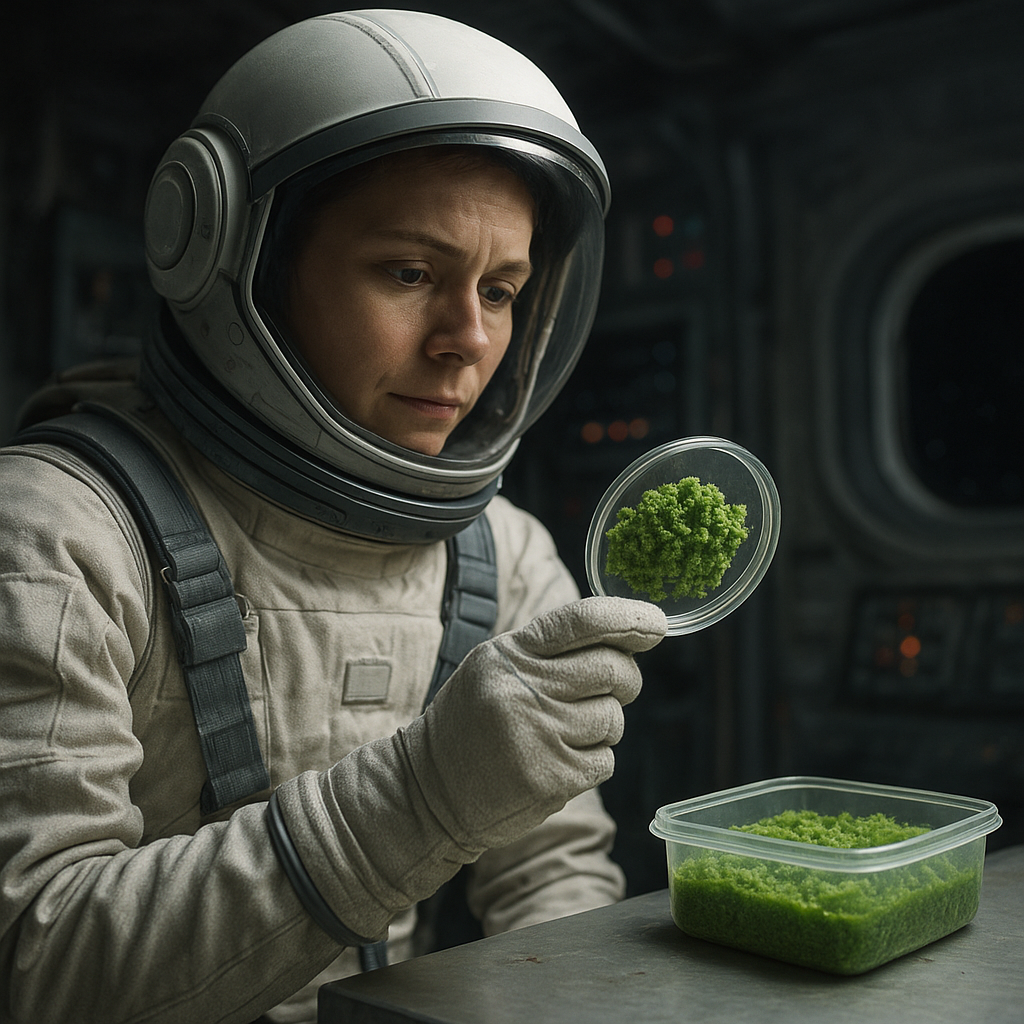
Continuous oversight of environmental parameters is achieved through networked sensors and actuators. Key variables—temperature, humidity, CO₂, pH, and nutrient concentration—are evaluated every minute. An artificial intelligence–driven controller adjusts resource flows and lighting schedules, exemplifying **automation** in life support subsystems. Crew interventions are minimized, reserving human effort for troubleshooting and harvest operations.
Water Recycling and Waste Management
Efficient **nutrient delivery** hinges on closed-loop water recycling. A filtration cascade—including membrane bioreactors and UV sterilization—recovers nutrient-rich water from plant transpiration and residual matrix. Solid residues, primarily root biomass and trimmings, undergo composting in microbe-enhanced bioreactors, contributing to a **bioregenerative** life support cycle.
Crop Selection and Scheduling
Selecting high-yield, fast-germinating species reduces overall mass and energy expenditures. Leafy greens (e.g., lettuce), herbs (e.g., basil), and dwarf cereals accelerate nutrient turnover. Crop rotation schedules ensure continuous production while preventing nutrient lock-up in the medium. A sample schedule might include:
- Week 1–3: Lettuce cultivars
- Week 4–6: Spinach and kale
- Week 7–9: Herbs and microgreens
Ensuring System Resilience
Redundancy is built into critical subsystems—dual fluid pumps, multiplexed lighting channels, and parallel sensor arrays enhance **resilience** against failures. In the event of contamination, isolation valves partition affected pods, allowing continuous operation of the remaining array. This approach maintains food production even under adverse conditions.
Future Prospects and Emerging Technologies
Advanced Bioengineering
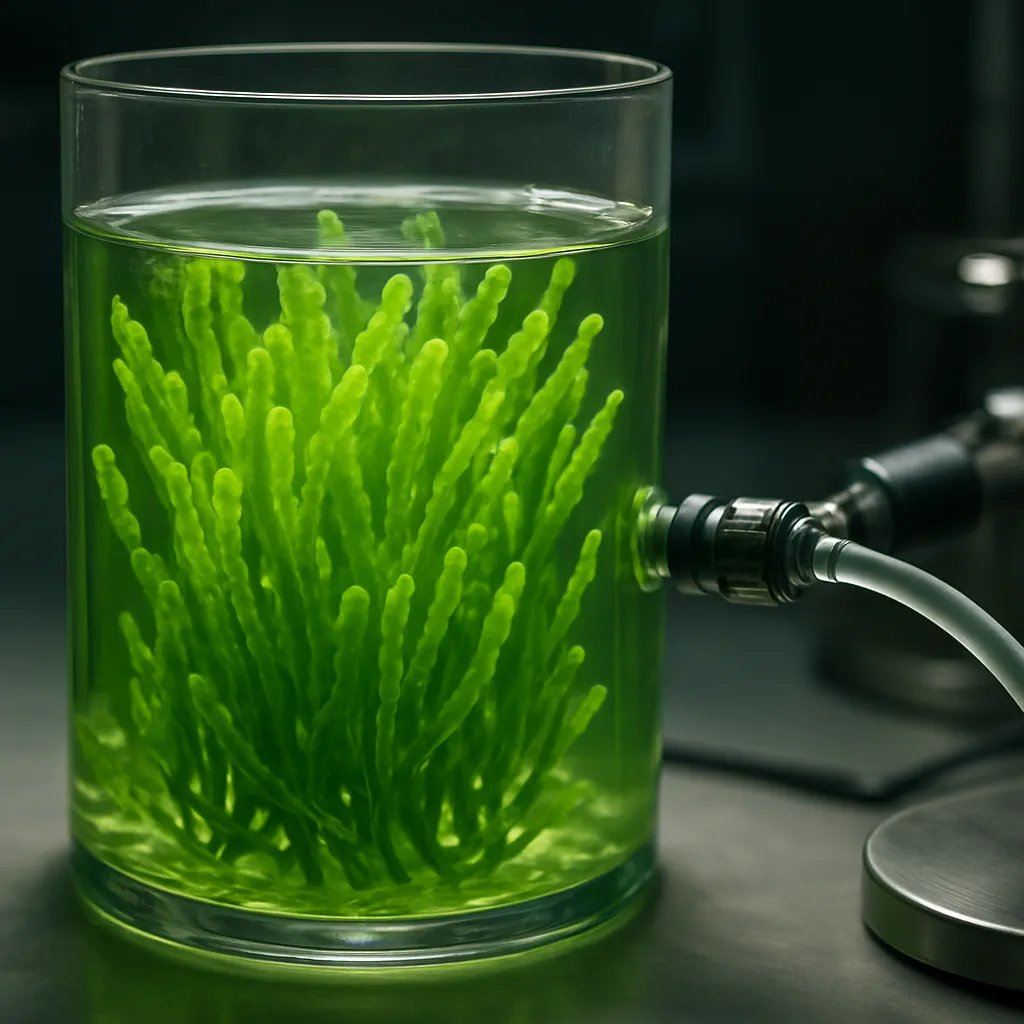
Genetic enhancements promise crops tailored to the space environment. Traits such as compact growth habit, enhanced nutrient uptake, and resistance to radiation improve yield efficiency. Bioreactors employing algae and cyanobacteria may complement higher plants, supplying oxygen and **biomass** for downstream processing.
Modular Growth Platforms on Deep Space Missions
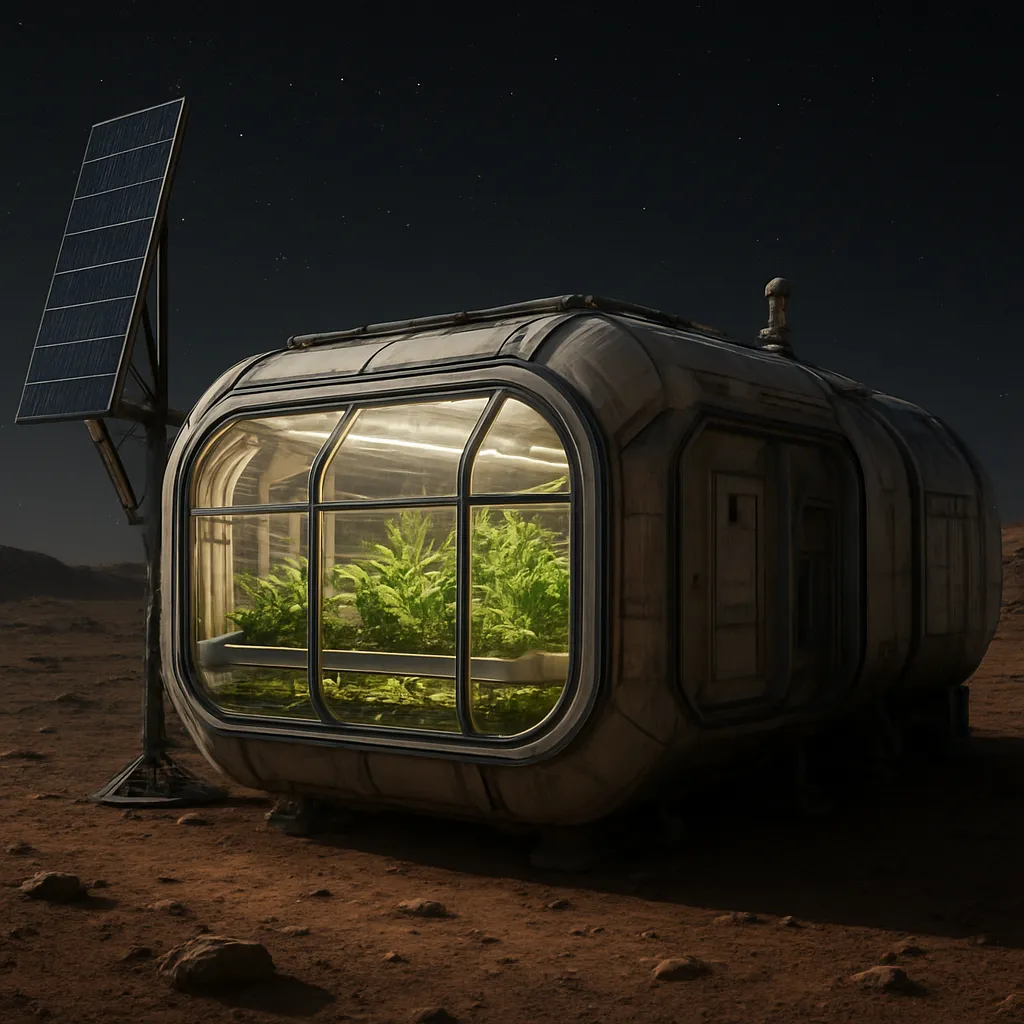
Beyond low Earth orbit, farming modules must withstand prolonged exposure to cosmic radiation. Shielded containers using regolith-derived materials offer dual benefits: radiation protection and local supply sourcing for lunar or Martian habitats. The modular architecture facilitates transport via cargo spacecraft and on-site assembly.
Leveraging Artificial Intelligence
Machine learning algorithms can predict growth anomalies and optimize resource allocation in real time. By analyzing visual and sensor data streams, AI agents refine control strategies, ultimately driving improvements in **sustainability** and efficiency for space-based agriculture.
Concluding Insights on Spacefaring Agriculture
The convergence of structural engineering, environmental control, and biological innovation advances the frontier of cultivating food beyond Earth. Modular farming units embody an adaptable, scalable solution that integrates fault tolerance with optimized plant growth. As humanity embarks on longer voyages, these systems will play an indispensable role in preserving crew health, mitigating resupply dependencies, and unlocking the potential for permanent extraterrestrial habitation.