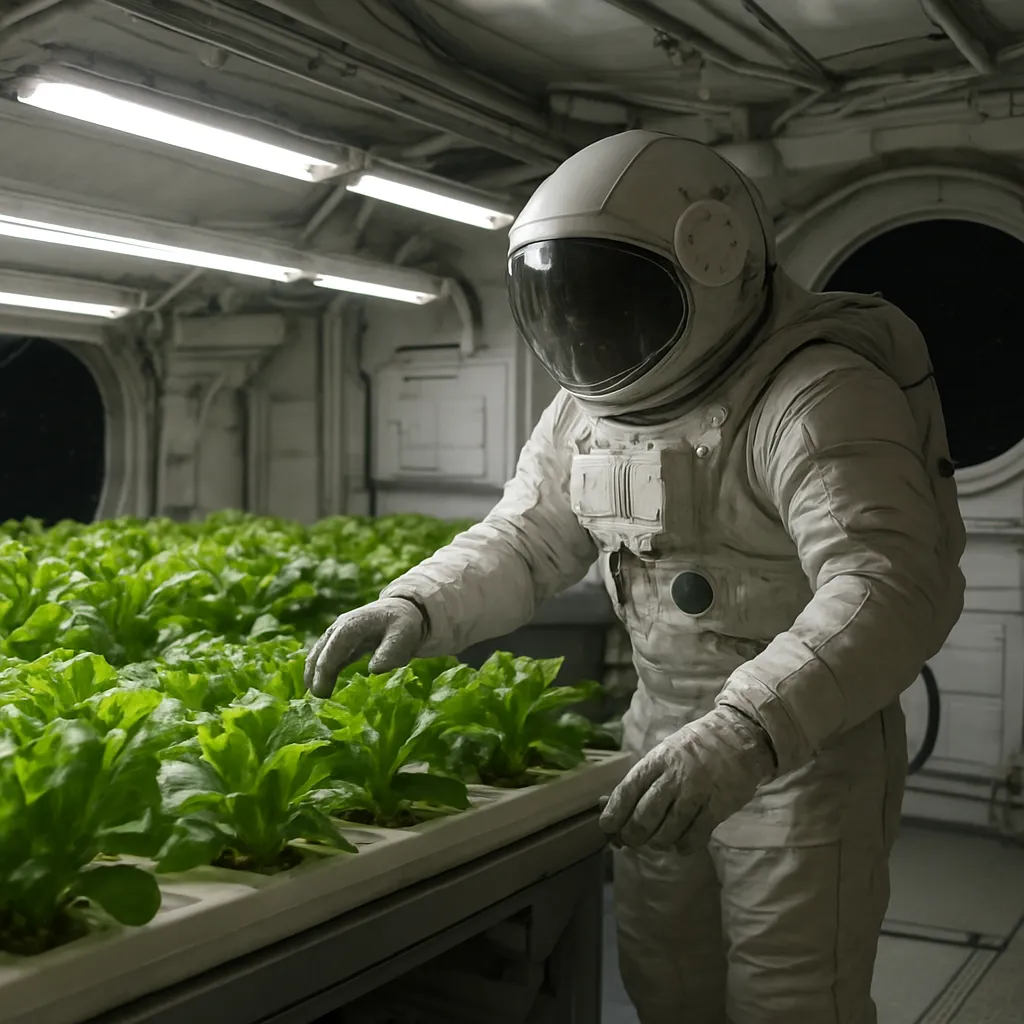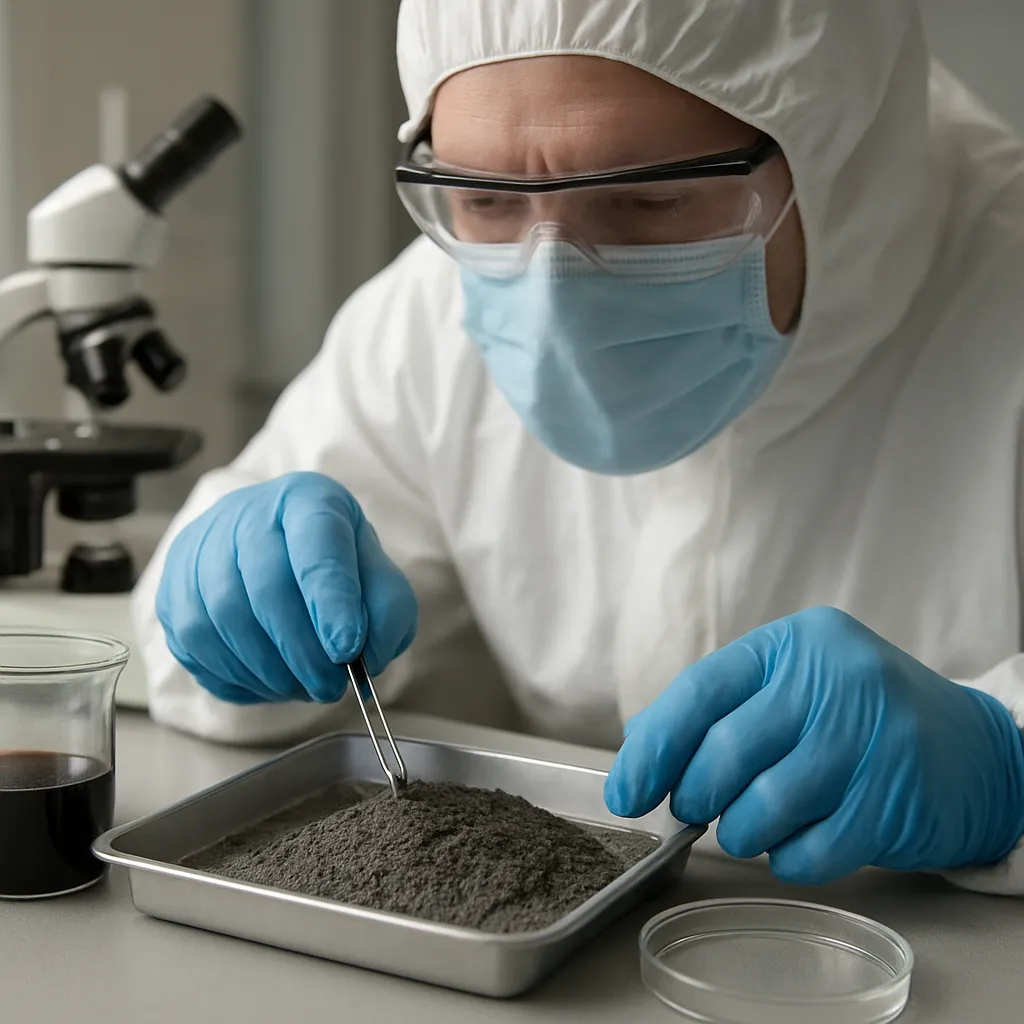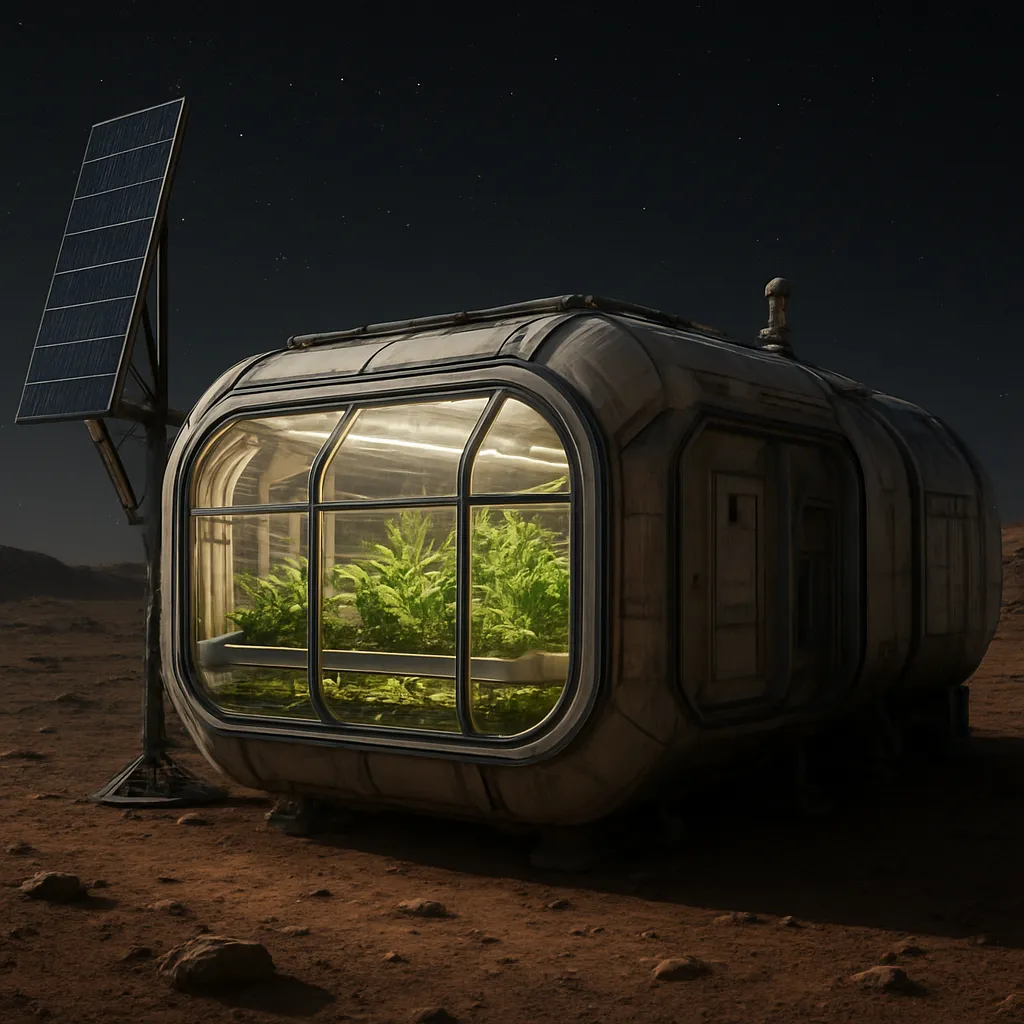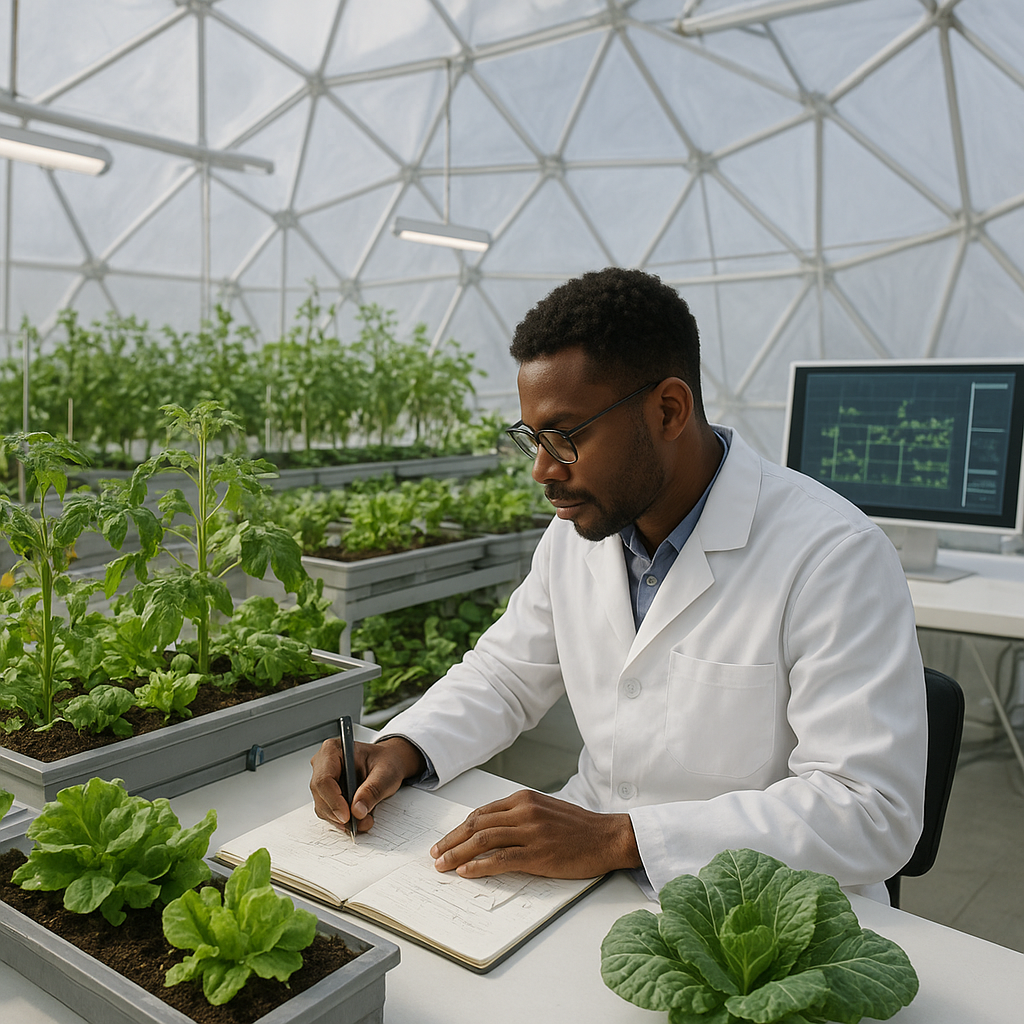
The exploration of extraterrestrial environments demands innovative approaches to securing reliable food supplies for astronauts and future space settlers. Designing efficient, resilient agricultural systems is paramount for sustaining life beyond Earth’s atmosphere. This article delves into strategies for creating **multi-crop** systems tailored to the unique constraints of orbital stations and planetary colonies. By integrating cutting-edge technologies and ecological principles, these systems can optimize resource use, enhance nutritional diversity, and contribute to the long-term viability of human outposts in space.
Understanding the Challenges of Cultivating Crops in Space
Plants grown in microgravity or reduced-gravity environments face a host of obstacles absent on Earth. Reduced root anchorage complicates water and nutrient uptake, while the absence of convection alters gas exchange around the leaf surfaces. Radiation exposure can damage plant DNA and inhibit growth. Temperature fluctuations within a spacecraft’s modules create additional stress. Overcoming these hurdles requires a holistic design that addresses both biological and engineering factors.
One critical limitation is the scarcity of available volume. Space colonies operate within tightly confined modules where every cubic meter must serve a precise purpose. Designing vertical farming rigs and compact hydroponic units becomes essential. Additionally, resupply missions are costly and infrequent, making in situ food production not just desirable, but indispensable. The solution lies in **bioregenerative** life-support systems that incorporate plant cultivation into the broader recycling of air, water, and waste.
Selecting Compatible Crop Species
Crop selection forms the foundation of any successful space farm. Ideal candidates exhibit rapid growth cycles, high edible biomass yield, and adaptability to artificial lighting. Leafy greens like lettuce and kale mature quickly and supply essential vitamins. Root vegetables such as radishes and carrots are compact and nutrient-dense. Legumes—including peas and beans—offer valuable protein and help fix atmospheric nitrogen, enhancing soil fertility in soil-based or synthetic substrates.
- Lettuce: fast growth, low light requirements
- Tomatoes: high yield, nutritional versatility
- Wheat: staple grain, energy-dense
- Soybeans: protein-rich, nitrogen-fixing
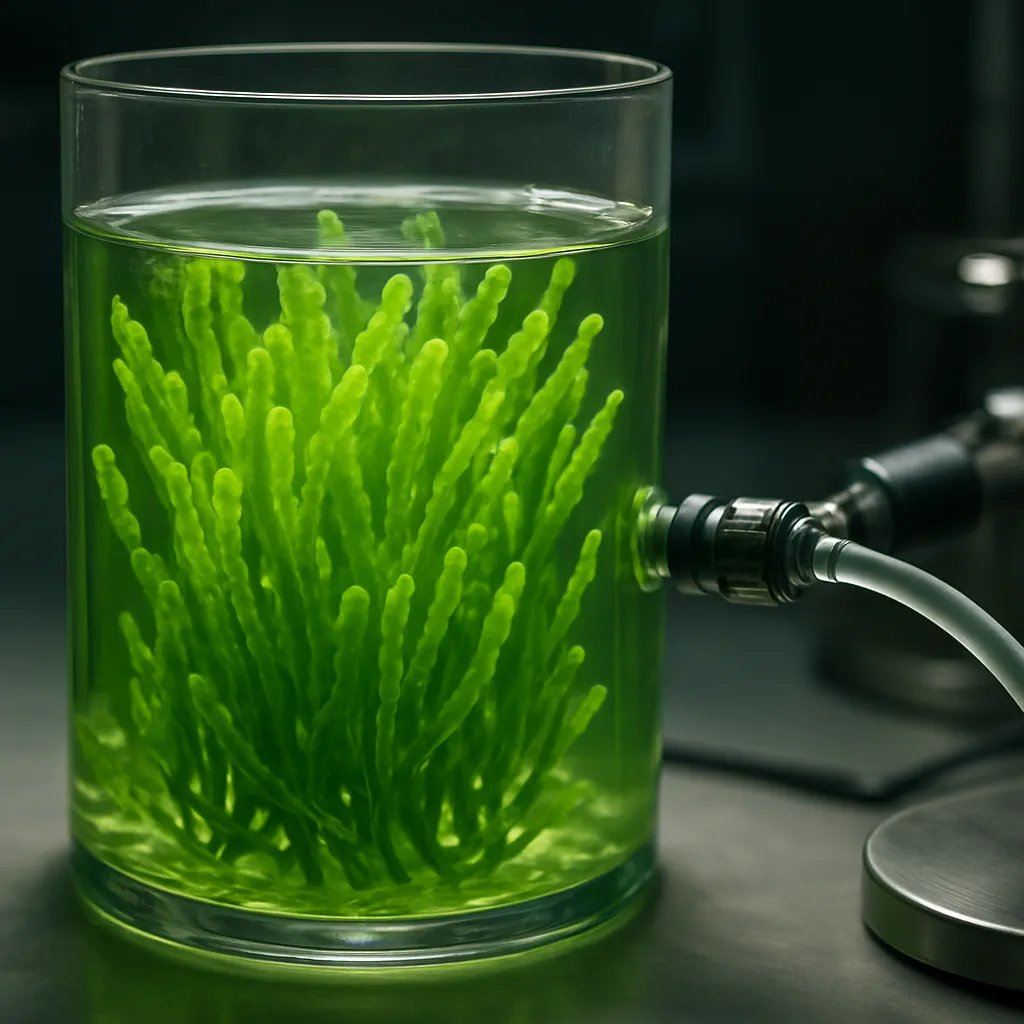
- Algae: compact photobioreactor cultivation, micronutrients
Genetic selection and breeding programs can further optimize these plant varieties for space conditions. Traits such as compact habit, disease resistance, and tolerance to radiation-induced mutations become priority targets. Genetic engineering may accelerate the development of cultivars with enhanced photosynthetic efficiency or improved nutrient profiles, ensuring that spacefarers receive balanced diets despite limited crop diversity.
Engineering Advanced Growth Systems
Space agriculture relies heavily on controlled-environment agriculture (CEA) technologies. Hydroponic and aeroponic systems dominate because they eliminate the need for heavy soil. In hydroponics, nutrient-rich water circulates through root zones, whereas aeroponics delivers fine nutrient mist, maximizing oxygen availability. Both approaches reduce water consumption by up to 90% compared to conventional field farming—an invaluable advantage when every drop of water is precious.
LED lighting systems offer fine-tuned spectral control to drive **photosynthesis**. By adjusting the ratio of red, blue, and far-red wavelengths, engineers can manipulate plant morphology, flowering time, and nutrient composition. Dynamic light regimens that mimic natural diurnal cycles help maintain plant circadian rhythms, promoting vigorous growth and robust defense mechanisms against stressors.
Advanced biomaterials are also under development for root support and nutrient delivery. Porous foam panels infused with slow-release fertilizers can provide anchorage without excessive weight. Nanofiltration membranes help remove toxins from recirculated water, ensuring a pristine nutrient solution. The integration of **photobioreactors** for microalgae cultivation further enriches the system by producing oxygen, biomass for direct consumption, and valuable biomolecules such as omega-3 fatty acids.
Optimizing Environmental Parameters
Maintaining stable temperature, humidity, and atmospheric composition is crucial for plant health. Thermal insulation and localized heating elements prevent cold spots that could stunt growth. Dehumidifiers and condensers manage excess moisture, reducing the risk of microbial contamination. CO2 supplementation within growth chambers can accelerate carbon fixation rates, with target levels often elevated above Earth’s ambient concentration to boost yield.
Air circulation fans create gentle airflow across leaf surfaces, compensating for the lack of natural wind in microgravity. This convective movement promotes efficient gas exchange and prevents the buildup of ethylene, a plant hormone that can induce premature senescence if allowed to concentrate. Automated sensors monitor pH, electrical conductivity, and dissolved oxygen in the nutrient solution, triggering adjustments in real time to maintain **closed-loop** stability.
Radiation shielding for growth modules is another critical design element. Transparent materials infused with hydrogen-rich polymers can block harmful cosmic rays while allowing sufficient light transmission. Alternatively, positioning farms within the spacecraft’s core or beneath regolith layers on the lunar surface provides natural mass shielding against solar particle events and galactic cosmic rays.
Implementing Closed-Loop Nutrient Cycles
A truly sustainable space farm recycles organic waste back into the cultivation system. Plant residues, inedible biomass, and human waste can be processed through **composting** reactors or anaerobic digesters. Microbial consortia break down complex polymers, releasing carbon, nitrogen, and phosphorus that reenter the nutrient reservoir. This approach minimizes dependence on Earth-supplied fertilizers.
Bioreactors populated with nitrifying bacteria convert ammonia from human urine into nitrate, a plant-ready form of nitrogen. Simultaneously, phosphate recovery units precipitate phosphorus as struvite, returning it to the hydroponic solution. Trace elements such as iron, magnesium, and potassium are replenished through a combination of mineral extraction and synthetic supplementation, ensuring that nutrient profiles remain balanced.
Water recycling is equally important. Transpired moisture from plants is recaptured by dehumidifiers, purified, and fed back into the irrigation loop. Greywater from the crew’s daily activities undergoes membrane filtration and UV sterilization before reuse, forming a comprehensive **bioregenerative** water management system that can achieve near-100% efficiency.
Enhancing System Resilience and Redundancy
Space missions demand systems that can withstand failures without jeopardizing crew safety. Redundancy is embedded at multiple levels: duplicate pump circuits, backup power supplies, and parallel sensor arrays. Modular design enables quick removal and replacement of malfunctioning units. Remote diagnostics and repair protocols help ground teams support astronauts in troubleshooting complex malfunctions.
Crop diversification itself acts as a resilience strategy. Planting multiple species with staggered harvest schedules reduces the risk of total yield loss due to pests, pathogens, or system outages. Companion planting techniques—such as growing herbs that deter fungal growth alongside susceptible vegetables—can offer biological pest control without the need for chemical pesticides.
In-cabin microbial monitoring ensures that pathogen populations remain in check. Beneficial microbes, introduced as probiotics for both humans and plants, help maintain a healthy microbiome within the habitat. This synergy between plant and human health is a core principle of truly integrated space agriculture.
Future Directions and Innovations
Looking ahead, research is exploring the potential of **synthetic biology** to create entirely novel crop species optimized for extraterrestrial conditions. Metabolic engineering could produce plants that synthesize pharmaceuticals, bioplastics, or even biofuels, expanding the utility of agricultural modules beyond mere sustenance. Advances in automation and artificial intelligence promise fully autonomous farming units capable of self-regulation and adaptive decision-making based on real-time data analytics.
As humanity ventures deeper into the solar system, from lunar bases to Martian outposts, the principles and technologies developed for multi-crop space systems will serve as the cornerstone of off-world civilization. By harnessing the synergy of biology and engineering, we can cultivate not only crops, but also the resilience and adaptability needed to thrive in the final frontier.