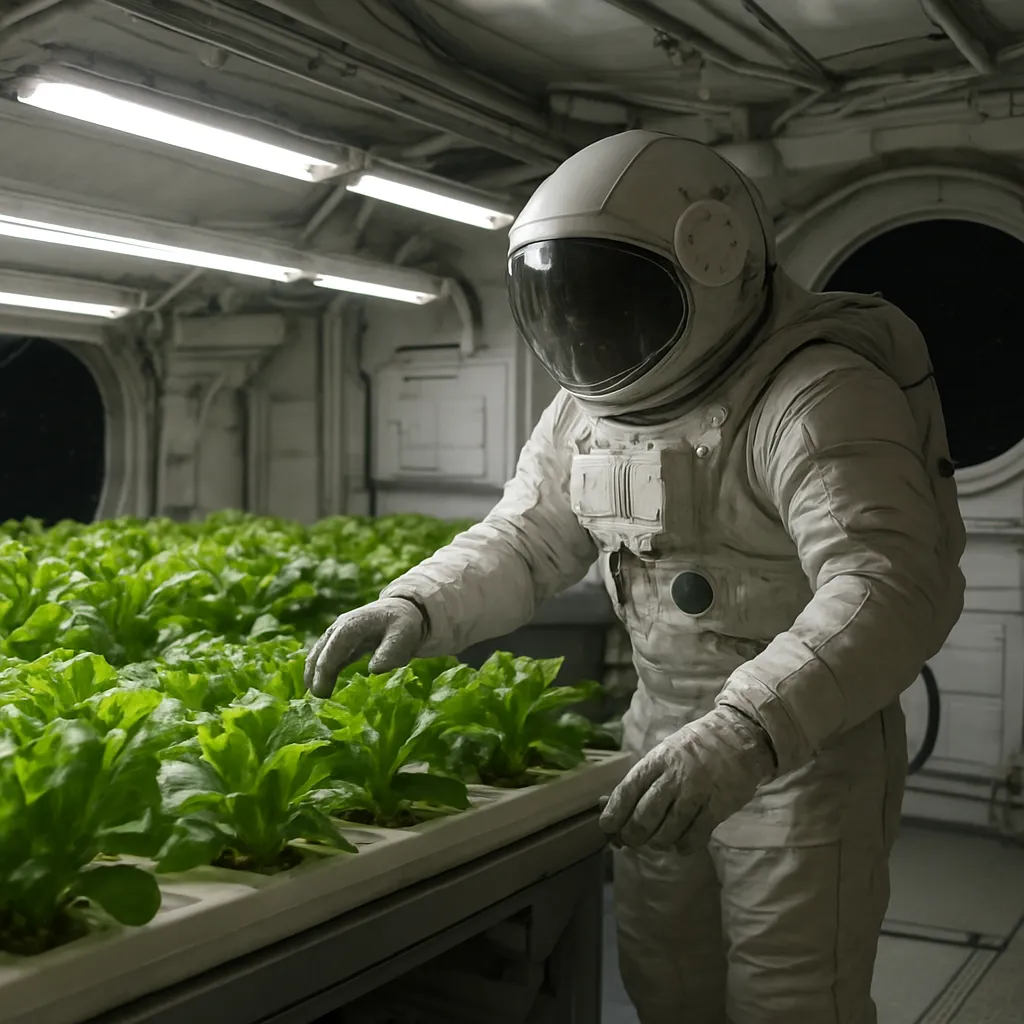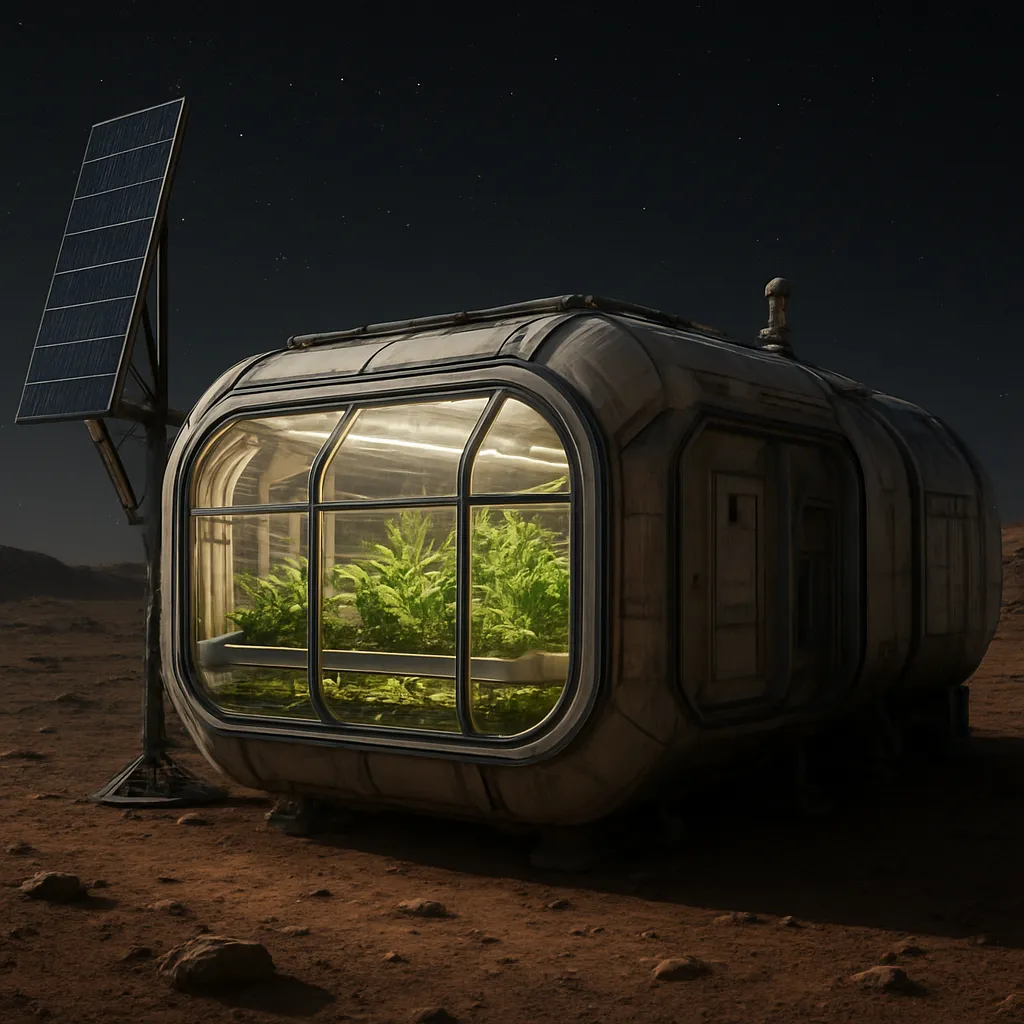
Space agencies and private enterprises are racing to establish **sustainable** food production systems beyond Earth’s atmosphere. As missions to the Moon, Mars, and beyond become more ambitious, the need for reliable plant growth media is paramount. Traditional Earth soils are heavy, unpredictable off-world, and may harbor pathogens unsuitable for closed habitats. This challenge has driven researchers to explore **bioengineered** substrates that mimic terrestrial soil functions while optimizing for low mass, high nutrient retention, and compatibility with controlled-environment agriculture.
Background and Importance of Artificial Substrates
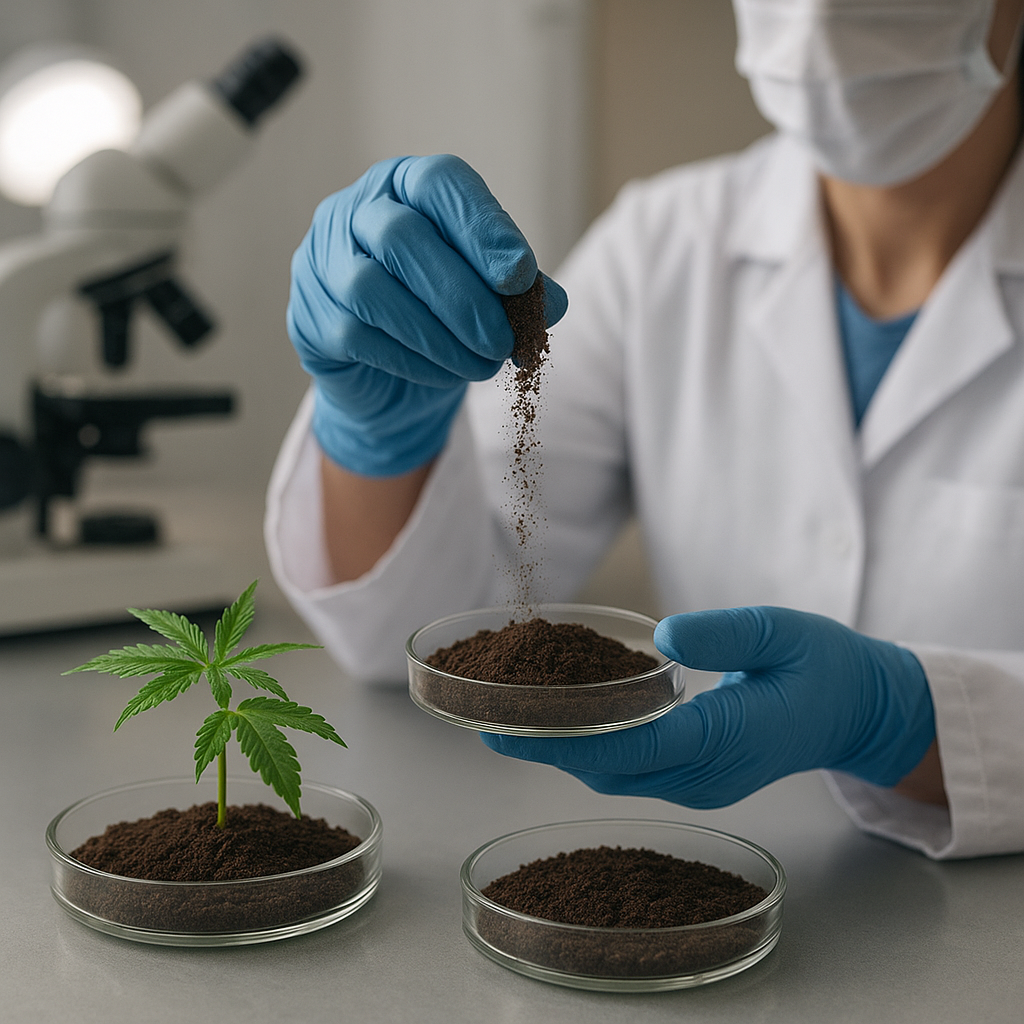
On Earth, soil provides a complex matrix of minerals, organic matter, water, and a thriving community of **microbes** that cycles nutrients and supports plant roots. In contrast, extraterrestrial regolith—such as lunar dust or Martian soil—lacks organic content and exhibits abrasive particles that can damage delicate roots. Developing a substitute that delivers water, **nutrients**, and structural support is critical for crewed missions lasting months or years. Through **in situ resource utilization** (ISRU), explorers aim to transform local materials into growth media, reducing launch mass and supply chain dependencies.
To succeed, a soil analogue must address several factors simultaneously:
- Particle size distribution: ensuring adequate aeration and root penetration
- Water retention capacity: balancing drainage and moisture availability
- Chemical buffering: maintaining pH levels suitable for plant uptake
- Biological compatibility: supporting beneficial microbial communities
By recreating the complex interplay of physical, chemical, and biological processes, researchers strive to achieve a medium that approaches the performance of Earth’s most fertile soils.
Candidate Materials and Their Properties
Several materials have been proposed as bases or additives for artificial space soils. Each brings advantages and challenges in terms of **weight**, performance, and sourcing:
- Regolith-based mixes: Lunar or Martian dust simulants combined with organic binders. Advantages include local availability, but pure regolith is nutrient-poor and may introduce toxic perchlorates.
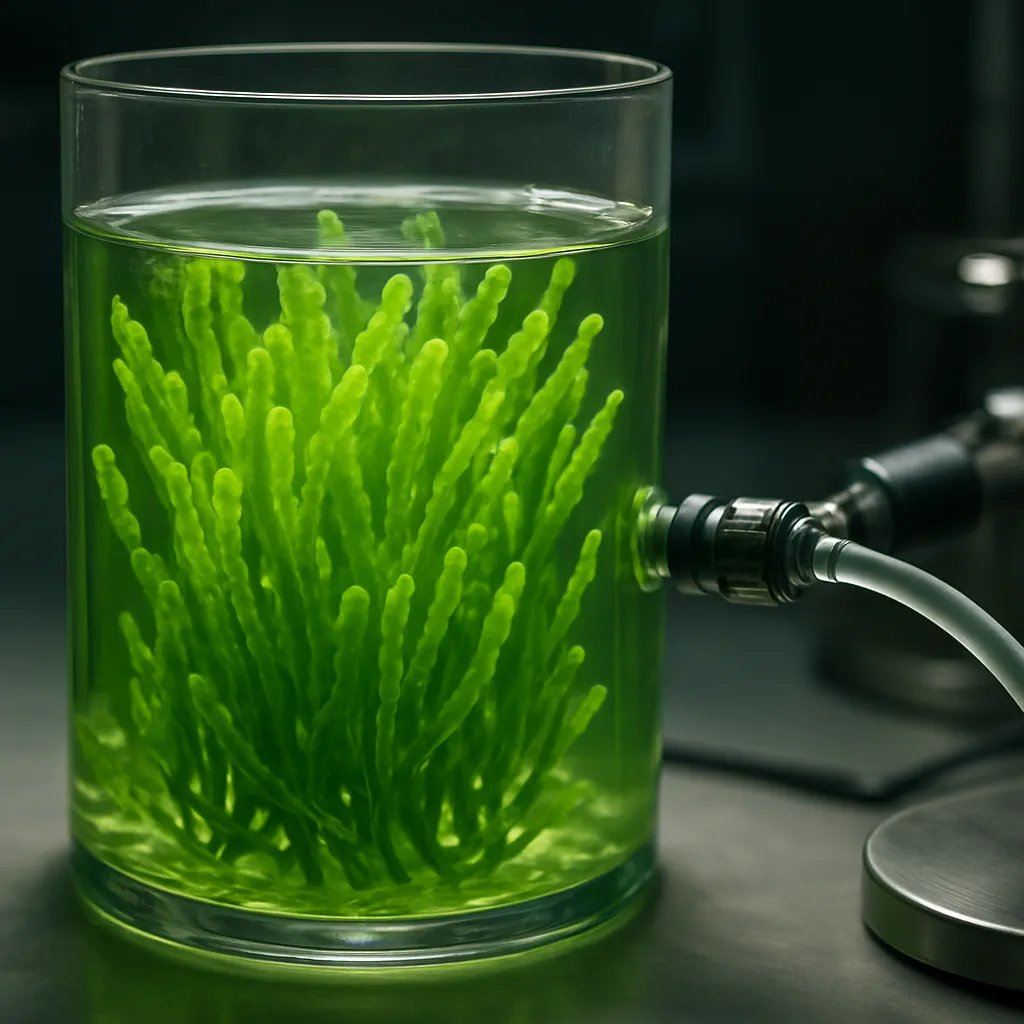
- Hydroponic aggregates: Expanded clay or rock wool provide structure and drainage in **hydroponic** systems. While inert, they lack inherent nutrients and require continuous nutrient solution management.
- Biopolymers and gels: Superabsorbent polymers can boost water retention yet add mass and may degrade unpredictably under radiation. Their use is limited by potential toxicity to plants.
- Composted plant waste: Organic residues from crop cultivation can be recycled into a growing medium. This approach fosters closed-loop **sustainability** but demands robust microbial control to prevent pathogens.
- Vermiculite and perlite: Lightweight volcanic minerals used on Earth to improve aeration. They offer excellent drainage but limited nutrient-holding capacity, necessitating supplemental fertilization.
Optimizing each component involves balancing mass constraints, nutrient delivery efficiency, and long-term stability under space radiation and microgravity conditions.
Design Strategies and Challenges
Engineering an artificial soil for space entails interdisciplinary efforts in materials science, microbiology, and agricultural engineering. Key considerations include:
1. Particle Morphology and Root Interaction
Roots require a medium that resists compaction yet anchors effectively. Particle shapes ranging from granular to fibrous affect porosity and mechanical resistance. Researchers employ 3D-printed scaffolds mimicking root zones, ensuring consistent pore sizes that promote uniform water and gas exchange.
2. Nutrient Cycling and Microbial Symbiosis
Unlike standard hydroponics, a soil-like matrix can host beneficial bacteria and fungi that fix nitrogen and decompose organic waste. Identifying robust strains that thrive under low-pressure, high-radiation conditions is a priority. Genetic engineering of symbionts may enhance their resilience and nutrient contributions.
3. Water Management Systems
Closed habitats must recycle water efficiently. Artificial soils need to interface seamlessly with condensate capture systems, ensuring minimal losses. Capillary matting and wick-based irrigation integrated into substrate trays can maintain optimal moisture gradients without overwatering.
4. Sterility Versus Biodiversity
Sterilizing regolith simulants removes harmful organisms but also eliminates beneficial microbes. Striking a balance between biosecurity and biological diversity is essential. Techniques like phased sterilization followed by inoculation with selected microbial consortia are under investigation.
Experimental Approaches and Future Directions
Multiple testbeds—ranging from Earth-based growth chambers to the International Space Station—are evaluating candidate substrates under real microgravity. These experiments focus on root morphology, nutrient uptake rates, and crop yields of common candidates like lettuce, wheat, and tomatoes. Early results show that adding small percentages of organic compost to mineral matrices significantly enhances plant growth.
Future programs aim to:
- Leverage AI-driven formulations to predict optimal blends under varying environmental conditions
- Deploy lunar greenhouse prototypes that process in situ regolith into viable growth media
- Test engineered microbial communities in long-duration orbital habitats
- Develop self-healing substrates capable of regenerating structure and nutrient profiles
As space exploration pushes beyond low Earth orbit, the development of artificial soils will remain a cornerstone of off-world **agriculture**. Achieving reliable, self-sufficient farming systems is not only a matter of mission success but also a step toward humanity’s broader vision of becoming a multi-planetary species.