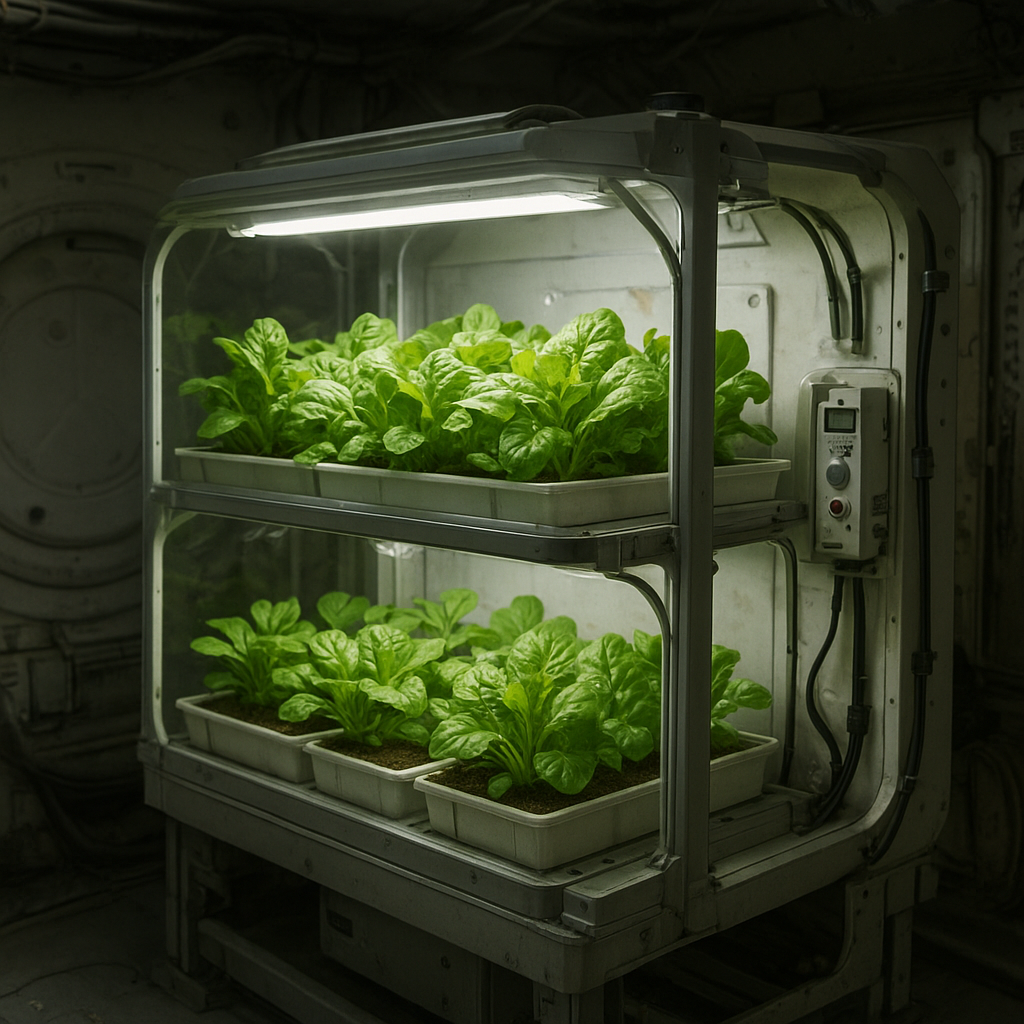
In the pursuit of long-duration missions and off-world colonization, the development of compact farming modules aboard spacecraft has emerged as a pivotal challenge for the future of space exploration. These systems must deliver reliable, nutrient-rich food, recycle waste streams, and support crew well-being while operating under strict volume, mass, and power constraints. By integrating advanced cultivation techniques with cutting-edge materials and automation, researchers aim to establish closed-loop bioregenerative habitats that enable human crews to thrive beyond Earth’s atmosphere.
Advancements in Space Agriculture Technologies
Recent innovations in controlled-environment agriculture have laid the foundation for cultivating plants under extraterrestrial conditions. Key components include:
- Photobioreactor systems that harness artificial lighting to drive photosynthesis, enabling continuous plant growth independent of solar cycles.
- Hydroponic and aeroponic approaches that deliver water and minerals directly to root zones, minimizing substrate mass and maximizing water-use efficiency.
- Customizable LED spectra that adjust light wavelengths to optimize photosynthetic rates and secondary metabolite production for enhanced nutritional value.
- Closed-loop sustainability architectures that recycle carbon dioxide exhaled by astronauts into oxygen and biomass, while reprocessing greywater for irrigation.
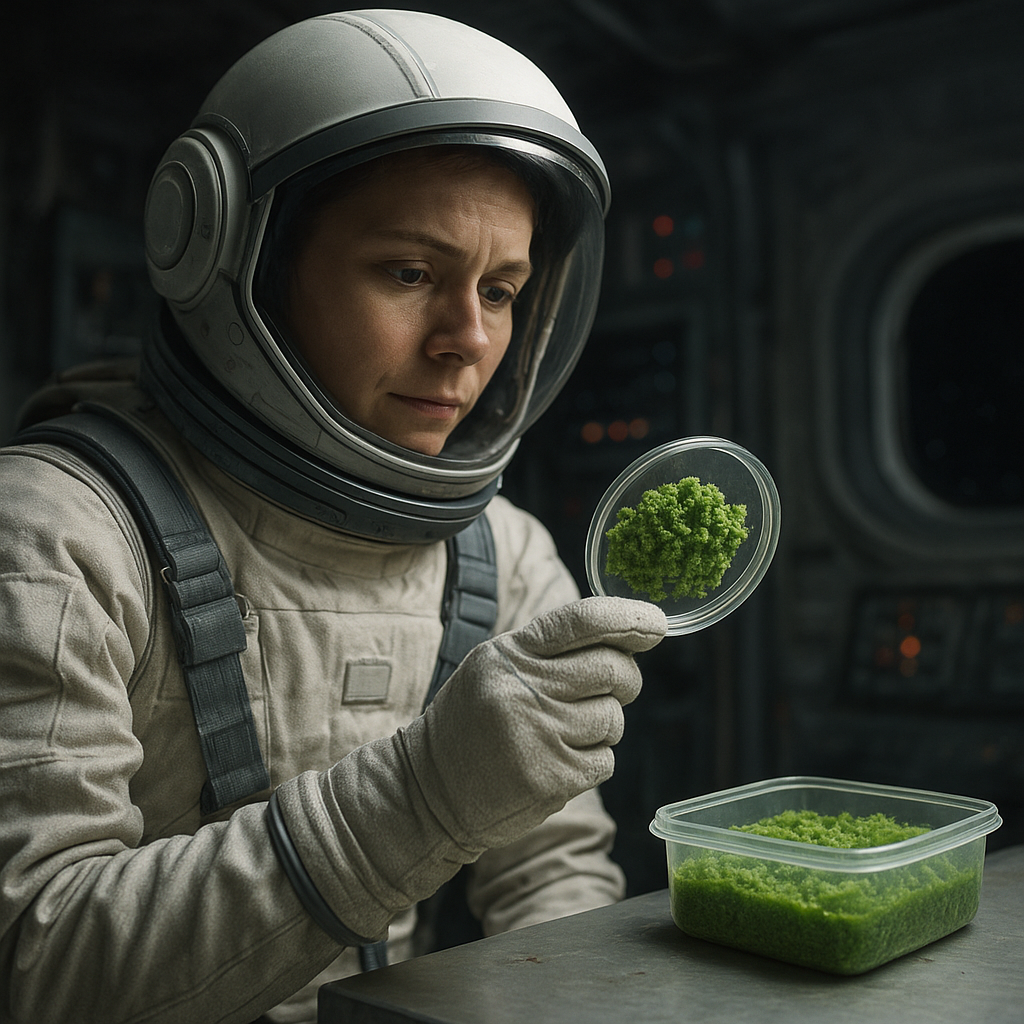
These technological pillars have been validated in analog facilities on Earth and small-scale demonstrators on the International Space Station (ISS). For instance, the Veggie and Advanced Plant Habitat experiments have successfully produced lettuce, mizuna, and other leafy greens under microgravity, proving the viability of crop growth in orbit.
Designing Compact Farming Modules
Optimizing a farming module for spacecraft involves intricate trade-offs among volume, mass, power consumption, and crew interaction. Core design considerations include:
- Modular stacking of growth racks to maximize surface area within a limited cabin envelope.
- Integration of foldable or inflatable panels that deploy upon arrival to expand cultivation space without penalizing launch mass.
- Efficient thermal management systems to remove metabolic heat from grow lights and maintain stable temperatures.
- Lightweight composite materials and radiation-shielding fabrics to protect delicate crops from cosmic rays.
Structural Configuration and Packaging
The internal layout should accommodate seed processing, germination trays, mature plant beds, and harvest compartments. Designers often employ a resilience-focused approach, ensuring each module can operate autonomously in the event of partial system failures. Snap-fit planting cartridges and quick-connect fluid manifolds simplify maintenance, allowing astronauts to replace consumables without specialized tools.
Resource Management and Automation
Smart control algorithms monitor pH, dissolved oxygen, and nutrient concentrations via miniaturized sensors, adjusting irrigation cycles and photoperiods in real time. Automated dosing pumps deliver precise quantities of macronutrients and trace elements, reducing crew workload and limiting human error. By harnessing machine learning models trained on Earth-based crop data, the system can predict growth trends, optimize yield, and flag anomalies before they escalate into critical issues.
Crop Selection and Growth Strategies
Selecting the ideal crop mix is essential to meet caloric, vitamin, and psychological needs. Criteria include:
- Rapid growth cycle to ensure frequent harvests and continuous food supply.
- Compact habit with minimal vertical clearance requirements.
- High nutrient density, particularly in vitamins C, A, and K.
- Tolerance to lower atmospheric pressures and variable CO₂ levels.
Leafy Greens and Microgreens
Species such as lettuce, kale, and mustard greens offer quick turnaround, typically maturing within 20–30 days. Microgreens deliver concentrated nutrient profiles and require only a week under optimized light recipes. Their minimal biomass reduces water consumption and cleanup needs, making them an ideal first crop for demonstration missions.
Fruit-Bearing and Starchy Crops
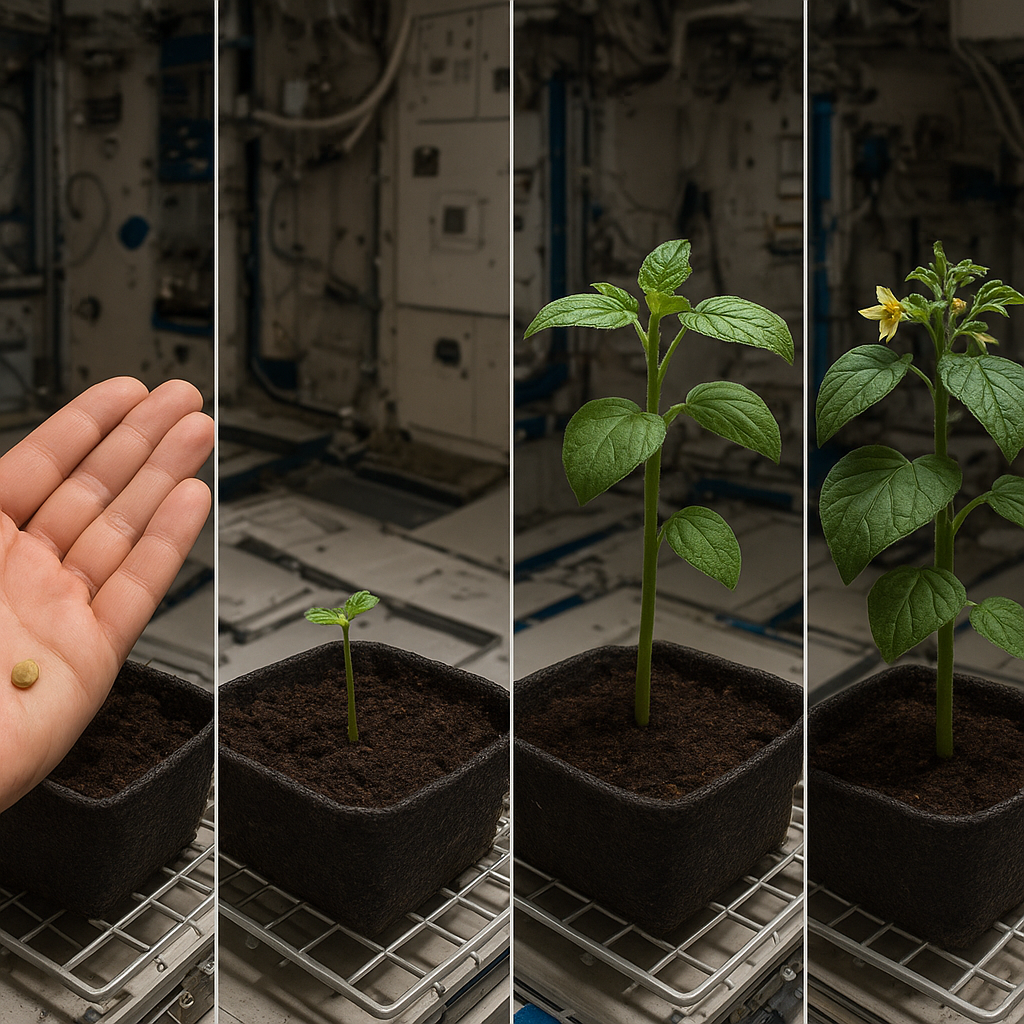
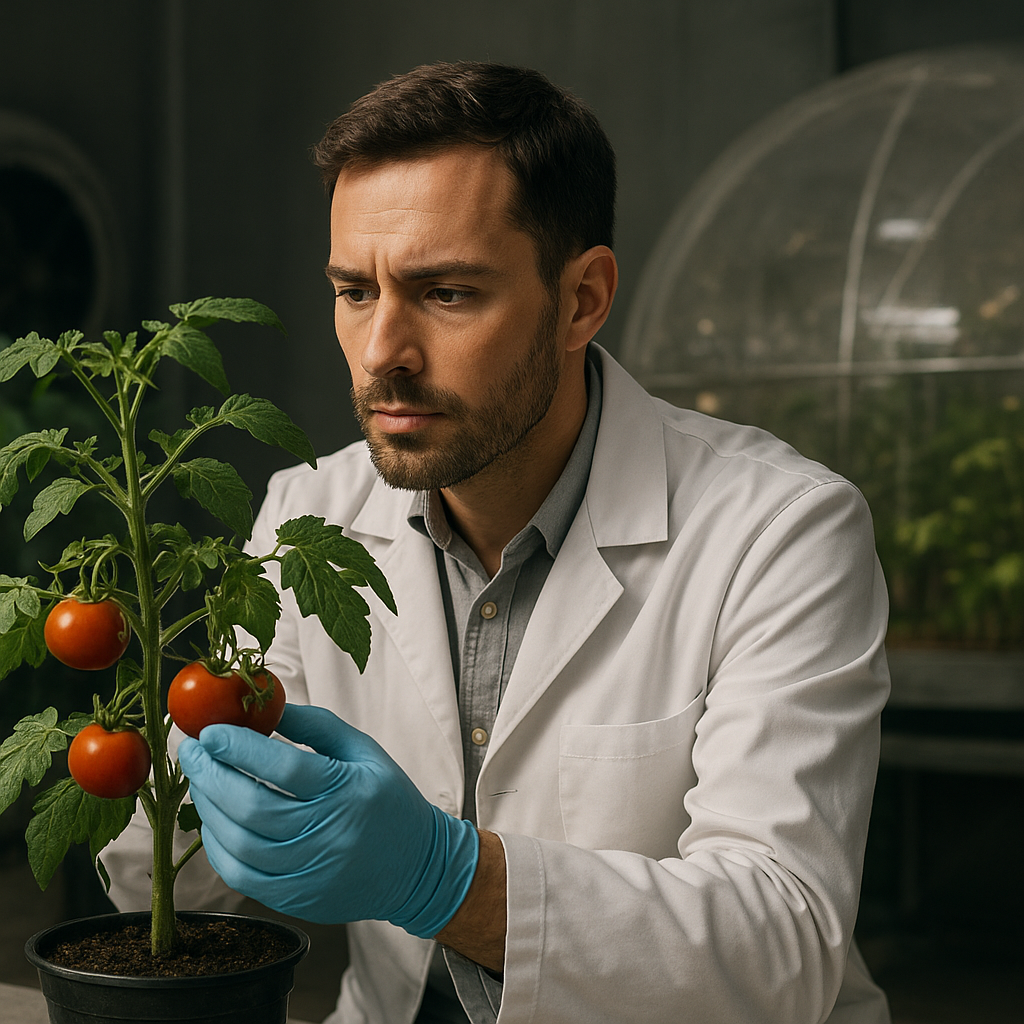
Tomatoes, peppers, and dwarf cereals like barley represent the next frontier. Though more challenging due to larger canopy volumes and longer maturation periods, they provide essential carbohydrates, antioxidants, and flavor diversity. Genetic selection efforts aim to develop compact cultivars with enhanced fruit-set under continuous lighting regimes.
Integration with Spacecraft Systems
To truly fulfill the promise of bioregenerative life support, farming modules must interface seamlessly with other spacecraft subsystems:
- Atmospheric Control: Harvest oxygen generated by plants to reduce reliance on chemical scrubbers and compressors.
- Water Recovery: Redirect condensate and transpiration outputs into potable water loops after appropriate treatment.
- Waste Processing: Incorporate organic waste from plant biomass into composting reactors or anaerobic digesters to recover biomass-derived energy and nutrients.
- Power Budget: Balance high-intensity LEDs and pumps with solar arrays or nuclear sources, implementing energy-saving modes during non-growth periods.
Advances in miniaturized environmental sensors and robust control architectures allow these modules to operate in harmony with life support, navigation, and habitation systems. The synergy between automation and human oversight ensures mission planners can rely on the farming module’s outputs while dedicating crew time to scientific research and maintenance of exploration objectives.