As humanity charts its course beyond Earth’s atmosphere, the **agriculture** of tomorrow must adapt to unprecedented challenges. One of the most formidable threats in a space environment is **cosmic** radiation, which can cause detrimental **mutagenesis** and hamper food production. Developing crops that can survive and thrive under high radiation levels is essential for long-term missions, lunar bases, and eventual Martian colonies. This article explores the nature of space radiation, advanced genetic strategies to bolster plant **resilience**, and the broader implications for sustainable extraterrestrial agriculture.
Understanding Cosmic Radiation in Space Agriculture
Space radiation differs significantly from terrestrial radiation sources. In deep space, plants face high-energy particles such as protons, heavy ions, and secondary neutrons generated by galactic cosmic rays (GCRs) and solar particle events (SPEs). These particles can penetrate plant tissues, inducing DNA breaks, oxidative stress, and chromosomal damage. In microgravity, radiation effects may be exacerbated due to altered cellular repair mechanisms.
Radiation Types and Their Impact
- Galactic Cosmic Rays: High-energy particles that originate outside the solar system and can penetrate spacecraft walls.
- Solar Particle Events: Bursts of protons and heavier ions from the Sun, which vary with the solar cycle and can create acute exposure episodes.
- Secondary Radiation: Neutrons and gamma rays produced when primary particles interact with shielding materials.
Plant cells have inherent repair pathways for low-dose UV exposure; however, cosmic radiation requires enhanced defenses. Key challenges include maintaining genome integrity, regulating cell cycle checkpoints, and preventing oxidative damage through improved **photoprotection** and enzymatic scavengers.
Genetic Strategies for Radiation Resistance
Recent advances in molecular biology and genome editing have opened pathways to engineer plants with superior radiation tolerance. Researchers are exploring multiple approaches, from conventional breeding of naturally tolerant species to cutting-edge transgenic and gene-editing technologies.
Conventional Breeding and Mutant Screens
- Mutagenesis: Exposing seeds to controlled doses of radiation or chemicals to generate mutants with fortuitous **UV resistance** traits.
- Screening for Robust Phenotypes: Using high-throughput phenotyping platforms in simulated space radiation chambers to identify resilient lines.
- Backcrossing: Incorporating desirable traits into elite cultivars while maintaining agronomic performance.
Transgenic and Gene-Editing Approaches
- CRISPR/Cas Systems: Precise editing of genes involved in DNA repair, such as homologous recombination proteins and non-homologous end joining factors.
- Overexpression of Antioxidant Enzymes: Engineering elevated levels of superoxide dismutase, catalase, and glutathione peroxidase to neutralize reactive oxygen species.
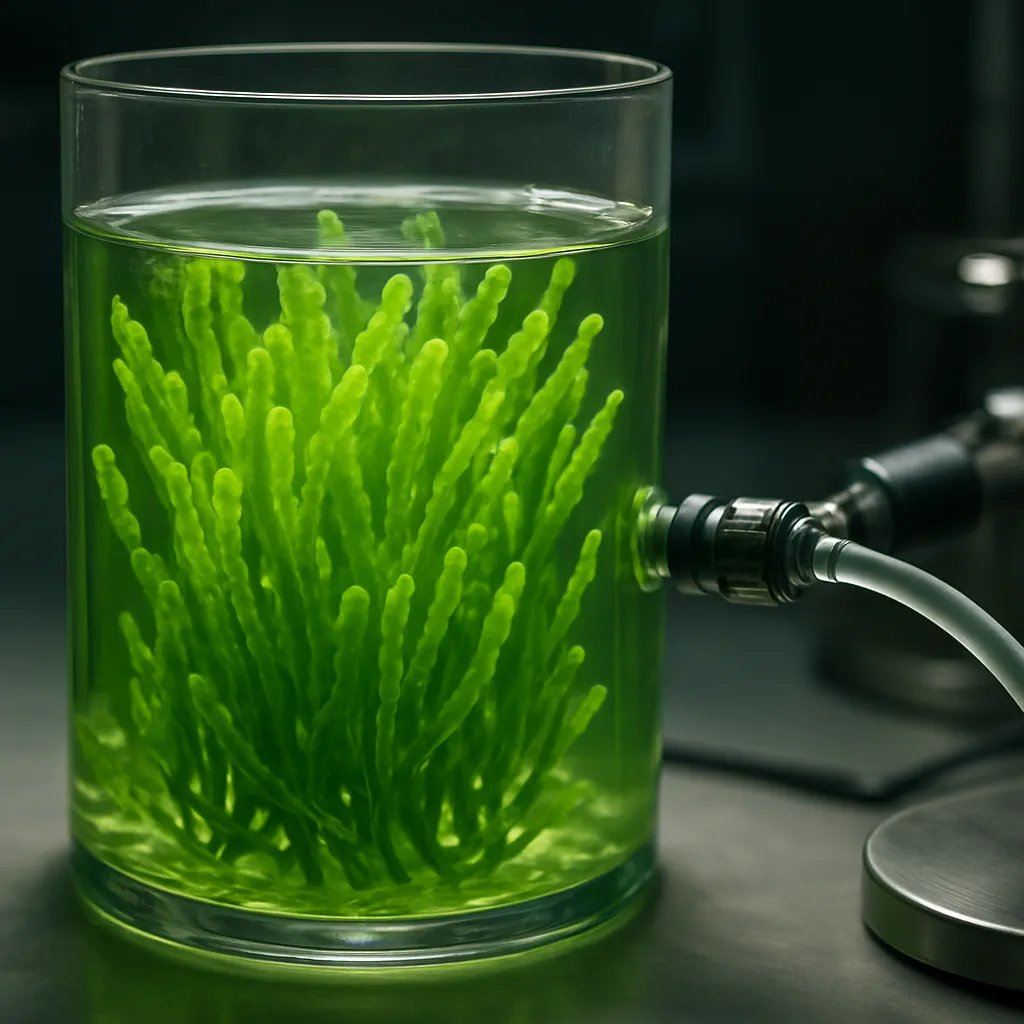
- Introduction of Radioprotective Proteins: Transferring genes from extremophiles known for their **xerotolerance** and radioresistance, such as Deinococcus radiodurans.
Combining in vitro selection for radiation tolerance with **dosimetry** feedback loops enables iterative improvement. Scientists can expose tissue cultures to graded doses of heavy ions and screen for surviving calli, which can then regenerate into whole plants with enhanced resistance.
Implementation in Bioregenerative Life Support Systems
Integrating radiation-resistant crops into bioregenerative life support systems (BLSS) is pivotal for closed-loop habitats. These systems must recycle air, water, and nutrients while producing reliable food supplies under space constraints and variable radiation levels.
Controlled Environment Agriculture
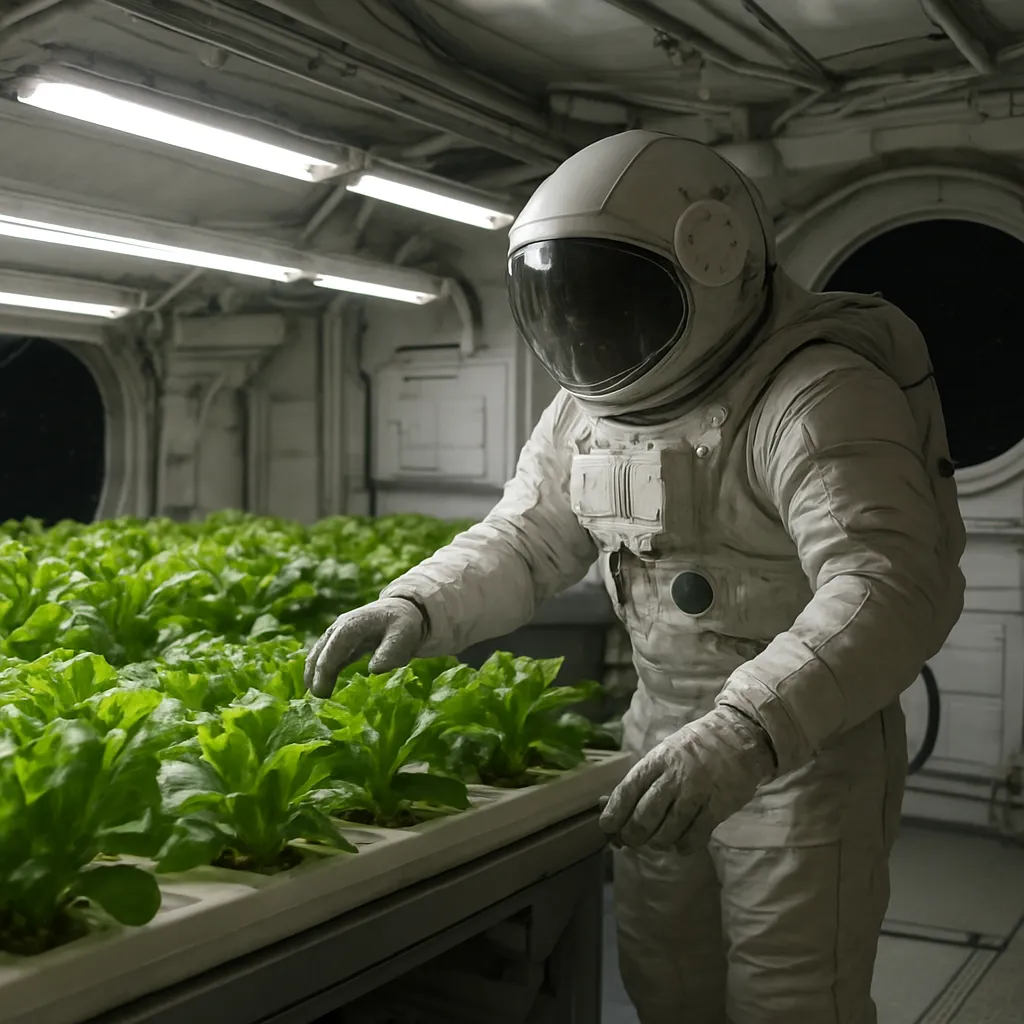
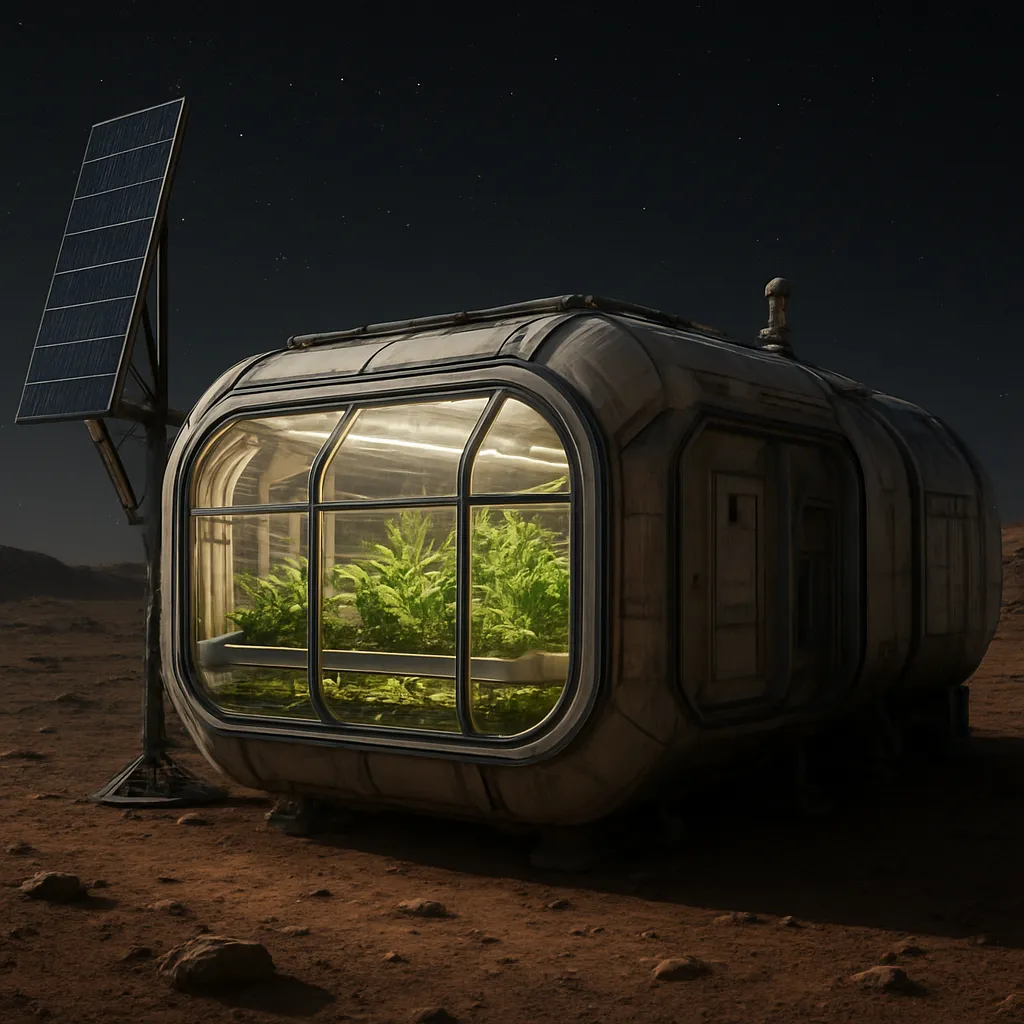
- Shielded Growth Chambers: Employing water walls, polyethylene panels, or regolith-based barriers to attenuate incoming radiation.
- LED Lighting Optimization: Providing tailored spectra to support photosynthesis while minimizing additional radiation stress.
- Automated Monitoring: Sensors track radiation flux, temperature, and humidity to adjust environmental parameters in real time.
Crop Selection and Rotation
- Fast-Growing Microgreens: Offering rapid harvest cycles and high nutritional density under low-light and moderate shielding conditions.
- Staple Grains: Engineering cereal crops with enhanced DNA repair capacity for long-term food security.
- Legumes and Nitrogen Fixers: Incorporating radiation-tolerant symbiotic bacteria to maintain soil fertility in hydroponic or aeroponic systems.
By focusing on **transgenic** enhancements alongside robust habitat design, BLSS can achieve greater redundancy and reduce reliance on Earth resupply missions. Continuous in situ experiments aboard orbital platforms and lunar outposts will refine protocols and validate plant performance under real cosmic radiation flux.
Challenges and Ethical Considerations
While the scientific prospects of engineering radiation-resistant crops are promising, several challenges and ethical questions must be addressed.
- Off-Target Effects: Genome editing tools may introduce unintended mutations affecting plant health or human safety.
- Regulatory Landscape: Approvals for genetically modified organisms (GMOs) vary internationally, and space-grown transgenics may fall into regulatory gray areas.
- Biodiversity Impacts: Overreliance on a few engineered cultivars could reduce genetic diversity, making crops vulnerable to novel pathogens.
- Long-Term Evolution: Continuous exposure to cosmic rays could drive unpredictable genetic drift, necessitating robust biosafety protocols.
- Ethical Deployment: Ensuring equitable access to technology and benefits, especially when future space settlements involve multinational crews.
Addressing these issues requires interdisciplinary collaboration among plant biologists, space engineers, ethicists, and policy makers. By fostering transparent dialogue and rigorous risk assessment, the cultivation of **xenobiology**-inspired crops can advance safely and responsibly, supporting humanity’s quest to become a multi-planetary species.