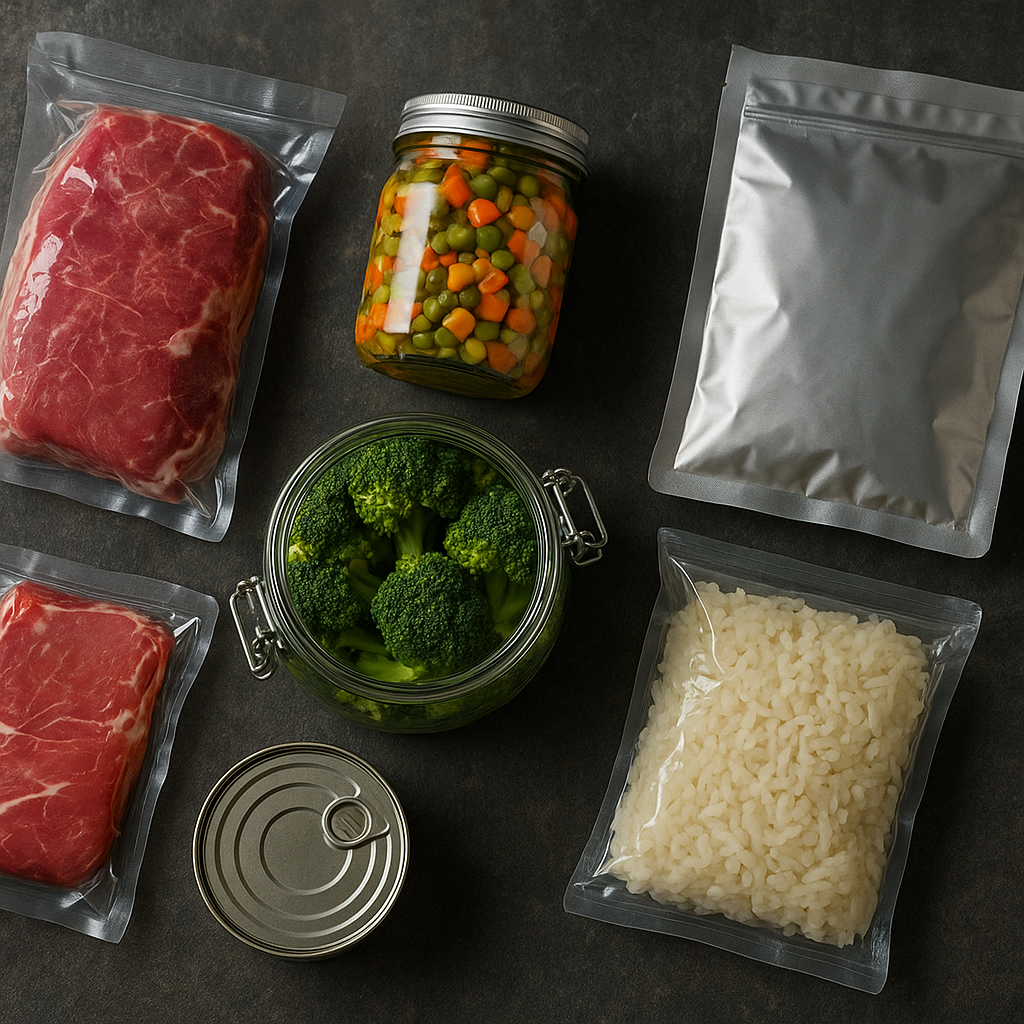
Interplanetary missions demand robust nutritional solutions that balance weight constraints, resource efficiency, and prolonged shelf life. By exploring emerging technology and harnessing advanced methods, scientists aim to ensure astronauts receive vital sustenance throughout extended voyages. This article examines critical aspects of crop cultivation, processing, and storage within extraterrestrial environments.
Challenges of Food Preservation in an Extraterrestrial Environment
Maintaining edible supplies during months or years of transit presents unique obstacles. Microbial growth, oxidative degradation, and texture changes accelerate without Earth’s protective atmosphere. Cosmic radiation can induce molecular damage, compromising vitamins and proteins essential for crew wellbeing. Meanwhile, closed-loop life support systems necessitate minimal waste generation and maximal resource recovery. Key challenges include:
- Controlling moisture levels to prevent spoilage and mold development.
- Protecting nutrient-rich compounds from radiation-induced breakdown.
- Designing minimal-mass equipment that integrates seamlessly with habitat modules.
- Ensuring palatability and texture retention during rehydration or reheating.
Innovative Preservation Techniques
Recent research focuses on leveraging emergent methods beyond conventional canning or freeze-drying. By drawing from terrestrial food science and tailoring it to the rigors of space, engineers create systems that maximize shelf stability while reducing energy demands.
High-Pressure Processing (HPP)
HPP subjects packaged foods to extreme hydrostatic pressure, inactivating pathogens without high temperatures. The nonthermal process preserves color, aroma, and majority of heat-sensitive nutrients. Advantages for long-duration missions include:
- Extended microbial safety without chemical preservatives.
- Retention of fresh-like sensory qualities.
- Compact machinery design compatible with modular habitats.
Desiccation and Advanced Drying
Traditional freeze-drying remains a cornerstone, but improvements in microwave-assisted and vacuum-infrared drying significantly reduce processing times. Enhanced control over moisture activity prevents oxidative rancidity in lipid-rich meals. Integration with in-situ resource utilization (ISRU) offers prospects for recycling waste brine or atmospheric water to recharge drying units, promoting sustainability.
Microbial Fermentation and Biotechnology
Leveraging beneficial microbes yields multiple benefits: flavor development, biopreservation, and production of functional compounds. Genetically optimized strains may synthesize essential amino acids or vitamins directly aboard spacecraft. This convergence of microbiology and fermentation science fosters closed-loop nutrient cycles, reducing reliance on Earth resupply.
Integration with Space Agriculture Systems
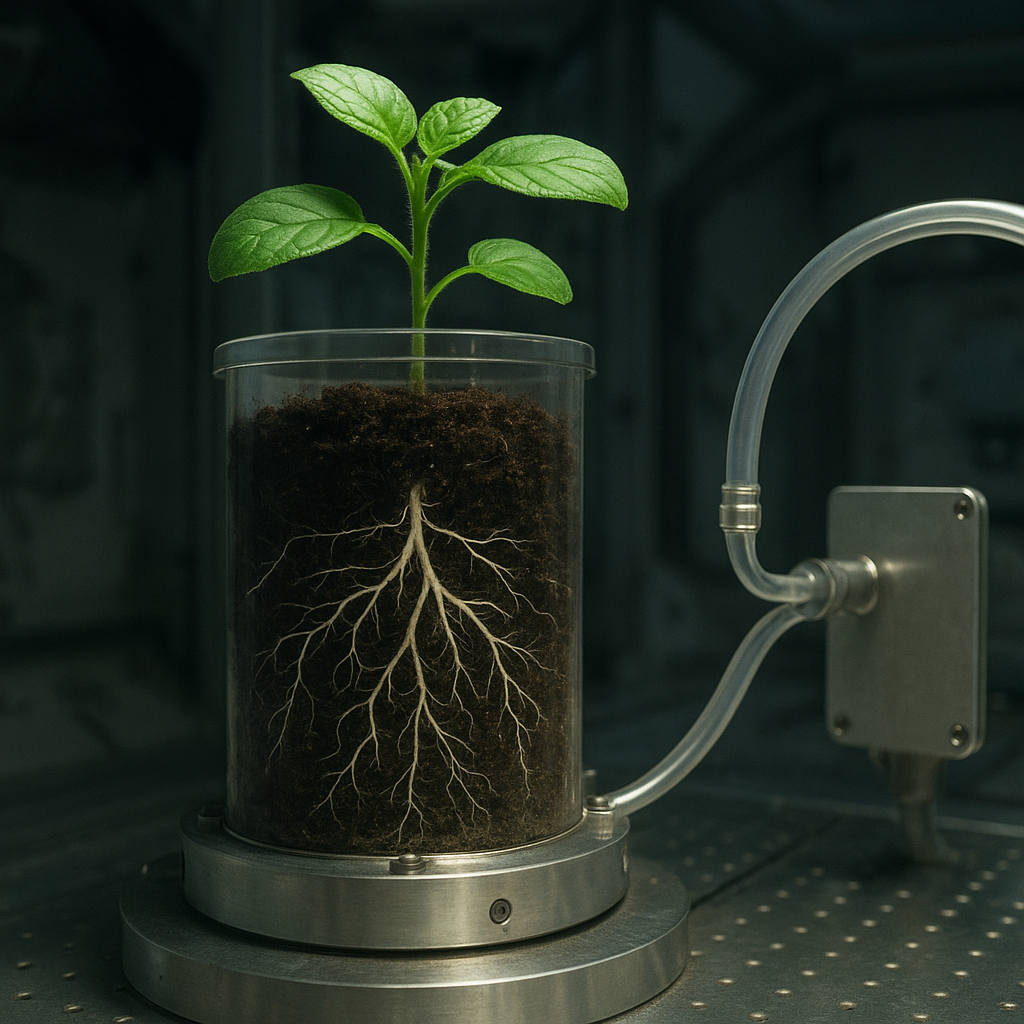
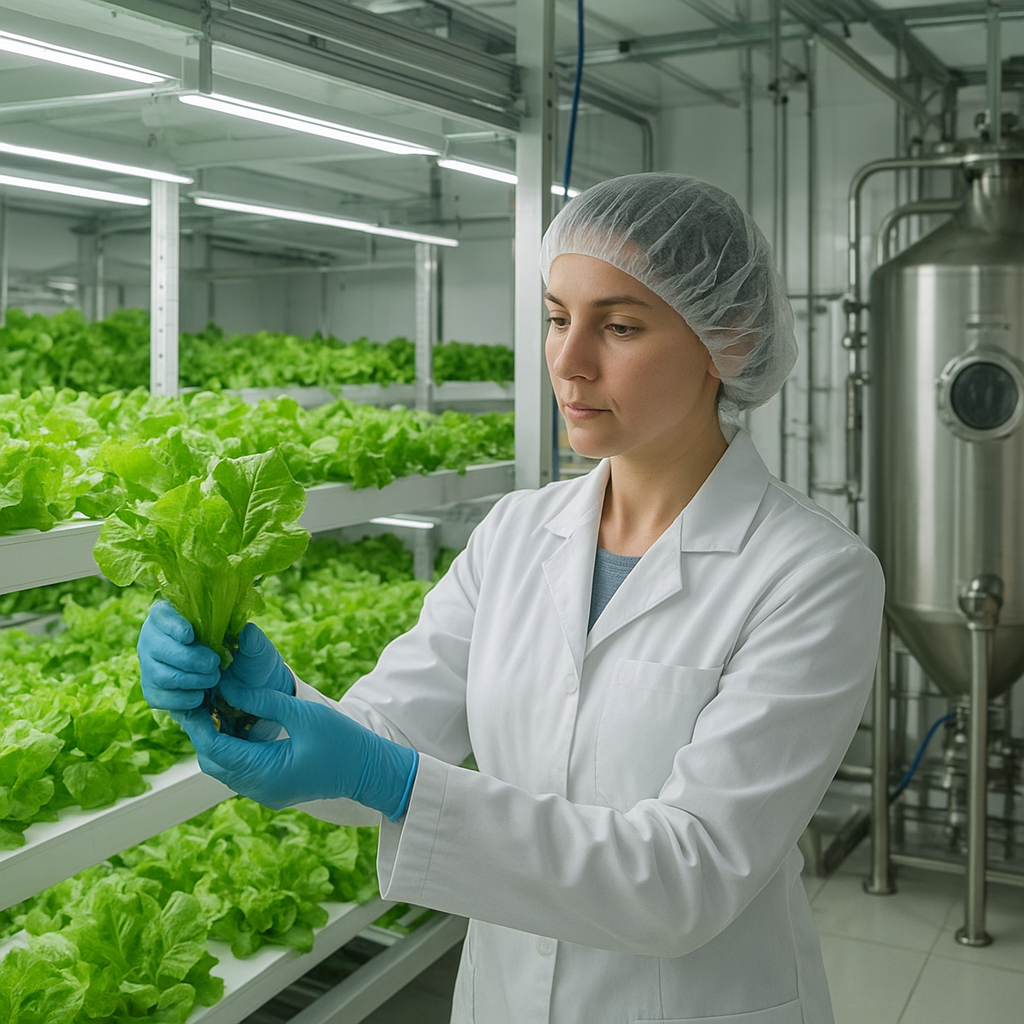
Beyond processed rations, cultivating fresh produce mitigates menu fatigue and supplements diets with phytochemicals absent in packaged alternatives. Controlled environment agriculture (CEA) modules aboard vessels or orbital stations combine hydroponics, aeroponics, and LED-driven photosynthesis. Preservation methods must align with harvest schedules and available energy budgets.
Postharvest Handling
Immediately after harvest, plant tissues undergo respiration and moisture loss. Techniques to extend shelf life of fresh greens include:
- Atmosphere modification via inert gas flushing to slow senescence.
- Electrolyzed water washes to reduce surface microbes without chemical residues.
- Automated cold-chain units that balance cooling demands with power limitations.
Value-Added Processing
Turning crops into dense powders or extracts multiplies their utility. For example, leafy vegetables transformed into micronutrient concentrates can be blended into soups or shakes, maximizing preservation efficiency. Techniques such as spray-drying with protective carriers maintain bioactive stability while minimizing volume.
Packaging and Storage Solutions
Packaging plays a pivotal role in shielding contents from environmental stressors. Advanced materials and designs must address vacuum, microgravity, and fluctuating temperatures.
Active and Intelligent Packaging
Incorporating oxygen scavengers, moisture regulators, and antimicrobial agents within films prolongs freshness. Smart packaging sensors monitor gas composition and integrity, transmitting real-time data to onboard systems. This integration of innovation and digital oversight reduces the risk of unnoticed spoilage.
Lightweight and Reconfigurable Containers
Multifunctional packaging that doubles as reusable cooking vessels or measurement molds enhances resource productivity. By leveraging composite polymers or metal-coated laminates, designers achieve barriers against radiation while keeping mass to a minimum.
Life-Cycle Considerations and Closed-Loop Sustainability
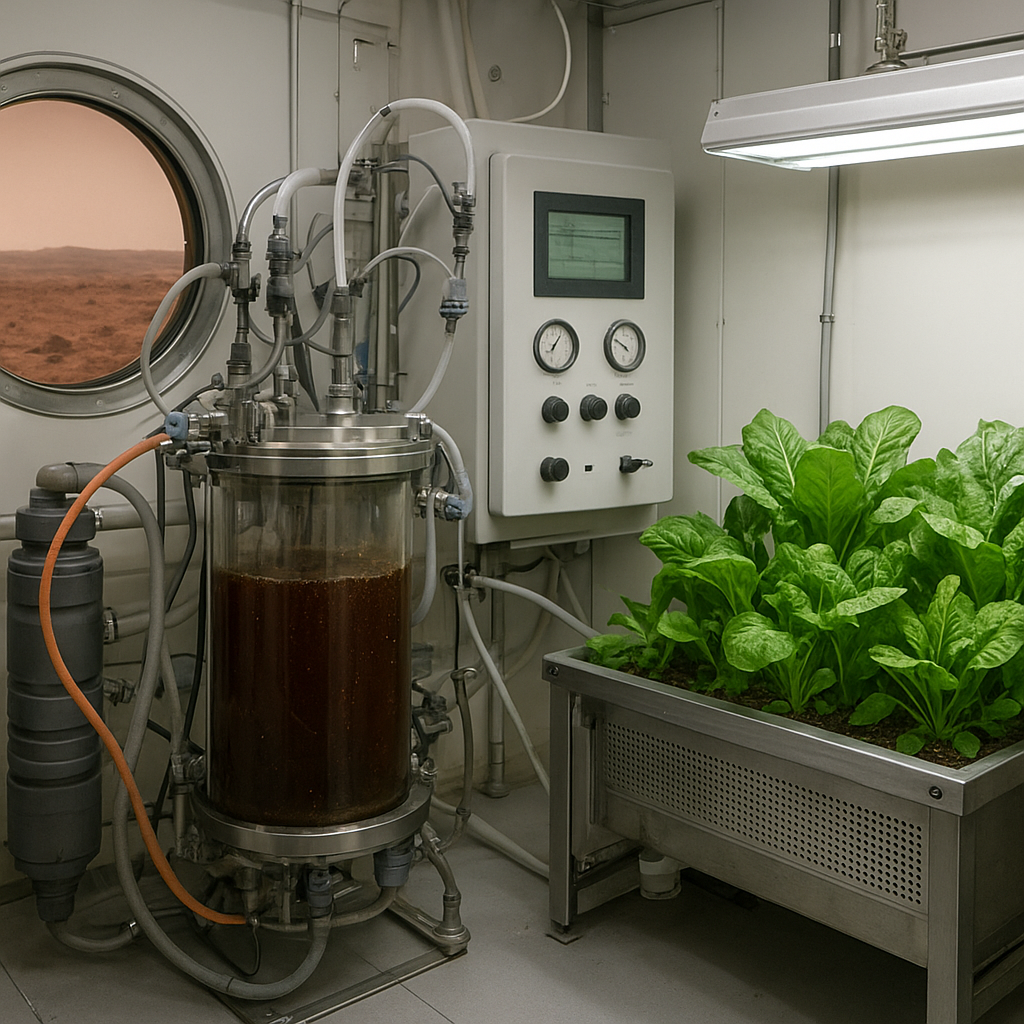
To support perpetual missions, systems must enable recovery and recycling of organic waste streams. Food scraps and processing brines can be composted or directed to bioreactors that regenerate fertilizers or microbial biomass. This holistic approach to resource management ensures minimal dependence on Earth-bound logistics.
- Valorization of inedible residues through anaerobic digestion yields methane for heating or power.
- Nutrient recovery technologies reclaim nitrogen and phosphorus for hydroponic nutrient solutions.
- Modular farm units adapt to varying crew sizes and mission durations.
Future Directions in Extraterrestrial Food Systems
Ongoing exploration of additive manufacturing and synthetic biology promises to transform food webs in microgravity. Potential breakthroughs include 3D-printed protein matrices fortified with tailored micronutrients, minimizing the need for large stockpiles of pre-packaged meals. Additionally, in-situ extraction of water from asteroid materials could feed dehydrators and support cryogenic storage, further enhancing logistical resilience.
As humanity extends its reach beyond Earth orbit, the interplay of CEA, packaging science, and novel processing methods will underpin mission success. By continuously refining preservation protocols and embracing adaptive frameworks, spacefarers can look forward to an era where nutritional well-being coexists with the ingenuity of interplanetary engineering.