Establishing reliable food production beyond our planet is a cornerstone of any vision for permanent human presence in deep space. As missions extend to Mars, lunar outposts and potentially free-flying habitats, astronauts cannot rely solely on Earth resupply. Implementing sustainable agricultural systems addresses not only caloric requirements but also psychological well-being, air revitalization and water purification. This article explores the major obstacles and the cutting-edge strategies being developed to secure nourishment in extraterrestrial environments.
Challenges of Sustaining Agriculture in Microgravity
Deep space environments impose a series of unprecedented constraints on conventional farming methods. Microgravity affects fluid behavior, root development and gas exchange. Cosmic radiation poses mutagenic risks, while closed containers magnify issues of disease proliferation and nutrient imbalances. To overcome these hurdles, researchers must engineer systems that mimic Earth’s biosphere within tight mass and volume budgets.
Substrate and Root Support
Without gravity to pull water and nutrients downward, plant roots can suffocate or develop erratically. Scientists are testing specialized growth media such as aerogels, granular zeolites and volcanic basalt particles. These substrates retain moisture and deliver oxygen uniformly, allowing roots to anchor and absorb essential elements in all directions.
Atmospheric Regulation
Maintaining optimal levels of carbon dioxide, oxygen and humidity is critical. Excess moisture can foster pathogenic fungi, while insufficient humidity damages leaf tissues. Advanced environmental control units integrate sensors for real-time monitoring of gas concentrations, using scrubbers and condensers to stabilize the atmosphere automatically.
Radiation Shielding
Beyond Earth’s magnetosphere, galactic cosmic rays and solar particle events can impair photosynthesis and cause genetic damage. Solutions include embedding growth chambers within water tanks, employing hydrogen-rich plastics or using regolith shielding for lunar greenhouses. Each approach balances protection with overall system mass.
Innovative Agricultural Systems for Deep Space
To maximize productivity in confined habitats, multiple soilless cultivation techniques are under development. These systems emphasize minimal water use, rapid crop cycles and modular scalability. By coupling biological diversity with technological precision, space farmers can harvest fresh produce reliably.
Hydroponics and Nutrient Film Technique
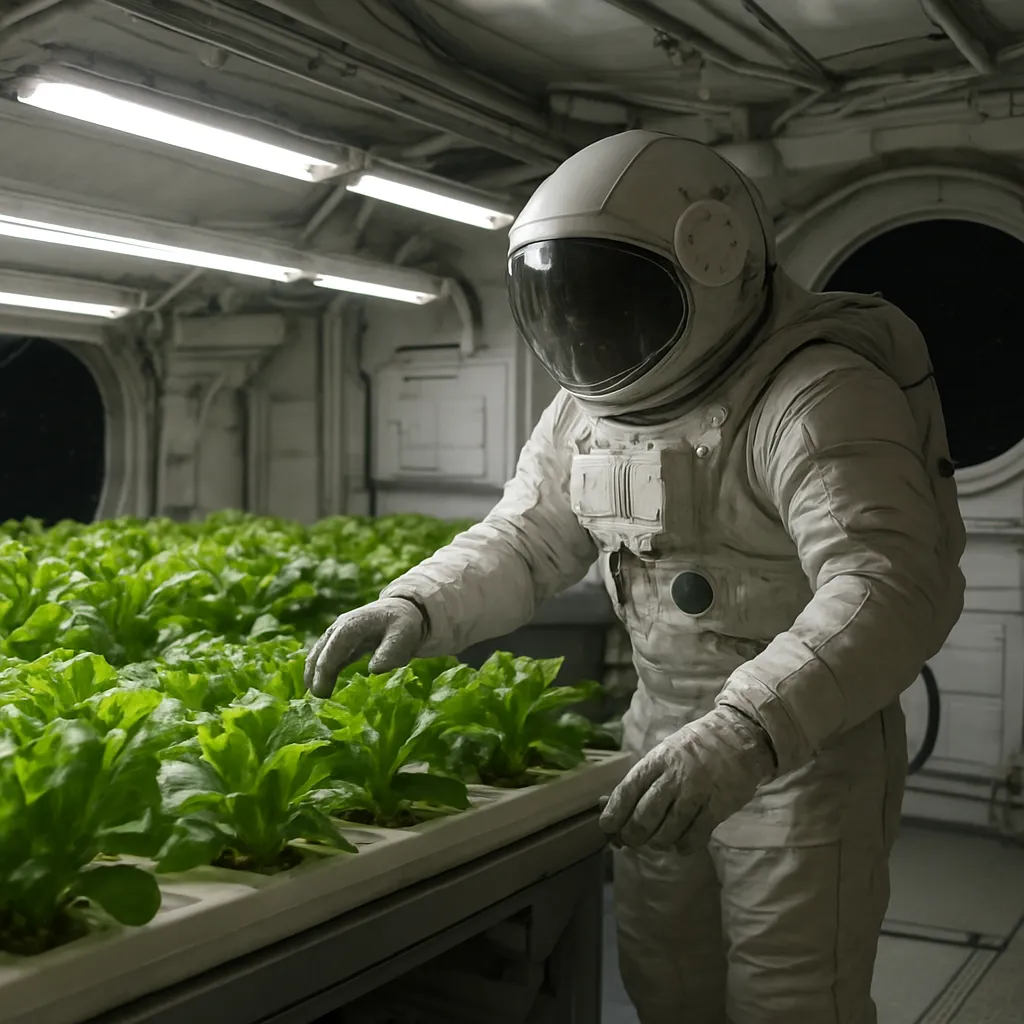
Hydroponics circulates nutrient-enriched water over plant roots, eliminating the need for bulk soil. The nutrient film technique (NFT) employs a thin liquid layer flowing continuously, promoting efficient uptake and easy monitoring of pH and electrical conductivity. On the International Space Station, leafy greens grown via NFT have demonstrated high germination rates and robust yields.
Aeroponics for Water Efficiency
Aeroponic systems mist roots with nutrient solution droplets, reducing water use by up to 95 percent compared to soil. In microgravity, specialized ultrasonic nebulizers create ultra-fine mists, preventing droplet coalescence. This water-saving approach is especially valuable when every liter carried from Earth adds considerable mass to a mission.
Bioregenerative Life Support
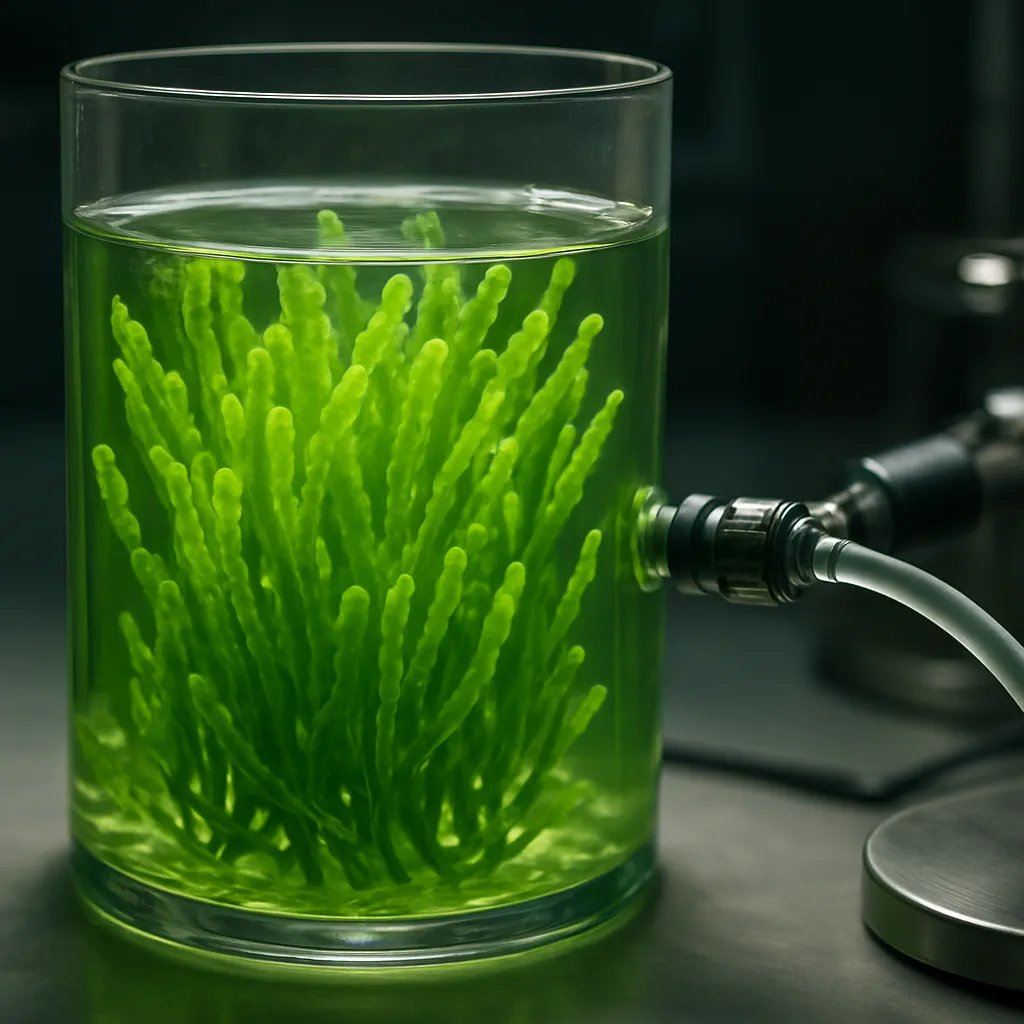
A holistic approach integrates plants with microbial bioreactors. Wastewater is purified through plant uptake and bacterial digestion, producing fresh water and biomass. Simultaneously, carbon dioxide from human respiration is converted to oxygen via photosynthesis. This closed-loop cycle aims to drastically reduce reliance on external resources.
Integration of Technology and Automation
Manually tending crops in space demands valuable crew time that could be devoted to mission-critical tasks. Robotics, artificial intelligence and sensor networks enable autonomous crop management, ensuring consistent growth and minimizing human intervention.
Robotic Tending and Harvesting
Robotic arms equipped with soft grippers can plant seedlings, prune foliage and harvest vegetables. Vision systems identify plant health indicators such as leaf color and turgidity. By combining machine learning algorithms with tactile feedback, robots can adapt to individual plant needs and unpredictable environmental changes.
AI-Driven Growth Optimization
Data from multispectral cameras, moisture sensors and atmospheric probes feed into AI models that predict stress events before symptoms appear. These models adjust lighting spectra, nutrient ratios and irrigation schedules automatically. The result is maximized yield per unit volume and early detection of pest or disease outbreaks.
Resource Recycling and Monitoring
Precise recycling of water, nutrients and gases is essential for mission sustainability. Integrated sensor arrays track every drop of water and gram of fertilizer, alerting crews to leaks or imbalances. Advanced membranes and catalytic converters restore water from humidity and scrub excess carbon dioxide from the cabin air.
Future Directions and Research Priorities
As humanity prepares for longer voyages and eventual off-world settlements, several key research avenues will define the next generation of space agriculture:
- Genetic Engineering: Developing crop varieties with enhanced radiation tolerance, rapid growth cycles and high nutrient density.
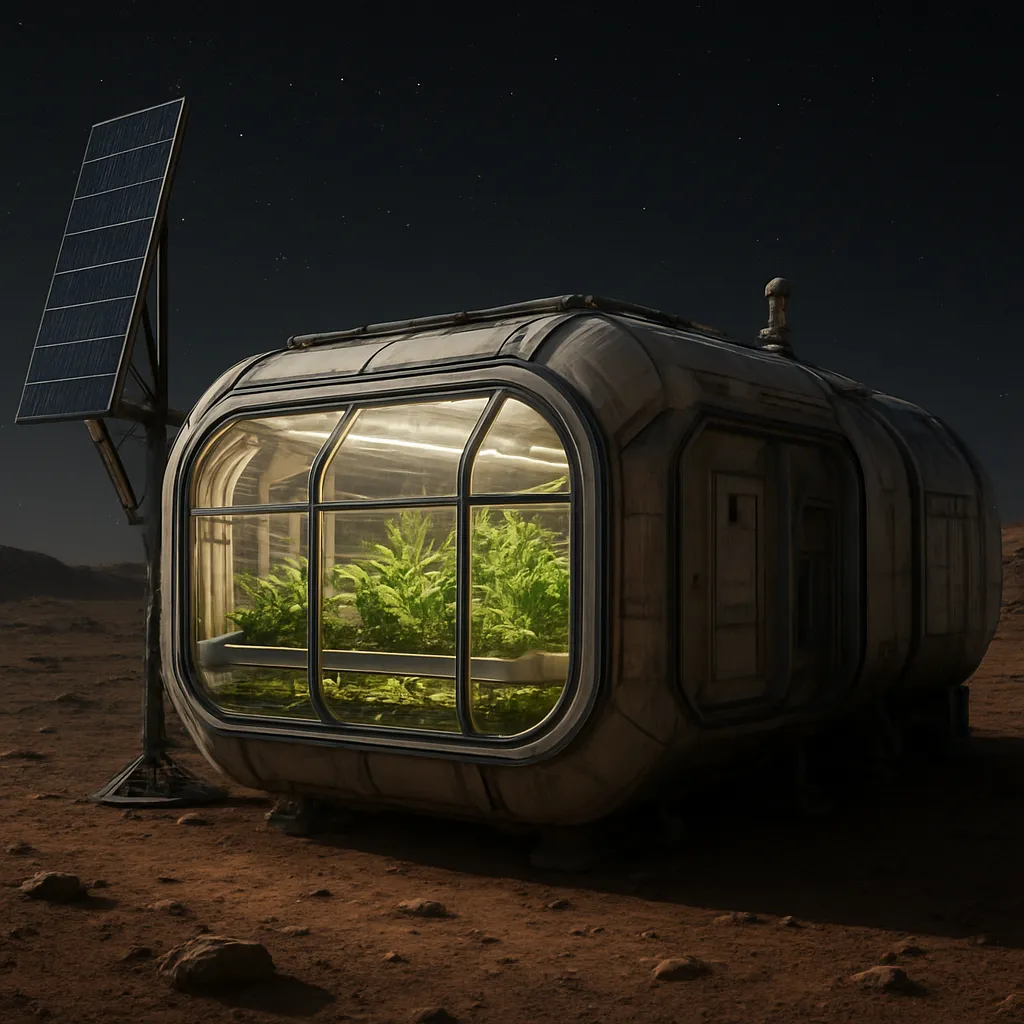
- Modular Habitat Design: Creating expandable greenhouses that can be assembled from pre-fabricated units, minimizing launch volume.
- In Situ Resource Utilization: Using local materials such as lunar regolith or Martian soil simulants as growth media after biochemical treatment.
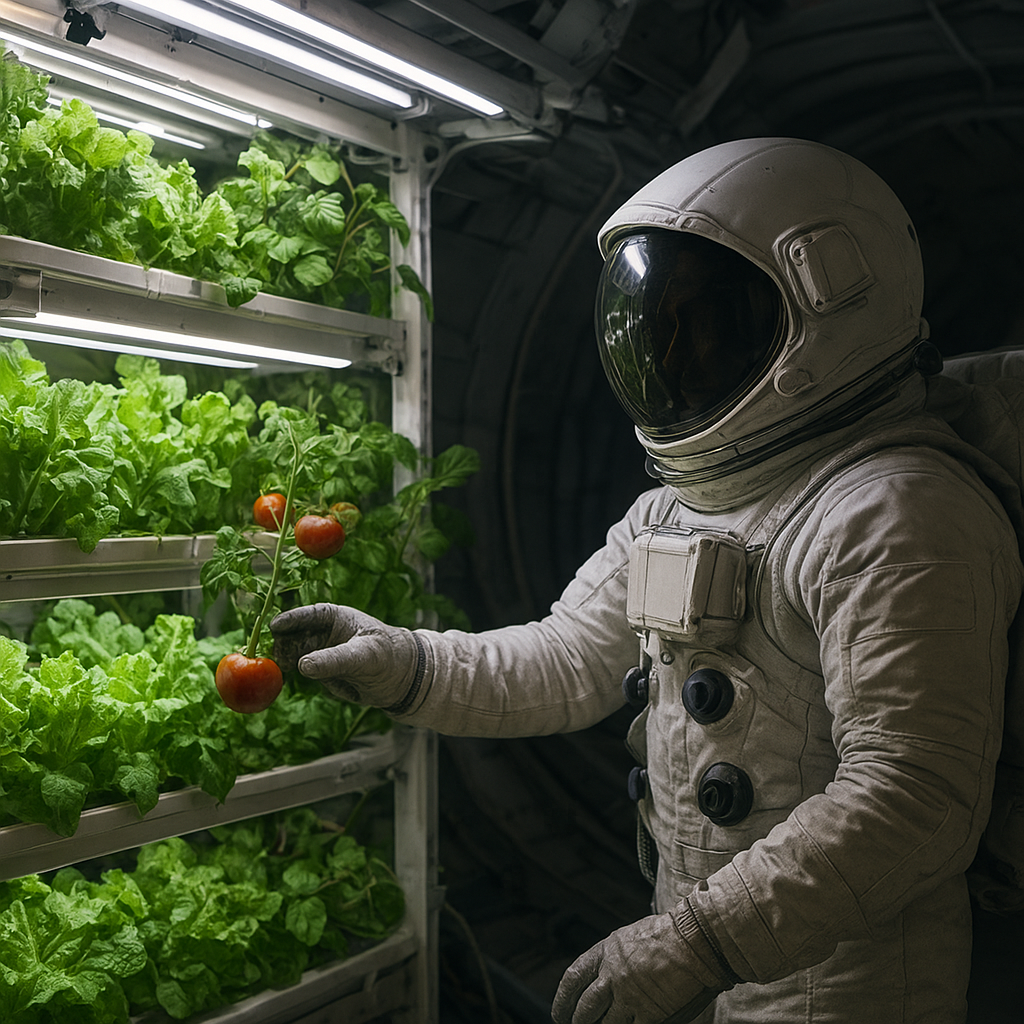
- Vertical Farming Integration: Stacking crop layers under optimized LED lighting to multiply yield within compact habitats.
- Human-Plant Interactions: Studying psychological benefits of tending living plants to improve crew morale and mental health.
Through a blend of biotechnological innovation, advanced engineering and an unwavering commitment to resilience, future explorers will cultivate thriving ecosystems millions of miles from Earth. Filling spacecraft with fresh greens, rooting systems in alien soils and harnessing microbial allies are no longer science fiction but essential steps toward our destiny among the stars.