The quest to cultivate plants beyond our planet demands revolutionary materials capable of withstanding extreme conditions while nurturing delicate ecosystems. As we design the next generation of space greenhouses, researchers explore a spectrum of innovations—from ultra-lightweight structural alloys to dynamic smart films—that can simultaneously shield crops from cosmic hazards and optimize photosynthesis. By integrating these futuristic components, future habitats on the Moon, Mars, or deep-space stations will transform barren modules into verdant, self-sustaining oases.
Innovative Structural Composites
Building robust yet lightweight frames for off-world greenhouses challenges engineers to balance strength, durability, and mass. Traditional aluminum or steel structures are replaced by advanced polymer blends and fiber-reinforced laminates. These polymeric composites integrate carbon nanotubes or ceramic whiskers to boost tensile strength without prohibitive weight penalties. Customizable lattice arrays can be 3D-printed in situ using regolith-derived binders, cutting launch mass and enabling local resource utilization.
Adaptable Lattice Designs
Deployable truss systems, fabricated from memory alloys, can unfold automatically once in microgravity. By merging shape-memory elements with high-modulus fibers, these trusses form self-supporting domes that adjust geometry under thermal cycling. Smart joints, embedded with sensor networks, relay real-time data on stress distribution, ensuring continuous structural health monitoring and early warning of material fatigue or fractures.
Regolith-Based Composites
Using lunar or Martian soil as a primary ingredient, researchers have developed geopolymer matrices enriched with basaltic aggregates. The resulting concrete-like panels exhibit impressive compressive strength while providing inherent micrometeoroid shielding. Layering such panels with inflatable bladders creates hybrid walls that combine rigidity and resilience, insulating interior volumes against temperature swings and small impacts.
Advanced Optical and Insulative Films
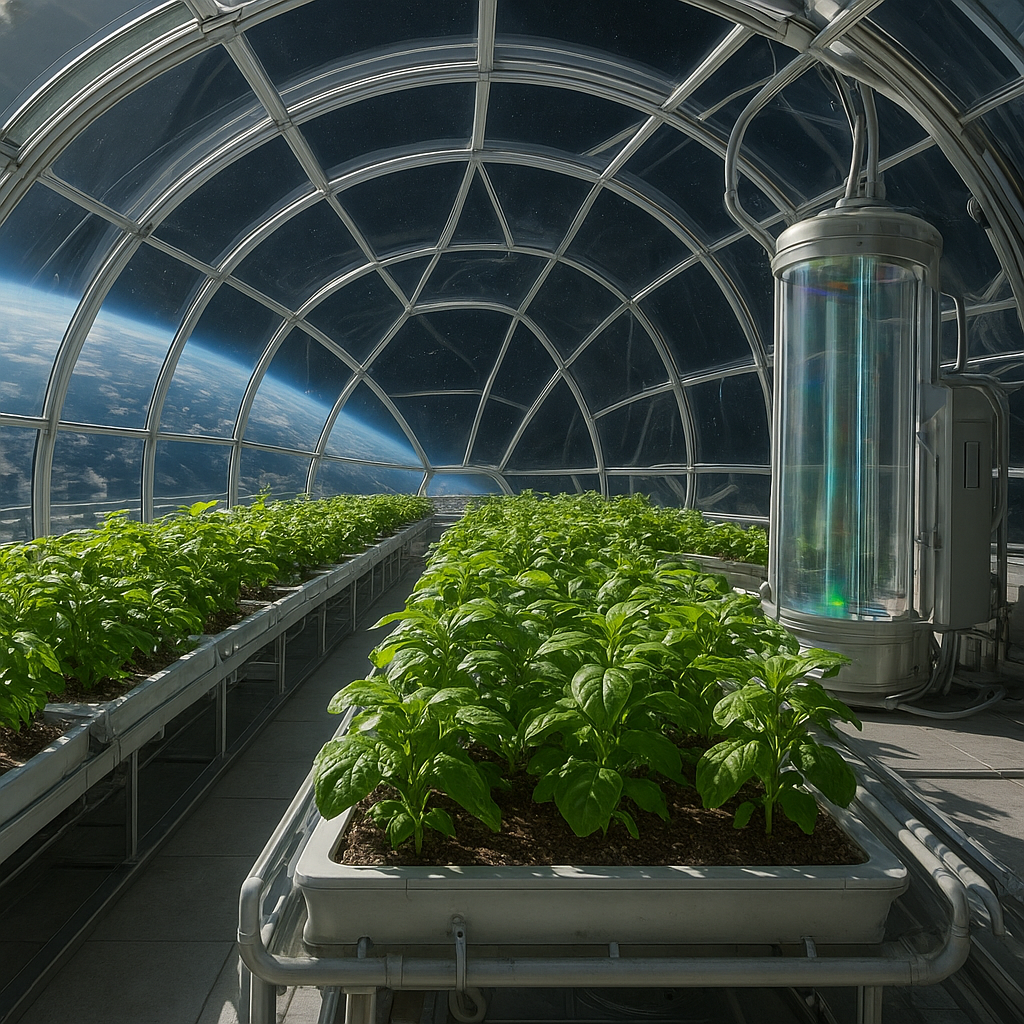
Effective greenhouse envelopes must maximize light transmission for photosynthesis while blocking harmful high-energy particles and thermal radiation. Next-gen glazing employs multi-layer coatings on ultra-thin polymer sheets. Nano-engineered photonic lattices reflect UV and X-ray wavelengths, converting them into visible bands that boost plant growth. These films can be tuned to specific spectral profiles, matching the absorption peaks of target crops.
Spectral Filtering Layers
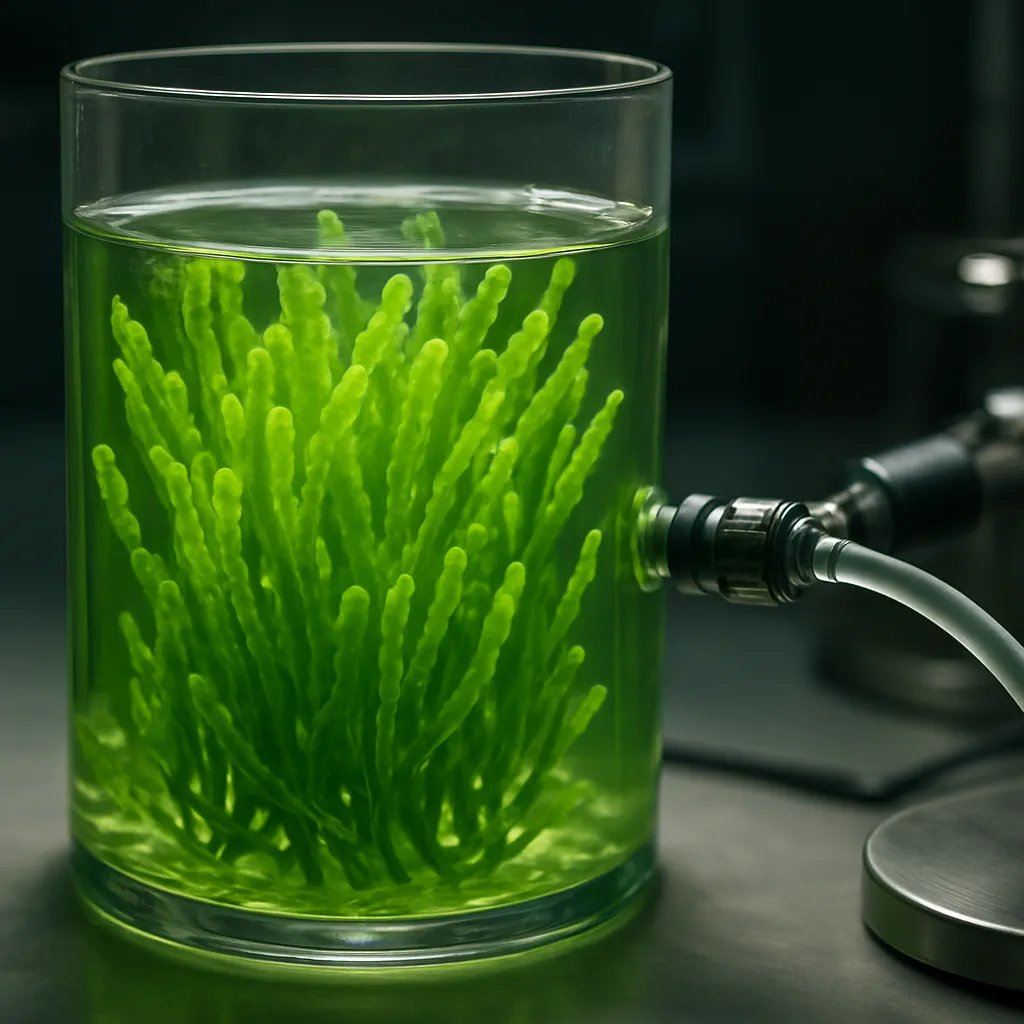
Incorporating rare-earth-doped phosphors within a polymer matrix yields luminescent filters that down-convert violet and blue photons into red and far-red light, optimizing the effectiveness of photobioreactor systems. Such spectral converters also trap infrared energy, redirecting it as heat to stabilize greenhouse temperature during the long lunar night or Martian winter.
Thermal Control Aerogels
Silica-based aerogel blankets, less than 5 millimeters thick, provide unprecedented thermal insulation, reducing heat loss by over 90%. These translucent blankets can be applied directly onto the inner surfaces of transparent panels, allowing diffused sunlight to permeate while maintaining interior warmth. Their low mass and flexibility make them ideal for packable habitats.
Smart and Self-Healing Materials
Long-duration missions require habitats that autonomously repair minor damage. Self-healing coatings, infused with microcapsules of polymer precursors, activate upon crack formation. When the capsule shell ruptures, the healing agent flows and polymerizes, sealing breaches before they propagate. Combining these systems with embedded conductive networks enables targeted thermal curing via localized heating.
Shape-Memory and Responsive Surfaces
Photoresponsive polymers, integrated into greenhouse shutters, adjust opacity under varying sunlight intensities. By blending spiropyran derivatives into thin films, the material darkens under ultraviolet radiation, preventing overheating, and reverts to transparency when UV levels drop. This passive regulation reduces reliance on mechanical louvers.
Impact-Resistant Layering
Multi-layer barrier films, alternating hard and soft segments, dissipate the kinetic energy of micrometeoroids. Hard outer layers shatter the projectile while underlying elastomeric films absorb shock. Coupled with interior self-healing membranes, breaches can be sealed promptly, ensuring no loss of atmosphere or plant health.
Integration of Nano-Engineered Systems
Nanotechnology underpins many of these material breakthroughs. Incorporating graphene sheets into composite panels enhances electrical conductivity, creating structural elements that double as power conduits for distributed sensors. Nanoporous membranes made from metal-organic frameworks facilitate selective gas exchange, optimizing carbon dioxide enrichment and oxygen removal.
- High-surface-area catalysts promote nutrient recycling by accelerating microbial breakdown of organic waste.
- Water management employs nano-filtration to reclaim up to 99% of transpired moisture from plant leaves.
- Sensors built on carbon nanotube arrays monitor pH, humidity, and nutrient levels in real time, feeding data to AI-driven control systems.
Such integrated nano-systems reduce overall mass by combining multiple functions into monolithic components, exemplifying true multidisciplinary synergy.
Synergy with Space Agriculture Technologies
Material innovations must coalesce with plant cultivation strategies. Hydroponic channels molded from UV-resistant polymers distribute nutrient solutions precisely, while aeroponic misters atomize water into micron-scale droplets, enhancing root oxygenation. These plumbing networks are fabricated using flexible composites that can be rolled up during transport and unfurled on-site.
Advances in microbial biofilms, cultivated on biopolymer scaffolds, enable in situ production of growth hormones and bioplastics from crop residues. By integrating hydroponics with microbial reactors embedded in wall panels, closed-loop ecosystems maintain nutrient balance, minimize waste, and adapt to changing mission parameters.
Radiation shielding, achieved through multi-functional layers of regolith composites and smart films, ensures that both plants and crew are protected from harmful radiation. Meanwhile, transparent ceramics facilitate natural light transmission, reducing reliance on artificial LEDs. The convergence of material science, nanotechnology, and agricultural engineering heralds a new era of off-world farming, where resilient greenhouses become the lifeblood of human expansion into the cosmos.