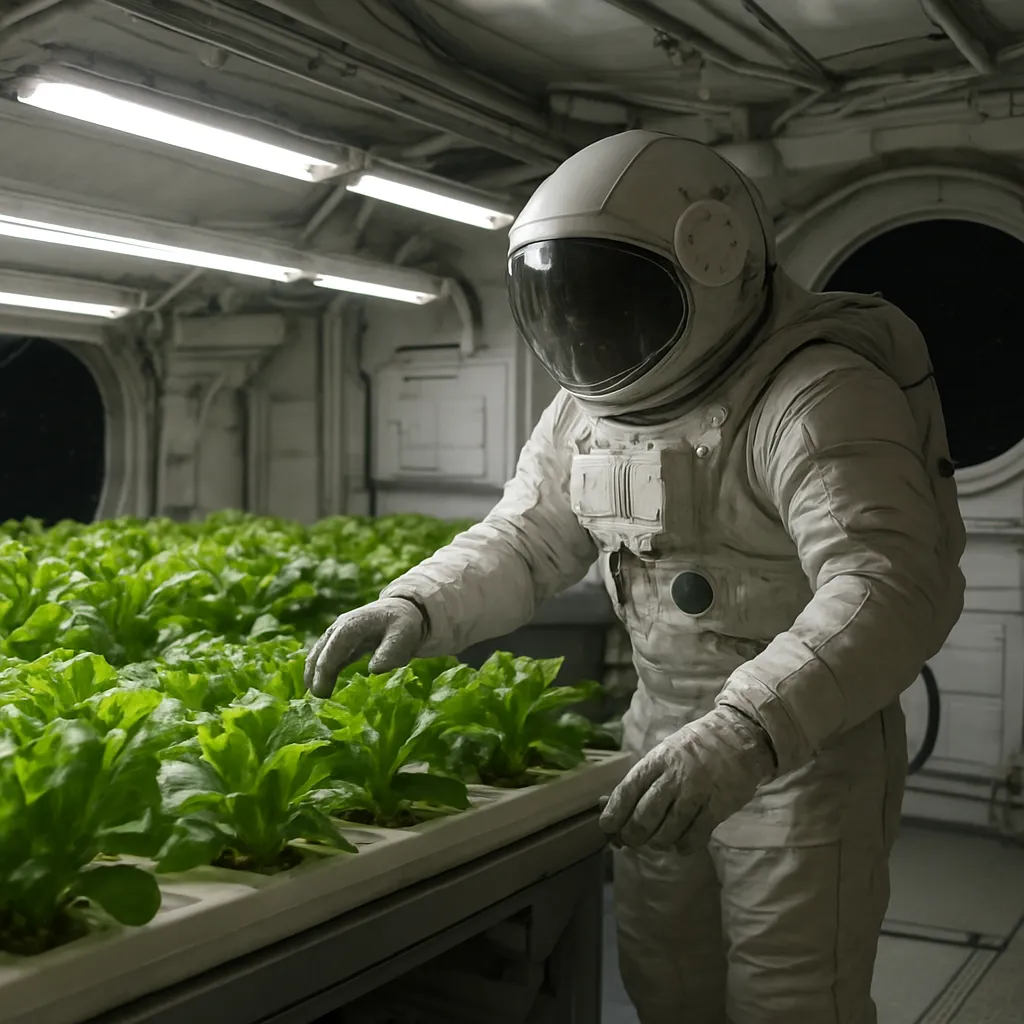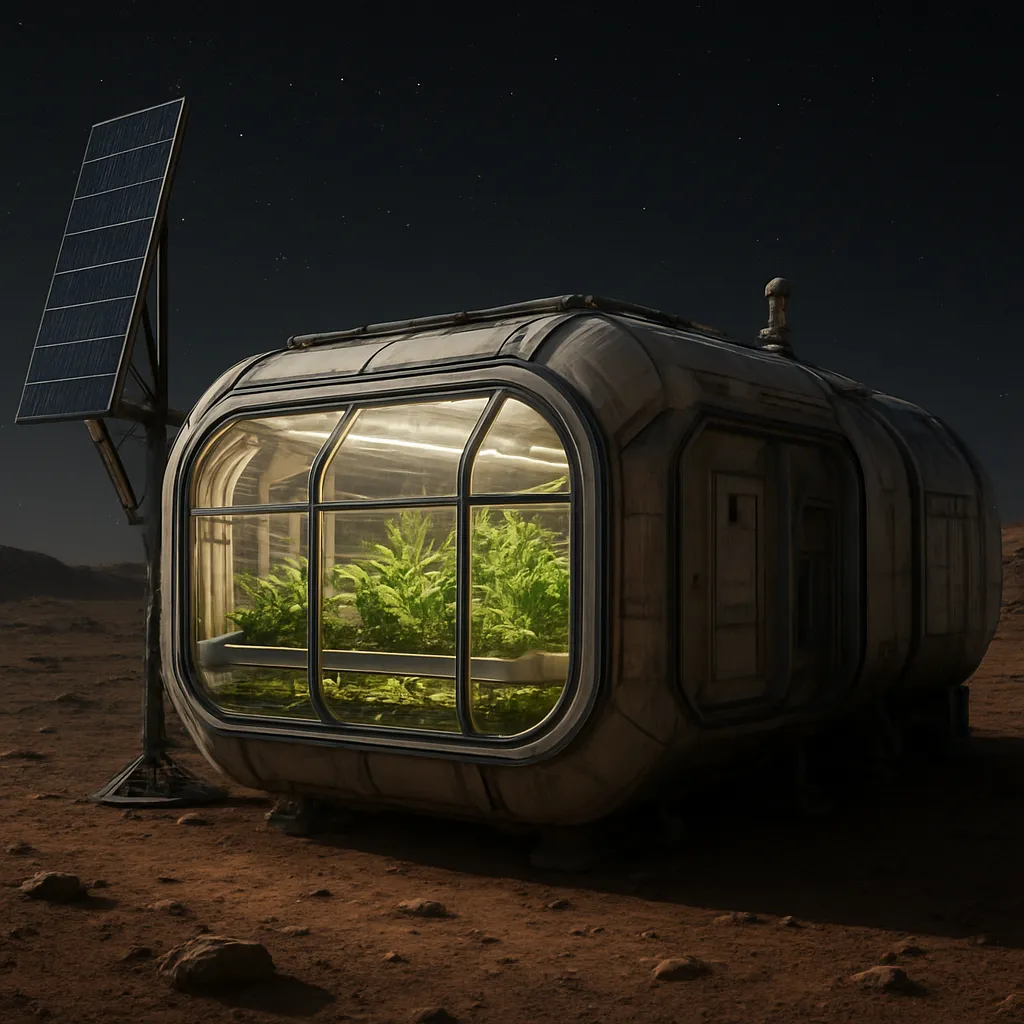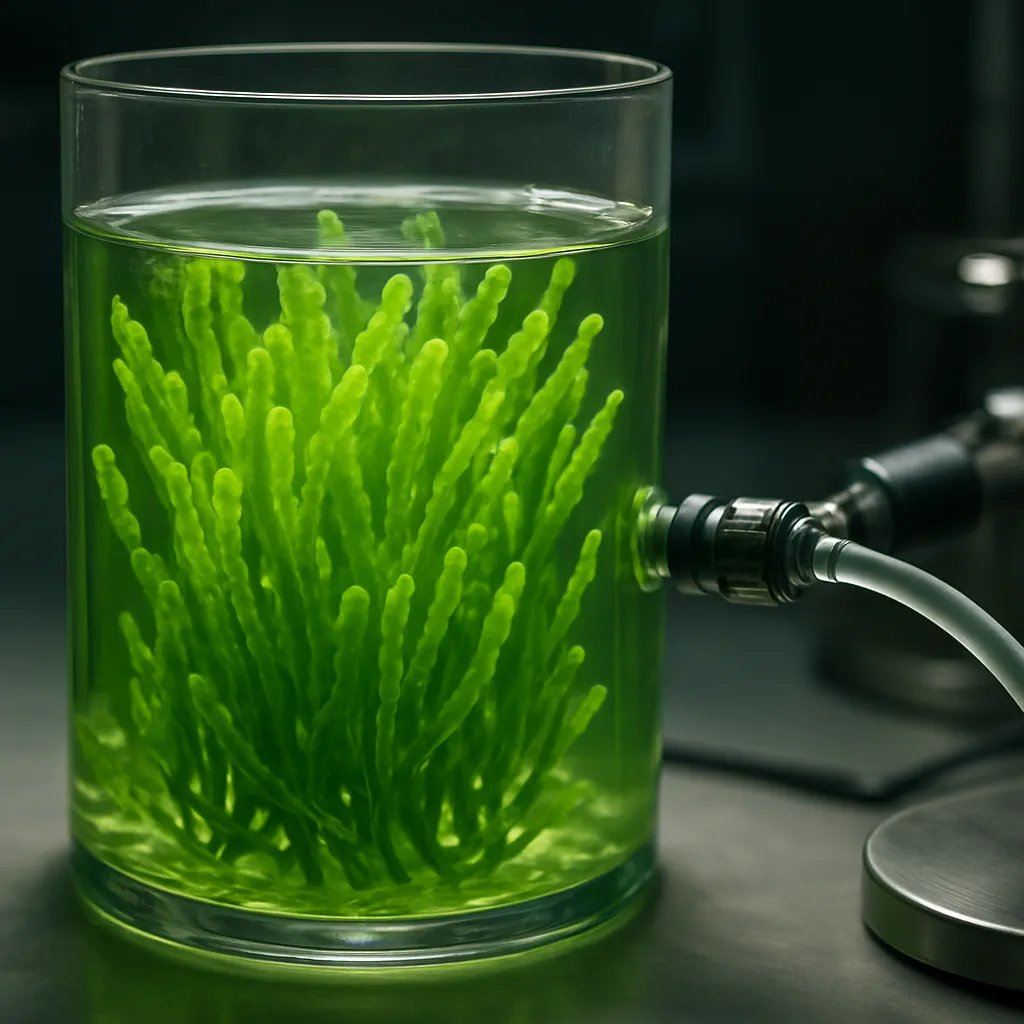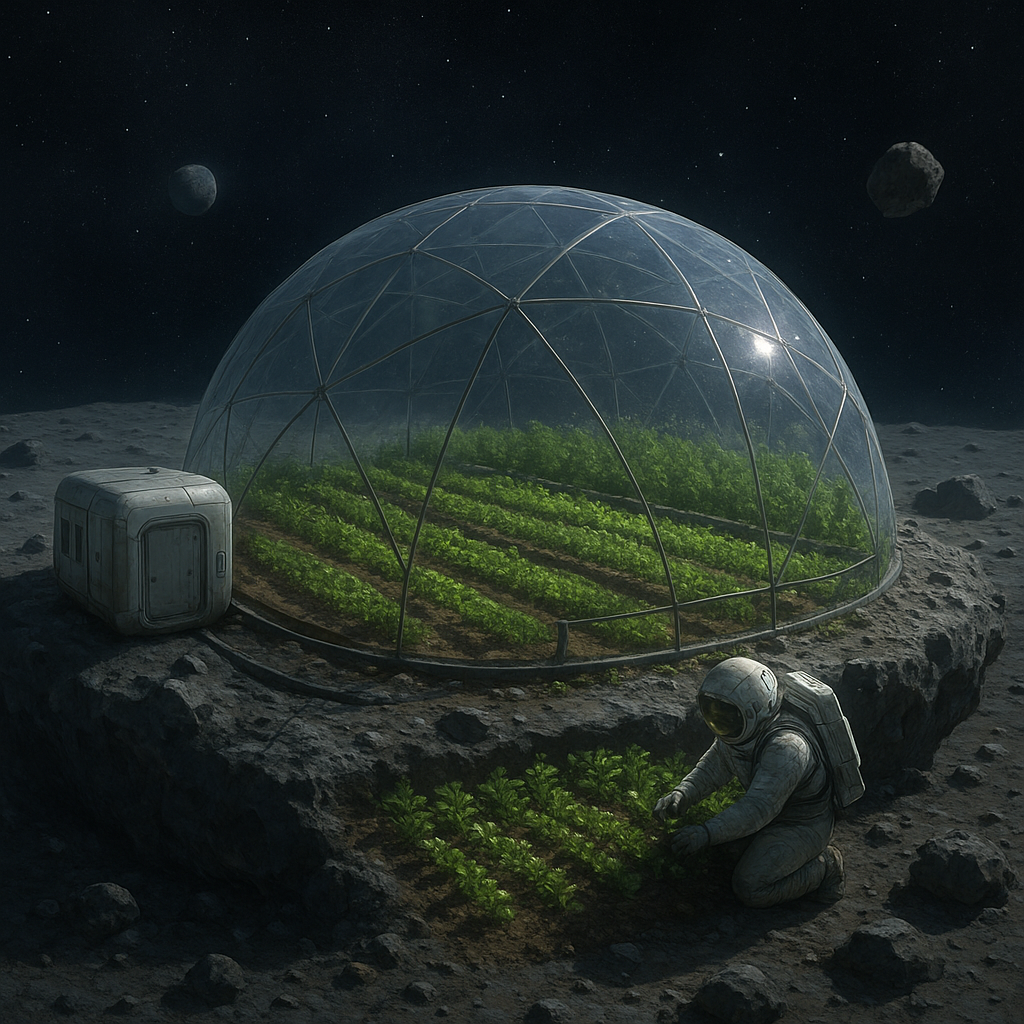
The prospect of cultivating **food** on small celestial bodies such as **asteroids** offers a bold vision for expanding human presence into deep space. By developing a robust theoretical framework, researchers aim to address the formidable obstacles of microgravity, extreme **radiation**, and limited resources. This exploration integrates disciplines from **agriculture** science to space engineering, ultimately striving for self-sufficient off-Earth **habitats**.
Background and Motivation
Long-duration missions to Mars and beyond demand reliable systems for producing fresh produce, as resupply from Earth becomes impractical. The concept of in-situ cultivation on **asteroids** holds two key benefits: reducing logistic costs by sourcing raw materials locally, and creating life support synergies through closed-loop **resource** management. Historically, experiments on the International Space Station have demonstrated seed germination and plant growth under **microgravity**, but scaling such initiatives to small, irregular bodies introduces new complexities.
Historical Precedents
- Early space agriculture trials involving hydroponic lettuce and wheat on orbiting platforms.
- Bioengineering studies focusing on plant adaptation to cosmic **radiation**.
- Conceptual missions such as Biosphere 2 that tested closed ecological systems on Earth.
Key Drivers
- Increasing interest in asteroid mining for water and metal resources.
- Desire to minimize Earth-dependent supply chains in **deep** space.
- Potential for scientific breakthroughs in plant biology under **unique** stress conditions.
Asteroid Environment and Challenges
The physical and chemical environment of most asteroids poses significant obstacles to agriculture. Understanding these factors is essential for crafting viable cultivation systems.
Microgravity and Low-Gravity Effects
With gravitational accelerations often thousands of times lower than Earth’s, asteroids create unusual fluid dynamics. **Microgravity** impacts water distribution in root zones, compromising nutrient uptake. Moreover, lack of substantial gravitational pressure can alter plant cell wall formation and structural integrity.
Regolith Composition and Toxicity
- A typical asteroid regolith contains silicates, metal oxides, and sometimes perchlorates, which are toxic to most crops.
- **Bioengineering** microbes may be required to neutralize harmful compounds or transform regolith into a growth medium.
- The scarcity of nitrogen and organic matter necessitates synthetic or recycled nutrient sources.
Radiation and Temperature Extremes
Without a magnetic field or thick atmosphere, asteroids are exposed to high-energy particles and ultraviolet flux. This **radiation** can damage plant DNA and disrupt cellular processes. Daily temperature swings can exceed 100°C, making strict thermal control indispensable.
Cultivation Strategies in Microgravity
To overcome the challenges posed by asteroid environments, researchers propose adaptive cultivation techniques that leverage both innovative engineering and biological resilience.
Hydroponic and Aeroponic Systems
- Closed-loop **hydroponics** allows precise control of nutrient delivery and water reuse, critical in water-scarce settings.
- Aeroponic sprayers could maintain fine mist around roots, ensuring oxygenation and nutrient diffusion even with low gravity.
- Sensors integrated into root modules monitor pH, ionic strength, and moisture levels.
Regolith-Based Growth Media
Turning asteroid dust into a growth substrate involves several stages:
- Mechanical segregation to remove large particles and sharp debris.
- Chemical leaching or bioremediation using bacteria to reduce perchlorate concentrations.
- Addition of organic matter, possibly recycled from human waste, to provide **carbon** and nurture microbial communities.
Artificial Gravity and Shielding
- Rotating modules could simulate **gravity**, helping liquids distribute evenly and supporting plant structural development.
- Electromagnetic or multi-layered passive shields may reduce radiation exposure to acceptable levels.
- Thermal insulation and active heating elements protect root zones during cold shadow periods.
Resource Utilization and Waste Management
A sustainable asteroid farm must integrate tightly with other life support and resource extraction processes.
Water Recovery and Recycling
- Electrochemical reactors can split water into hydrogen and oxygen for both life support and hydroponic use.
- Condensation traps and vapor reclamation systems reclaim transpired moisture from plant canopies.
Nutrient Cycles and Biosynthesis
Plants require macronutrients—nitrogen, phosphorus, potassium—and trace elements. On an asteroid:
- Mining **phosphates** from regolith or basaltic deposits.
- Fixation of nitrogen via engineered microbial consortia, inspired by legume-rhizobia symbiosis.
- Recycling organic waste through vermiculture or microbial digesters to regenerate soil amendments and CO₂.
Energy Provision
Solar arrays mounted on the asteroid surface provide primary power, but irregular rotation and dust forecasts necessitate energy storage solutions:
- High-capacity batteries or regenerative fuel cells.
- Thermal energy storage using phase-change materials to smooth diurnal temperature swings.
Future Prospects and Technological Roadmap
While the theoretical framework paints an ambitious picture, several technological milestones must be met:
Short-Term Goals
- Demonstrate plant viability in simulated microgravity and regolith simulants on Earth.
- Develop compact, modular cultivation chambers with autonomous environmental controls.
- Create radiation-resistant plant varieties through gene editing or crossbreeding.
Medium-Term Objectives
- Test pilot greenhouses aboard lunar orbiters or small near-Earth asteroids.
- Integrate **bioreactor** systems for waste recycling and nutrient extraction.
- Refine regolith processing units to scale up substrate production.
Long-Term Vision
Establishing self-sufficient agrohabitats on multiple small bodies could pave the way for sustained deep-space exploration. As capabilities in robotics, synthetic biology, and closed-loop life support converge, astronauts may one day harvest fresh lettuce and herbs from illuminated asteroid ridges, making humanity a truly interplanetary agricultural species.