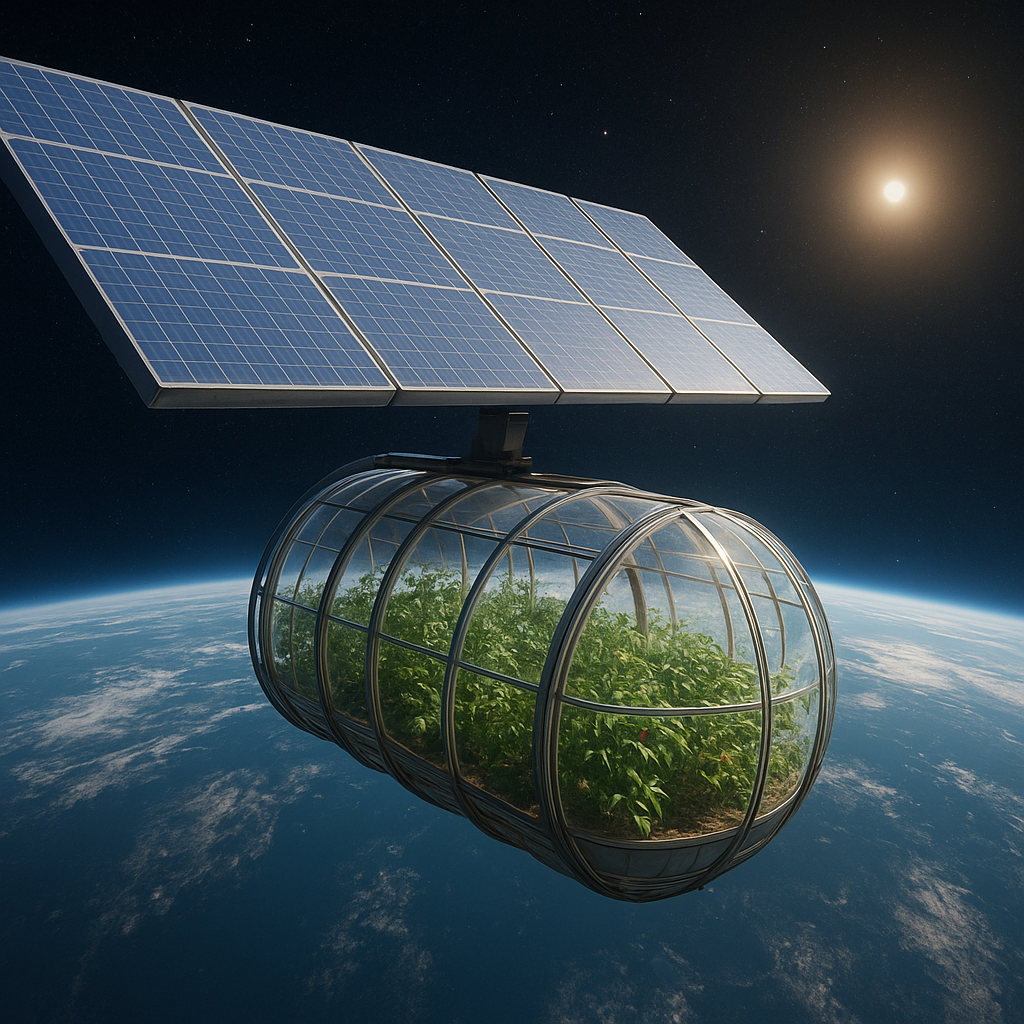
Advances in off-world agriculture are redefining how humans might cultivate food beyond Earth’s orbit. By integrating solar power technologies with controlled‐environment greenhouses, researchers aim to create self‐sustaining life support systems for spacecraft, lunar habitats, and Martian outposts. This article examines the critical components of space‐based greenhouse design, the role of solar panels in powering these systems, and the technologies that optimize plant growth under extreme conditions.
Solar Energy Infrastructure in Space
Design of solar panels
In the vacuum of space, maximizing power output per kilogram of payload is vital. Modern space‐rated solar panels use multi‐junction photovoltaic cells that convert a broader spectrum of sunlight into electricity. These cells can achieve conversion efficiencies above 30%, outperforming typical terrestrial panels. To maintain optimal incident angles, arrays employ single-axis or dual-axis trackers, adjusting orientation as the spacecraft orbits a planet or follows a heliocentric trajectory.
Energy Storage and Distribution
Continuous operations of a greenhouse require uninterrupted power, even during eclipses or planetary nights. Energy storage systems combine high‐energy density batteries with supercapacitors for rapid discharge during peak loads. Voltage regulators and power management units distribute electricity to life support, lighting, thermal control, and water circulation. Redundancy is built into distribution loops to ensure resilience against component failure, critical for maintaining sustainability of closed‐loop growth chambers.
Design of Space-Based Greenhouses
Structural Considerations
Greenhouse modules must withstand launch loads, microgravity dynamics, and cosmic radiation. Lightweight composite panels and inflatable structures reduce mass while providing adequate shielding from high‐energy particles. Multi‐layered insulation helps retain heat, and thermally conductive surfaces disperse excess warmth generated by lighting and electronics. Transparent windows, made from radiation‐hard acrylic or specialized glass, allow unfiltered sunlight to penetrate the chamber while offering visibility for monitoring plant health.
Hydroponics and Growth Media
Without soil, space greenhouses rely on hydroponic or aeroponic systems to deliver water and nutrients directly to plant roots. Nutrient films circulate water enriched with macro‐ and micronutrients, controlled to maintain ideal pH and electrical conductivity. Aeroponic misters spray fine droplets, enhancing gas exchange and reducing water usage by up to 90% compared to Earth‐bound agriculture. Integration of real‐time sensors measures moisture content, nutrient concentration, and root zone oxygenation to prevent deficiencies and enable automated adjustments.
Optimizing Growth through Technology
Lighting and Photosynthesis Optimization
Artificial lighting supplements or replaces natural solar input when direct sunlight is unavailable. High‐efficiency LED arrays deliver tailored wavelengths—blue light for leaf expansion and red light for flowering—to optimize photosynthesis rates. Dimming controls adjust intensity based on plant developmental stages, while pulse width modulation extends LED lifespan and reduces power draw. Light‐reflective interiors ensure even distribution and minimize shadow zones.
Automation and Control Systems
Advanced control systems automate temperature, humidity, and CO₂ levels, maintaining an ideal microclimate. Embedded sensors feed data to onboard computers running machine learning algorithms that predict plant stress and adjust environmental parameters accordingly. Automated actuators regulate fans, pumps, and nutrient dosing, reducing crew workload and enabling continuous operations. Remote monitoring and teleoperation allow ground teams to oversee performance and troubleshoot issues from Earth, enhancing reliability for long‐duration missions.
Benefits and Operational Challenges
- Reduced Resupply Dependency – By producing fresh produce in situ, missions cut down on Earth‐to‐space cargo, saving both cost and launch mass.
- Psychological Well-Being – Green spaces offer crew members a sense of normalcy and can improve morale during extended isolation.
- Waste Recycling – Biomass from spent crops can be composted or processed into bio‐fuel, advancing closed‐loop life support concepts.
- Technical Complexity – Maintaining sterile conditions, preventing biofilm formation in water lines, and ensuring radiation protection represent significant engineering hurdles.
- Resource Constraints – Limited volume, mass, and power budgets require optimization of every subsystem for maximum efficiency.
Applications and Future Missions
Long-Duration Missions and Sustainability
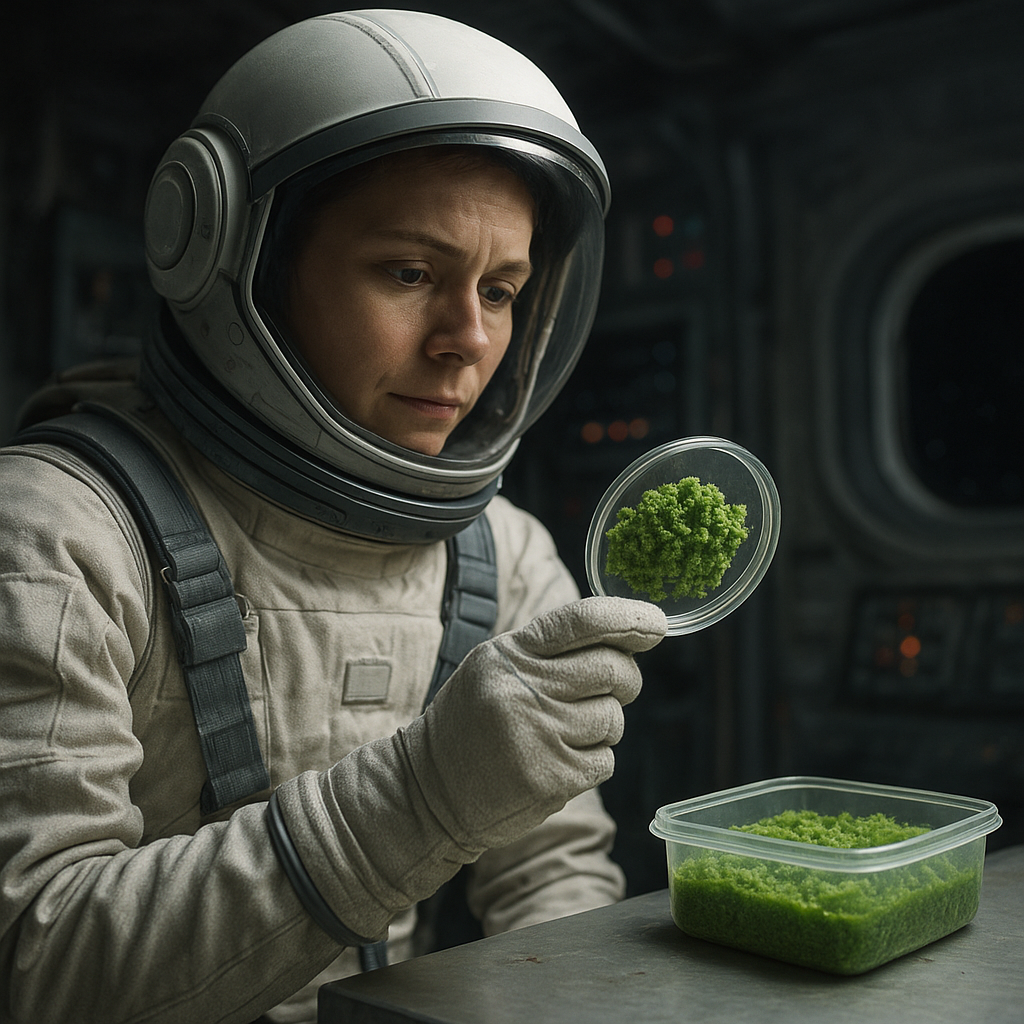
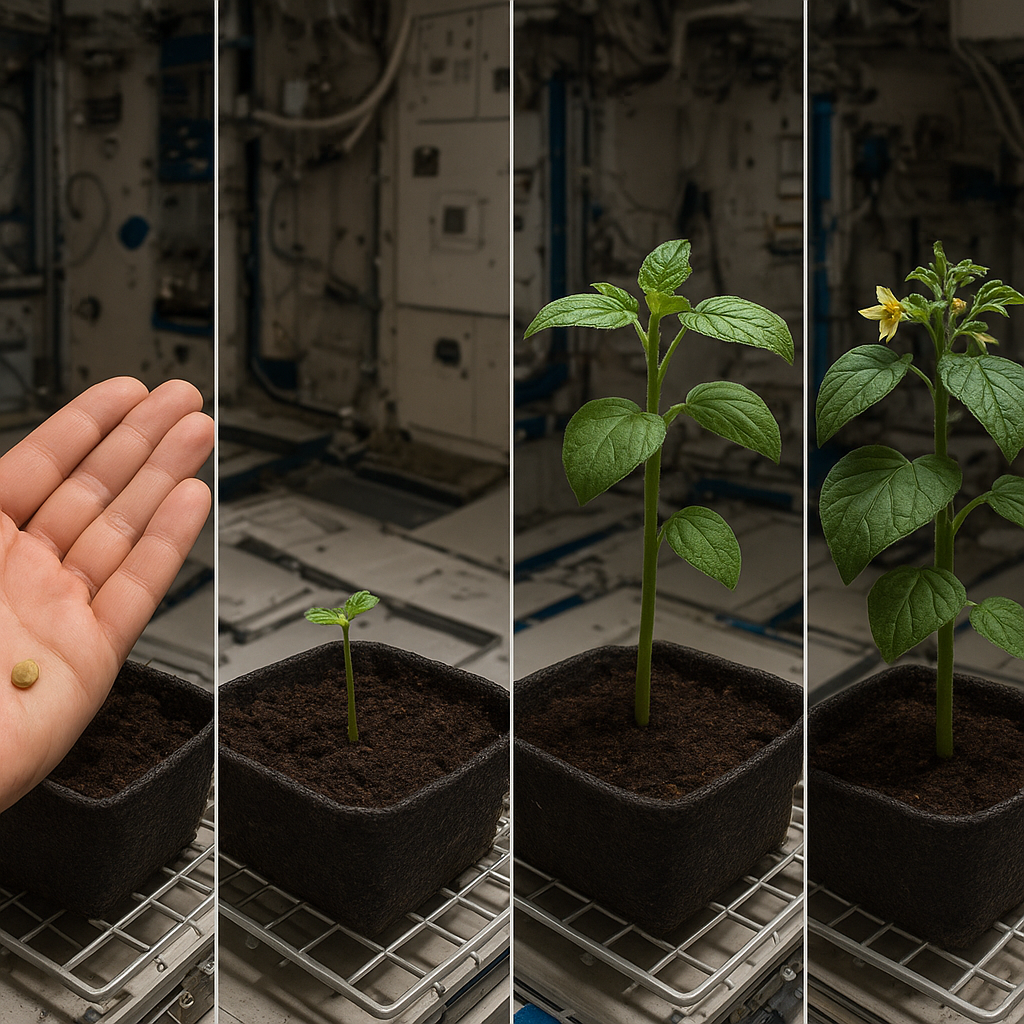
Onboard plant cultivation has already seen successful demonstrations aboard the International Space Station. Experiments like Veggie and Advanced Plant Habitat have grown lettuce, zinnias, and other crops, proving that microgravity agriculture is feasible. Future space stations and lunar gateways plan to expand greenhouse modules to reduce reliance on periodic supply missions, enhancing mission safety and flexibility.
Mars Colonization
Martian environments present additional challenges—reduced sunlight intensity, dust storms, and lower gravity. Solar arrays deployed on the Martian surface require anti‐dust coatings and regular mechanical clearing systems. Greenhouse habitats incorporate double glazing and thermal loops to maintain day-night temperature swings. By combining in situ resource utilization (ISRU) for water and regolith processing, Martian greenhouses could produce staple crops such as potatoes, wheat, and soy, providing essential calories for settlers and accelerating the path toward a self-sufficient colony.
Commercial and Terrestrial Spin-Offs
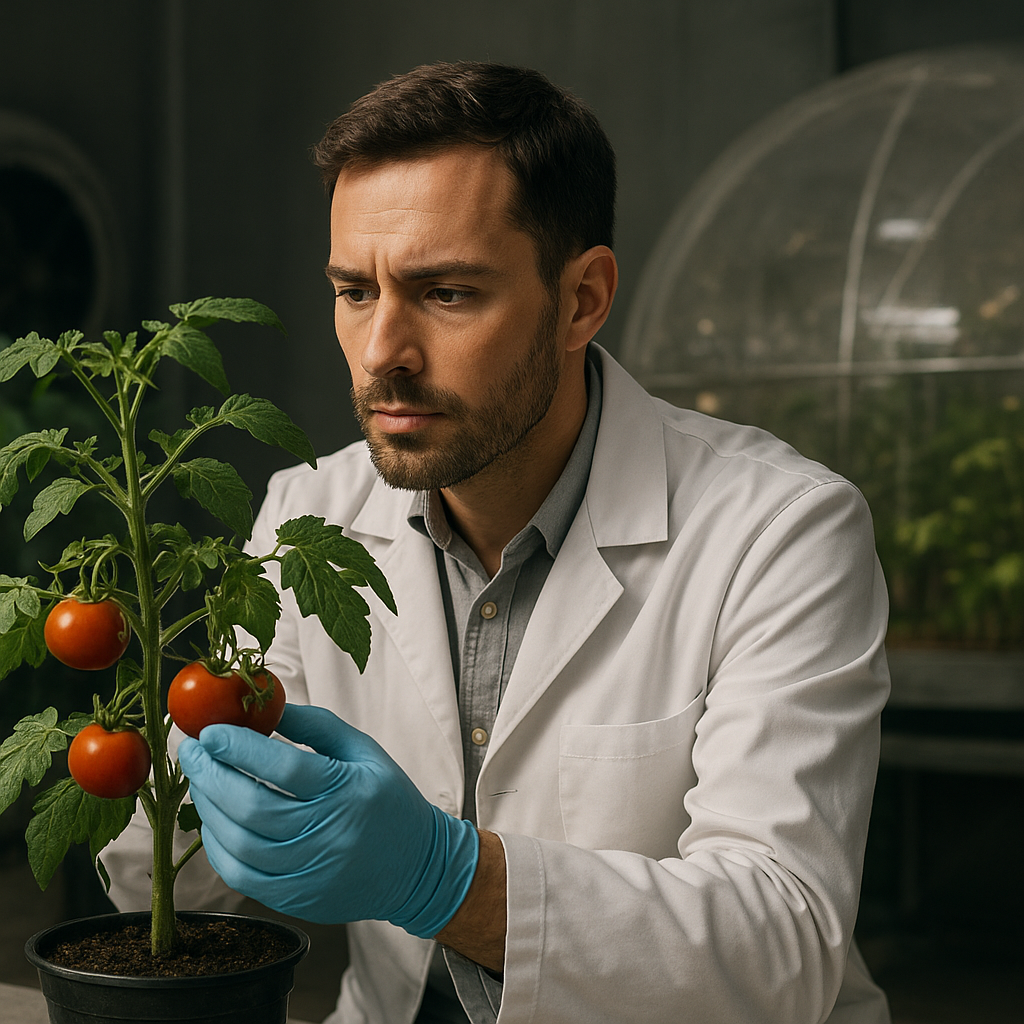
Space greenhouse innovations translate into advanced vertical farming solutions on Earth. Closed‐loop hydroponic towers, precision lighting rigs, and AI-driven climate controls developed for microgravity are now being deployed in urban farms to boost local food production, reduce water use, and minimize pesticide reliance. These technologies contribute to global food security and illustrate how investment in space agriculture can yield profound benefits back on Earth.