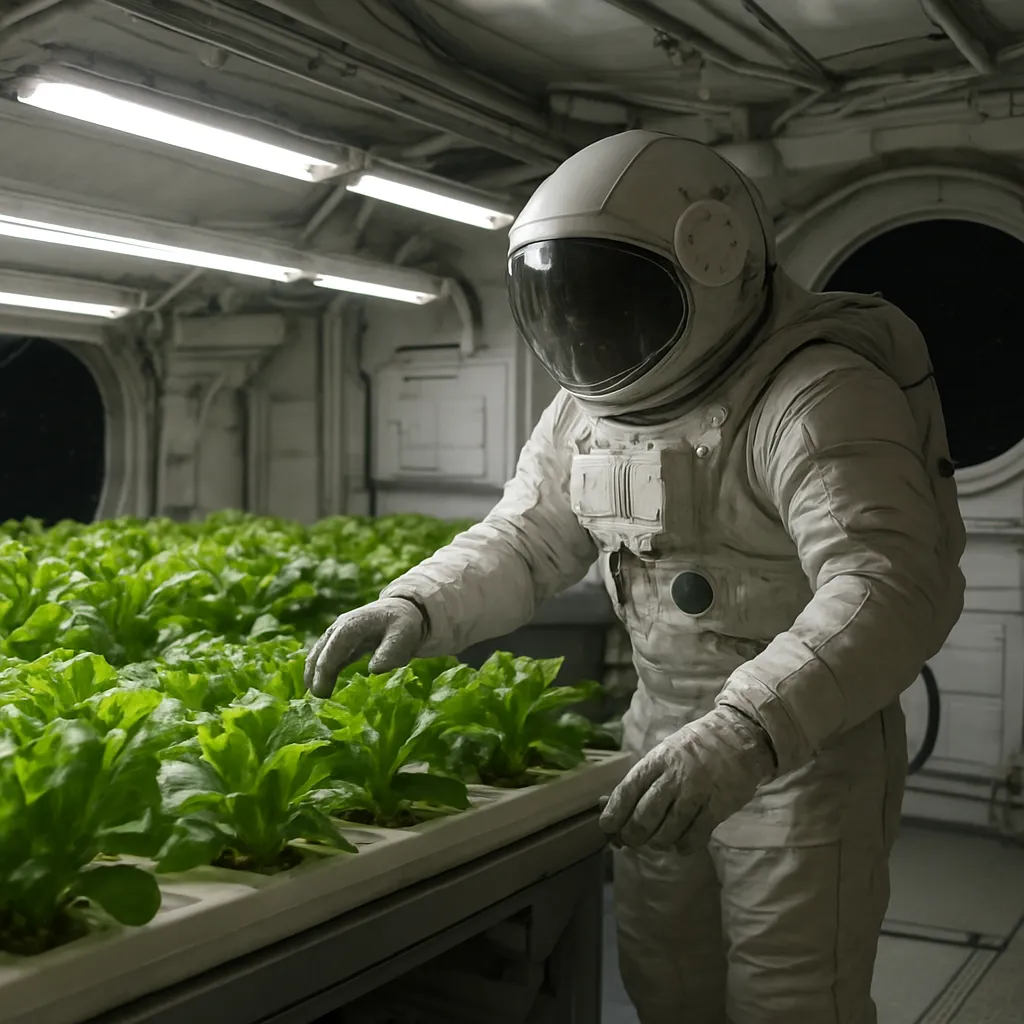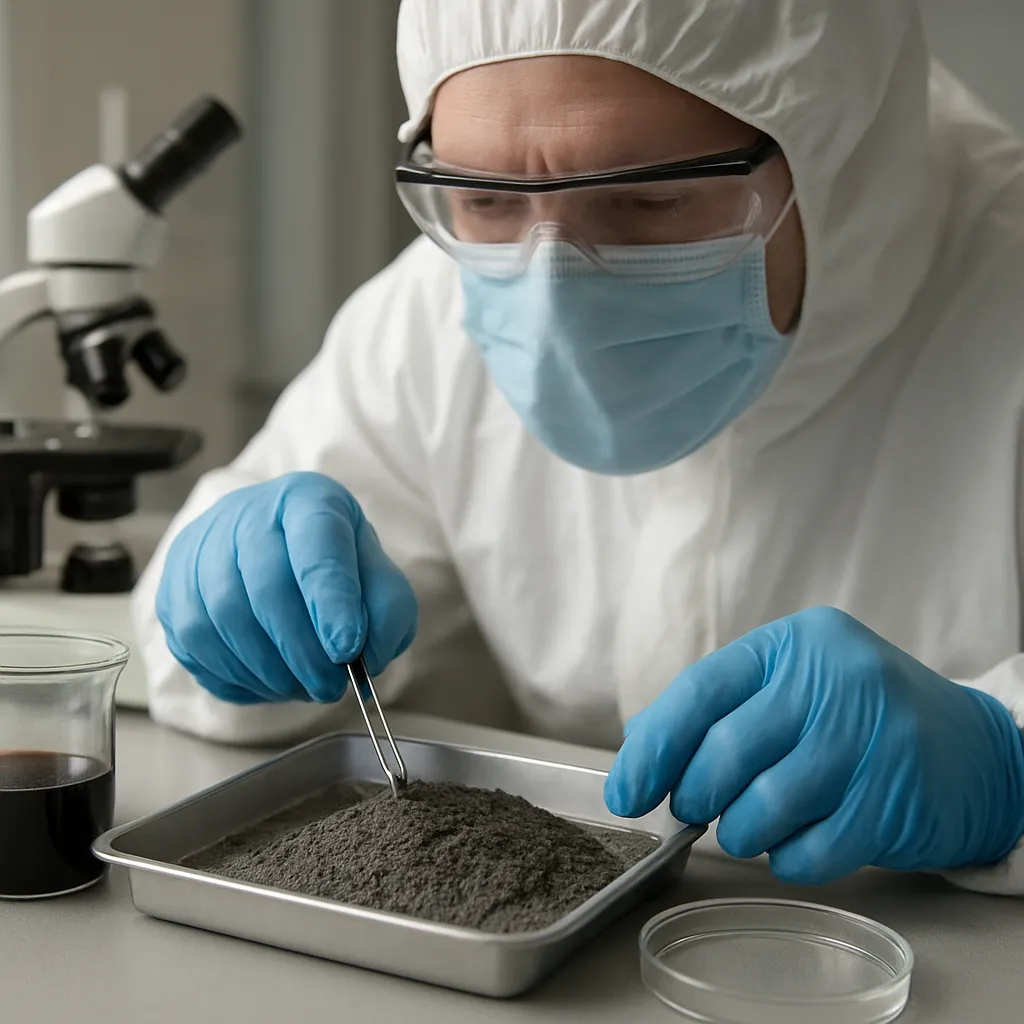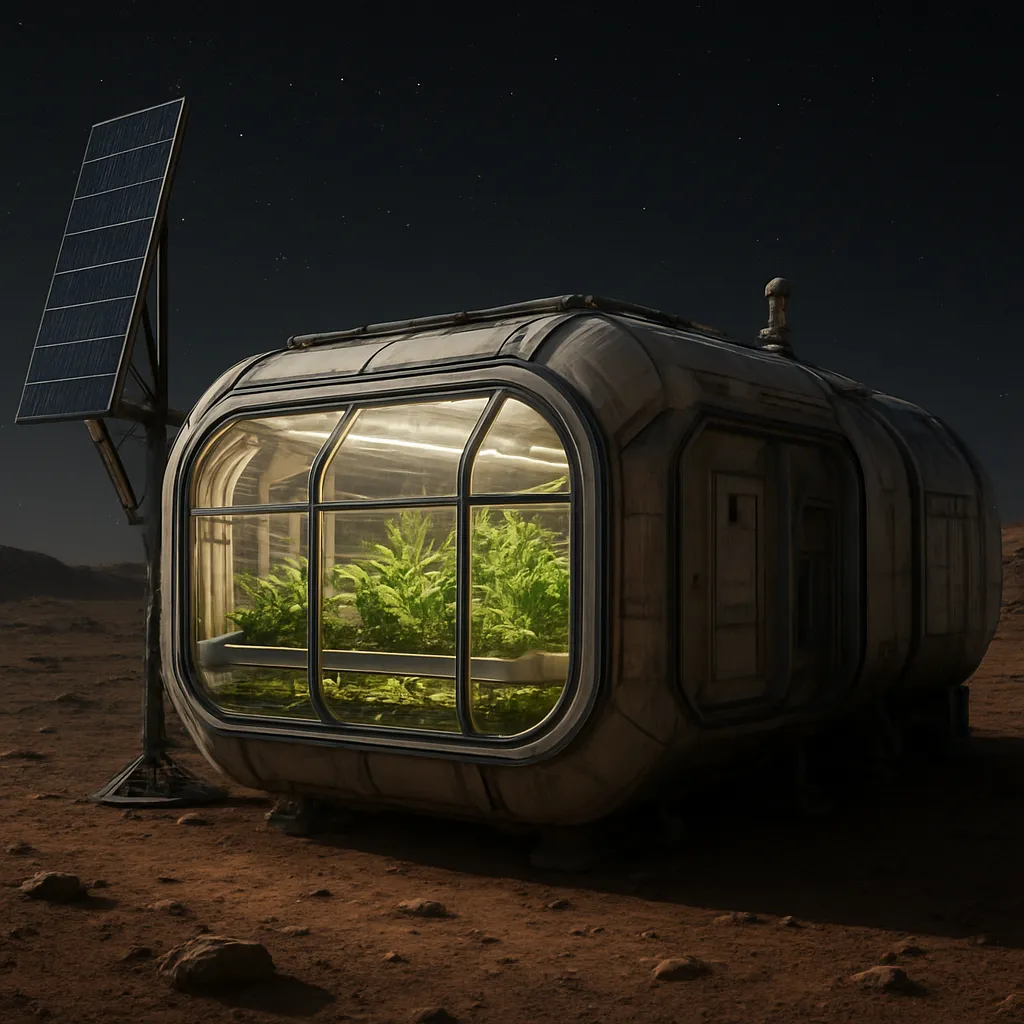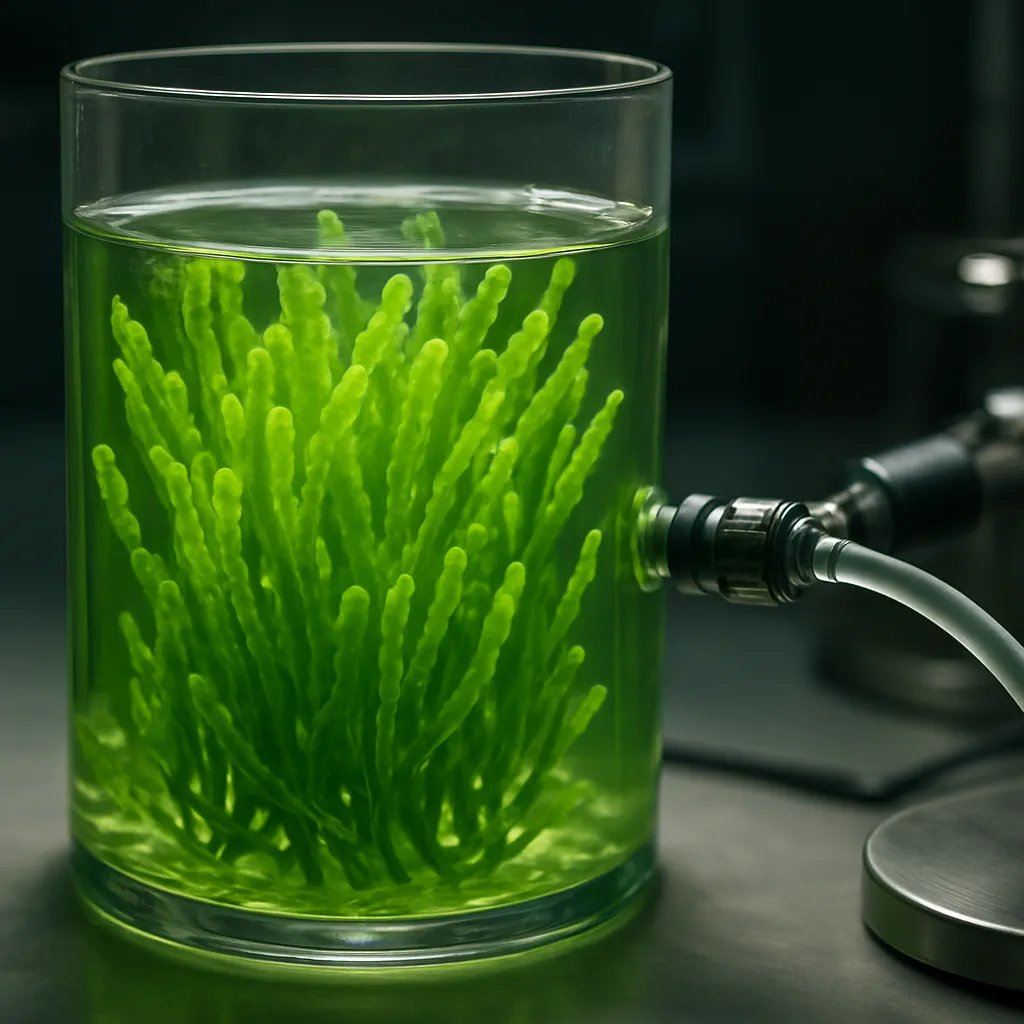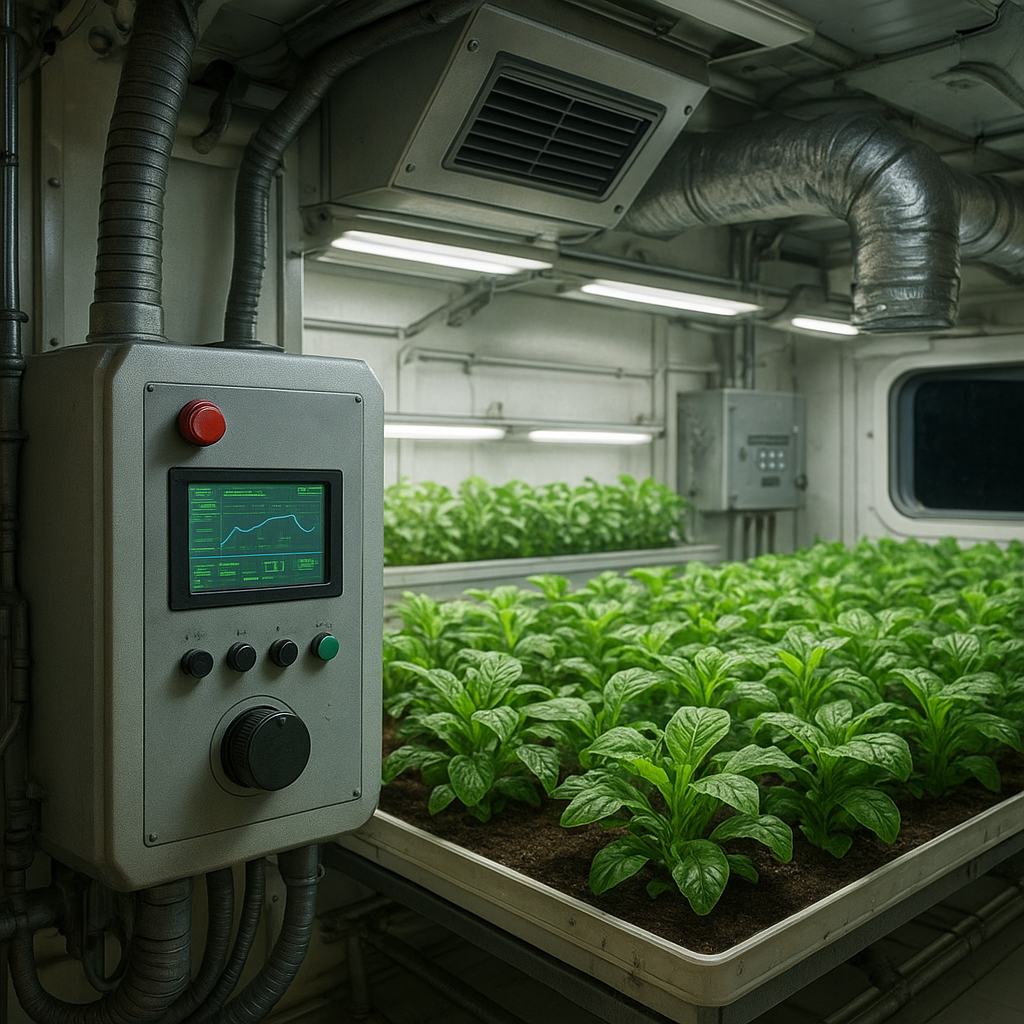
The controlled environment within orbital greenhouses and planetary habitats demands a finely tuned approach to sustaining plant life. Understanding how climate control systems function in space agriculture modules unlocks the potential for long-duration missions, off-world colonies, and even food security back on Earth. By mastering the art of balancing air composition, thermal regulation, and light management, engineers and biologists collaborate to create miniature ecosystems that thrive amidst microgravity and cosmic radiation.
Microclimate Regulation Systems
Temperature Management
Maintaining a stable temperature range—typically between 18 °C and 25 °C for most crops—is critical for optimal photosynthesis rates and plant metabolism. Space agriculture modules rely on a network of heat exchangers, internal heaters, and cooling loops that interface with the spacecraft’s thermal control subsystem. Key elements include:
- Thermal sensors: A distributed array of precision sensors monitors temperatures at canopy level, root zone, and along module walls.
- Active cooling circuits: These often use circulated water or ammonia-based coolants to remove excess heat, especially from high-intensity LED banks.
- Passive insulation: Multi-layer insulation blankets and vacuum panels minimize heat exchange with the surrounding vacuum or Martian atmosphere.
By adjusting coolant flow rates and radiator orientations, operators can fine-tune the thermal profile. Advanced modules incorporate programmable thermal zones, allowing leafy greens and fruiting crops to inhabit microclimates tailored to each species’ needs.
Humidity and CO2 Control
Relative humidity and carbon dioxide concentration directly impact stomatal opening, transpiration, and overall efficiency of plant growth. In microgravity, water vapor distribution can become uneven, leading to localized condensation or desiccation. To address this, modules employ:
- Air scrubbers: These remove excess moisture or contaminants, maintaining humidity between 60 % and 80 %.
- CO2 enrichment systems: Controlled release valves introduce carbon dioxide to maintain concentrations around 1000 ppm—nearly twice Earth’s ambient levels—to boost photosynthetic output.
- Hydrophilic coating on interior surfaces: Prevents droplet formation that could short-circuit electronics or create microbial hotspots.
An intelligent control logic ties humidity and CO2 setpoints to plant growth stages, raising CO2 during peak photosynthetic periods and modulating moisture to prevent fungal proliferation.
Lighting and Photoperiod
The absence of a natural day–night cycle demands a custom lighting schedule. LEDs have become the cornerstone of space horticulture, offering tailored spectra, low heat emission, and programmable intensity. Modules typically incorporate:
- Red–blue mixed diode arrays: Target the chlorophyll absorption peaks to maximize energy conversion.
- Far-red supplements: Encourage flowering and fruit set in crops like tomatoes and strawberries.
- Dynamic dimming controls: Mimic dawn and dusk transitions to regulate circadian rhythms.
Light uniformity is ensured through reflective paneling and adjustable light bars. In advanced prototypes, photon flux density sensors provide real-time feedback, allowing automated dimming to conserve power without compromising yield.
Key Technologies and Infrastructure
Bioregenerative Life Support Integration
Space agriculture modules are not stand-alone greenhouses; they integrate with the spacecraft’s life support architecture. Plants serve as living biofilters, recycling CO2 into oxygen while contributing to water purification. The bioregenerative loop encompasses:
- Aquaponics or hydroponics reservoirs that capture nutrient-rich wastewater.
- Microbial reactors that break down organic residues and produce additional nutrients.
- Oxygen sensors linked to the cabin’s air revitalization unit, ensuring safe breathing atmospheres.
By closing the resource loop, missions can extend their duration and reduce dependence on resupply from Earth.
Thermal Control Loops
Dedicated thermal loops within the module shuttle heat to radiators exposed to space or Martian skies. Two primary configurations prevail:
- Liquid coolant loop: Uses water–glycol blends that circulate through coil banks embedded in growth trays and lighting fixtures.
- Air circulation loop: Directs warmed air through heat exchangers connected to the spacecraft’s main thermal radiator network.
Redundant pumps and bypass valves allow for maintenance without interrupting the delicate temperature balance. Real-time diagnostics detect flow anomalies and adjust loop pressures to avert crop stress.
Air Circulation Units
Microgravity deprives plants of the passive convective currents we take for granted on Earth. Without forced airflow, pockets of stale air can accumulate around leaves, impeding gas exchange. Air circulation units (ACUs) solve this by:
- Generating low-velocity laminar flows that gently bathe plants, emulating natural breezes.
- Equipped with HEPA filters to trap dust and microbial particles.
- Variable-speed fans adjusting to thermal loads and plant transpiration rates.
Proper placement of ACUs and diffusers ensures uniform distribution of temperature, humidity, and nutrients, fostering resilience against microclimatic stress.
Challenges and Future Directions
Material and Energy Constraints
Every kilogram of structural material and watt of power in space is precious. Lightweight composites with high thermal conductivity and low outgassing profiles are under continuous development. Energy harvesting innovations include:
- Deployable solar arrays dedicated to agricultural payloads.
- Thermoelectric generators converting waste heat from electronics into auxiliary power.
- Energy-efficient LED systems with quantum dot enhancements to boost luminous efficacy beyond 3 µmol J–1.
Emerging materials like aerogels offer promising insulation properties without bulk, addressing one of the most formidable engineering hurdles.
Automation and AI-Based Management
Long-duration missions to Mars and beyond cannot rely on round-the-clock human supervision of crops. Artificial intelligence platforms are tasked with:
- Analyzing multispectral camera feeds to detect early signs of nutrient deficiency or disease.
- Managing irrigation schedules and nutrient dosing via neural-network algorithms trained on terrestrial greenhouse data.
- Predictive modeling of growth curves to optimize harvest timing and resource allocation.
The integration of robotics for seeding, pruning, and harvesting further reduces crew burden. Such automation systems will pave the way for semi-autonomous farms on lunar bases and Martian outposts.
Scalability and Earth Applications
Lessons learned in orbital labs are already transforming vertical farms and urban greenhouses on Earth. Modular climate control units originally designed for microgravity environments find new roles in:
- Disaster-resilient container farms that can be deployed to remote regions.
- Desert agriculture systems leveraging precision humidity and temperature regulation.
- Rooftop greenhouses utilizing advanced thermal loops to reduce heating costs in cold climates.
By harnessing these breakthroughs, humanity moves closer to achieving global sustainability goals and ensuring food security under changing environmental conditions.