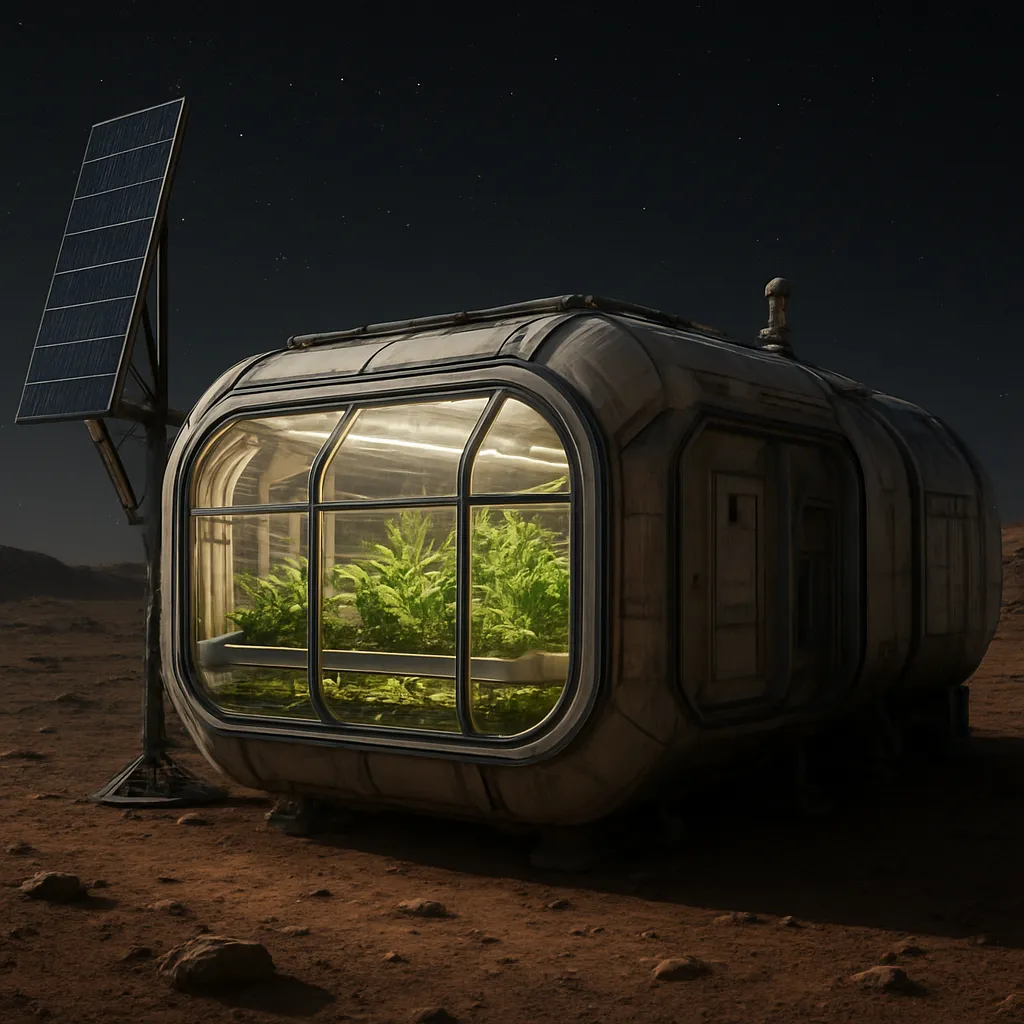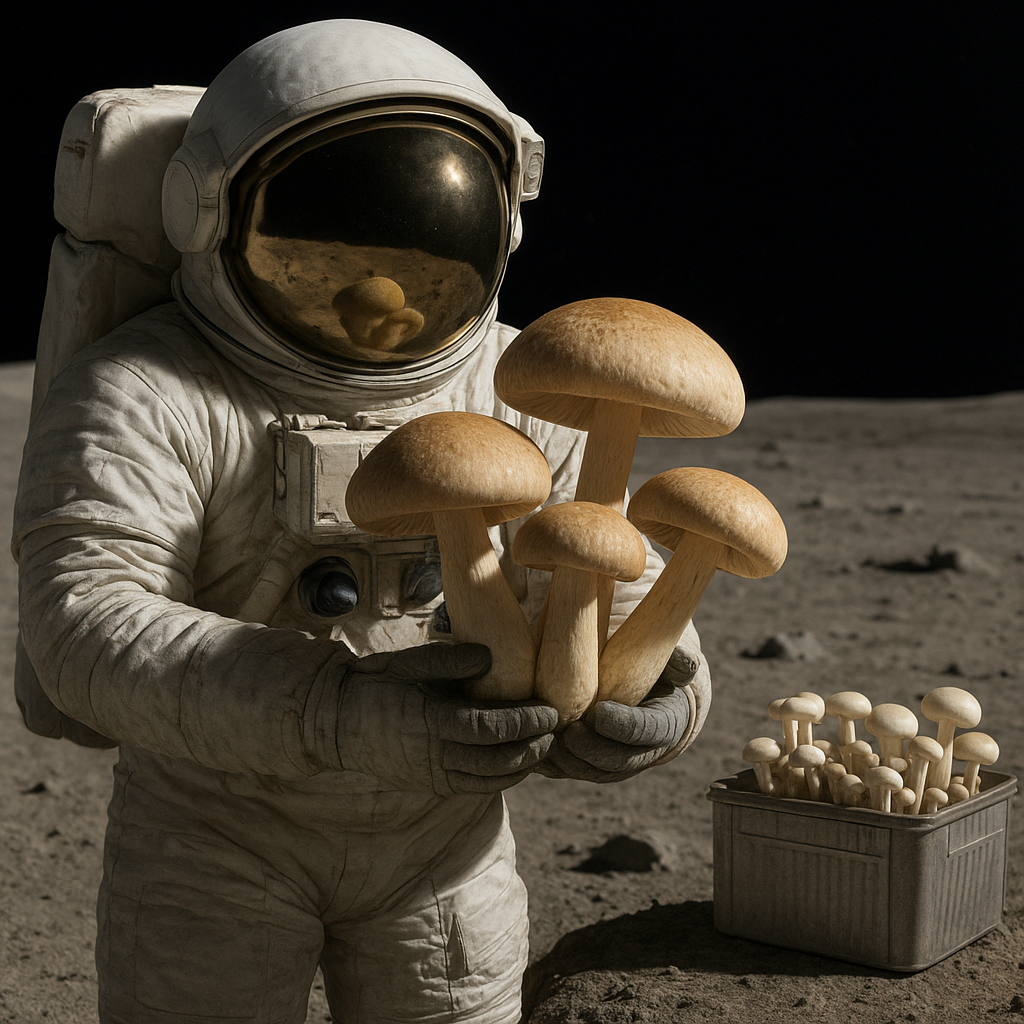
The exploration of outer space demands inventive approaches to **sustainability** and life support. One promising avenue involves leveraging the remarkable biology of fungi. Through advanced cultivation methods and **bioregenerative** life support systems, mushrooms could transform the way **astronauts** receive **nutrition** on long-duration missions. This article explores the potential of mushrooms in space agriculture, the science of **mycelium**, and the hurdles that lie ahead for implementing fungal farms beyond Earth.
Mushrooms in Space Agriculture
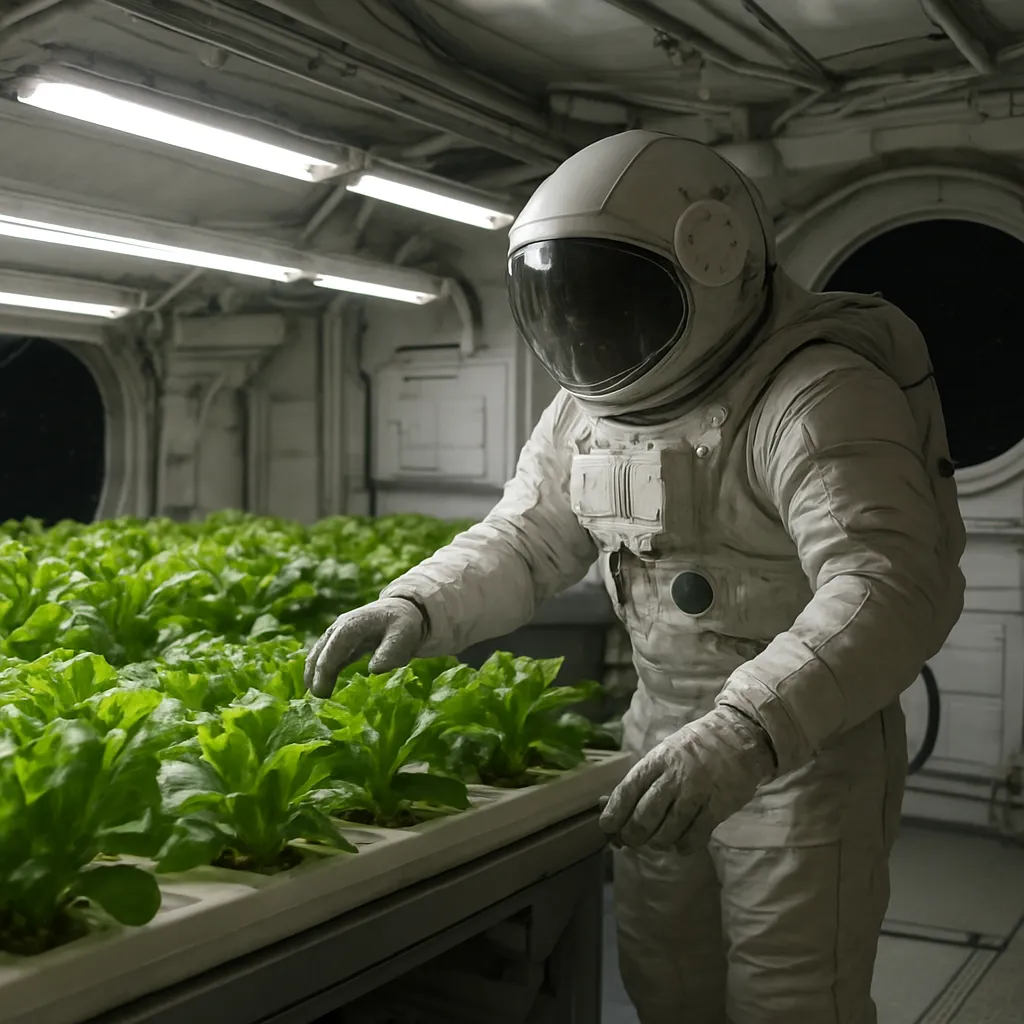
Mushrooms bring a suite of advantages to closed-loop cultivation aboard spacecraft and planetary habitats. Unlike traditional crops, they require minimal sunlight and can grow efficiently in **substrate** mixtures derived from organic waste. Their rapid **biomass** production and high protein content make them a versatile food source capable of supplementing or even replacing certain agricultural staples in space.
Optimized Growth Conditions
Successful cultivation of mushrooms in microgravity or reduced gravity environments demands careful control of:
- Temperature: Maintaining a steady range of 20–25 °C for many edible species.
- Humidity: Ensuring 85–95 % relative humidity to support fruiting body development.
- Gas Exchange: Monitoring levels of CO₂ and O₂ to mimic terrestrial mushroom houses.
- Substrate Sterility: Preventing contamination by pests and competing microbes.
Experimental platforms like the International Space Station (ISS) can serve as testbeds for verifying these parameters. Early trials with oyster and button mushrooms have demonstrated that fungi can adapt to off-world conditions when provided with a controlled environment.
Nutritional Profile
Edible mushrooms offer a balanced array of nutrients:
- Proteins and Essential Amino Acids: Critical for muscle maintenance and immune function.
- Vitamins D and B Complex: Supporting bone health and neurological function.
- Dietary Fiber and Beta-Glucans: Promoting digestive health and immunomodulation.
- Low Fat and Caloric Density: Allowing integration into meal plans without excessive mass.
By diversifying the diet of spacefarers, mushrooms can reduce reliance on vitamin supplements and processed food packs, providing a more satisfying and psychologically beneficial menu.
The Role of Mycelium in Bioregenerative Systems
Mycelium, the thread-like vegetative network of fungi, is the cornerstone of advanced space farming systems. Its capacity to decompose waste, bind regolith, and even produce bio-based materials positions it at the intersection of agriculture and habitat construction.
Waste Recycling and Resource Recovery
In an ideal space habitat, every gram of organic matter is precious. Mycelium can transform:
- Plant Residues: Converting inedible stalks, leaves, and hulls into fresh fungal biomass.
- Human Waste Streams: Breaking down solid and liquid waste while neutralizing pathogens.
- Packaging and Paper Waste: Degrading cellulose to produce new substrate or material feedstock.
This **innovation** reduces resupply needs by telescoping agricultural and waste management cycles into one efficient process.
Mycelium-Based Manufacturing
Beyond food, mycelial networks can be engineered to produce:
- Bioplastics and Composites: Strong, lightweight panels for habitat modules.
- Insulating Foams: Thermal and acoustic insulation molded on demand.
- Bioremediation Agents: Decontaminating toxic byproducts in enclosed environments.
These applications highlight **mushrooms** as a multipurpose biological factory, capable of kit-of-parts manufacturing using on-site resources.
Challenges and Future Prospects
Despite its promise, implementing fungal agriculture in space must overcome several technical and logistical obstacles.
Microgravity Effects
Microgravity alters fluid dynamics, spore dispersal, and nutrient diffusion. Researchers must adapt cultivation chambers to ensure uniform substrate hydration and gas exchange. Addressing these issues is crucial for establishing reliable harvest cycles in orbit.
Substrate Logistics
Transporting bulk substrate from Earth is impractical. Alternatives include:
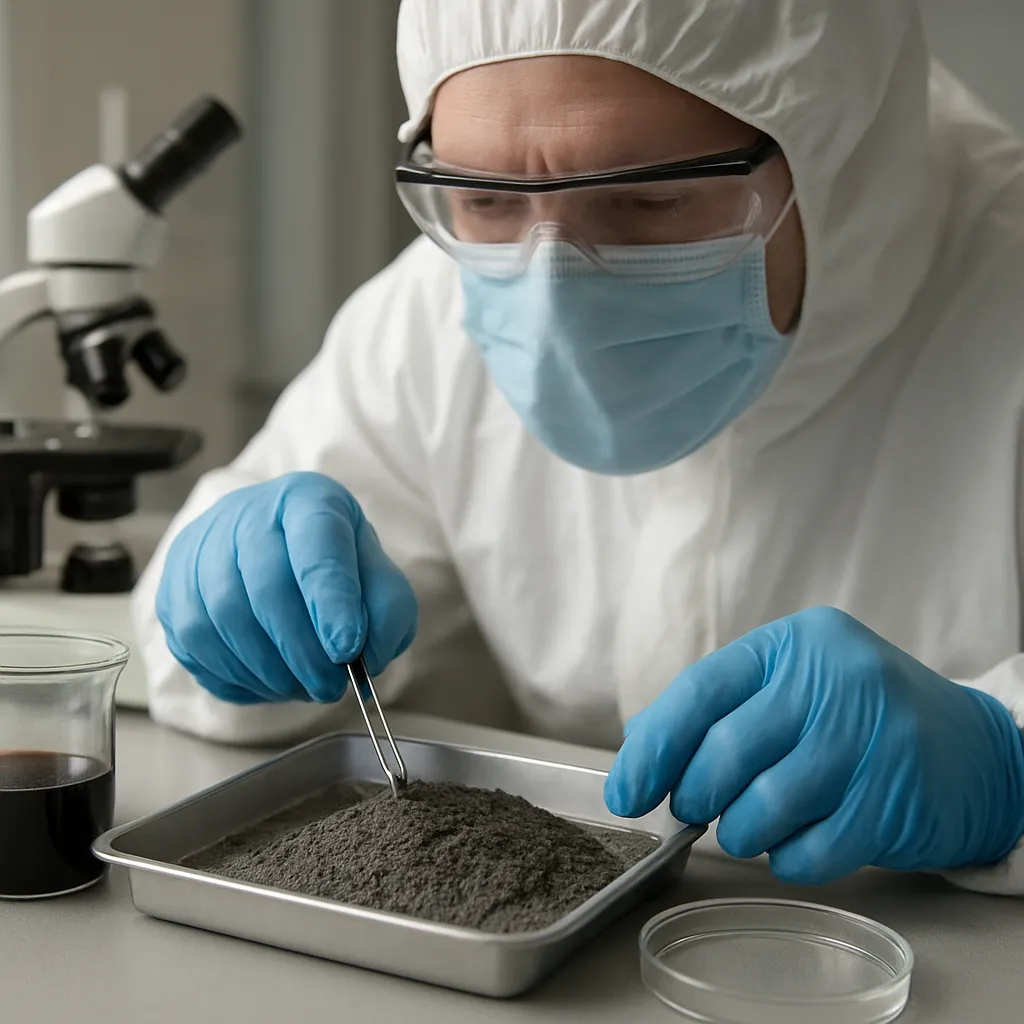
- In-Situ Resource Utilization (ISRU): Processing Martian or lunar regolith mixed with organic additives.
- Onboard Hydroponic Residues: Recycling spent plant grow-bed media.
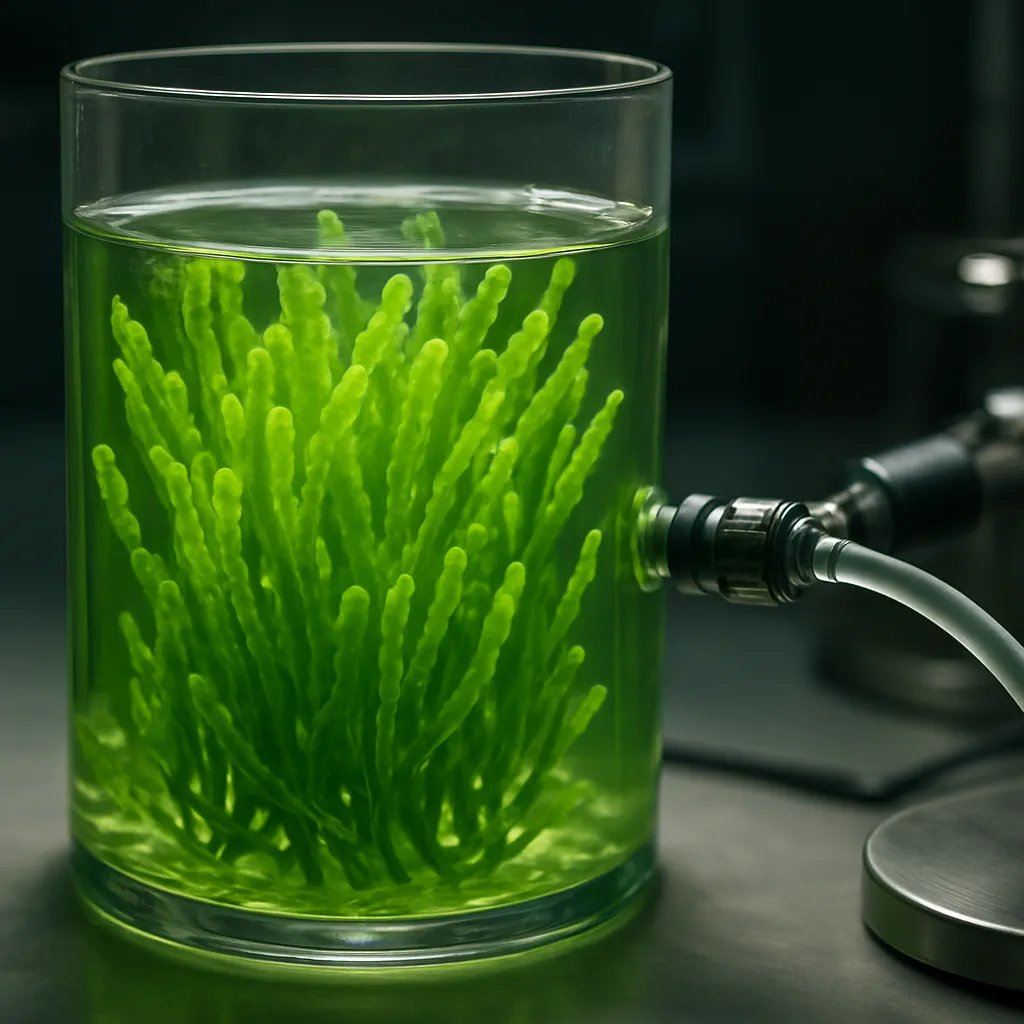
- Algae and Yeast Byproducts: Blending single-cell organism biomass into fungal feeds.
Developing compact, modular substrate preparation units will be essential for minimizing launch mass and maximizing autonomy.
Regulatory and Health Considerations
Ensuring the safety of **astronaut** diets requires stringent protocols:
- Genetic Stability: Avoiding unintended mutations that affect toxicity or allergenicity.
- Pathogen Control: Preventing fungal diseases that could compromise crew health.
- Quality Assurance: Establishing in-situ assays for nutrient content and contaminant levels.
Collaborative efforts between space agencies, mycologists, and food scientists will define standards for off-world fungal production.
Scaling and Automation
Future missions to Mars and beyond will demand near-complete automation of life support systems. Robotic tenders and AI-driven monitoring must oversee the entire fungal cultivation cycle, from substrate inoculation to harvest. Innovations in sensor design and machine learning will drive the transition from experimental modules to full-scale bioregenerative farms.
As the space community refines these technologies, **mushrooms** may become a linchpin of extraterrestrial agriculture. By harnessing the unique capabilities of **mycelium**, astronauts could enjoy fresh, nutritious meals, reduce dependency on Earth resupply, and build sustainable habitats on distant worlds.