The quest to cultivate life beyond our planet has propelled scientific research into uncharted territory. As astronauts venture farther into space, understanding how plants adjust and thrive in alien environments becomes increasingly vital. These botanical pioneers not only provide fresh food but also recycle air and water, contributing to the closed-loop systems needed for long-duration missions. This article explores the intricate processes by which plants adapt to space, the cutting-edge technologies fueling their growth, and the roadmap toward a sustainable extraterrestrial agriculture.
Mechanisms of Plant Adaptation in Low Gravity
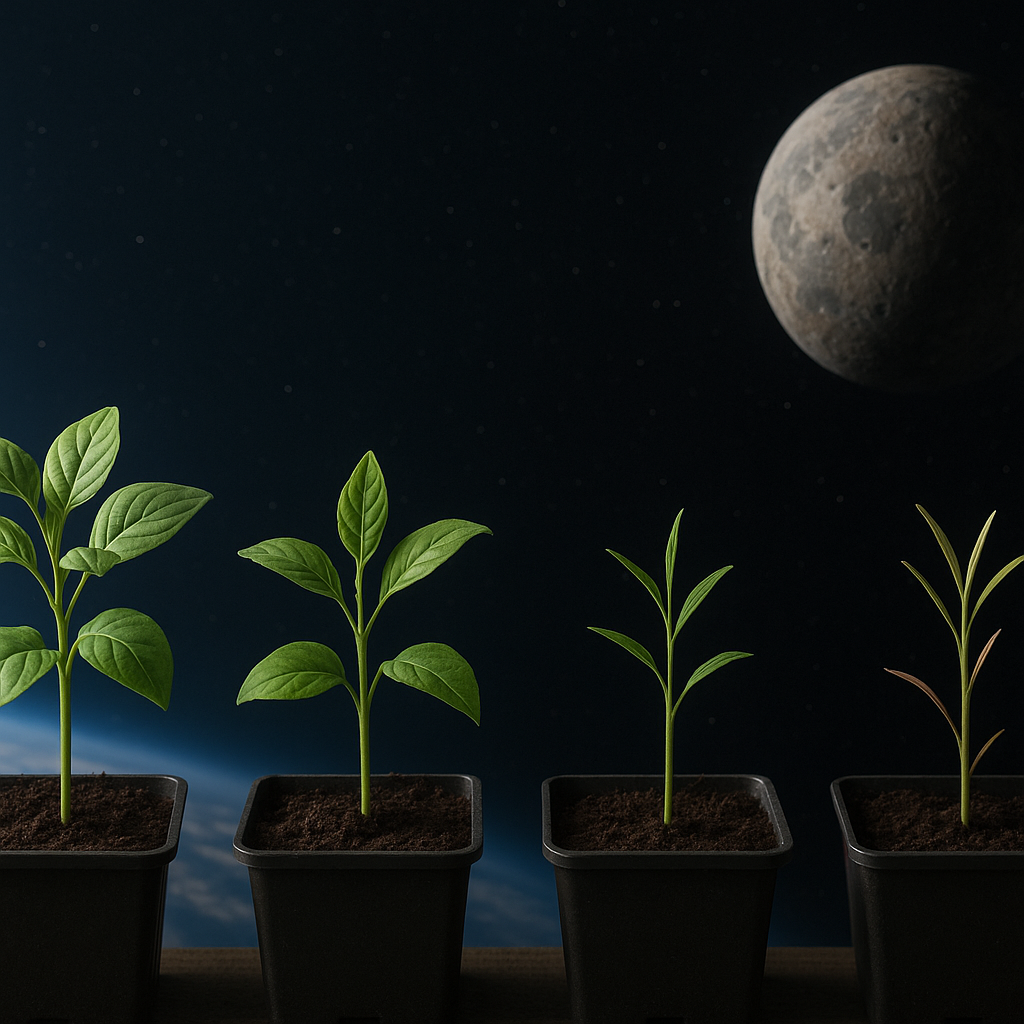
Space presents an array of stressors that demand remarkable adaptation from terrestrial organisms. Without the familiar pull of Earth’s gravity, plants undergo profound morphological and physiological changes.
Altered Gravitropic Response
- On Earth, roots grow downward and shoots upward due to gravitropism. In microgravity, this directional cue is lost, leading to random orientation of root and shoot axes.
- Researchers have observed that the statoliths—dense starch granules in root cells—fail to settle, disrupting the gravity-sensing mechanism and prompting novel growth patterns.
- Genetic pathways involving PIN proteins and auxin distribution adapt over time, demonstrating a degree of plant resilience to directional uncertainty.
Cellular and Molecular Adjustments
Exposure to microgravity and elevated radiation levels triggers stress-response networks at the cellular level:
- Activation of DNA repair genes to counter radiation-induced damage.
- Upregulation of antioxidants such as superoxide dismutase to mitigate oxidative stress.
- Remodeling of cell walls, often resulting in thicker walls to maintain structural integrity in the absence of gravity.
Photosynthetic Efficiency Under Space Conditions
Light remains a crucial energy source, yet the quality and delivery differ aboard spacecraft:
- Specific light-emitting diode (LED) spectra are fine-tuned to optimize photosynthesis rates.
- Periodic light–dark cycles mimic Earth’s day, but experiments show that extended light exposure can accelerate biomass accumulation.
- Fluence rate adjustments help balance chlorophyll excitation and photoprotection mechanisms under artificial lighting.
Technological Innovations in Space Agriculture
Realizing sustainable plant growth in orbit requires a fusion of biology and engineering. From advanced growth chambers to in situ resource utilization, technology bridges the gap between Earth-bound agriculture and off-world farming.
Closed-Loop Life Support Systems
- Bioregenerative systems integrate plant modules with air revitalization units, capturing CO₂ exhaled by crew and converting it into oxygen.
- Water reclamation from transpiration and crew waste is cycled through plant root zones, minimizing resupply needs.
- Sensors monitor nutrient levels, pH, humidity, and microbial activity in real time, ensuring optimal growth conditions.
Hydroponics and Beyond
Soilless cultivation methods eliminate the challenges of lunar or Martian regolith and reduce payload mass:
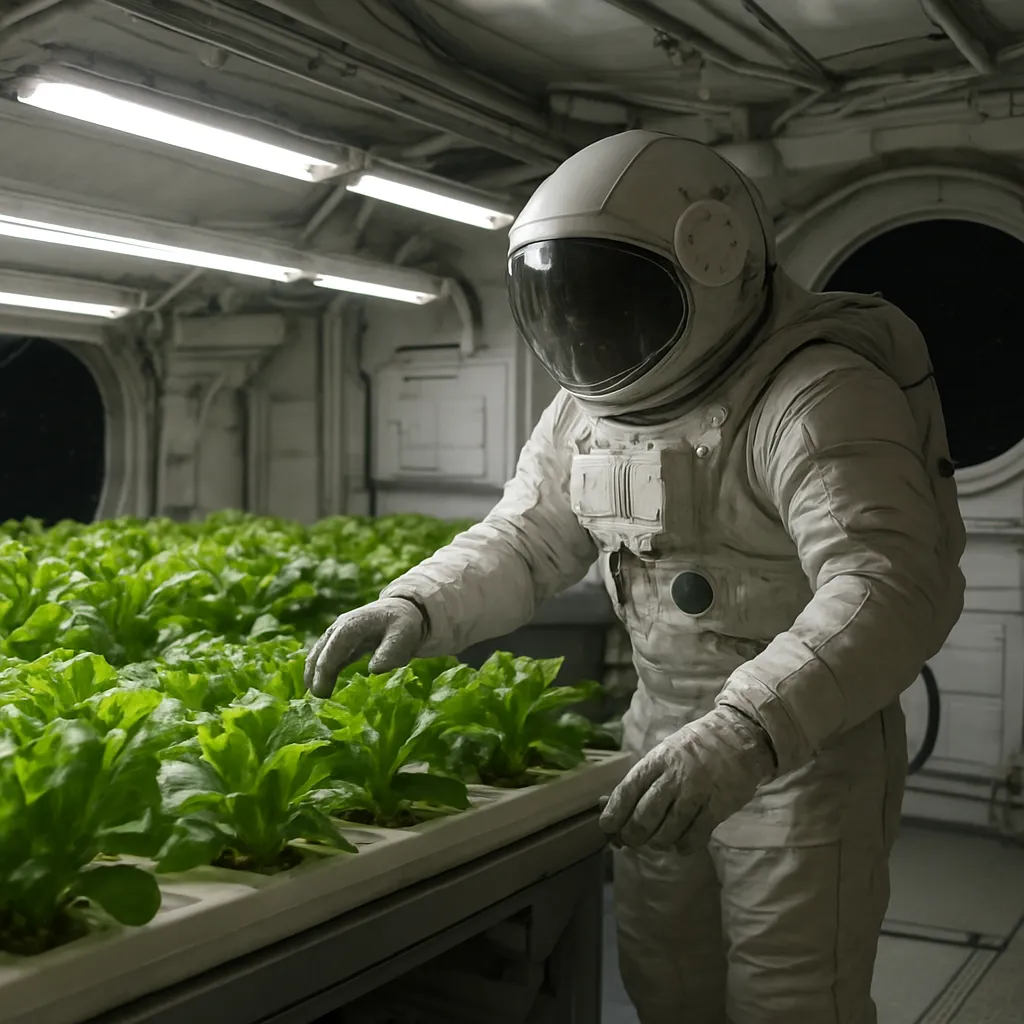
- Hydroponics systems deliver nutrient-rich solutions directly to plant roots, using wicks, mats, or channel-based flow designs.
- Aeroponics suspends roots in a mist of nutritive fluid, boosting oxygen availability and promoting rapid growth.
- Emerging foam-based substrates mimic soil’s water-holding capacity while providing structural support.
Automation and AI Integration
Autonomous monitoring and control systems are crucial for missions beyond Earth orbit:
- Machine learning algorithms predict pest outbreaks and nutrient deficiencies from image and spectral data.
- Robotic arms handle delicate tasks such as seeding, pruning, and harvest, reducing crew labor.
- Data analytics optimize lighting schedules, irrigation cycles, and nutrient profiles to maximize yield.
Insights From Long-Duration Experiments
Continuous experimentation aboard orbital platforms has deepened our understanding of plant performance over extended periods.
International Space Station (ISS) Plant Modules
- Veggie Growth Chamber and Advanced Plant Habitat have supported the cultivation of lettuce, wheat, and zinnias over multiple missions.
- Comparative studies with ground controls reveal epigenetic modifications influencing flowering time and seed viability.
- Microbial communities associated with plant roots adapt alongside their hosts, affecting nutrient uptake and disease resistance.
Mars and Moon Simulation Facilities
Earth-based analogs emulate extraterrestrial soils and atmospheric pressures:
- Regolith simulants enriched with organic amendments support root development and microbial symbioses.
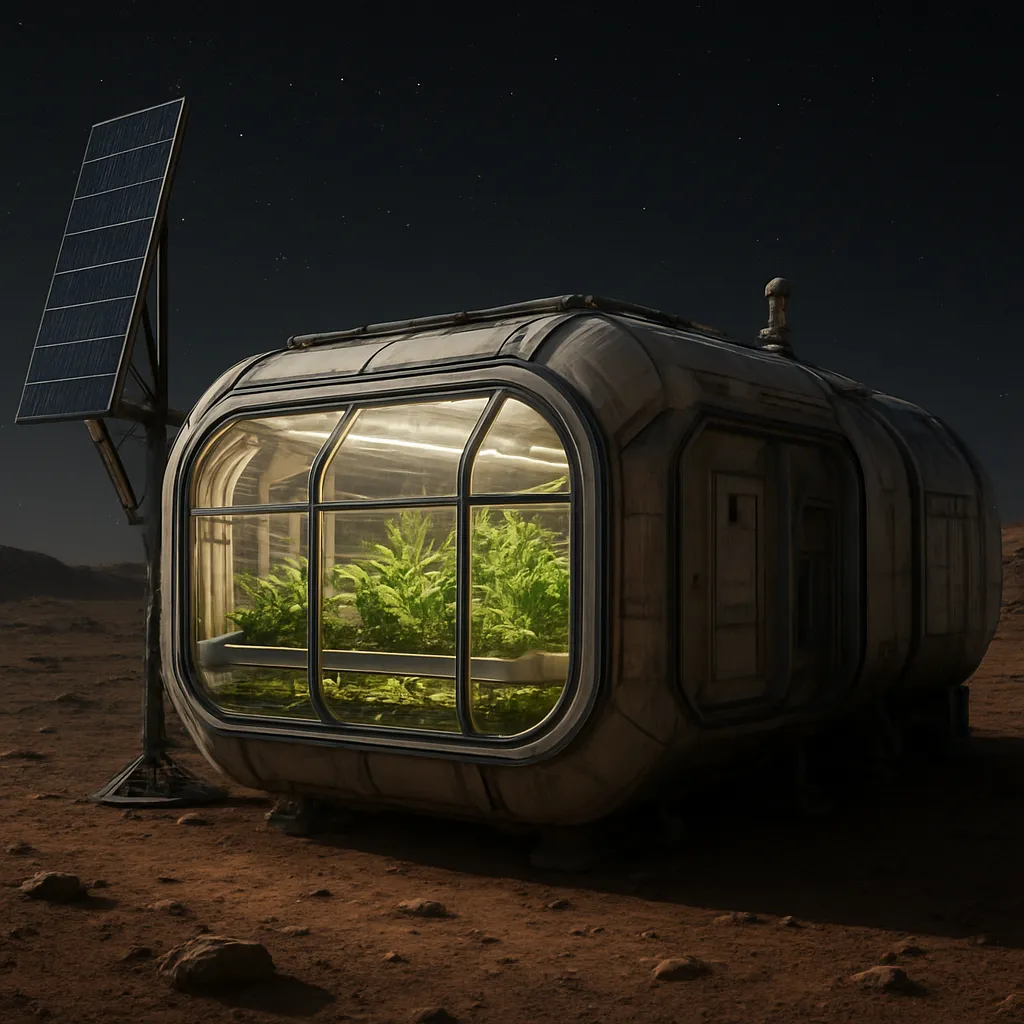
- Reduced-pressure greenhouses demonstrate that plants can grow at partial atmospheric densities, reducing habitat engineering demands.
- Wind tunnels and chambers study dust abrasion impacts on leaf surfaces and photosynthetic efficiency.
Future Prospects for Extraterrestrial Farming
As space agencies and private enterprises chart out settlements on the Moon, Mars, and beyond, plant cultivation emerges as a cornerstone of habitability. The vision of biodiverse greenhouses flourishing under domed habitats is closer to reality thanks to relentless innovation and interdisciplinary collaboration.
Genomic and Synthetic Biology Approaches
- CRISPR-based editing creates crop varieties with enhanced stress tolerance, nutrient density, and growth rates.
- Transgenic lines can produce pharmaceutical compounds or biofuels on site, reducing the need for resupply.
- Minimal genomes and chassis organisms support tailored symbiotic interactions, optimizing nutrient cycles.
In situ Resource Utilization (ISRU)
Utilizing local materials for agricultural support reduces launch mass and cost:
- Water extracted from lunar ice or Martian subsurface deposits powers hydroponic reservoirs.
- Regolith can be processed into fertilizers through microbial consortia engineered to solubilize minerals.
- Structural habitats made from 3D-printed regolith serve as integrated plant growth modules.
Expanding Biodiversity and Food Security
Ensuring a varied diet and robust ecosystems off Earth hinges on broadening species selection:
- Biodiversity in crop choices mitigates risk from pathogens and environmental fluctuations.
- Perennial species offer long-term yields and carbon sequestration benefits within closed habitats.
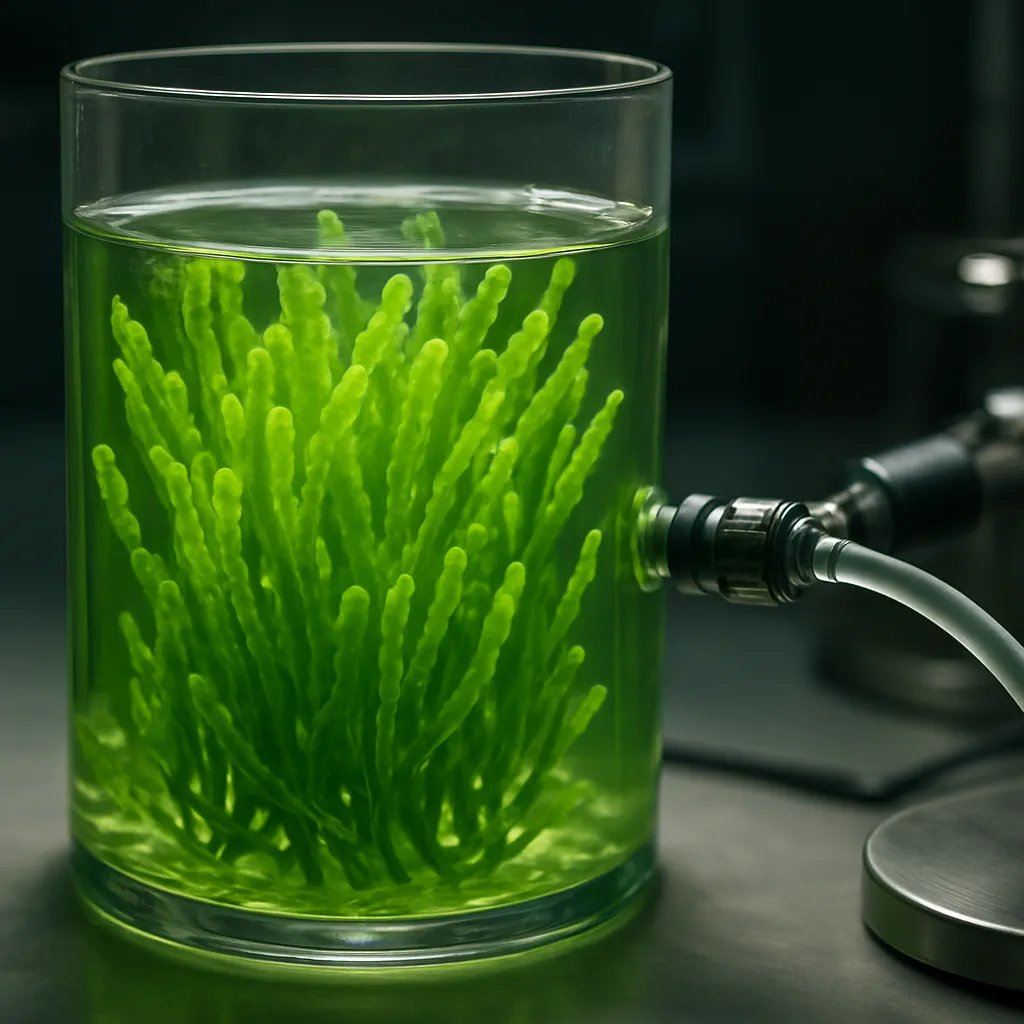
- Edible algae and microbial consortia supplement plant crops with proteins, vitamins, and essential fatty acids.