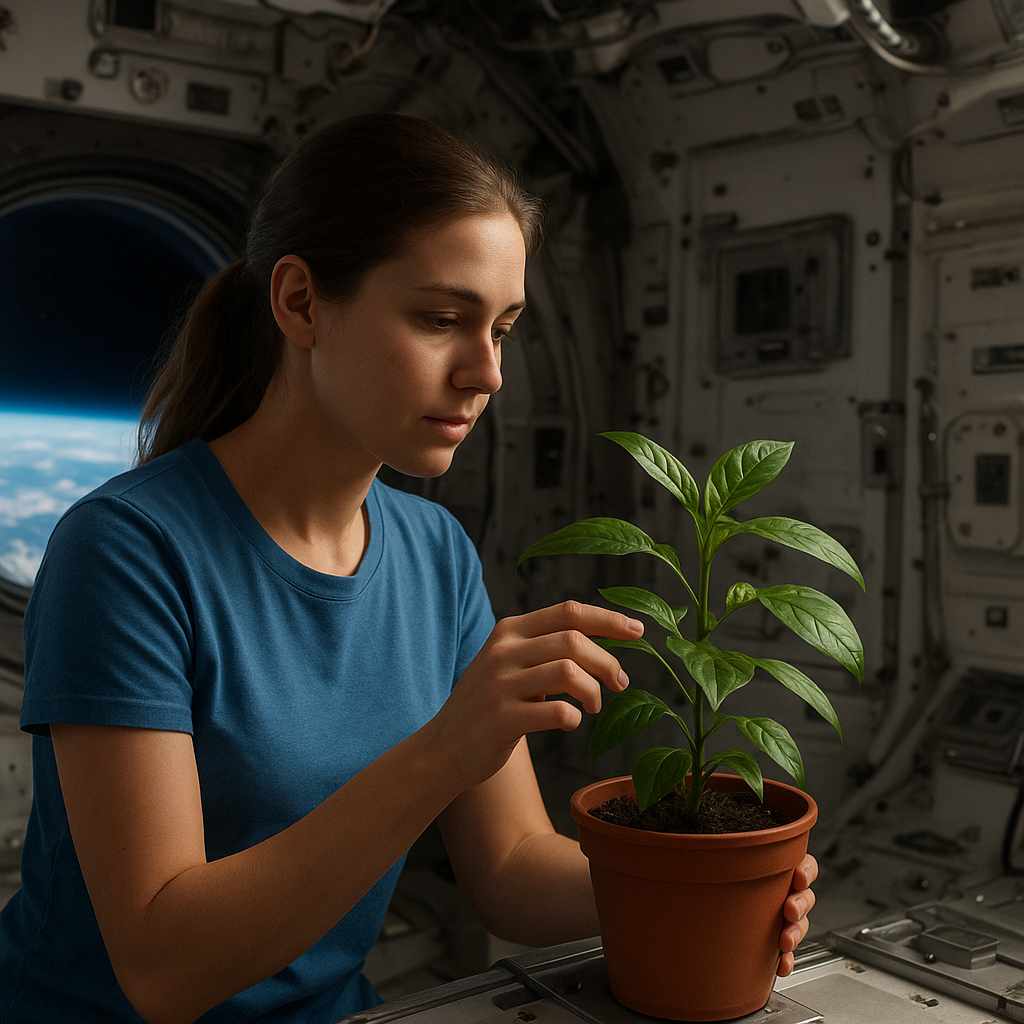
Sustaining crew health on long-duration missions depends heavily on reliable life support systems. Integrating plants into spacecraft not only offers nutritional and psychological benefits but also provides a natural method for maintaining air quality. Through carefully managed cultivation, plants can absorb harmful gases while releasing the vital oxygen that astronauts need. This article explores how agricultural techniques are adapted for use in space, detailing the biological principles, engineering designs, and operational strategies that turn green life into a cornerstone of off-Earth habitation.
Bioregenerative Life Support Systems
A bioregenerative life support system uses living organisms to recycle waste into usable resources. Plants play a central role in this closed ecosystem by converting carbon dioxide into oxygen via photosynthesis, producing edible biomass, and purifying water. Such systems strive to create a closed-loop environment where inputs and outputs remain balanced over extended missions.
Fundamentals of Plant-Based Regeneration
Within a sealed cabin, crew members constantly exhale carbon dioxide and generate humidity. Without remediation, gas levels would quickly become toxic. Plants address these challenges by:
- Uptaking CO₂ and releasing O₂ under light exposure
- Transpiring water vapor that can be collected and condensed
- Absorbing volatile organic compounds (VOCs) through leaf stomata
- Creating edible biomass, supplementing packaged food
Advantages over Physical-Chemical Systems
Traditional scrubbers and chemical filters require consumables like lithium hydroxide cartridges, which add mass and complexity. In contrast, plant modules offer:
- Reduced resupply needs
- Potential for local resource utilization on planetary surfaces
- Psychological benefits from living greenery
- Continuous operation under proper environmental control
Mechanisms of Air Purification by Plants
The ability of plants to clean air inside spacecraft relies on multiple intertwined processes. From molecular absorption to microbial interactions in the root zone, each mechanism enhances overall air quality.
Gas Exchange and Stomatal Dynamics
Stomata—microscopic pores on leaf surfaces—regulate gas flow. When illuminated by artificial LEDs tuned to specific wavelengths, leaves open stomata, drawing in carbon dioxide and releasing oxygen. Researchers optimize light cycles and intensity to maximize net oxygen production while minimizing power consumption.
Phytoremediation of Trace Contaminants
Certain species excel at removing trace toxins such as formaldehyde, benzene, and ammonia. Through a process called phytoremediation, plants metabolize these substances or transfer them to rhizosphere microbes for degradation. Key steps include:
- Uptake through leaf surfaces or root hairs
- Enzymatic breakdown within plant cells
- Collaboration with beneficial soil bacteria to mineralize pollutants
Role of Algae and Microbial Consortia
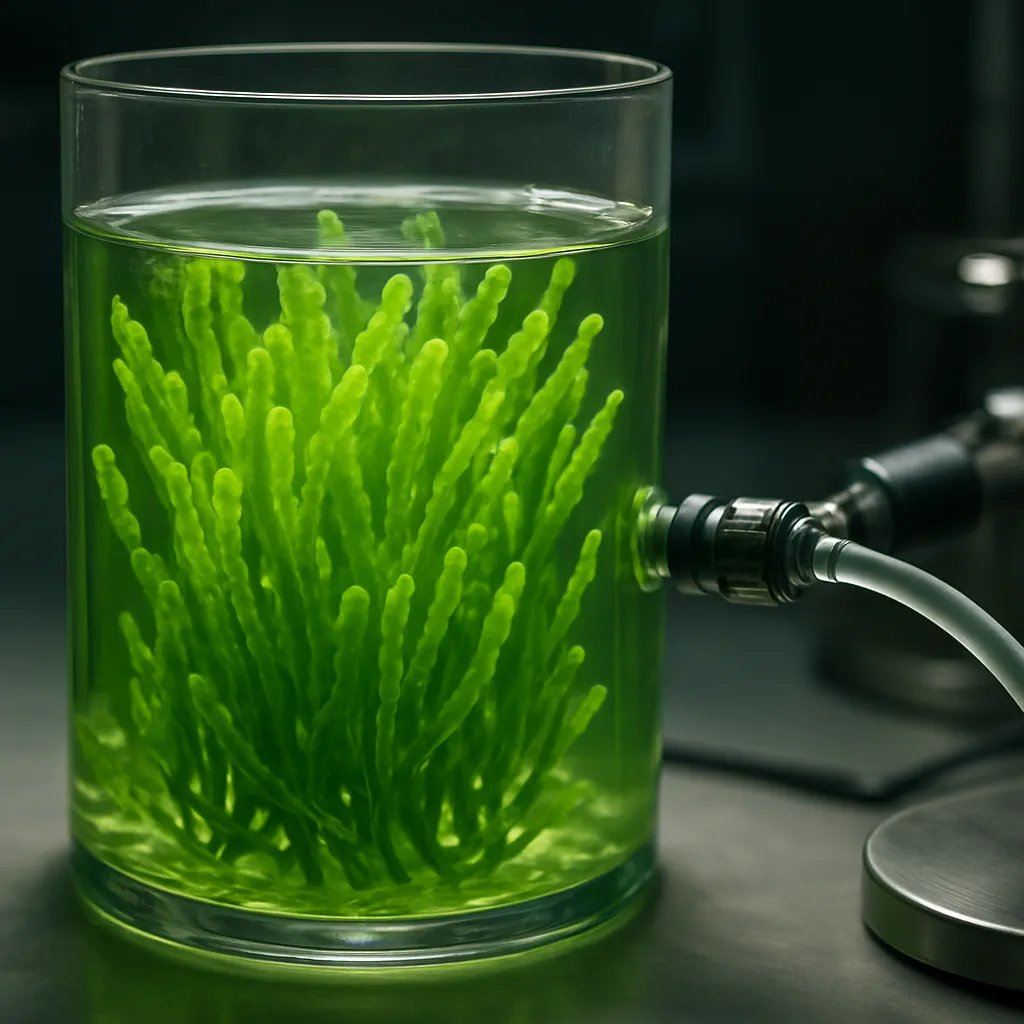
The integration of algae in photobioreactors enhances gas exchange efficiency. Microalgae such as Chlorella can fix CO₂ at high rates under optimized light and nutrient conditions. In combination with higher plants, these microorganisms offer a versatile toolkit for maintaining atmospheric balance.
Cultivation Strategies in Microgravity
Without Earth’s gravity, fluid behavior and plant orientation change dramatically. Adapting conventional agriculture to a microgravity environment requires redesigned cultivation systems that deliver water, nutrients, and light reliably.
Substrate-Based vs. Hydroponic Methods
Two primary approaches dominate space agriculture:
- Hydroponics: Delivers nutrient solutions directly to plant roots through capillary channels, eliminating the need for soil analogs.
- Substrate-Based: Uses inert media like vermiculite or foam cubes to anchor roots while wicking moisture from reservoirs.
Hydroponic systems tend to be lighter and allow precise nutrient control, whereas substrate-based setups provide structural stability under fluid motion induced by crew activities.
Water and Nutrient Management
In microgravity, water forms spheres and may float away from roots unless actively guided. Engineers employ:
- Wicking materials to maintain constant moisture at the root interface
- Controlled flow pumps that prevent air entrapment
- Electrochemical sensors to monitor pH and electrical conductivity
These measures ensure a balanced nutrient supply, preventing deficiencies or toxic buildups that could impair photosynthesis and growth.
Lighting Systems and Spectral Optimization
LED arrays customized for plant growth emit bands that target chlorophyll absorption peaks. By adjusting blue-to-red light ratios, scientists can control morphology, flowering time, and harvest yields. Dimming schedules mimic day-night cycles to support circadian rhythms and enhance stress resistance.
Technological Integration and Monitoring
Seamless integration of plant modules into spacecraft architecture demands robust control systems and real-time data analysis. Automation minimizes crew time devoted to agricultural tasks, allowing astronauts to focus on mission objectives.
Sensor Networks and Remote Control
A dense web of sensors tracks environmental variables such as:
- CO₂ and O₂ concentration
- Relative humidity and temperature
- Light intensity and spectrum
- Root zone moisture and nutrient levels
Data streams feed into onboard software that adjusts pumps, vents, and lighting. Ground teams can also intervene remotely to fine-tune parameters or troubleshoot anomalies.
Modular Rack Design
Plant growth racks are built as interchangeable units that can be scaled or reconfigured for different mission phases. Each rack includes:
- LED panels with adjustable mounts
- Reservoirs for nutrient solution
- Filtration systems to recycle greywater
- Airflow channels to distribute purified air
The modular approach simplifies maintenance and allows rapid integration with other life support components.
Future Developments and Automation
Advancements in robotics and artificial intelligence promise further efficiency gains. Autonomous arms may handle seed planting, pruning, and harvesting, while machine learning algorithms predict nutrient demands. By reducing the manual workload, crews will gain valuable time to conduct scientific research or planetary exploration.
Emerging Applications Beyond Low Earth Orbit
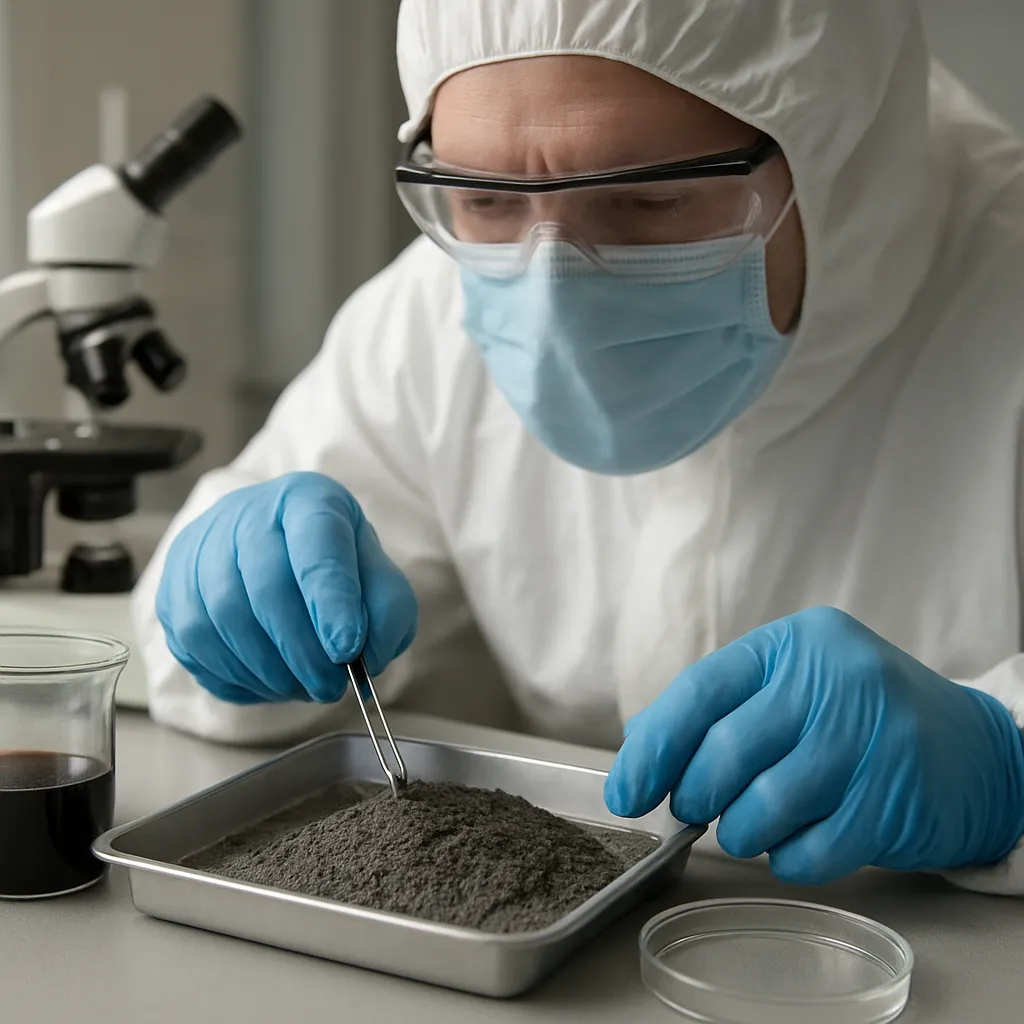
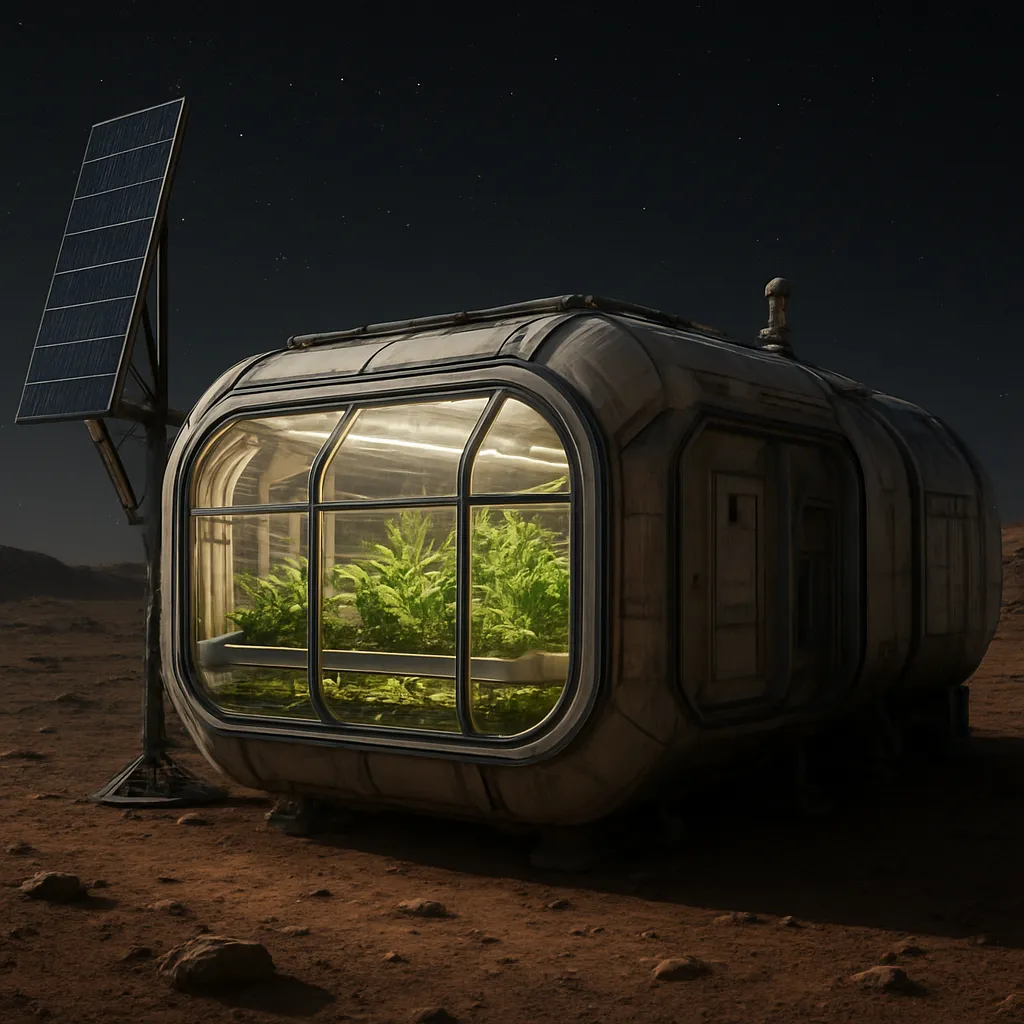
As ambitions shift toward lunar bases and Mars expeditions, plant-based air revitalization systems will evolve to meet harsher conditions. On the Moon, low gravity and radiation require hardened growth chambers with thicker shielding. On Mars, atmospheric CO₂ is abundant but nitrogen must be supplemented. Locally sourced regolith can serve as a substrate after detoxification processes remove perchlorates.
In-Situ Resource Utilization (ISRU)
Combining plant modules with ISRU technologies allows crews to:
- Extract water ice from lunar or martian soils
- Process regolith into nutrient-rich substrates
- Capture atmospheric gases for pressurization and fertilization
Such synergies reduce dependence on Earth resupplies and pave the way for sustainable settlements.
Psychological and Nutritional Benefits
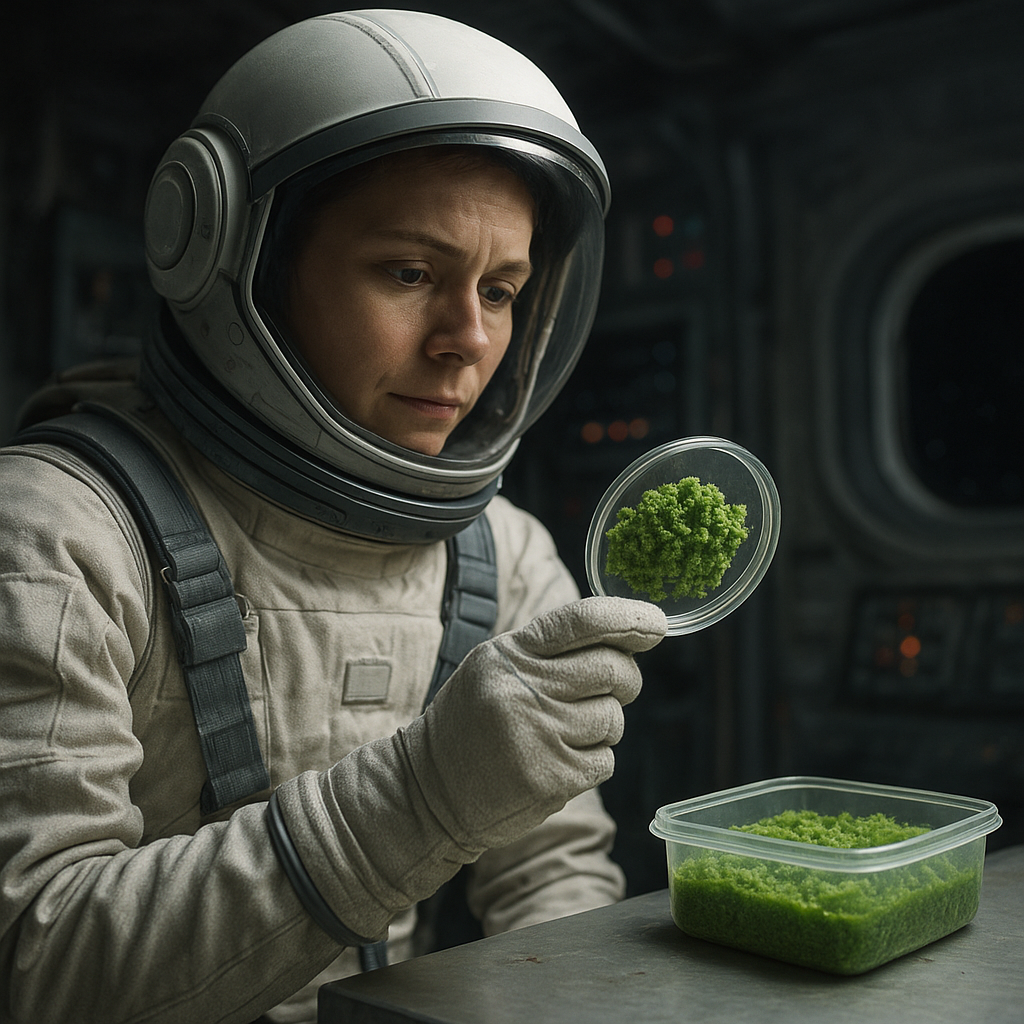
Beyond air quality, fresh produce enhances crew morale and dietary variety. The act of tending plants provides a therapeutic outlet, mitigating stress and feelings of isolation. Nutrient profiles of leafy greens, tomatoes, and peppers supply essential vitamins and antioxidants crucial for long-duration health.
Conclusion
Integrating plants into spacecraft transforms sterile cabins into dynamic, self-sustaining habitats. Through advanced cultivation techniques and robust monitoring, astronauts benefit from continuous oxygen generation, carbon dioxide removal, and pollutant mitigation. As exploration extends deeper into the solar system, plant-based systems will become indispensable for creating resilient, regenerative environments that support life beyond Earth.