The concept of using plants to modify the Martian environment is rapidly gaining traction among scientists and engineers. By harnessing natural processes such as photosynthesis and nitrogen fixation, researchers aim to transform the barren regolith of Mars into fertile ground capable of sustaining future colonies. Integrating bioengineering innovations with advanced greenhouses and closed-loop life support systems could turn the Red Planet into a thriving hub of agricultural activity. This article explores the potential, challenges, and cutting-edge strategies behind plant-powered terraforming.
The Potential of Martian Regolith for Agriculture
Mars is covered by a layer of soil known as regolith, which, although nutrient-poor, holds promise as a substrate for plant growth once properly treated. Its mineral composition includes iron oxides, silicates, and trace elements essential for healthy plant development. However, the lack of organic matter, low water retention, and presence of toxic perchlorates present significant obstacles.
- Water Retention: Martian dust particles are fine and lack the structure to hold moisture. Amending regolith with biochar, compost, or other soil conditioners can improve its water-holding capacity.
- Nutrient Deficiency: Native regolith lacks sufficient nitrogen, phosphorus, and potassium. Introducing cyanobacteria and other nitrogen-fixing microbes can replenish nitrogen levels.
- Perchlorate Detoxification: Perchlorates harm plant metabolism. Certain microbes and genetically modified plants can metabolize perchlorates, rendering them harmless.
Experiments in simulated Martian soil on Earth have shown that spinach, radishes, and lettuce can sprout successfully when the substrate is enriched with organic matter and hydrated regularly. Although yields are lower than Earth-based counterparts, these findings underscore the latent agricultural potential locked within the Martian surface.
Bioengineering Crops for Martian Conditions
Natural plants are not adapted to the anaerobic stresses, high radiation levels, and extreme diurnal temperature swings on Mars. Scientists are turning to genetic modification to create “Mars-ready” crops:
- Radiation Resistance: Introducing genes from extremophiles (organisms that thrive in harsh conditions) can boost DNA repair mechanisms in plants.
- Drought Tolerance: Drought-resistant genes borrowed from desert flora can reduce water requirements by enhancing root structure and stomatal control.
- Enhanced Photosynthesis: Altering photosynthetic pathways can maximize light capture under the thin Martian atmosphere.
Role of Synthetic Biology
Synthetic biology platforms enable the design of entirely new metabolic pathways. For instance, researchers can engineer bacteria to produce natural growth stimulants or phytohormones, which are then delivered to plants grown in Martian greenhouses. Such advancements could accelerate growth cycles and increase biomass output by more than 50% compared to unmodified plants under identical conditions.
Designing Closed-Loop Life Support Systems
Reliance on Earth-supplied resources is impractical for long-duration missions. Closed-loop life support systems integrate plant cultivation with air, water, and waste recycling:
- Oxygen Regeneration: Through photosynthesis, plants convert carbon dioxide exhaled by astronauts into breathable oxygen.
- Water Recycling: Transpiration from plants sheds water vapor, which can be condensed and reused for both human consumption and irrigation.
- Organic Waste Management: Plant residues and human waste can be composted in bioreactors, creating nutrient-rich fertilizer for future plantings.
Vertical Farming Modules
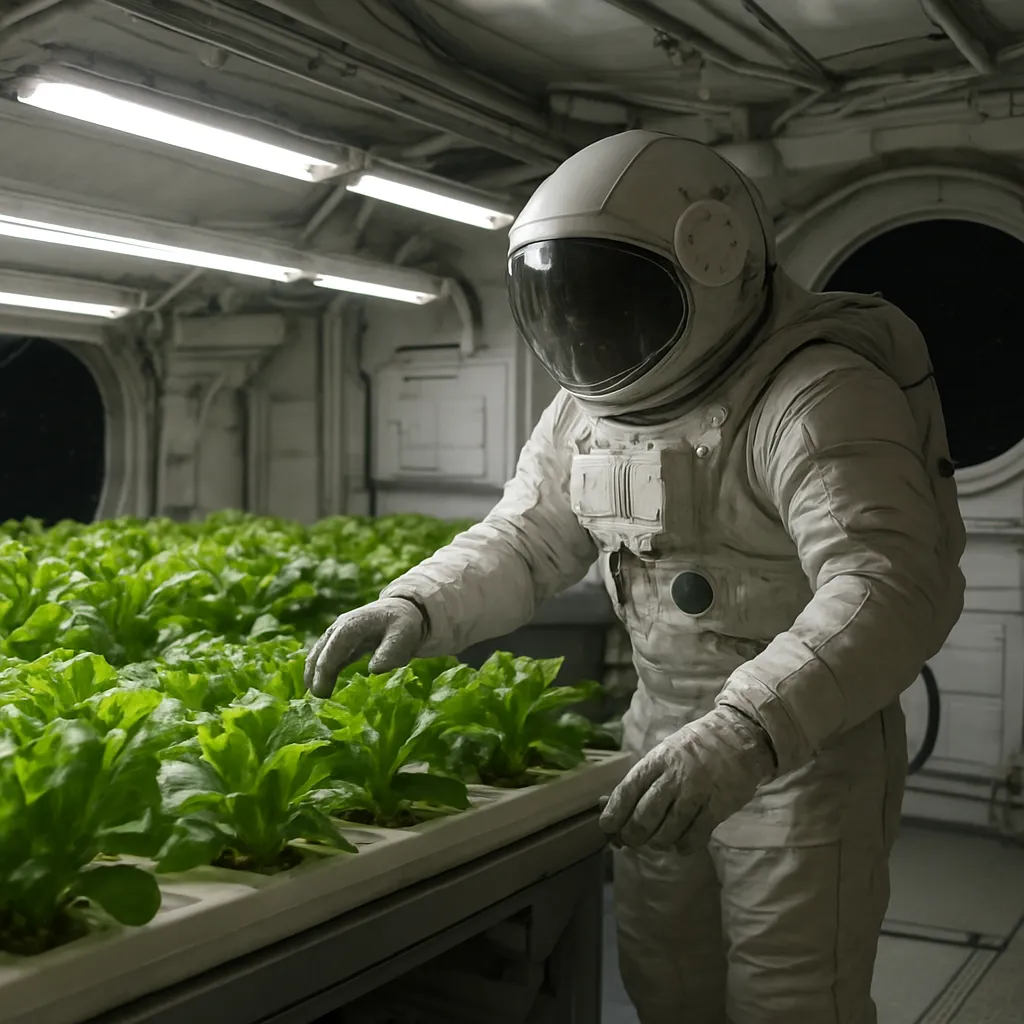
Space constraints within Martian habitats favor vertical farming solutions. Stacked hydroponic and aeroponic towers minimize footprint while optimizing the use of LED lighting tailored to specific photosynthetic wavelengths. Automated sensors regulate nutrient delivery, pH, and humidity, reducing crew workload and ensuring consistent yields.
Leveraging Microbial Consortia
Microorganisms serve as invaluable allies in terraforming efforts. A carefully curated microbial consortia can enhance soil fertility, protect plant roots, and even produce essential biochemicals:
- Mycorrhizal Fungi: Symbiotic fungi increase root surface area, promoting nutrient and water uptake in nutrient-poor regolith.
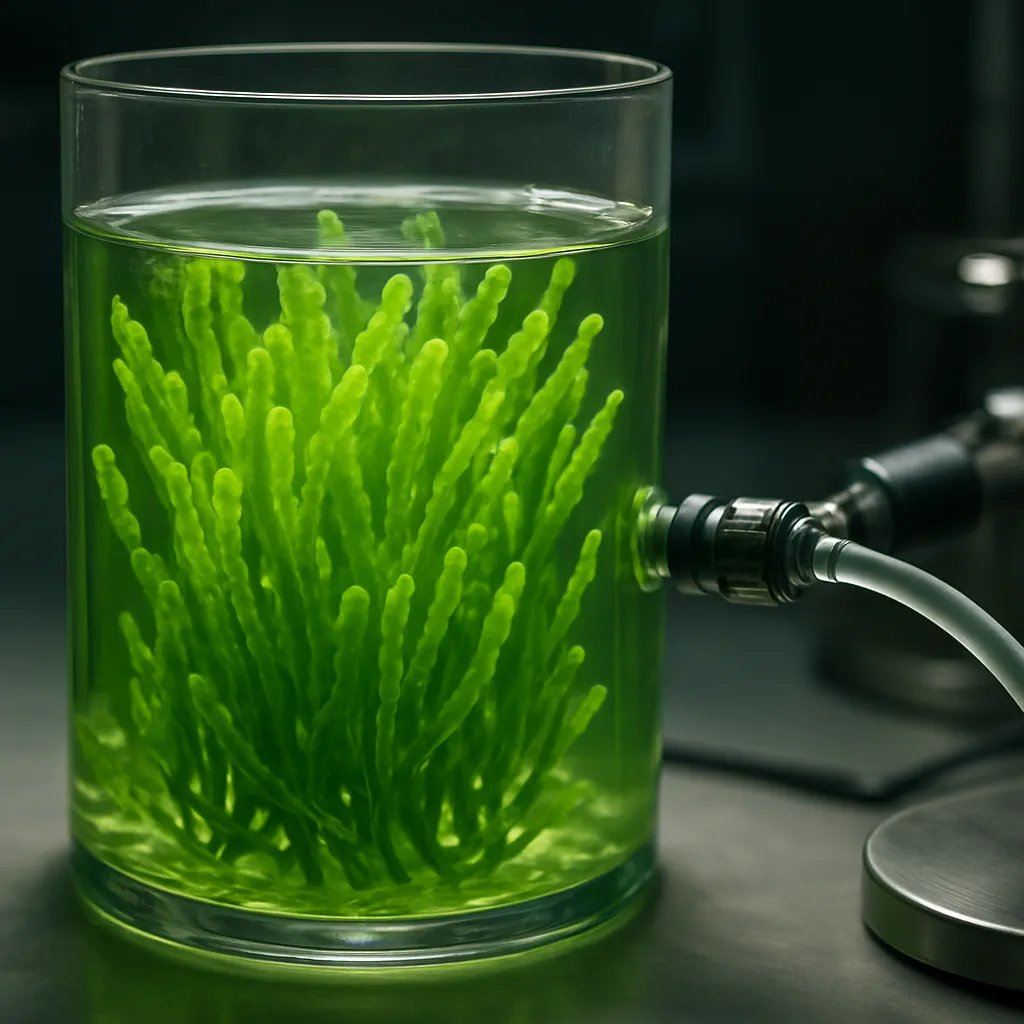
- Rhizobia Bacteria: Nitrogen-fixing bacteria convert atmospheric nitrogen into plant-accessible forms, addressing one of the key nutrient shortages on Mars.
- Biofilm Producers: Certain bacteria create protective biofilms that shield roots from UV radiation and desiccation.
Integrating these microbial partners into hydroponic and soil-based systems will require meticulous control to prevent contamination and ensure balanced ecosystem dynamics.
Challenges and Roadmap for Plant-Based Terraforming
While the promise of Martian agriculture is compelling, several challenges remain:
- Atmospheric Pressure: Mars has less than 1% of Earth’s atmospheric pressure, necessitating pressurized greenhouses or habitats.
- Resource Transport: Transporting soil amendments, seeds, and specialized equipment from Earth is cost-prohibitive. In-situ resource utilization (ISRU) will be essential.
- Scale-Up Issues: Demonstrations in small test chambers must be scaled to colony-wide greenhouses without losing efficiency.
Roadmap Milestones
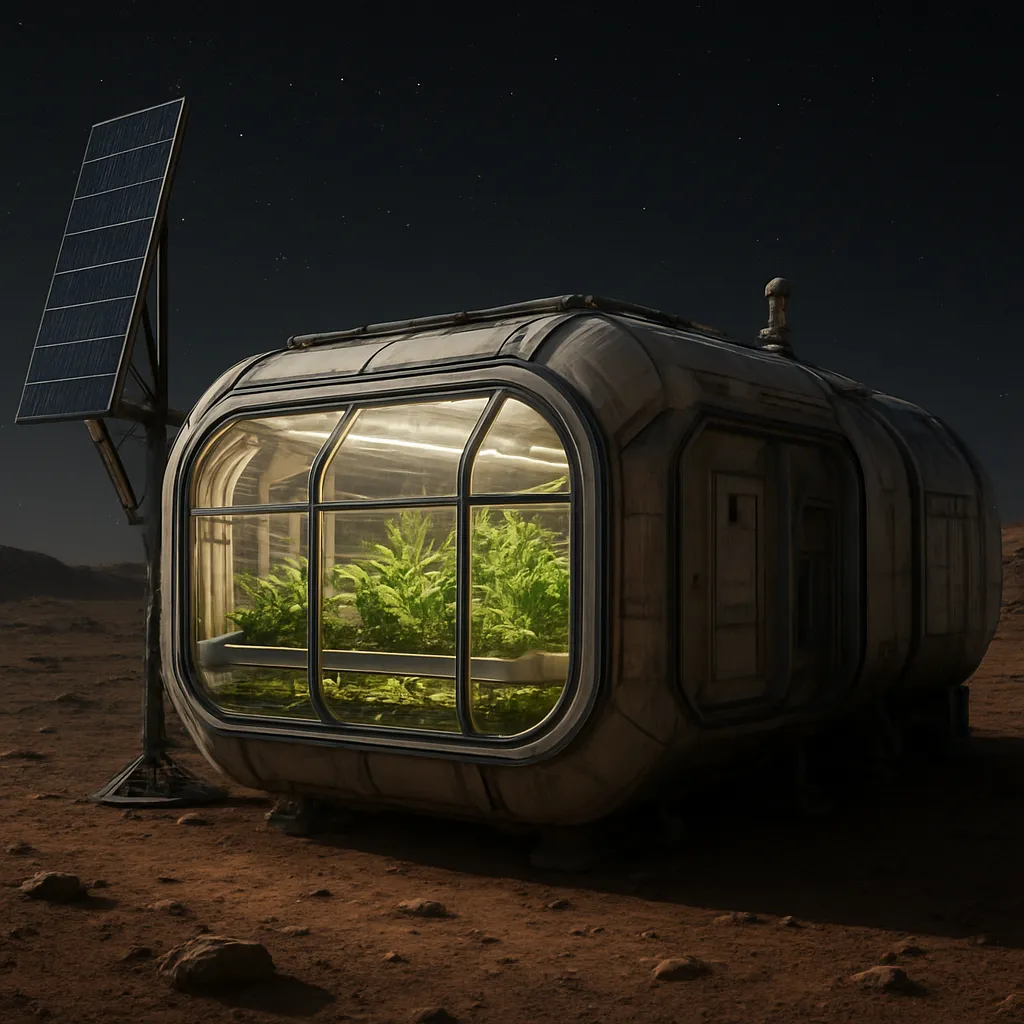
Over the next decade, phased missions will test plant growth on the Moon as a proving ground for Martian agriculture. By the late 2030s, preliminary Martian pilot greenhouses could support a handful of crew members, laying the foundation for full-scale terraforming and sustainable outposts.
Future Directions in Space Agriculture
As technology matures, the integration of robotics, artificial intelligence, and bioengineering will redefine what is possible in extraterrestrial farming. Autonomous gardening drones could monitor root health, pest presence, and nutrient levels in real time. CRISPR-based gene editing may unlock unprecedented plant traits tailored specifically for the Martian environment.
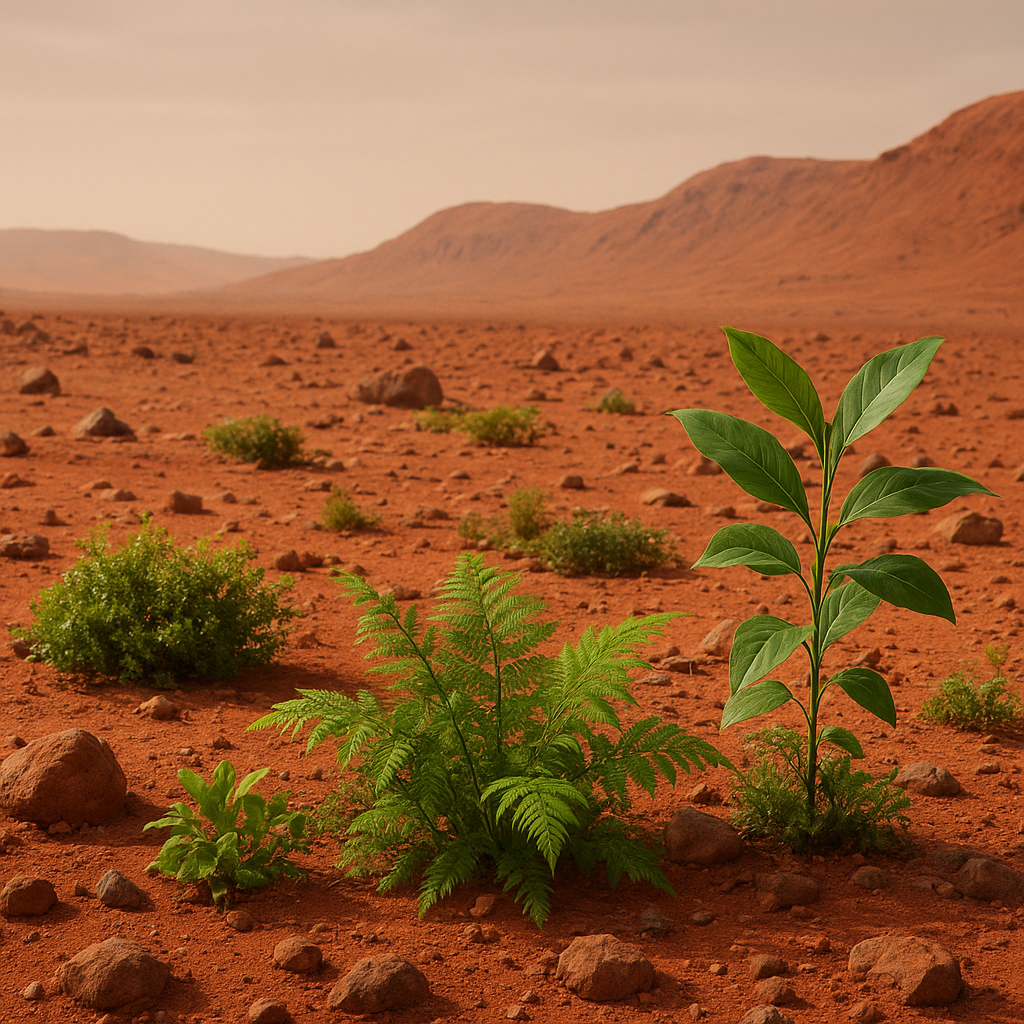
Ultimately, the synergy between space agriculture and environmental engineering holds the key to transforming Mars from an uninhabitable desert into a vibrant biosphere. By cultivating plants on the Red Planet, humanity takes its first true steps toward becoming a multi-planetary species.