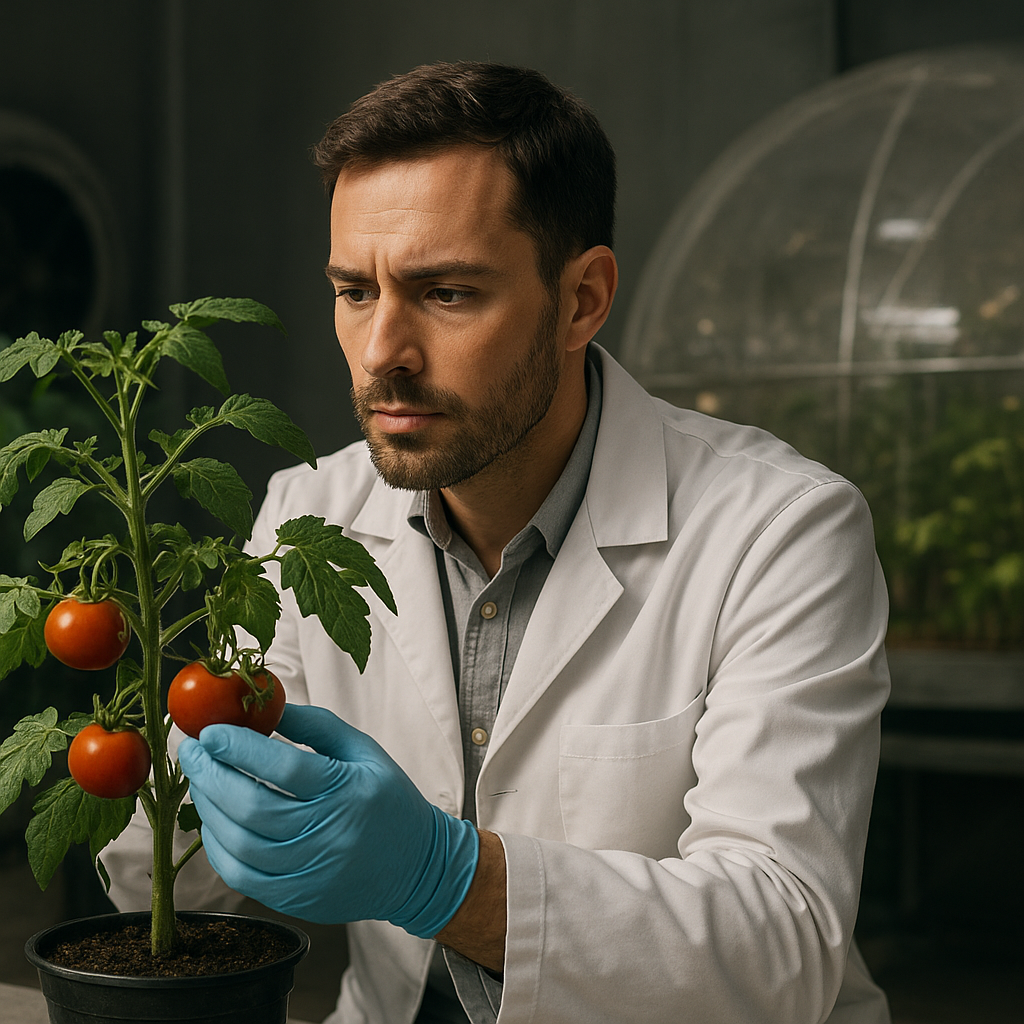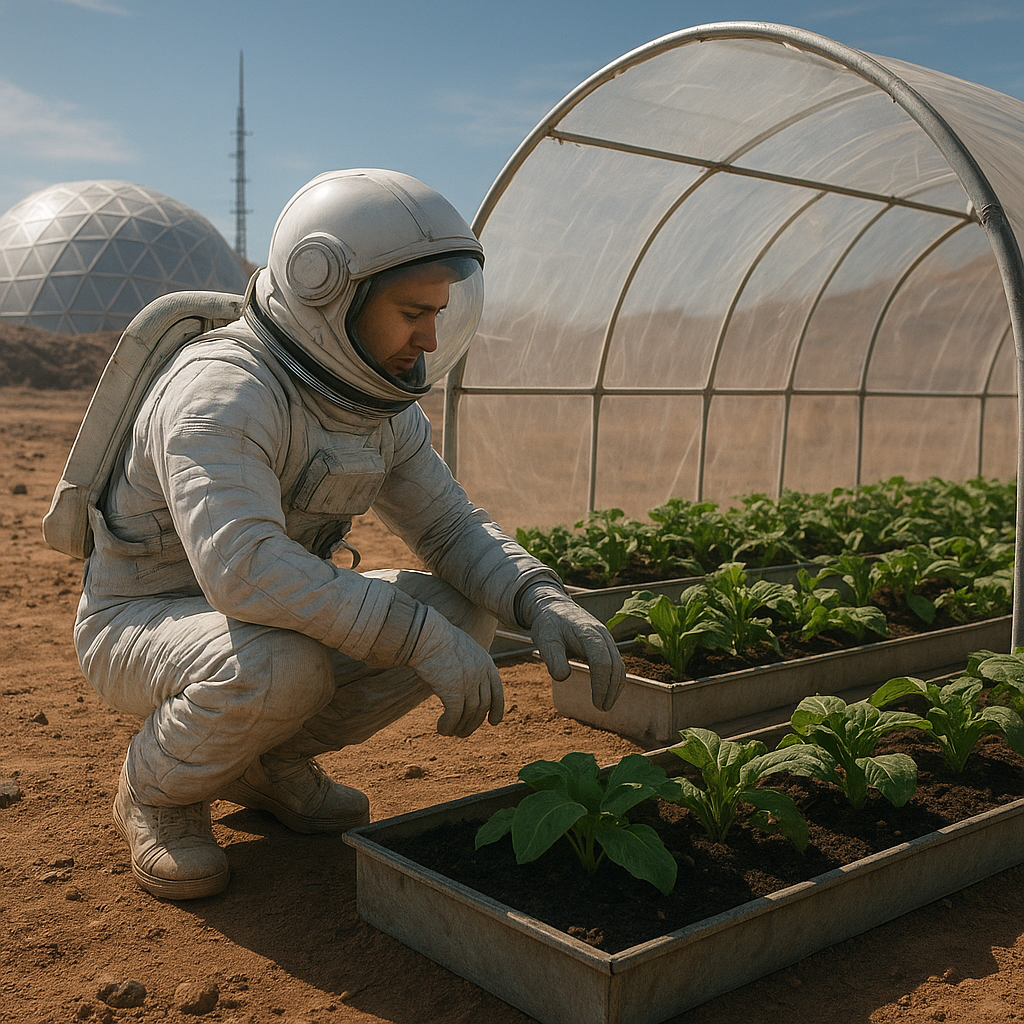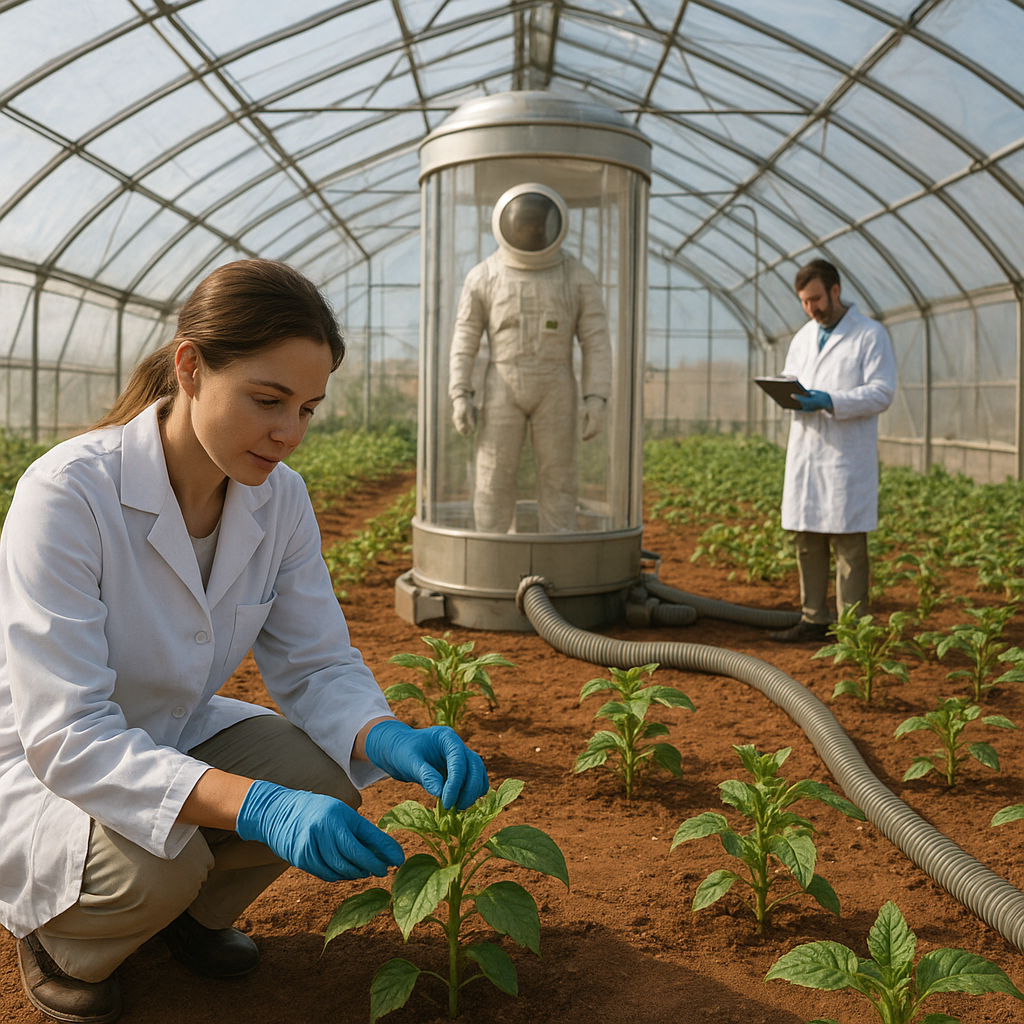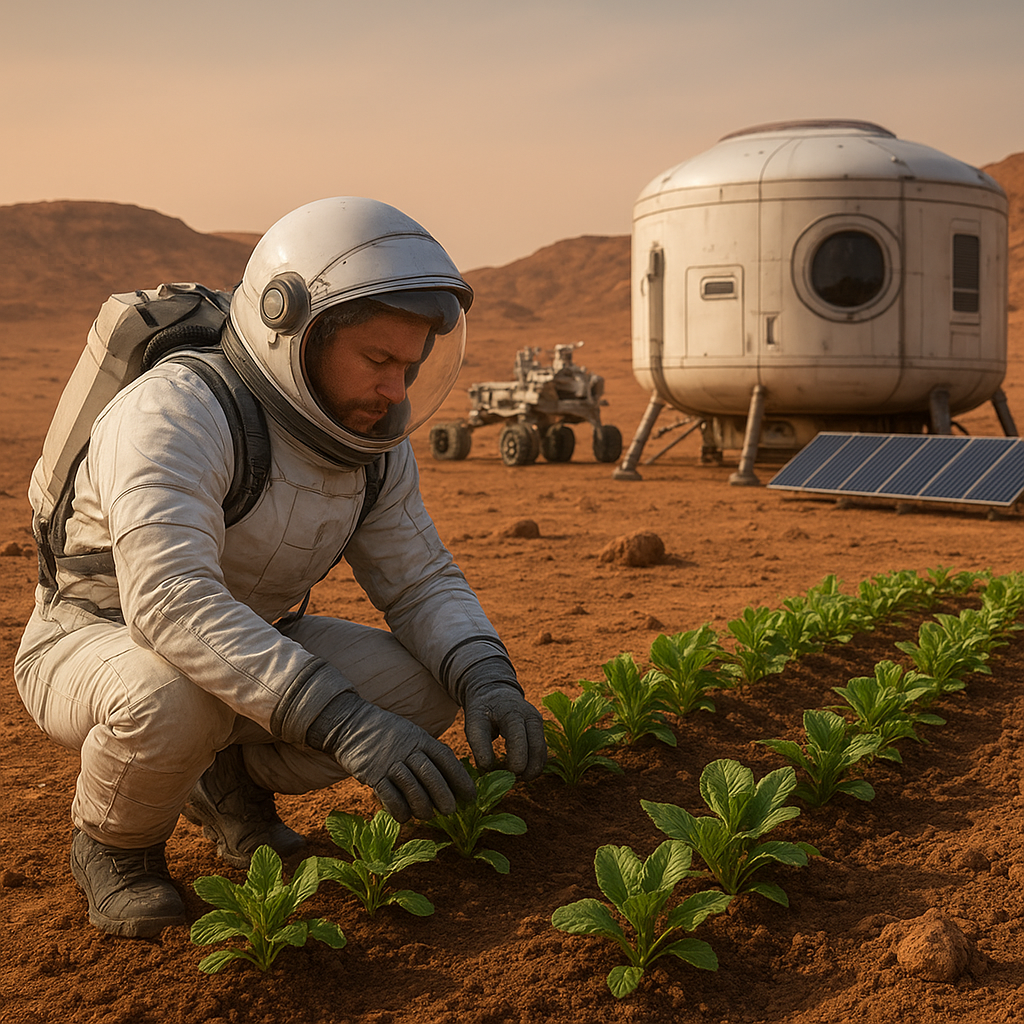
Innovation and optimism drive the quest to cultivate crops on the Red Planet. As humanity contemplates long-term presence on Mars, feeding crews with locally grown food becomes a cornerstone objective. The concept of Martian agriculture transcends simple plant growth. It encompasses advanced life support, in-situ resource utilization, and even the dream of terraforming beyond the realm of science fiction. This article explores how space agencies worldwide are laying the groundwork for lush Martian fields in the future emptiness of space.
Foundations of Martian Farming
The Martian surface presents an environment vastly different from Earth. Low atmospheric pressure, scarce water sources, and intense solar radiation combine to create a hostile setting for terrestrial organisms. Yet, beneath the rusty dust lies a potential medium for life: the native regolith. Rich in silicates and minerals, regolith can serve as a substrate when properly treated. Early experiments mimic Martian soil in Earth laboratories, where researchers test amendment strategies to remove toxic compounds and enrich the mix with essential nutrients.
Key challenges include:
- Perchlorate contamination: Martian soils contain high concentrations of perchlorates, which are toxic to plants and humans alike.
- Water scarcity: Extraction of subsurface ice and the recycling of crew wastewater must be perfected to support continuous crop cycles.
- Atmospheric thinness: A sealed environment or pressurized greenhouse is required to maintain adequate carbon dioxide levels for photosynthesis.
To address these hurdles, collaborations between planetary scientists, agronomists, and engineers are vital. Innovative soil sterilization techniques employ ultraviolet lamps and chemical treatments to neutralize harmful salts. Meanwhile, hydrothermal processing units heat regolith with steam to leach out undesirable compounds, preparing a benign planting medium. Such integrated approaches combine mechanical, chemical, and biological processes to convert Martian dirt into living soil.
Technological Innovations
Advanced cultivation systems are at the heart of Martian agriculture research. From compact greenhouses to sealed growth modules, each design optimizes limited volume and resource efficiency.
- Hydroponics arrays circulate nutrient-rich solutions directly to plant roots, eliminating the need for large soil volumes and reducing water usage by up to 90 percent compared to conventional farming.
- Aeroponics systems suspend plant roots in air while misting them with a fine spray of minerals and water, creating a highly controlled environment for rapid growth and minimal mass.
- Bioregenerative life support loops integrate plant cultivation with crew habitat systems, allowing plants to recycle carbon dioxide into oxygen and produce edible biomass.
Remote sensing and automation play crucial roles in monitoring crop health. Spectrometers capture data on leaf reflectance, indicating chlorophyll concentration and stress levels. Embedded sensors measure soil moisture, temperature, and pH, transmitting real-time feedback to mission control. AI‐driven algorithms adjust light intensity, nutrient dosing, and irrigation cycles to maintain optimal growth conditions.
Lighting technology is another frontier. High-efficiency LED panels mimic the sun’s spectrum, stimulating photosynthesis without the thermal loads of traditional lamps. Special wavelengths target chlorophyll absorption peaks, enhancing biomass production while conserving power—a precious commodity on Mars.
Engineering Livable Environments
Creating a safe habitat for crops means contending with external hazards and maintaining internal stability. Structural engineers design greenhouse modules with layered shielding to protect against cosmic rays and solar particle events. Inflatable domes made of polymer fabrics and transparent aluminum offer a balance of strength, insulation, and light transmission.
Within these enclosures, environmental control and life-support systems (ECLSS) regulate:
- Atmospheric composition: Maintaining a stable mix of oxygen, carbon dioxide, and inert gases to support both plants and humans.
- Temperature: Insulation and HVAC units counter Martian extremes, where daytime highs can reach 20 °C and nighttime lows plummet below −100 °C.
- Humidity: A delicate balance prevents fungal growth while ensuring stomatal function in plants.
Water management is critical. Closed-loop hydroponic circuits recover and purify runoff, while distillation towers and electrolysis units convert briny ice into potable water and breathable oxygen. Advanced membranes filter out any trace of salts or microbial contaminants, guaranteeing a continuous supply of life’s most vital resource.
Challenges and Adaptive Strategies
Despite technological leaps, significant obstacles remain on the path to reliable Martian farming.
Radiation Mitigation
Prolonged exposure to Galactic Cosmic Rays and solar particle events can damage plant DNA, impairing growth and yield. To counter this, engineers embed radiation‐absorbing materials like polyethylene and water into greenhouse walls. Underground or lava‐tube installations offer natural shielding, while magnetic deflector systems are under investigation to replicate Earth’s protective magnetosphere.
Perchlorate Removal
Addressing toxic salts in regolith demands robust decontamination methods. Electrochemical cells break down perchlorates into harmless chloride ions, while certain microbial consortia metabolize these compounds, transforming them into benign byproducts. Integrating biological and physical processes ensures a sustainable pathway to safe planting medium.
Atmospheric Pressure and Gas Exchange
Low pressure on Mars inhibits gas diffusion in soil and plant tissues. Pressurized growth chambers maintain Earth-like conditions, but at the cost of structural mass and complexity. Alternative approaches explore semi-sealed planter boxes with local pressure regulation, reducing overall habitat pressure demands.
Gravity Effects on Plant Physiology
At 38 percent of Earth gravity, plant orientation, fluid transport, and cellular signaling may be altered. Research aboard orbital platforms and parabolic flights informs design adaptations, such as angled root beds and centrifugal growth chambers that simulate higher gravity levels for critical stages of development.
Looking Ahead
Global space agencies and private enterprises continue to refine Martian agriculture through collaborative research programs and analog missions on Earth’s polar deserts and volcanic regions. These initiatives evaluate system resilience under extreme conditions and develop best practices for crewed expeditions. Future demonstrations aboard lunar platforms will validate habitat integration, bridging the gap between prototype modules and full-scale Martian farms.
As these efforts accelerate, the promise of self-sustaining colonies on Mars moves closer to reality. By harnessing cutting-edge science, ensuring resource sustainability, and embracing the spirit of exploration, humanity prepares to sow the seeds of life on another world.