Innovations born from extraterrestrial cultivation are poised to transform how we farm on Earth. By transferring lessons from cosmic gardens to terrestrial fields, researchers and agronomists can address pressing global challenges such as food security, climate change, and dwindling arable land. This article explores key breakthroughs, emerging technologies, and practical applications of space agriculture that could revolutionize farming practices worldwide.
The Potential of Extraterrestrial Cultivation
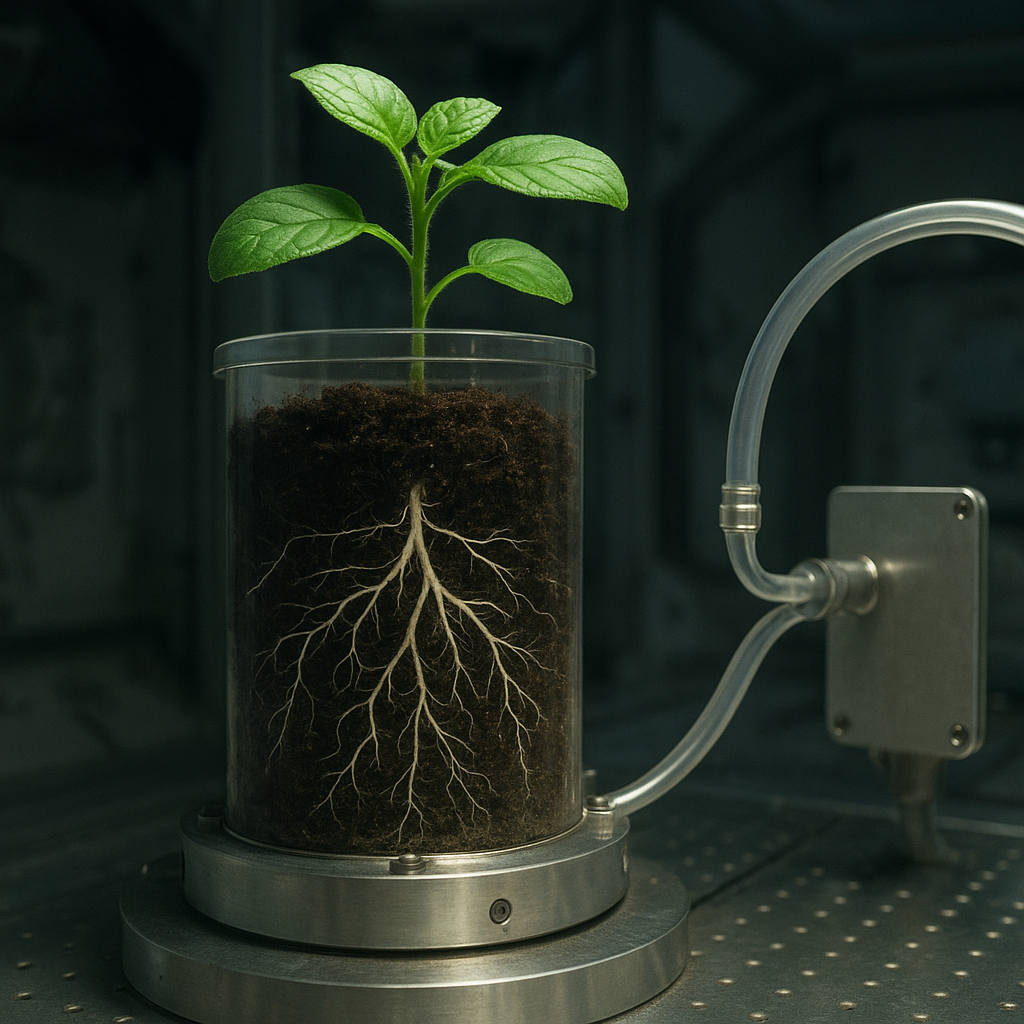
Since the earliest experiments on the International Space Station, scientists have been investigating how plants grow in a microgravity environment. These studies reveal how root orientation, nutrient uptake, and water distribution behave when gravity’s pull is minimized. Learning from these anomalies unlocks novel cultivation strategies that deliver higher yields and stronger crops on Earth.
Understanding Plant Responses in Orbit
Plants rely on gravity to guide root systems downward and shoots upward. In space, roots meander unpredictably, prompting researchers to develop innovative support structures and nutrient delivery methods. Those technologies include:
- Advanced hydroponics systems that supply water and nutrients precisely
- Sensor-packed growth chambers monitoring moisture, pH, and oxygen levels in real time
- Automated lighting schedules simulating Earth’s day-night cycle with LED lighting
Leveraging Stress Adaptations
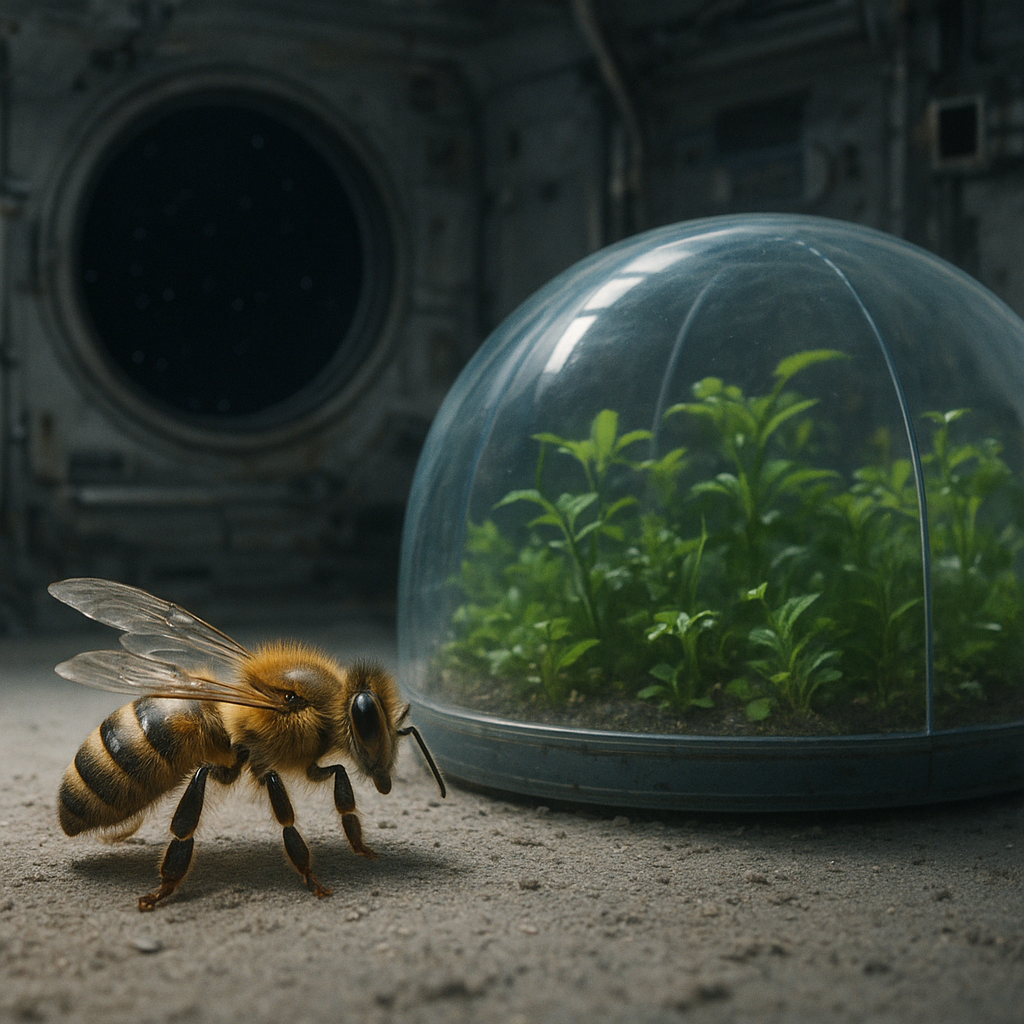
Exposure to cosmic radiation and limited resources forces plants to express stress-resistant genes. By identifying and integrating these genes, breeders on Earth can produce crops that withstand drought, salinity, and extreme temperatures. This genetic infusion enhances resilience against climate volatility and reduces the need for chemical inputs.
Cutting-Edge Technologies for Growth
Space agriculture demands compact, efficient systems due to severe payload constraints. Many of these breakthroughs can be scaled for Earth, delivering more food per square foot and conserving vital resources.
Vertical Farming Redefined
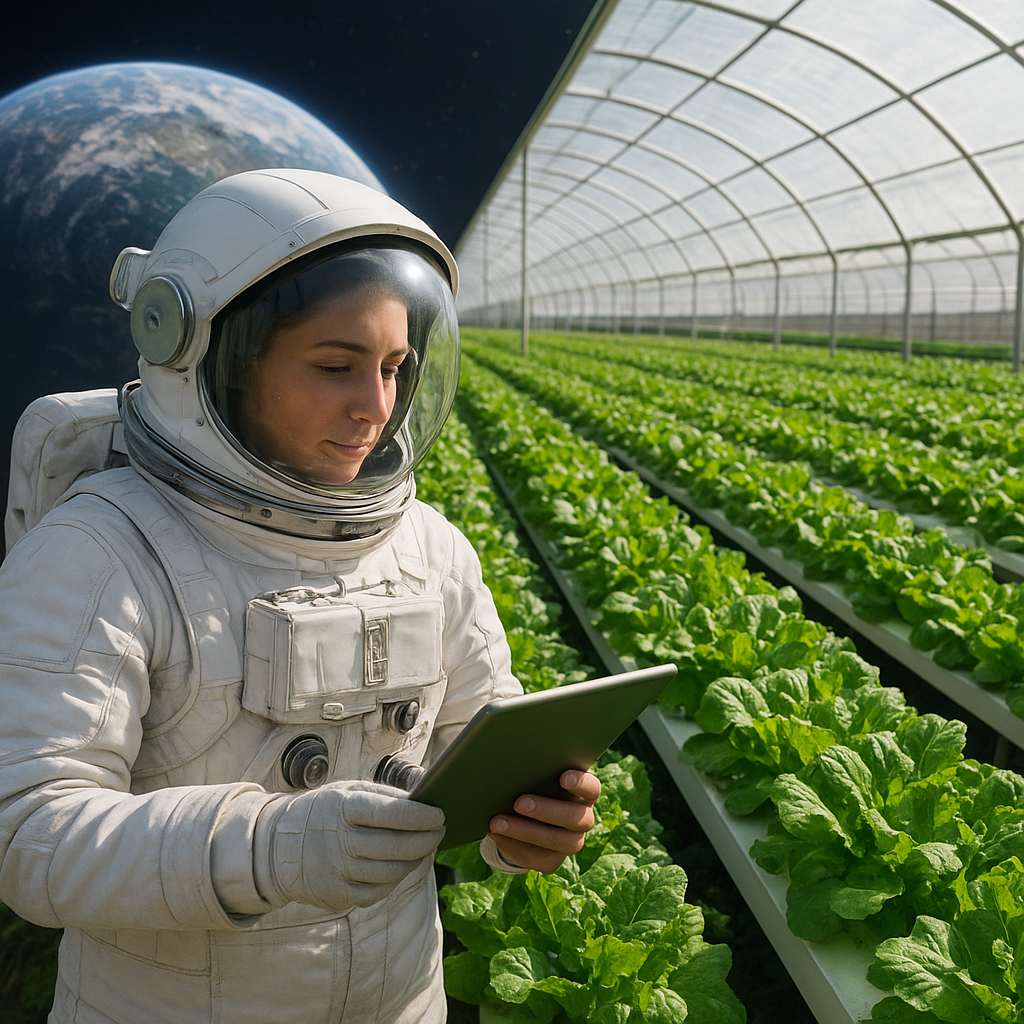
In spacecraft, growing beds are arranged in tiers to maximize volume. When applied on Earth, vertical farming enables year-round production in controlled environments, boosting yield while minimizing pest exposure. Key advantages include:
- Reduced land footprint, ideal for urban and peri-urban areas
- Closed-loop water recycling that curtails waste
- Optimized climate control to tailor conditions for each plant species
Integration of Autonomous Systems
Robotic arms tend to plants aboard space stations, adjusting nutrient flow and pruning leaves. On Earth, such automation ensures consistent care, cuts labor costs, and accelerates data-driven decision-making. Drones and ground rovers can now monitor dozens of metrics—soil moisture, canopy health, and pest presence—ensuring timely interventions.
Innovations in Resource Recycling
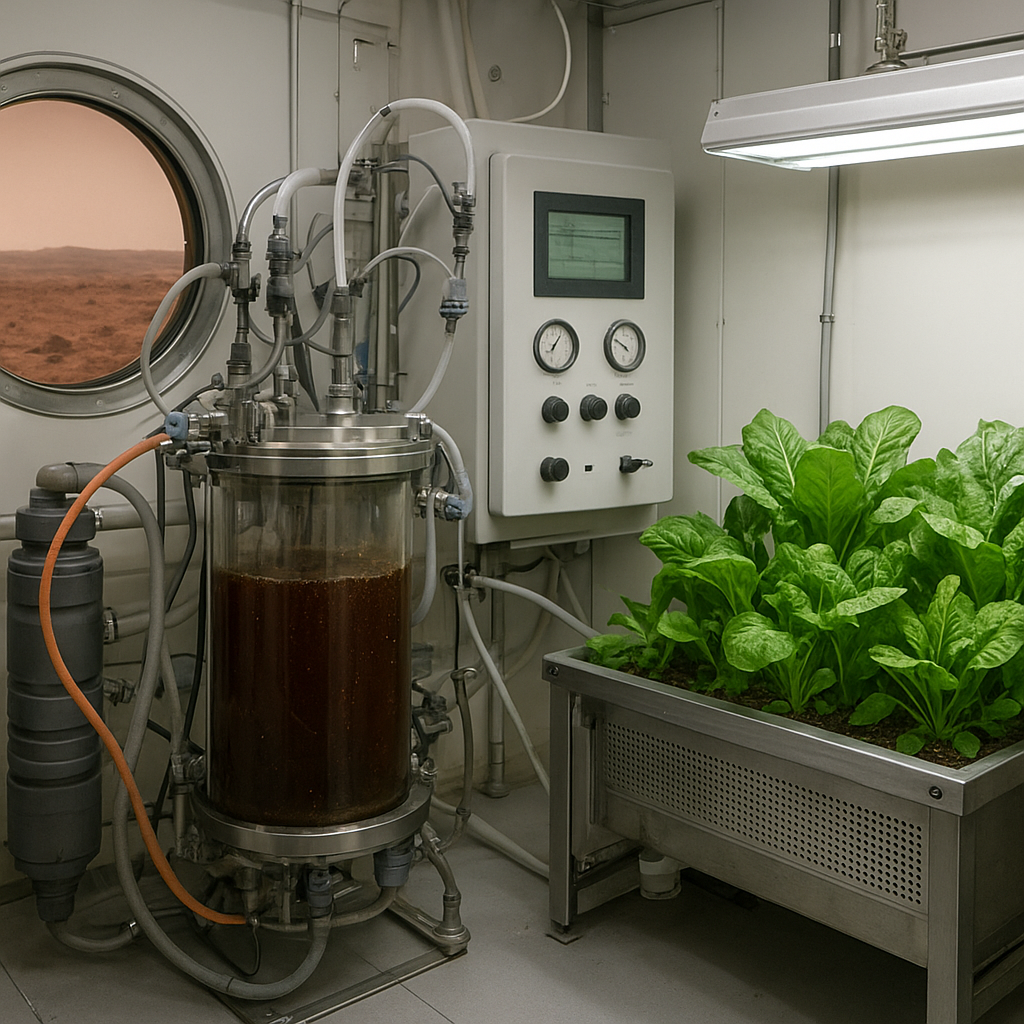
Aboard spacecraft, every drop of water counts. Crew members rely on air and water purification units to recover 90% of used water, including transpired moisture from plants. Emulating these closed-loop designs on farms could dramatically decrease agricultural water consumption and reduce nutrient runoff that pollutes rivers.
Earth Farming Reinvented Through Space Lessons
By adopting the ingenuity of orbital horticulture, conventional agriculture can leapfrog incremental improvements. Integrating space-tested methodologies promises to elevate productivity and promote environmental stewardship.
Optimizing Nutrient Delivery
Traditional soil-based systems suffer from uneven nutrient distribution and leaching. In contrast, space-grade hydroponic and aeroponic platforms administer nutrients under controlled pressure. Translating this precision to terrestrial farms allows farmers to:
- Enhance resource efficiency by reducing fertilizer use
- Minimize harmful runoff that leads to eutrophication
- Produce cleaner, safer food with lower contamination risk
Accelerated Crop Breeding
Exposure to ionizing radiation in orbit occasionally triggers beneficial mutations. While replicating cosmic rays on Earth requires stringent safety measures, targeted irradiation and genomic screening have yielded fast-tracked breeding programs. These programs can generate new varieties with improved flavor, higher nutritional value, and enhanced stress tolerance in a fraction of the time needed by classical breeding.
Resilience Against Environmental Extremes
Space-hardy plants must survive temperature swings, limited soil, and high radiation. Incorporating these adaptive traits into staple crops—wheat, rice, maize—could significantly bolster global food security. With unpredictable weather patterns becoming the norm, such sustainability-focused advances ensure a stable food supply even in marginal regions.
Challenges and Future Directions
Despite the promise of space agriculture, several hurdles must be addressed before widespread adoption on Earth.
- High Initial Costs: Deploying advanced growth chambers and automation remains capital-intensive. Economies of scale, private-sector partnerships, and government subsidies will play crucial roles in cost reduction.
- Energy Demand: Maintaining optimal lighting, temperature, and ventilation requires significant power. Integrating renewable energy—solar panels, wind turbines—into vertical farms and greenhouses will be essential to minimize the carbon footprint.
- Technical Expertise: Operating sophisticated systems demands skilled personnel. Training programs and cross-disciplinary collaborations between aerospace engineers and agronomists are needed to build a capable workforce.
- Regulatory Frameworks: Novel crops and genetically enhanced varieties face regulatory scrutiny. Clear guidelines balancing safety and innovation must be established to prevent lengthy approval delays.
Collaborative Research Initiatives
International consortia, including space agencies, universities, and private companies, are pooling resources to advance agro-space research. By sharing open-source protocols and data, this collective effort accelerates innovation and ensures that breakthroughs benefit all regions, not just affluent nations.
Emerging Frontiers
Looking beyond low Earth orbit, concepts for sustainable habitats on the Moon and Mars drive further improvements in self-sufficient farming. Technologies such as 3D-printed growth modules, microbial biofertilizers, and AI-driven crop management systems will eventually feed astronauts on long-duration missions—and Earthlings craving fresh, locally grown produce.
The synergy between cosmic cultivation and terrestrial agriculture heralds a new era in which food production is more efficient, resilient, and sustainable. As we refine these space-honed methods on our home planet, the boundary between Earth farming and interplanetary horticulture will continue to blur, unlocking a future where every community can thrive under any conditions.